
American Airlines Flight AA2526 from Atlanta to Miami Diverts to Sarasota on 04 August: Travel Details

Published
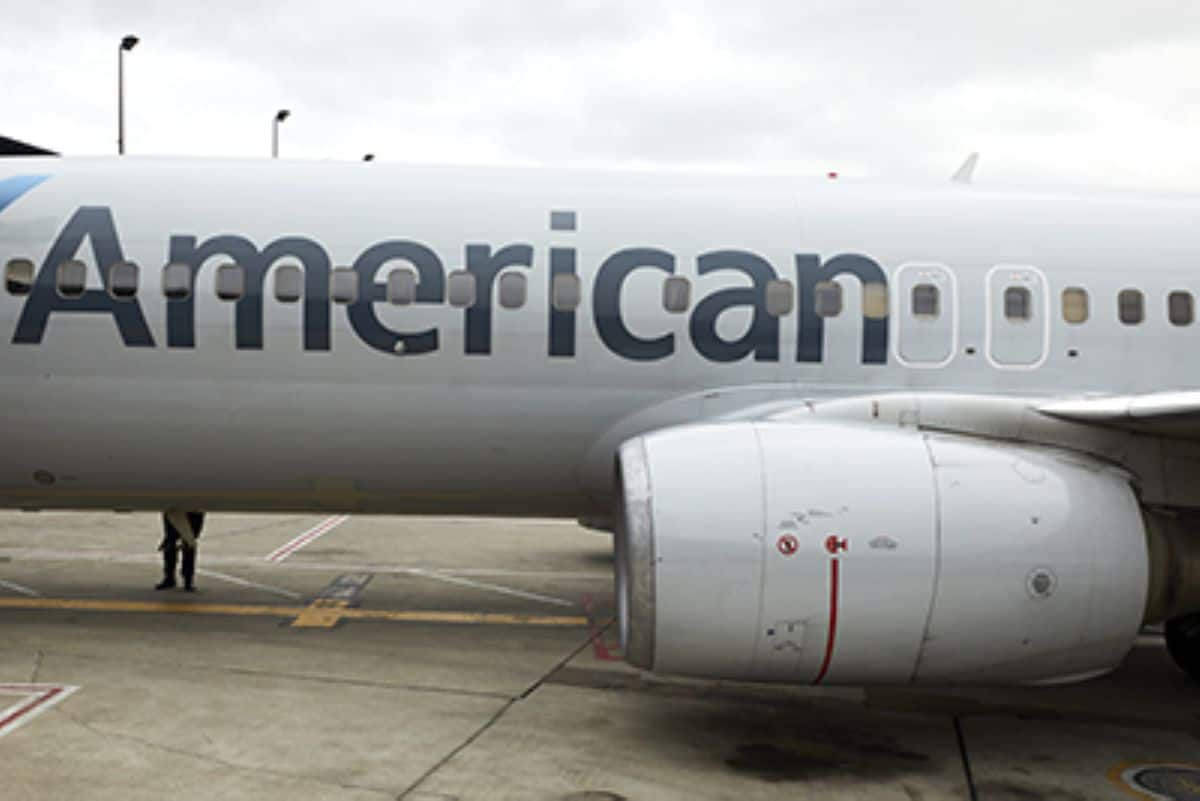
Image generated with Ai
On 04 August 2026, American Airlines passengers heading from Atlanta to Miami were delayed due to an emergency diversion to Sarasota. Travelers originally scheduled to depart from Hartsfield–Jackson Atlanta International Airport (ATL) were forced to detour after air traffic controllers directed the plane to land elsewhere due to weather in South Florida. American Airlines Flight AA2526 from Atlanta to Miami Diverts to Sarasota due to Weather on 04 August 2026 The flight’s two-hour trip from the ATL to Miami was delayed by afternoon weather issues and holding patterns near South Florida. The pilots of the Airbus A319 made an unscheduled stop in Sarasota–Bradenton International Airport. However, the traveler was allowed to remain on board while the crew refueled the plane and continued their journey to Miami that evening.
On 4 August 2026, American Airlines flight AA2526, operated by an Airbus A319 (registration N817AW) from Atlanta (ATL) to Miami (MIA), was diverted mid-flight to Sarasota–Bradenton International Airport (SRQ). The diversion was triggered by airborne holding patterns caused by adverse summer weather and air traffic congestion around Miami. Following refueling and weather clearance, the flight safely resumed its route and arrived in Miami later that evening.
Advertisement
Advertisement
What caused American Airlines flight AA2526 to divert?
Flight AA2526 was originally scheduled to depart Atlanta Hartsfield–Jackson International Airport at 09:00 EDT for a routine two-hour flight to Miami. However, departure delays in Georgia pushed the actual takeoff time back to 14:21 EDT, placing the aircraft in South Florida airspace during peak afternoon convective storm activity.
As the aircraft approached Miami International Airport, severe thunderstorm cells generated heavy precipitation and lightning across the flight corridor. Air traffic controllers placed incoming flights into holding patterns, which rapidly consumed fuel reserves and forced the flight crew to execute a standard precautionary diversion to an alternate airfield.
Advertisement
Advertisement
How did Airbus A319 aircraft N817AW handle the journey?
The narrow-body Airbus A319, registered as N817AW, maintained full operational safety throughout the mid-air route alteration over the Florida peninsula. Modern flight management systems enabled the flight crew to monitor fuel burn accurately while orbiting in assigned airspace and coordinating with American Airlines flight dispatchers.
Advertisement
Advertisement
After executing a smooth landing at Sarasota–Bradenton International Airport, ground crews positioned the aircraft to receive fuel while passengers remained on board. Following clearance from air traffic control and improving weather conditions near Miami, N817AW departed Sarasota at 22:08 EDT and touched down safely at Miami International Airport at 22:42 EDT.
Why was Sarasota–Bradenton selected as the alternate airport?
Sarasota–Bradenton International Airport serves as a key secondary divert location for flights bound for South Florida hubs during adverse weather events. Situated on the Gulf Coast of Florida, Sarasota frequently remains clear of the localized convective weather systems that form along the eastern Atlantic coastline.
In addition to favorable localized weather, Sarasota offers sufficient runway length and essential airport infrastructure to handle commercial narrow-body airliners efficiently. Having established American Airlines ground operations at the airfield ensured that fuel servicing and flight planning updates could be processed without unnecessary delays.
What does this diversion reveal about regional air traffic safety?

Image generated with Ai
The seamless execution of the flight diversion highlights the strict regulatory safeguards embedded within commercial aviation frameworks. Flight crews operate under rigid fuel reserve mandates that require declaring an alternate landing site long before fuel levels reach critical thresholds.
Cooperation between airline dispatchers, air traffic controllers, and flight crews guarantees that passenger safety is prioritized whenever airspace capacity becomes constrained. Although schedule disruptions cause inconvenience, routine diversions like flight AA2526 demonstrate how redundant safety procedures effectively manage unpredictable atmospheric conditions.
Advertisement
Advertisement
The main reason for the diversion was the bad weather along with the traffic in the south of Florida. To clear the congestion in the airspace, the traffic controllers directed planes on long hold patterns. The reason to choose Sarasota for diversion was because of the clear skies there plus the long runways together with ground facilities. This would enable the airline to adhere to safety standards while dealing with a fuel emergency situation.
To conclude, diversions are routine in the airline industry as they aid in maintaining the high level of safety that is maintained in the industry. As seen in the case study, the emergency diversions that occurred during the course of the flight of AA 2526 were handled very efficiently by the pilots and the controllers. Despite the delay that was caused to the flight, the crew managed to prioritize safety over time and ensure that the passengers arrived at their destination safe and sound. The diversion also enabled the passengers to complete their journey successfully despite the weather problems that would have caused diversions in the flight path. Hence, it is only through such regulations and alternate airports that safety in commercial aviation is maintained even during adverse weather conditions.
Advertisement
