

Japan Cultural Tourism Comes Alive as Nagasaki Kunchi Fills the City With Dragon Dances and Grand Floats

Published
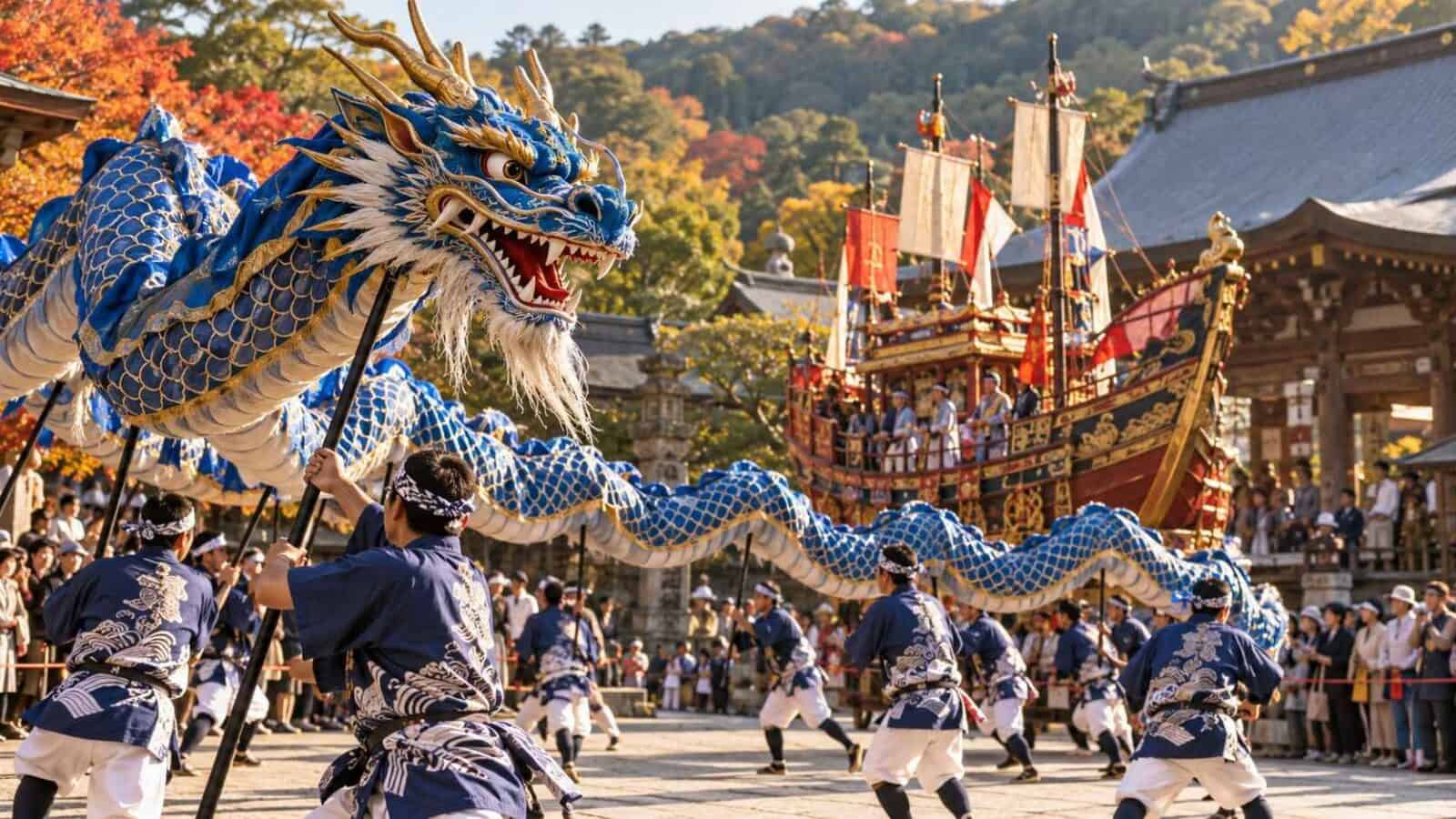
Dances and floats are drawing attention towards Japanese cultural tourism as the Nagasaki Kunchi runs from 7 to 9 October 2026. Six different wards are performing dedication shows in Nagasaki City that celebrate the fall festival of Suwa Shrine. While there is more to see for tourists than simply seeing the colourful shows, this festival is also an opportunity to get in touch with local culture, which is further explained thanks to the English information available now for foreign visitors. It is important to know the schedule, where to watch and how to travel during this festival. 長崎市公式観光サイト「travel nagasaki」
Six neighbourhoods bring different stories to the stage
The official festival programme confirms six participating neighbourhoods for 2026. Their performances range from traditional dance to dragon movements and ship-shaped floats, giving visitors several expressions of local identity within one event.
Advertisement
Advertisement
The distinctions matter when planning a visit. Travellers seeking the dragon dance should look for Chikugo-machi, while those interested in the Chinese ship performance should follow Motofuna-machi. nagasaki-kunchi.com
| Neighbourhood | Officially listed 2026 performance |
|---|---|
| Imakago-machi | Hon-odori traditional dance |
| Aburaya-machi | Kawafune riverboat |
| Motofuna-machi | Tosen Matsuri Chinese ship performance |
| Uwa-machi | Uwamachi Kokkodesho |
| Kajiya-machi | Seven Lucky Gods treasure ship |
| Chikugo-machi | Ja-odori dragon dance |
The city tourism listing confirms this line-up. Each group also presents a kasaboko, the decorated festival structure associated with its neighbourhood. 長崎市公式観光サイト「travel nagasaki」
Advertisement
Advertisement
Japan cultural tourism rooted in community tradition
Nagasaki Kunchi traces its beginnings to 1634, according to the organising association. Its origin is associated with two women dedicating a performance at Suwa Shrine.
The dedication performances received national recognition as an Important Intangible Folk Cultural Property in 1979. Their foreign influences reflect the cultural exchanges that helped shape Nagasaki’s identity. nagasaki-kunchi.com
Advertisement
Advertisement
The organiser describes 58 performing neighbourhoods divided into seven groups, with appearances rotating on a seven-year cycle. Visitors therefore need to check the programme for their chosen year rather than assume every celebrated performance appears annually.
That rotation gives the neighbourhoods a central role in the visitor experience. The festival’s character rests on which communities are performing and the traditions they bring. nagasaki-kunchi.com
Advertisement
Advertisement
Students help overseas visitors understand the celebrations
A recent development adds a different dimension to this year’s festival. On 1 October, the city tourism website announced the digital publication of an English pamphlet created by the English club at Nagasaki Minami High School.
The official announcement says the pamphlet introduces the festival’s appeal in English. It also confirms that a digital version is being published from this year.
For international visitors, this offers a local explanation of an unfamiliar celebration. Its significance lies in making cultural information available; the announcement does not provide readership figures or evidence of increased attendance. 長崎市公式観光サイト「travel nagasaki」
The streets offer another encounter with the festival
Neighbourhood performances, known as niwasaki-mawari, take the celebrations beyond the principal viewing venues. Groups visit businesses, government offices and private homes, presenting performances associated with good fortune.
Advertisement
Advertisement
The organiser provides route information and identifies places where visitors can obtain schedules. These include the tourist information centre at Nagasaki Station and designated bus terminals.
Travellers can use these rounds to see how the festival connects with everyday city life. They should follow published routes and allow space for performers and residents rather than expect unrestricted access everywhere. nagasaki-kunchi.com
Festival access requires careful planning
The four principal venues are Suwa Shrine, Central Park, Yasaka Shrine and Otabisho. Seating formats and sales arrangements differ, so a ticket for one venue does not establish access to another.
Central Park’s published 2026 prices range from ¥4,500 to ¥7,000, depending on the category. Wheelchair seating is listed as a ¥14,000 pair, including a caregiver.
These are published prices, not confirmation of remaining inventory. Visitors requiring wheelchair access should verify availability and the approach route directly with the venue. nagasaki-kunchi.com
Transport changes affect journeys across Nagasaki
The city has announced traffic restrictions during 7–9 October, covering central areas and locations around Suwa and Yasaka shrines. Its notice also directs travellers to bus operators’ route-change information.
Advertisement
Advertisement
Checking those arrangements matters for hotel transfers, guided excursions and journeys between venues. Travellers should leave time for walking and follow the current notices when choosing a route. 長崎市公式観光サイト「travel nagasaki」
National visitor figures provide context, not festival attendance
The Japan National Tourism Organization, in its release dated 16 September 2026, estimated 3,098,900 international visitor arrivals in August, down 9.6% from August 2025. However, 14 source markets recorded their highest August totals.
JNTO also identified reduced flight services and typhoon cancellations among factors affecting some markets. These national figures cannot establish demand for Nagasaki Kunchi or the festival’s contribution to airline traffic. jnto.go.jp
The official festival sources reviewed provide no verified 2026 total for attendance, spending or employment. Hotels, guides and local businesses have opportunities to serve visitors, but a quantified economic impact requires separate evidence.
Traveller questions
When does Nagasaki Kunchi take place?
The festival runs from 7 to 9 October annually. The 2026 programme lists different venue sessions across those three days. nagasaki-kunchi.com
Advertisement
Advertisement
Can visitors watch without reserved seats?
Visitors can watch neighbourhood rounds around the city. Access conditions at the main venues differ, and free Suwa Shrine steps seating requires advance lottery application. nagasaki-kunchi.com
Can weather change the programme?
Yes. The organiser publishes arrangements for postponing outdoor performances because of rain or severe weather. Confirm revised timings and refund procedures with the relevant venue. nagasaki-kunchi.com
A cultural visit shaped by preparation
Nagasaki Kunchi offers travellers an opportunity to experience local traditions first-hand through the dragon and ship performances and the tours around the neighborhoods. The most unique element about the festival is knowing who makes the offerings and how they relate to the festivities in daily life. The English-language pamphlet made by students is another way to gain insight into this knowledge. For people planning to attend the rest of the programme, some preparations should be done to ensure that they know the location timings, sitting arrangements, and transportation arrangements. For any future visit, one must start from the official annual list.
Official Sources
- Nagasaki Traditional Performing Arts Promotion Association: https://nagasaki-kunchi.com/
- Nagasaki City official tourism website: https://www.at-nagasaki.jp/news/1426
- Japan National Tourism Organization: https://www.jnto.go.jp/news/press/20260916_montly.html
Advertisement
