
Britain Aligns With France And More Unveils Heritage Routes Connecting Gothic Sacred Abbeys

Published
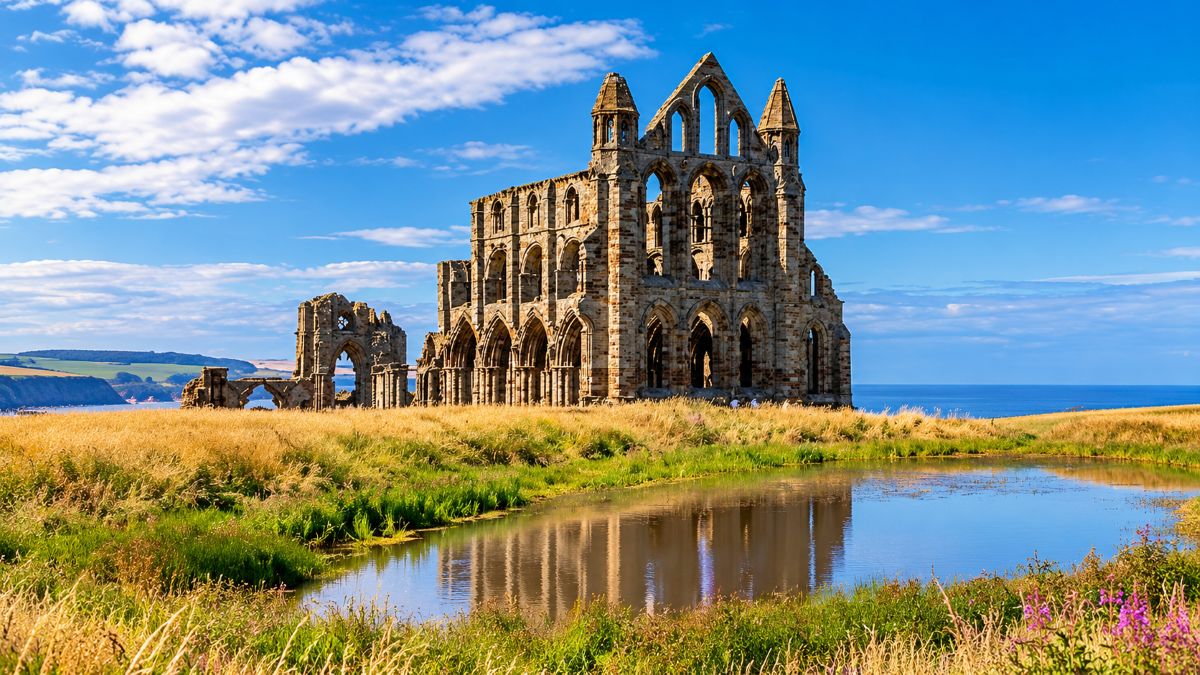
Centuries of turbulent religious upheaval and architectural ambition have shaped the British landscape, leaving behind hollowed stone skeletons that rank among the most evocative cultural monuments in western Europe. These monastic sites, largely dismantled during King Henry VIII’s Dissolution of the Monasteries in the sixteenth century, represent an enduring synthesis of Gothic engineering and sacred solitude. Today, discerning travellers seeking contemplative heritage journeys encounter awe-inspiring nave arcades, silent cloisters, and soaring traceried windows open directly to the elements. Standing within these consecrated grounds reveals the sheer physical scale of medieval Christendom, where Cistercian, Benedictine, and Augustinian orders transformed remote river valleys and windswept clifftops into thriving agricultural and intellectual empires.
Modern conservation efforts managed by English Heritage, Historic Environment Scotland, and Cadw have preserved these vulnerable limestone and sandstone structures, enabling visitors to study authentic craftsmanship across northern England, the Scottish Borders, and the Welsh marches. The sensory experience of approaching these remote sanctuaries mirrors the isolation sought by original monastic founders, who valued quiet devotion alongside disciplined manual labour. Whether bathed in sea mists along the North Sea coastline or nestled within densely wooded Yorkshire dales, these ten architectural landmarks deliver unmatched historical depth. Exploring their remaining walls offers an authoritative window into medieval monastic economy, royal politics, and the enduring beauty of Gothic structural ruin.
Advertisement
Advertisement
Whitby Abbey and the Wind Swept Yorkshire Coast
Perched dramatically on the East Cliff overlooking the North Sea, Whitby Abbey dominates the skyline of this historic North Yorkshire fishing town. Founded originally as an Anglo-Saxon double monastery under Saint Hild, the site hosted the pivotal Synod of Whitby in the year 664, which established Roman methods for calculating Easter throughout England. The soaring Benedictine ruins visible today date predominantly from the thirteenth century, showcasing Early English Gothic lancet windows that frame panoramic oceanic horizons. Harsh maritime gales have carved away softer outer masonry, leaving behind skeletal sandstone walls that evoke sheer poetic drama. Travellers ascend the famous one hundred and ninety-nine stone steps from the town harbour, encountering a landscape steeped in maritime folklore, literary Dracula inspiration, and deep monastic sanctity.
Fountains Abbey and the Grand Georgian Water Gardens
Recognised as a UNESCO World Heritage site, Fountains Abbey in North Yorkshire stands as one of the largest and best-preserved ruined Cistercian houses in Britain. Founded in 1132 by dissenting Benedictine monks seeking strict adherence to the Rule of Saint Benedict, the abbey expanded into a continental economic powerhouse through sophisticated sheep farming and wool trade. The vast surviving nave, towering Huby’s Tower, and vaulted lay brothers’ refectory demonstrate the utilitarian grandeur characteristic of Cistercian architecture. In the eighteenth century, the ruins were masterfully integrated into the adjoining Studley Royal Water Garden, creating scenic vistas where neo-classical canal waterways, mirror ponds, and decorative follies contrast with austere medieval limestone.
Advertisement
Advertisement
Rievaulx Abbey and the Secluded Rye Valley
Cradled within a sheltered valley in the North York Moors, Rievaulx Abbey was the first Cistercian outpost established in northern England. Under its famous abbot Aelred, the community flourished as a centre of spiritual contemplation, theological scholarship, and extensive agrarian management. Today, the soaring arches of the early Gothic presbytery rise against steep, emerald-green wooded hillsides, shielded from modern coastal winds. The site offers profound tranquility, inviting visitors to wander through extensive infirmary ruins, chapter houses, and vaulted undercrofts. Sunlight filtering through the tall, open lancets onto manicured turf creates an ethereal atmosphere that captures the pristine rural solitude sought by twelfth-century white monks.
Tintern Abbey and the Historic Wye Valley Borderlands
Positioned along the tidal River Wye in Monmouthshire, Tintern Abbey represents the crowning jewel of Welsh monastic architecture. Established in 1131, it was the second Cistercian house in Britain, although the vast church ruins standing today represent an ambitious late-thirteenth-century rebuilding in Decorated Gothic style. Flanked by densely forested gorge slopes, the Great West Front and magnificent open-air tracery of the East Window inspired Romantic poets including William Wordsworth and painter J.M.W. Turner. The rhythmic precision of the surviving arcade bays illustrates how royal patrons and noble Welsh border barons funded extraordinary artistic achievements despite ongoing regional geopolitical instability.
Advertisement
Advertisement
Melrose Abbey and the Regal Scottish Borders
Melrose Abbey, situated in Roxburghshire, epitomises late medieval architectural elegance within the contested Scottish border country. Founded in 1136 by King David I, this Cistercian abbey suffered repeated devastation during cross-border conflicts between Scotland and England, prompting stunning fourteenth-century reconstructions executed in delicate Flamboyant Gothic stone carving. Within its consecrated grounds lies the buried heart of King Robert the Bruce, entombed beneath quiet lawns. Visitors examining the exterior walls can discover astonishingly whimsical sculptural details, including the renowned stone gargoyle depicting a bagpipe-playing pig, set against the rolling backdrop of the nearby volcanic Eildon Hills.
Essential Architectural and Visiting Information
| Abbey Name | Country | Architectural Style | Founded | Managing Body |
| Whitby Abbey | England | Early English Gothic | 657 | English Heritage |
| Fountains Abbey | England | Early Cistercian Gothic | 1132 | National Trust |
| Rievaulx Abbey | England | Early English Gothic | 1132 | English Heritage |
| Tintern Abbey | Wales | Decorated Gothic | 1131 | Cadw |
| Melrose Abbey | Scotland | Flamboyant Gothic | 1136 | Historic Environment Scotland |
| Jedburgh Abbey | Scotland | Romanesque and Gothic | 1138 | Historic Environment Scotland |
| Glastonbury Abbey | England | Romanesque Transition | 712 | Independent Trust |
| Bolton Priory | England | Early English and Decorated | 1154 | Chatsworth Settlement |
| Dryburgh Abbey | Scotland | Early English Gothic | 1150 | Historic Environment Scotland |
| Kirkstall Abbey | England | Late Norman Romanesque | 1152 | Leeds City Council |
Jedburgh Abbey and the Massive Norman Arcades
Close to the English border, Jedburgh Abbey presents a striking contrast of robust Romanesque barrel vaulting and refined transitional Gothic arcading. Founded as an Augustinian priory by King David I, its defensive design reflected the strategic hazards of the Scottish border territory. The sheer height of the surviving three-tier nave arcade, featuring round Norman piers beneath pointed triforium arches, leaves visitors awestruck by its structural audacity. Despite suffering multiple bombardments by English armies in the sixteenth century, the monumental nave remains astonishingly intact, housing exceptional collections of medieval architectural fragments and early Christian carved crosses within its educational cloister museum.
Advertisement
Advertisement
Glastonbury Abbey and the Mystical Somerset Levels
Few monastic sites carry the mythic resonance of Glastonbury Abbey, once among the wealthiest and most influential ecclesiastical complexes in England. Tradition linked its founding to Saint Joseph of Arimathea and early Christian missionaries traversing the Somerset marshes, later intertwining with legends of King Arthur and Queen Guinevere. The substantial remains of the Great Church, constructed in creamy Doulting freestone following a devastating fire in 1184, showcase early pointed Gothic transitional bays alongside the intact fourteenth-century Abbot’s Kitchen with its functioning pyramidal octagonal chimneys. Walking through these sprawling, parkland-sheltered grounds evokes the immense institutional majesty of English Benedictine monastic life prior to its sudden, violent Tudor end.
Bolton Priory and the Picturesque Wharfe Riverbanks
Set within an idyllic curve of the River Wharfe in the Yorkshire Dales, Bolton Priory exhibits a rare coexistence between active parish worship and romantic architectural ruin. Established by the Augustinian order, the priory fell during the Dissolution, but the local community successfully petitioned to preserve the nave for continuing parish use. Consequently, the intact western nave stands adjacent to unroofed, skeletal chancel and transept walls that rise dramatically beside rushing river rapids and mature oak woodlands. Visitors can cross the historic stepping stones across the river, accessing miles of riverside paths that celebrate the timeless pastoral harmony between ecclesiastical craftsmanship and pristine northern nature.
Dryburgh Abbey and the Ancient Yew Groves
Hidden within a secluded bend of the River Tweed, Dryburgh Abbey was established by the Premonstratensian order, known as the white canons. Unlike their larger commercial contemporaries, the canons at Dryburgh cultivated profound intimacy with their natural woodland surroundings. The ruins display remarkably delicate Early English carving, framed by venerable ancient trees, including an ancient yew believed to have been planted by the original monks. Dryburgh holds the final resting places of Scottish literary giant Sir Walter Scott and Field Marshal Douglas Haig, whose tombs rest within the atmospheric, vaulted confines of Saint Mary’s Aisle, surrounded by the peaceful whispering of woodland canopies.
Kirkstall Abbey and the Preserved Cistercian Geometry
Located along the River Aire northwest of Leeds, Kirkstall Abbey offers one of the most structurally complete examples of twelfth-century Cistercian design surviving in western Europe. Because the buildings escaped substantial later medieval remodelling, visitors experience the pure, sober architectural proportion dictated by early Cistercian directives, which prioritised simplicity, lack of excessive ornament, and balanced structural geometry. The presbytery, chapter house, and cloister ranges retain their solid Romanesque round-headed openings and sturdy vaulted ceilings. Sheltered by surrounding public parkland, Kirkstall provides modern cultural explorers with an accessible, authoritative masterclass in monastic planning, illustrating how monks organised their watercourses, dining quarters, and daily religious offices within a cohesive sandstone sanctuary.
Advertisement
Advertisement
Frequently Asked Questions
What caused the destruction of Britain’s medieval abbeys? Most British abbeys fell into ruins following the Dissolution of the Monasteries between 1536 and 1541 under King Henry VIII, who seized church lands, dispersed the monastic orders, stripped lead roofs, and sold stone for private construction.
Which ruined abbey in Britain is the largest to visit? Fountains Abbey in North Yorkshire is the largest and most complete ruined monastic site in Britain, spanning extensive nave ruins, domestic monastic ranges, and integrated eighteenth-century water gardens.
Are British abbey ruins accessible for visitors with limited mobility? Most major sites managed by English Heritage, Historic Environment Scotland, and the National Trust offer accessible level pathways, smooth turf corridors, and designated mobility transport, although certain upper crypts or towers involve uneven stone steps.
Can you photograph British monastic ruins with personal cameras? Personal photography is widely permitted at all publicly accessible ruined abbeys, though the commercial use of imagery, setting up large tripods in restricted areas, or operating drones requires specific prior permits from the governing heritage trusts.
Which ruined abbey has the strongest literary connections? Whitby Abbey famously provided atmospheric inspiration for Bram Stoker’s Dracula, while Tintern Abbey inspired William Wordsworth’s celebrated Romantic poem and Dryburgh Abbey serves as the burial resting place of novelist Sir Walter Scott.
Is Bolton Priory entirely ruined or still in use? Bolton Priory is unique because its original western nave was preserved as an active Anglican parish church, while the magnificent chancel and central tower remain exposed roofless ruins open to visitors.
Advertisement
Advertisement
What is the best season to visit atmospheric British abbeys? Late spring and early autumn provide ideal conditions, combining vibrant foliage, mist-shrouded morning sunlight, and manageable visitor numbers, though crisp winter days deliver exceptional atmospheric solitude for landscape photography.
Did different monastic orders build their abbeys in different architectural styles? Yes, Cistercian houses favoured austere, functional, and unadorned Early Gothic designs in remote valleys, whereas Benedictine and Augustinian orders often commissioned richer Romanesque decoration, grander towers, and expansive public shrines.
Do visitors need pre-booked tickets to explore these historic abbeys? During peak summer months and bank holiday weekends, pre-booking timed admission online through the relevant managing authority is strongly recommended to guarantee entry and secure on-site parking reservations.
Are dogs allowed within the grounds of ruined abbeys? Most managed heritage abbeys permit dogs on short leads throughout the outdoor grounds and grass courtyards, though access is usually restricted inside on-site indoor museums, exhibition rooms, and café spaces.
Advertisement
