
South Africa Tourism Growth Splits Across Airports and Land Borders in New HSRC Analysis

Published
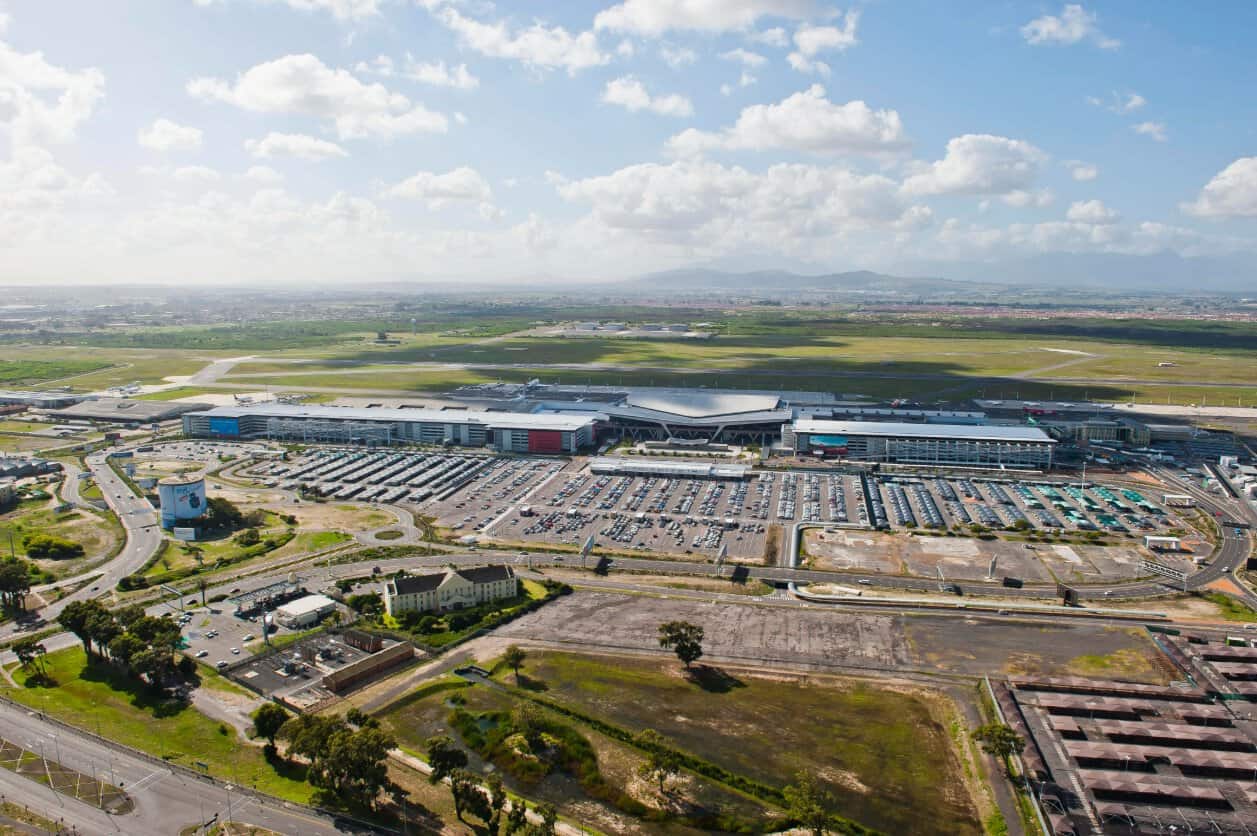
Tourism development in South Africa is developing in an unequal manner between airports and land border points, according to an analysis published by the Human Sciences Research Council on 2 October 2026. The results reveal increased activity at some entry points as well as a decrease at King Shaka International Airport. The analysis adds the regional road networks to an analysis that is usually focused only on international flights. In terms of tourism businesses and tourists, the question is about arrival points that have good transportation links and offer useful tourism services and spending opportunities.
New research puts entry routes under the spotlight
The Human Sciences Research Council, or HSRC, examines where tourists enter South Africa and how those gateways are changing. Its Spatial Insights Edition 21 analysis identifies contrasting performances across airports and land crossings.
Cape Town International Airport and OR Tambo International Airport recorded increases in the comparison presented. King Shaka International Airport recorded a decline, while selected land gateways grew. hsrc.ac.za
That finding adds geographical detail to the national tourism picture. An increase in total arrivals does not mean every entry point experiences the same demand.
Advertisement
Advertisement
Understanding South Africa tourism growth requires local detail
The publication is recent, but its release date does not establish that the movements occurred in October 2026. The accessible HSRC summary describes year-on-year changes without identifying the comparison period in its text.
The percentages are therefore excluded here. They should not become claims about current airport performance until the underlying dates and definitions are confirmed.
Advertisement
Advertisement
A gateway count also answers a different question from hotel occupancy, visitor spending or airline passenger traffic. Reading these measures together requires matching their periods and understanding what each institution counts.
What the official gateway findings establish
| Gateway | Direction reported by HSRC | What remains necessary for interpretation |
|---|---|---|
| Cape Town International Airport | Increase | Confirm the comparison period and tourist category |
| OR Tambo International Airport | Increase | Separate tourist arrivals from total passenger traffic |
| King Shaka International Airport | Decline | Establish the period before describing current conditions |
| Lebombo land crossing | Increase | Assess volumes alongside border-service requirements |
| Nerston land crossing | Strong percentage increase from a small base | Consider absolute numbers before judging capacity needs |
Source: HSRC, Spatial Insights Edition 21, published 2 October 2026. The table reproduces the direction of the findings, rather than presenting them as October arrival statistics. hsrc.ac.za
Advertisement
Advertisement
Land borders deserve attention alongside airports
HSRC identifies regional land gateways as important to tourism movements. Its analysis connects these corridors with questions about border capacity, transport connections, visitor services and destination investment.
For planners, the practical task is to examine the journey beyond the crossing. Useful information, onward transport and accessible accommodation can influence whether an entry route supports a wider visitor itinerary.
This is a planning implication, rather than evidence of completed investment. The publication does not demonstrate that spending on services has already followed the gateways recording growth.
Airport arrivals need careful interpretation
The contrasting airport findings should not be treated as a ranking of entire destinations. The HSRC summary does not explain why King Shaka declined or establish a corresponding fall in Durban hotel demand.
Advertisement
Advertisement
Likewise, an increase in tourists entering through an airport does not identify where they eventually stay. An entry point is one stage of a journey, rather than a complete measure of the destination economy.
For airlines and airports, the next analytical step is to compare matching periods across tourist arrivals, passenger movements and published operating data. That would help distinguish changes in visitor flows from broader aviation activity.
National recovery provides background
South Africa recorded approximately 8.9 million tourist arrivals in 2024, an increase of 5.1% from 2023. Statistics South Africa reported that this remained below the approximately 10.2 million recorded before the pandemic disrupted travel.
The agency’s 2024 tourism assessment provides historical context for the gateway debate. It shows why recovery should be examined through both national totals and the distribution of visitors. Statistics South Africa
Those annual figures are background, not the confirmed comparison period for the HSRC publication. The two datasets should not be merged into one growth calculation.
Visa reform addresses another part of the journey
Entry infrastructure is only one element of tourism access. South Africa has also introduced measures intended to make visa processing easier for selected visitors.
Advertisement
Advertisement
The Department of Tourism confirmed that the first phase of the Trusted Tour Operator Scheme began implementation on 12 February 2025. Approved operators could submit individual and group applications through a digital system.
The official announcement identified India and China as target markets. This is established policy background; the HSRC summary does not attribute its gateway findings to the scheme. tourism.gov.za
Business opportunities require evidence beyond arrivals
For hotels, tour operators and local businesses, gateway growth offers a reason to examine demand more closely. Relevant questions include where visitors stay, how they travel onwards and which services they purchase.
The HSRC summary does not quantify additional revenue, employment or foreign investment associated with each crossing. Assigning financial benefits to the reported increases would therefore go beyond its findings.
A stronger investment assessment would combine gateway volumes with accommodation demand, spending surveys and service-capacity evidence. That approach can help businesses judge opportunities without assuming every additional movement produces the same economic return.
What travellers should take from the report
The analysis introduces no new visa requirement, border restriction or airline service. It is research about movement patterns, rather than an operational travel notice.
Advertisement
Advertisement
Travellers should use current official entry information and confirmed transport arrangements when planning. A gateway showing growth does not guarantee shorter queues, additional flights or more convenient transfers.
For cross-border itineraries, the useful checks remain practical: entry eligibility, crossing arrangements and onward transport. The report strengthens the case for examining those services, but does not replace that preparation.
Traveller FAQs
Does the report describe October 2026 tourist arrivals?
That has not been established. October 2026 is the publication date; the comparison period must be verified separately.
Does the King Shaka finding mean flights have been reduced?
The HSRC summary does not establish a reduction in flights. Tourist-entry figures alone cannot confirm an airline schedule change.
Advertisement
Advertisement
Does this analysis change South African entry rules?
No entry-rule change is announced in the publication. Travellers must check the requirements applicable to their nationality and journey.
Gateway evidence should guide the next decisions
There is an updated analysis released by South African government indicating that tourism flow through its gateways does not have an equal rate of development. The most important conclusion is based on the geographic criterion that airports and land border gates should be evaluated separately while analyzing the needs of visitors. In terms of business interests, this analysis provides a point from which to start considering issues concerning transportation, accommodation, and the demands of particular regions. This information does not imply any generation of new income or job creation or investments into infrastructure development. Travelers should rely on current entry and transportation data.
Official Sources
The three official source pages are linked within the article above.
- Human Sciences Research Council — Spatial Insights Edition 21, published 2 October 2026.
- Statistics South Africa — Fewer Travellers, More Tourists: SA Sees Shift in Visitor Trends.
- Department of Tourism, South Africa — Visa regime enhancements, published 12 February 2025.
Advertisement
