
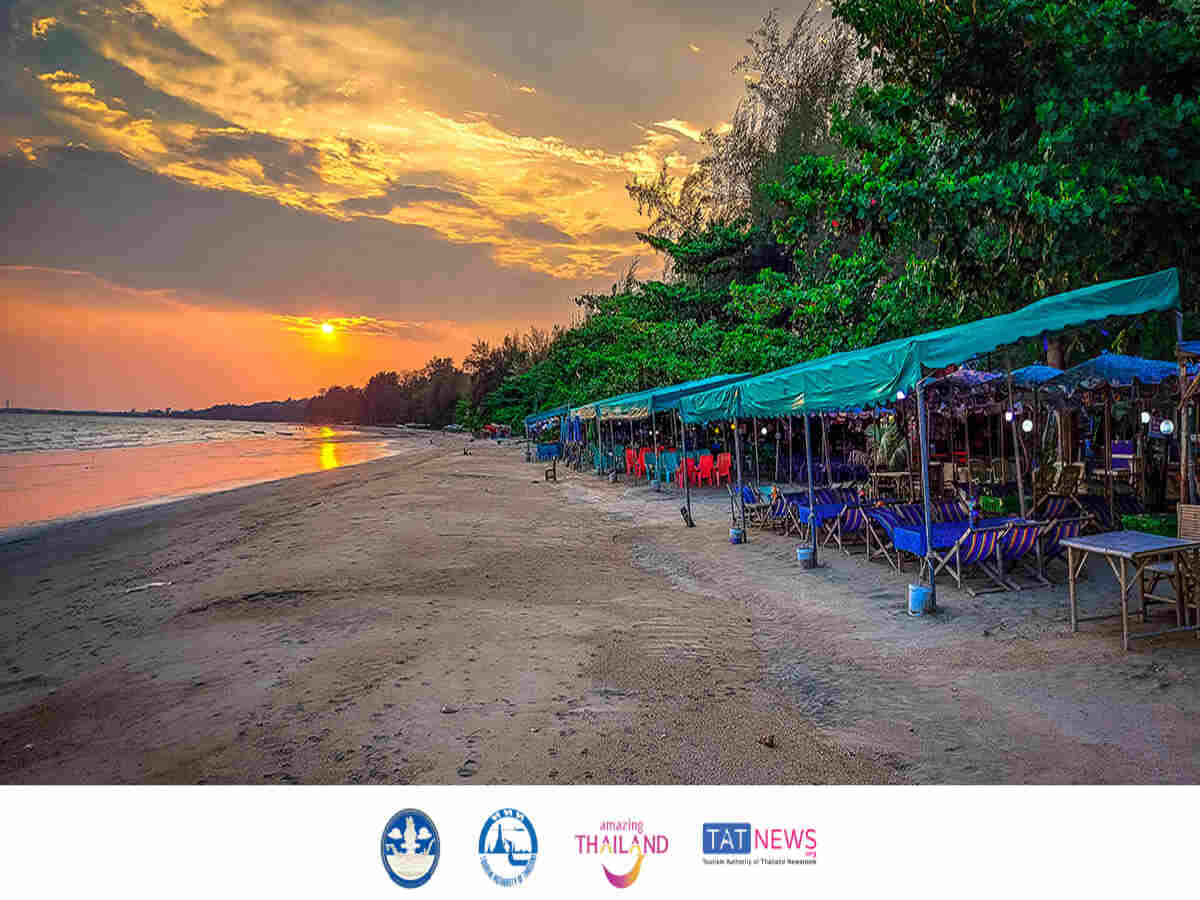
Thailand stands out in Gen Z travel as inexpensive vacations, cultural experiences entice Gen Z travelers around the world. Thailand is quickly emerging as the top choice of playground for Gen Z travelers due to its affordable vacations, cultural experiences, digitally-oriented lifestyle, and island escapes, which have propelled it ahead of numerous international competitors. In a ranking of Gen Z travel destinations, Thailand emerged as the top destination among Australia, Indonesia, Vietnam, and many other destinations.
The rise of Thailand is not happening because other destinations have lost their attraction. Vietnam continues to gain popularity, Indonesia remains a major youth tourism hub through Bali, Australia dominates adventure travel and New Zealand attracts nature lovers. However, Thailand has created a complete Gen Z travel formula where affordability meets culture, entertainment, nature and convenience.
Gen Z travellers are changing the global tourism industry. They are no longer only searching for famous landmarks or luxury holidays. They want authentic experiences, affordable journeys, local culture and destinations that can create memorable stories.
Thailand has successfully matched these expectations.
Advertisement
Advertisement
The country offers a combination that is difficult for competitors to copy:Thailand’s Gen Z Attraction Why Young Travellers Choose It Affordable travel costs Longer stays and more experiences within smaller budgets Island adventures Beaches, diving, surfing and island hopping Food culture Street food, markets and local culinary experiences Digital lifestyle Strong appeal for remote workers and online creators Cultural experiences Temples, festivals and traditional communities Nightlife and entertainment Strong youth-oriented experiences Easy connectivity International flights and regional travel links
Thailand’s advantage comes from offering many different travel styles in one destination. A young traveller can explore Bangkok’s urban energy, relax on Phuket’s beaches, discover Chiang Mai’s culture or experience island life in Krabi and Koh Samui.
This variety gives Thailand an edge over destinations that depend heavily on one major attraction.
Vietnam has become one of Asia’s fastest-growing destinations among young travellers. Its affordability, food culture, heritage sites and scenic landscapes have attracted backpackers and experience seekers.
However, Thailand has built a broader youth tourism ecosystem.
Vietnam’s strengths include:
Thailand matches these strengths while adding stronger global recognition in beach tourism, nightlife, wellness and entertainment.
For Gen Z travellers planning their first international trip, Thailand often feels easier to navigate. Bangkok is a major aviation hub, accommodation options cover every budget and tourism services are widely developed.
Vietnam remains a strong competitor, especially as international interest continues rising, but Thailand benefits from decades of youth tourism popularity and global visibility.
Indonesia’s position in Gen Z tourism has been strongly driven by Bali. The island has become famous for surfing, wellness retreats, cafés, digital nomad communities and cultural experiences.
Indonesia attracts young travellers through:
However, Thailand’s advantage is geographical variety within one tourism market.
While Bali remains a powerful global brand, Thailand offers multiple destinations with different identities.
Bangkok attracts urban explorers.
Phuket attracts beach travellers.
Chiang Mai attracts culture and wellness visitors.
Krabi attracts adventure seekers.
Koh Samui attracts travellers looking for premium island experiences.
This diversity allows Thailand to appeal to a wider range of Gen Z travellers.
Australia remains one of the world’s strongest destinations for young travellers because of its beaches, wildlife, road trips and adventure experiences.
The country offers:
However, affordability has become a major factor influencing Gen Z decisions.
Thailand provides many adventure experiences at significantly lower costs.
A young traveller can enjoy:
without the same financial pressure associated with some long-haul destinations.
Australia continues to attract higher-spending and longer-stay visitors, but Thailand has become a more accessible choice for budget-conscious Gen Z explorers.
Cambodia and Laos are emerging as attractive destinations for younger travellers searching for authentic experiences.
Cambodia attracts Gen Z through:
The country offers deep history and unique attractions, but its tourism infrastructure remains smaller compared with Thailand.
Laos represents the rise of slow travel.
Young travellers visit Laos for:
However, many Gen Z travellers combine Laos and Cambodia with Thailand because Thailand acts as the main regional gateway.
Thailand’s strong connectivity allows it to benefit from wider Southeast Asian travel movements.
The Philippines has become a major rival in tropical tourism.
Its biggest attractions include:
The Philippines offers some of the world’s most beautiful coastal landscapes.
However, Thailand maintains an advantage through its complete tourism infrastructure.
Travellers visiting Thailand can easily combine:
The Philippines remains a powerful beach destination, but Thailand provides more varied experiences within one journey.
New Zealand and Peru attract Gen Z travellers seeking adventure and bucket-list experiences.
Young visitors are attracted by:
Peru attracts travellers through:
Both countries provide extraordinary experiences.
However, distance and travel costs can limit accessibility.
Thailand’s advantage is that adventure does not require a large budget. Young travellers can experience nature, culture and exploration without the same financial barriers.
Morocco completes the Gen Z destination race through its unique cultural appeal.
Young travellers visit Morocco for:
Morocco offers something completely different from Southeast Asia.
However, Thailand’s combination of affordability, entertainment and natural attractions gives it stronger appeal among younger travellers seeking flexible holidays.
| Rank | Destination | Main Gen Z Attraction | Thailand’s Competitive Advantage |
|---|---|---|---|
| 1 | Thailand | Affordable adventures and culture | Complete travel ecosystem |
| 2 | Australia | Nature and adventure | Lower costs in Thailand |
| 3 | Indonesia | Bali lifestyle | More diverse destinations |
| 4 | Vietnam | Food and heritage | Stronger global tourism network |
| 5 | Cambodia | Ancient history | Wider experiences |
| 6 | Laos | Slow travel | Better connectivity |
| 7 | Peru | Adventure heritage | Easier access |
| 8 | Philippines | Island tourism | More varied travel options |
| 9 | New Zealand | Outdoor adventure | More affordable experiences |
| 10 | Morocco | Cultural exploration | Combination of culture and leisure |
Thailand’s success among Gen Z travellers comes from understanding what younger generations want from travel.
They want:
Thailand delivers all five.
The country has transformed from a traditional holiday destination into a global youth tourism powerhouse by combining affordable travel with culture, adventure and digital influence.
While Vietnam, Indonesia, Australia, New Zealand and other destinations continue competing strongly, Thailand’s ability to provide a complete travel experience is helping it lead the next generation of global tourism.
Thailand is the number one country for Gen Z travel because affordability, culture, beaches and unique experiences make Thailand an appealing destination for Gen Z travellers around the world.
For Gen Z travellers who wish to have fun and enjoy themselves without breaking the bank, Thailand is no longer a destination; it is a travel formula.
Advertisement
Advertisement
Advertisement













Sunday, September 6, 2026

Sunday, September 6, 2026

Sunday, September 6, 2026

Sunday, September 6, 2026

Sunday, September 6, 2026

Saturday, September 5, 2026

Sunday, September 6, 2026

Sunday, September 6, 2026



