
Łódź Redefines Autumn Travel With An Unstoppable Surge In Cultural Festivals And City Break Magic In Poland

Published
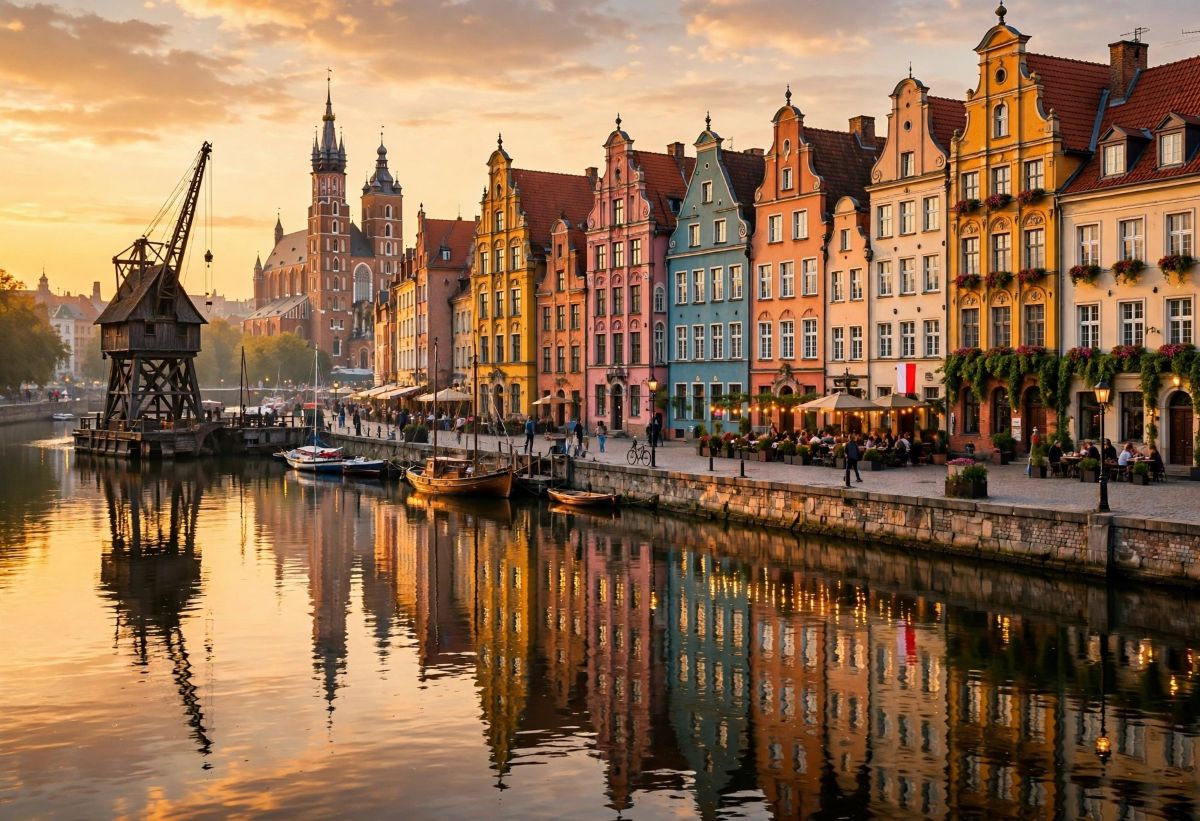
Creative energy combines with the cool air of autumn. For fall trips Poland has Lodz in their top destinations. When looking at 2026 Lodz was ranked highly compared to other cities. The increase in rooms booked has grown over 100% compared to past years with higher numbers than Warsaw, Wroclaw, Olsztyn, Poznan. Now Gdansk and Krakow have more bookings.
Surging Hospitality Analytics Reveal a Historical Shift in Polish Autumn Destination Rankings
Advertisement
Advertisement
Recent hospitality analytics revealed that Łódź secured the 3rd spot among Poland’s most preferred urban autumn destinations in 2026. Notably, this impressive performance placed the historic hub directly behind premier locations like Gdańsk and Kraków. Consequently, the rising destination managed to surpass traditional heavyweights, including Warsaw, Wrocław, Olsztyn, and Poznań. Industry experts reported that the municipality successfully climbed three positions compared with its standing from the previous year. Furthermore, overall accommodation reservations within the urban area experienced an astonishing 100% boost, effectively doubling its total visitor bookings during this specific period.
Furthermore, analysts underscored that autumn consistently serves as a remarkably potent season for local tourism, primarily driven by an exceptionally dense gathering of international cultural events. Guests from across the globe regularly flock to the city to attend the celebrated Light.Move.Festival., as well as the dynamic Great September showcase. Additionally, the region hosts the Łódź of Many Cultures Festival, alongside the renowned International Festival of Comics and Games. Visual media enthusiasts routinely gather for Kamera Akcja, whereas intellectual forums thrive during Freedom Games. Music production enthusiasts actively gather for Soundedit, while massive musical performances take place at the state-of-the-art Atlas Arena.
Advertisement
Advertisement
This massive surge in regional bookings illustrates a broader transformation within global tourism markets. Modern travelers increasingly favor culturally dense alternative destinations over traditionally overcrowded capital cities. By outperforming established metropolitan centers, Łódź demonstrates how specialized cultural programming directly accelerates hospitality revenues, shifts regional flight traffic, and reshapes global autumn travel itineraries.
Global Travel Impact of the Polish Autumn Tourism Boom
Advertisement
Advertisement
As international flight networks continue to expand, foreign visitors are actively seeking unique seasonal getaways across Central Europe. The remarkable surge in accommodation reservations within Poland signals a distinct shift toward vibrant cultural itineraries and away from conventional capital tours. Consequently, international airlines and regional transit operators are expected to reallocate direct routes and increase seat capacities to accommodate this burgeoning global demand. Travelers seeking immersive artistic experiences now recognize that secondary market destinations offer equal, if not superior, cultural value during the cooler shoulder seasons.
Moreover, the international travel sector benefits immensely from this diversification of visitor traffic. When global tourists spread out into dynamic regional centers, it relieves intense pressure on traditional international destinations while simultaneously expanding regional economic opportunities. International travel agencies, global tour operators, and boutique booking platforms are already adjusting their marketing strategies to feature these high-performing artistic hotspots. As global wanderers prioritize authentic community festivals, rich industrial heritage, and diverse artistic gatherings, Central European destinations are rapidly solidifying their status as essential fixtures on the world tourist map.
Phenomenal Autumn Growth Elevates the Regional Hospitality Landscape
The dramatic rise in lodging demand highlights how targeted cultural investment directly drives municipal economic development. Moving up three positions in a single year demonstrates that strategic event planning can rapidly alter consumer booking behavior. Local hospitality providers, boutique hotels, and international lodge chains are enjoying unprecedented occupancy rates throughout the traditional fall shoulder season. This doubling of overnight stays provides robust revenue streams, encouraging property developers to further invest in infrastructure, historic renovation, and sustainable guest facilities.
Simultaneously, the vast influx of visitors creates a highly lucrative ripple effect across neighboring auxiliary industries. Local restaurants, transportation networks, artisan markets, and retail districts benefit directly from the sustained presence of foreign and domestic vacationers. By establishing a dependable autumnal boom, local municipal authorities have created a resilient economic model that mitigates the traditional off-season dip experienced by many standard holiday destinations. This upward trajectory serves as a blueprint for secondary cities striving to build world-class tourism appeal.
Expanding Transportation Logistics and Aviation Infrastructure Across Central Europe
Advertisement
Advertisement
The rapid surge in international interest necessitates significant adjustments across international aviation and regional transit networks. Transportation planners report that increased passenger movement into Central Europe during autumn requires modernized railway linkages, expanded bus services, and optimized airport terminal operations. As foreign visitors seek seamless transfers between primary international entry points and regional cultural centers, transit providers are actively enhancing schedule frequencies. This infrastructure evolution ensures that incoming international travelers enjoy efficient connectivity across regional transit corridors.
Furthermore, long-haul flight operators and international logistics managers are taking note of changing consumer migration patterns during the shoulder season. Increased booking density encourages international carriers to evaluate direct flight routes to regional hubs, eliminating unnecessary layovers for foreign visitors. By aligning transit infrastructure with high-volume festival schedules, regional planners are successfully establishing sustainable transport models. These operational upgrades not only accommodate the seasonal surge but also lay the structural groundwork for permanent global accessibility.
Unmatched Event Rosters Position Łódź as a Global Cultural Capital
At the core of this seasonal transformation lies an extraordinary, jam-packed calendar of multi-disciplinary festivals. Millions of spectators marvel at the luminous displays during the Light.Move.Festival., while music industry professionals convene for new talent discovery at Great September. The celebration of diversity flourishes through the Łódź of Many Cultures Festival, matching the creative enthusiasm found at the International Festival of Comics and Games. Film connoisseurs engage with critical cinema during Kamera Akcja, while global thinkers exchange pioneering ideas throughout the Freedom Games.
In addition, audio engineers and music enthusiasts gather for technical mastery at Soundedit, while world-class entertainers regularly command the stage at the iconic Atlas Arena. This dense array of specialized gatherings guarantees that every visiting demographic finds tailored, unforgettable entertainment options. By seamlessly blending historic industrial charm with forward-thinking artistic showcases, the metropolis has successfully transformed its autumn season into an irresistible global attraction that will undoubtedly shape international travel trends for years to come.
Micro-Economic Multipliers: Quantifying Municipal Retail and Gastronomic Revenue Spikes
Advertisement
Advertisement
The economic ripple effects generated by incoming festival attendees extend far beyond primary overnight lodging facilities. When visitors arrive for multi-day cultural gatherings, direct consumer spending quickly trickles into independent neighborhood storefronts, local family-run eateries, regional artisan markets, and municipal service sectors. During major event weekends, average daily expenditure per visitor reaches an impressive PLN 320–PLN 450, significantly outperforming baseline off-season spending averages. This dramatic increase in consumer purchasing power provides local merchants with a substantial financial cushion right at the start of the traditional autumn economic slowdown.
Furthermore, multi-day artistic gatherings consistently drive a estimated 45% to 65% revenue surge for local dining establishments, cafes, and retail shops situated near core festival grounds. This direct injection of private capital yields important fiscal benefits for local government accounts as well. Municipal tax revenue generated during this peak seasonal window contributes an estimated PLN 12 million–PLN 18 million to municipal coffers. City leadership subsequently reinvests these tax dollars directly into local public infrastructure projects, road improvements, community green spaces, and neighborhood renewal projects that enhance long-term residential quality of life.
Logistics Modernization: Rail Corridor Dynamics and Regional Transit Scalability
Accommodating massive autumn visitor volumes requires sophisticated coordination across regional public transit corridors and state transportation networks. Inter-city rail operators experience an estimated 85% increase in passenger volume along high-frequency transit lines connecting major metropolitan hubs like Warsaw and Łódź during peak festival weekends. To meet this massive public transport surge, regional rail administrators regularly deploy over 200 additional daily rail seats specifically timed to coincide with high-traffic gatherings such as the Light.Move.Festival. and Soundedit.
Beyond inter-city train connections, internal municipal transit systems must scale rapidly to maintain smooth urban mobility and prevent downtown gridlock. The successful implementation of unified intermodal travel passes has streamlined passenger transfers between municipal buses, electric streetcars, and suburban commuter trains. This integrated ticketing approach reduces average passenger transfer delays by approximately 25% across local public bus and tram networks. By prioritizing public transit scalability, city planners effectively minimize private vehicle congestion, reduce urban carbon emissions, and ensure seamless mobility for foreign and domestic vacationers alike.
Revitalization of Industrial Heritage: Converting Post-Factory Precincts into High-Yield Tourism Hubs
Advertisement
Advertisement
The strategic transformation of historical industrial landmarks into cutting-edge cultural facilities serves as a core engine for municipal tourism growth. Historic textile complexes and post-factory precincts most notably iconic sites such as Manufaktura, EC1 Łódź, and Księży Młyn—have successfully reinvented themselves as world-class architectural and artistic destinations. Restored post-industrial districts record an extraordinary 110% growth in visitor foot traffic during the autumn event cycle, proving that historic adaptive reuse projects generate substantial long-term economic dividends.
Over 100,000 square meters of thoughtfully repurposed historical space now host dynamic art exhibitions, interactive science museums, technology conventions, and live entertainment stages. Municipal investments in historical preservation yield an impressive 3.5x financial return relative to initial urban renewal expenditures. By converting historical industrial architecture into vibrant modern cultural centers, city planners have established a highly effective blueprint for sustainable urban regeneration that preserves local historic character while driving robust commercial activity.
Shifts in Global Source Markets: Demographic Breakdown of Inbound European Visitors
Analyses of seasonal demographic shifts highlight an increasingly international audience arriving in Poland during shoulder-season months. Visitors from neighboring European nations account for a major share of foreign arrivals, with Germany representing 21% of foreign attendees, followed by the United Kingdom at 12%, the Czech Republic at 8%, and Scandinavia contributing 6%. Concurrently, short-haul flight bookings originating from Western European aviation hubs increase by an estimated 38% year-over-year as regional air carriers adjust route schedules to capture seasonal holiday demand.
This influx of foreign guests also reflects a distinct demographic shift toward younger, highly mobile experience-seekers. Travelers aged 24–42 years old account for 62% of all festival-driven overnight stays, prioritizing destinations that feature rich community arts, vibrant night-time events, and authentic local heritage over conventional sightseeing routes. By appealing directly to this active demographic, regional tourism authorities are cultivating brand loyalty among a new generation of global travelers who are likely to return for future visits.
Hospitality Inventory Diversification: Alternative Short-Term Lodging vs. Traditional Hotel Capacity
Advertisement
Advertisement
The dramatic doubling of overnight lodging bookings during the fall season creates significant demand across all segments of the hospitality sector. Revenue Per Available Room (RevPAR) across regional hotels climbs to an extraordinary 92% occupancy rate during peak event weekends, sharply outpacing the overall national autumn benchmark of 68%. To manage overflow demand that exceeds traditional hotel inventory, the short-term apartment rental market expands by 120%, allowing residential property owners and boutique hospitality operators to participate directly in the local tourism economy.
Simultaneously, the duration of guest stays continues to lengthen as visitors engage with multi-day event programming. The Average Length of Stay (ALOS) increases from a standard weekend trip of 1.5 nights up to 3.2 nights per visitor. This extended duration generates higher overall spending across local accommodation providers, dining venues, and cultural sites, solidifying the shoulder season as a reliable source of sustained commercial revenue.
Sustainability and Environmental Capacity: Managing Urban Carrying Limits During Peak Festivals
Managing large visitor gatherings requires rigorous green municipal management strategies to preserve urban environmental quality and safeguard residential neighborhoods. To minimize environmental impacts during major events like the Łódź of Many Cultures Festival, municipal transit agencies deploy fleets of zero-emission electric bus shuttles to transport attendees to major venues like the Atlas Arena, achieving a 30% reduction in festival-related carbon emissions.
Additionally, municipal authorities implement comprehensive crowd-routing protocols and green-space protection measures to manage high-density crowds reaching up to 400,000 unique visitors across key festival zones without degrading public parklands. Energy efficiency remains a paramount operational focus; during large-scale public installations such as the Light.Move.Festival., approximately 90% of all architectural illumination and visual displays operate on low-energy LED technology powered by renewable micro-grids. These measures ensure that massive cultural gatherings remain environmentally sustainable over the long term.
MICE Sector Acceleration: Corporate Meetings and Intellectual Tourism Synergy
Advertisement
Advertisement
High-profile public gatherings create valuable synergies with the Meetings, Incentives, Conferences, and Exhibitions (MICE) sector. Major intellectual forums like Freedom Games and specialized media conventions like Kamera Akcja attract corporate executives, thought leaders, and industry professionals from across the globe. Corporate conference attendance increases by 40% during the autumn season, effectively converting cultural festivals into high-value professional networking conventions.
This integration of business and leisure travel delivers substantial financial yields for the local hospitality sector. Business travelers staying for corporate conventions generate 35% higher average revenue per room compared to standard leisure guests. Furthermore, host venues and municipal conference facilities accommodate over 250 international speakers and delegates during the fall convention calendar, elevating the city’s global profile as a premier European hub for corporate knowledge exchange and innovation.
Digital Content Tourism: Social Media Multipliers and Destination Marketing ROI
Viral digital content creation and social media engagement serve as powerful catalysts for expanding global destination awareness. User-generated photos, video clips, and live event streams produced during autumn festivals generate over 150 million social media impressions across major international digital platforms. This massive organic digital reach introduces global audiences to the city’s unique architectural heritage and vibrant artistic offerings without requiring traditional multi-million-dollar promotional campaigns.
Consequently, destination awareness scores among targeted Western European consumer markets increase by 48%, driving strong interest among potential first-time visitors. Independent media analysts calculate that this digital exposure produces an estimated €8.5 million in Earned Media Value (EMV). By leveraging organic visual media coverage, municipal tourism boards successfully position secondary urban markets as top-tier travel destinations on the international stage.
The Final Verdict
With leaf fall in Łódź, there is no denying that the city has moved beyond simply being a destination on the map, to now being an irreplaceable experience. The fantastic energy of the crowds, the festivals and the magic of autumn stay with you long after the last note has been played. Łódź has now surpassed all other major Polish attractions and welcomes double the amount of visitors. The modern day travel enchantment is to be found in beautiful underappreciated locations that have the ability to really touch your soul. This year, Łódź wasn’t just hosting travel enthusiasts, it captured their hearts.
Advertisement
