
Rio de Janeiro Brazil Turns Into a Citywide Cinema Wonderland This October

Published
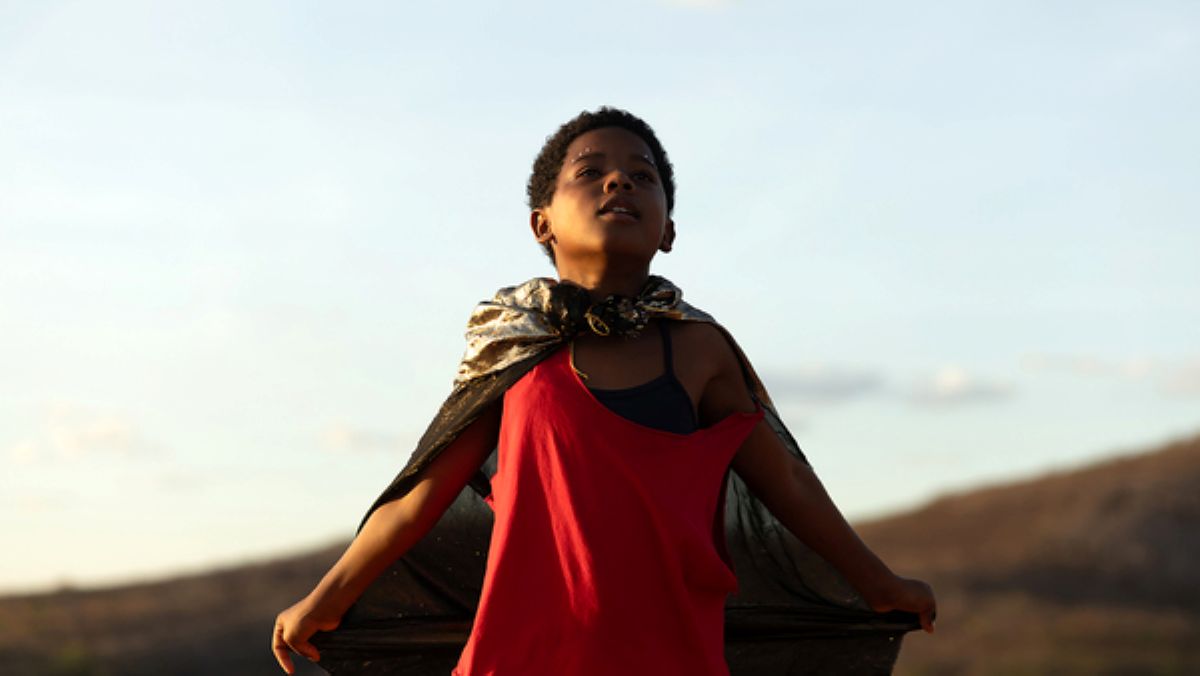
image credit: festivaldorio
Rio de Janeiro will become a city of films, voices and fresh ideas from 1 to 11 October 2026. Festival do Rio returns for its twenty-eighth edition with Brazilian and international cinema across the city. The event is much more than a series of screenings. It is a major cultural moment. It brings film-makers, actors, students, industry leaders and visitors into Rio’s cinemas, streets and historic spaces. For travellers, it offers a new reason to see the city. Rio is famous for beaches, mountains and Carnival. In October, it will also offer a citywide cinema journey. Visitors can watch new films, meet creative people, explore different neighbourhoods and discover a deeper side of Brazil’s cultural capital.
Festival do Rio Brings Cinema Across the City
Festival do Rio will run for eleven days. It will not stay in one cinema or one district. This is important. The programme stretches from central Rio to Gávea, Botafogo, the port area, Realengo and Ilha do Governador. That makes the festival a strong city-break experience. It encourages visitors to move beyond the usual tourist map. They can watch a film in the historic centre. They can visit a museum near the port. They can eat in Botafogo or spend an evening in Gávea. The event helps Rio show many faces at once. The official programme includes gala screenings at Cine Odeon in Cinelândia. It also uses Estação Claro Gávea, Estação Claro Rio, Cinesystem Botafogo and a cinema at Fundação Getulio Vargas. The festival also reaches public cinema spaces in Parque de Realengo and Ilha do Governador. This wider approach makes cinema more open to the city. It also gives visitors a richer way to travel through Rio.
Première Brasil Puts Brazilian Film in the Spotlight
The heart of the 2026 festival is Première Brasil. This is the leading showcase for Brazilian film. It brings together new work from established directors and rising voices. The official selection shows the scale of the programme. Festival do Rio received 414 feature-film submissions and 1,012 short-film submissions. It selected 110 films. Forty-five of these will compete for the Troféu Redentor awards. Fifteen feature films will receive world premieres. The selection also includes five Brazilian series. These numbers show that Festival do Rio is not a small local event. It is a major stage for Brazilian storytelling. The films cover fiction, documentary, short films, social stories, music, culture and family life. They show the many ways Brazil sees itself. For visitors, this gives a rare chance to watch films at the moment they first meet the public. A holiday in Rio can become an entry point into modern Brazilian culture.
Advertisement
Advertisement
New Films Bring New Voices to Rio
The Première Brasil programme has many sections. Competition films will compete for the Troféu Redentor. Hors Concours screenings will present films outside the competition. Hors Concours Especial will bring important older films back to cinema screens in restored copies. Retratos will focus on documentaries about key people in Brazilian culture and society. O Estado das Coisas will look at human, social and political questions. Midnight Movies will give space to bolder films and more unusual genres. This structure matters because it gives many kinds of film a home. It does not only celebrate star names. It gives room to new directors, documentary makers and stories that may not fit a simple formula. The 2026 edition also introduces Nova Geração, a section for young people and families. Six films will form the selection. Allan Deberton’s Feito Pipa, chosen to represent Brazil in the international feature-film category for the 2027 Academy Awards, will screen out of competition in this section. This gives the festival a global talking point while keeping the focus on Brazilian cinema.
Advertisement
Advertisement
Cine Odeon Gives the Festival a Grand Centrepiece
Cine Odeon – Centro Cultural Luiz Severiano Ribeiro in Cinelândia will host important gala screenings, including the opening and closing ceremonies. The cinema gives the festival a grand central stage. Cinelândia is already one of Rio’s best-known cultural areas. It is close to theatres, public buildings and historic streets. During the festival, it becomes a place where film culture meets city life. The gala events can attract visitors who want a special evening in Rio. Yet the festival is not only about red carpets. Films shown in competition at Estação Claro Gávea will screen the next day at lower-cost sessions with debates at Cine Odeon. This is a strong public-access idea. It lets more people see major films and hear from the people who made them. The festival turns a cinema ticket into a conversation. It helps audiences understand how a film was created and why its story matters.
Armazém da Utopia Turns the Port Into a Creative Hub
The main festival and RioMarket base will be Armazém da Utopia, a historic warehouse at Armazém Six in Cais do Porto. The space covers five thousand square metres. It will host screenings, discussions, workshops, seminars, social events, press conferences and festival offices. This gives the port area a big role in the event. The area is close to the Museum of Tomorrow, AquaRio, Rio Art Museum and the City of Samba. Visitors can make a full cultural day in this part of Rio. They can see a museum in the morning, visit the festival in the afternoon and enjoy the waterfront area in the evening. The VLT tram also links the port district with Cine Odeon in Cinelândia. This makes the festival easier to connect with a wider city itinerary. It also shows how culture can help visitors discover spaces beyond the beach.
RioMarket Adds a Global Business Travel Story
Festival do Rio also has a major industry side. RioMarket will run from 1 to 10 October. It will bring together audiovisual executives, creators, students and professionals from Brazil and other countries. The programme will include panels, seminars, workshops, meetings and networking. Free registration is available through the RioMarket platform. This creates a second tourism story. The festival is not only for people who watch films. It is also for people who make them, sell them, fund them and promote them. Hotel stays, meetings, restaurants and transport all benefit when industry visitors arrive. South Korea will be a special focus on 2 October. The day will include panels and a screening of The Ghost Game. This gives the event an international business angle and creates new links between Brazil and global screen industries.
Festival do Rio Helps More People Reach Cinema
One of the most important parts of the 2026 programme is its reach beyond commercial cinemas. Festival do Rio will screen special programming at cinemas run by the city’s Cine Carioca circuit. These include venues in Parque de Realengo and the Areninha Cultural Renato Russo on Ilha do Governador. This means the festival does not only serve central and wealthy areas. It moves into different parts of the city. This is good for local audiences. It is also good for tourism. Visitors who travel with care can see a more complete Rio. They can understand that culture is not limited to one beachfront district or one famous postcard view. The festival gives Rio a chance to present itself as a city of many communities, stories and creative voices.
A Powerful October Reason to Visit Rio
Festival do Rio offers a strong reason to visit Rio de Janeiro in October 2026. It joins film, culture, business and city exploration. Visitors can watch Brazilian premieres, see international work, join debates and explore districts that many short-stay travellers miss. The festival has been part of Rio’s cultural life since 1999 and has shown more than seven thousand national and international feature films. Its twenty-eighth edition now builds on that legacy with a programme that reaches across the city. Rio’s October cinema journey will be bright, busy and full of discovery. For travellers, it is a chance to see the city not only through its famous views, but through the stories it chooses to put on screen.
Advertisement
