
Delta Air Lines Flight DL671, an Airbus A321neo from Salt Lake City to New York Diverts to Detroit Metropolitan Wayne County Airport, United States on 28 July: What You Need To Know About Your Travel

Published
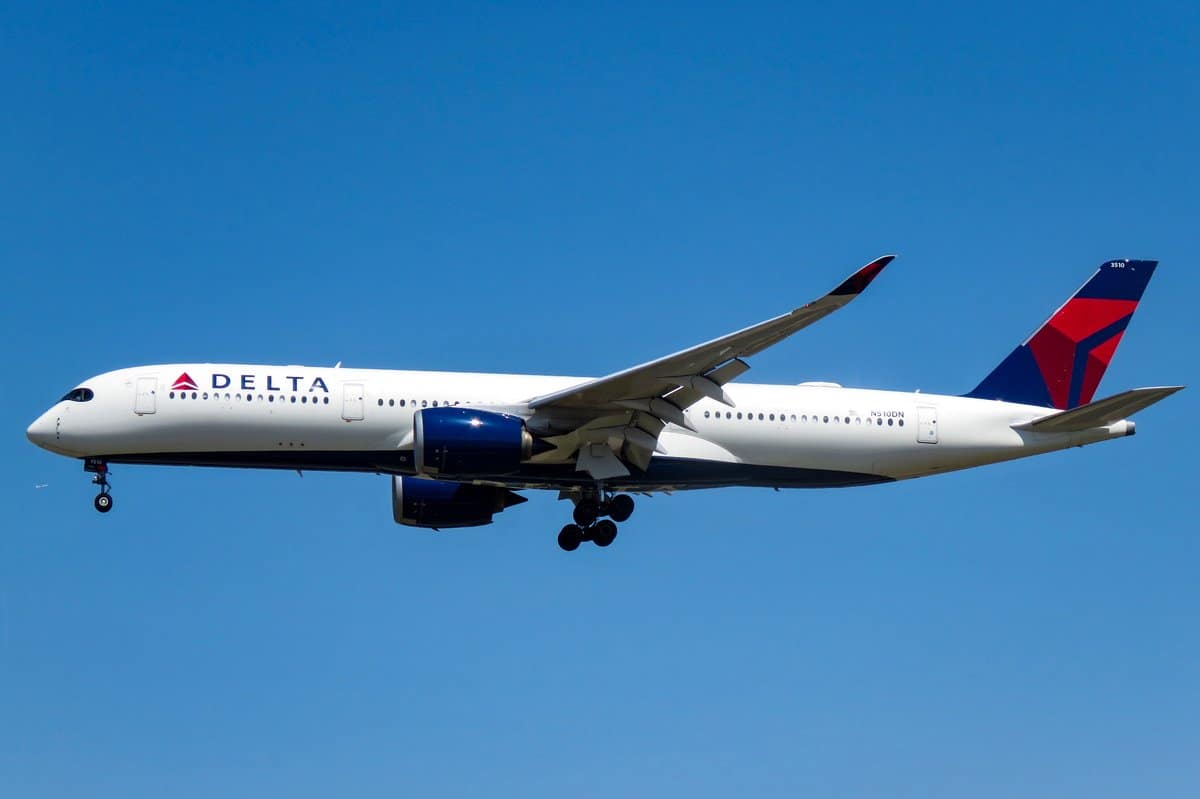
Image generated with Ai
Delta Air Lines Flight DL671, an Airbus A321neo traveling from Salt Lake City to New York, diverted to Detroit Metropolitan Wayne County Airport, United States on 28 July. Here is what you need to know about your travel.
Passengers expecting a smooth cross-country travel journey faced an unexpected airborne detour. Flight DL671, operated by Delta Air Lines using an advanced Airbus A321neo twin-engine aircraft, departed Salt Lake City bound for New York’s John F. Kennedy International Airport on 28 July 2026. However, the flight diverted mid-route directly to Detroit Metropolitan Wayne County Airport in the United States. Operations teams quickly managed the situation upon landing safely in Michigan. Travelers affected by this disruption received immediate ground support, updated travel itineraries, and clear guidance regarding their onward travel connections to New York.
Advertisement
Advertisement
On 28 July 2026, Delta Air Lines flight DL671, operated by an Airbus A321neo (registration N521DT) from Salt Lake City (SLC) to New York (JFK), diverted to Detroit Metropolitan Wayne County Airport (DTW) mid-journey. Flight diversions are standard aviation safety procedures triggered by severe destination weather, inflight medical emergencies, air traffic control congestion, or minor technical alerts.
What Occurred During Delta Air Lines Flight DL671?
Delta Air Lines flight DL671 departed Salt Lake City International Airport at 15:22 local time, carrying passengers bound for New York’s John F. Kennedy International Airport aboard a modern Airbus A321neo aircraft bearing registration N521DT. Whilst traversing the airspace over the American Midwest, the flight crew made the operational decision to alter their original flight plan and direct the twin-engine jet towards Detroit Metropolitan Wayne County Airport instead. The aircraft touched down safely in Detroit at 20:38 EDT, allowing ground crews to attend to the operational requirement before the service eventually resumed its cross-country journey towards the East Coast.
Advertisement
Advertisement
Unplanned route changes of this nature highlight the dynamic decision-making environment that flight crews face daily within commercial aviation network operations. When unexpected variables arise mid-flight, captains coordinate directly with airline dispatchers and regional air traffic control centres to select the safest and most efficient alternative airport available along their route.
Advertisement
Advertisement
Why Do Commercial Aircraft Divert Mid-Flight?
Flight diversions serve as an essential safety valve within the international aviation industry, ensuring that potential hazards are addressed long before they can threaten aircraft safety or passenger well-being. The primary causes for unscheduled landings include severe convective weather cells, sudden passenger medical incidents, minor technical sensor alerts, or severe air traffic congestion that exhausts calculated contingency fuel reserves. Air carriers establish predefined contingency plans for every route, enabling flight crews to seamlessly redirect an aircraft to a designated hub equipped with suitable runway infrastructure and support facilities.
Choosing an optimal diversion airport requires pilots to balance several factors, including local runway length, current weather conditions, available passenger facilities, and on-site engineering capabilities. Major airline hubs like Detroit offer extensive technical maintenance staff and terminal amenities, making them ideal landing locations when cross-country flights require an unexpected operational pause.
How Do Airlines Assist Passengers During Diversions?

Image generated with Ai
When an aircraft lands at an unscheduled location, airline station staff immediately initiate passenger care protocols to manage logistics, ground transportation, and onward flight connections efficiently. Terminal teams handle essential needs such as re-catering the cabin, coordinating medical response teams if necessary, arranging refuelling operations, and issuing updated boarding passes for delayed onward segments. If an unscheduled stop requires an overnight delay due to flight crew duty time limits, air carriers systematically arrange hotel accommodation, meal vouchers, and local ground transport for affected travellers.
Advertisement
Advertisement
Modern airline operations control centres rely on automated monitoring software to rebook connecting flights automatically, minimizing airport queues and keeping passengers informed via digital mobile notifications. By maintaining transparent communication throughout the operational disruption, airlines help passengers navigate unexpected travel delays whilst prioritizing flight safety above all else.
The primary cause for this unexpected travel diversion stems from dynamic operational protocols designed to prioritize passenger safety above all else. When unexpected variables—such as severe destination weather, severe air traffic congestion, medical needs, or technical indications—arise en route, flight crews must respond instantly. The logical answer to this disruption was redirecting the Airbus A321neo to a major airline hub. Choosing Detroit Metropolitan Wayne County Airport provided an ideal landing location because the facility offers extensive engineering support, available gate staff, and rapid refuelling capabilities, ensuring the safest possible outcome for everyone on board.
In summary, the decision to divert Flight DL671 on 28 July 2026 underscores the continuous safety vigilance governing modern air travel. While unscheduled landings cause undeniable frustration for passengers traveling from Salt Lake City to New York, established airline protocols ensure that aircraft incidents are handled with maximum efficiency. By redirecting the Airbus A321neo to Detroit Metropolitan Wayne County Airport in the United States, crew members successfully mitigated potential inflight hazards. Passengers ultimately reached their final destination safely, demonstrating how air carriers prioritize operational integrity and passenger well-being above original arrival schedules during unexpected mid-air disruptions.
Advertisement
