

Germany Closes Oktoberfest as Europe’s Autumn Festivals Keep the Travel Season Roaring

Published
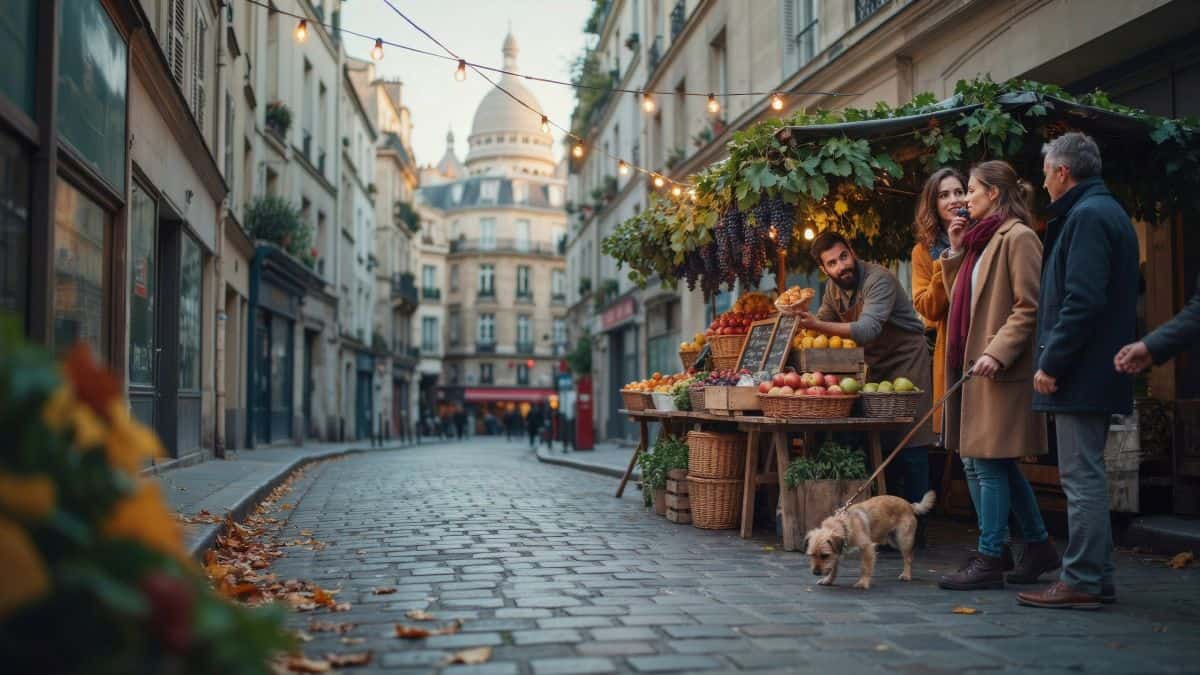
The autumn festival calendar for Europe is not over yet even after Oktoberfest. With Oktoberfest having come to an end in Munich, there are many other festivals taking place throughout Europe in the months of October, November, and December. Paris offers travelers a chance to experience the Montmartre harvest festivity.
Oktoberfest’s Record Ends but Europe’s Festival Season Continues
Oktoberfest ran for 16 days, ending on Sunday 4 October. Munich’s preliminary report estimates that around 7.4 million people visited the Theresienwiese. The previous year’s figure was 6.5 million.
The number makes this year’s festival a record by attendance. But it does not mean that 7.4 million international tourists travelled to Munich. The city’s report says most visitors came from Munich or nearby areas. Among international guests, the largest groups came from the United States, Italy and Austria. The available mobile-phone data still needed further analysis.
This distinction matters. A festival crowd can include local residents, day visitors and people staying overnight. Those groups create different effects for hotels, restaurants and transport services.
Advertisement
Advertisement
Now that Oktoberfest has closed, other European events offer a new story. The focus can shift from one huge gathering to a wider calendar of experiences. Paris, Alba, Zaragoza, Stuttgart and Bremen show how different places celebrate the autumn months.
Europe’s Autumn Events Offer More Than One Kind of Trip
The five festivals vary in both length and style. Montmartre’s celebration lasts five days. Zaragoza’s city festival runs for nine days. Stuttgart’s Volksfest continues until 11 October. Bremen’s fair opens on 16 October and runs into November. Alba’s White Truffle World Market operates on weekends until 6 December.
Advertisement
Advertisement
That spread gives travellers a choice of experiences. Some may plan a short city break around a concert or cultural event. Others may prefer a food market or a family visit to a fairground. Alba’s market also gives visitors several weekends to plan around, rather than one short festival window.
The wider tourism picture supports the relevance of an autumn travel story. Eurostat reports that 31.1 per cent of EU tourist accommodation nights in 2025 fell in July and August. It also found that tourism nights across the EU rose by 3 per cent in the fourth quarter of 2025 compared with the same quarter a year earlier. These figures describe wider travel patterns. They do not prove that festivals caused the increase.
Advertisement
Advertisement
Paris Brings Music and Harvest Heritage to Montmartre
Paris’s 18th arrondissement will host the 93rd Fête des Vendanges de Montmartre from 7 to 11 October. This year’s theme is music, which the local authority presents as a force that brings people together.
The programme will spread across the neighbourhood and include concerts, performances, cultural activities, food experiences and events. That gives visitors a chance to see more than one stage or venue during a stay. The celebration also connects with a local harvest tradition. The municipality reports that workers picked 1,329 kilograms of grapes from the Clos Montmartre vineyard on 17 September.
This gives the Paris section a clear angle: a major city can invite visitors to explore a particular neighbourhood through its traditions and cultural life. The story can explain how cafés, food traders and local venues may benefit when visitors spend time in the area. But without local turnover data, the article should describe these as potential benefits, not proven revenue gains.
Alba Turns Autumn Food into a Longer Visitor Experience
In Italy, Alba’s White Truffle World Market offers one of the longest festival experiences in this group. The market opens on Saturdays and Sundays from 10 October to 6 December 2026.
Advertisement
Advertisement
The event takes place in Alba’s historic centre. Visitors can find white truffles from local hunters and traders, regional food products, wines from Langhe, Monferrato and Roero, and dishes made with truffles. The organiser says a quality commission checks the truffles sold at the market.
The market also offers a useful example of food tourism linked with local producers and cultural attractions. An online ticket costs €6, plus booking and service fees, and includes admission to the market and the MUDET truffle museum. An onsite ticket costs €6 but does not include the museum. Children aged 15 or younger and people with disabilities, plus one companion, enter free. Visitors should check the organiser’s terms before booking.
The long calendar creates several possible weekends for a visit. It does not prove that the event draws more tourists than in previous years. The article can instead show how a regional food event gives visitors more reasons to plan an autumn trip.
Zaragoza Spreads Its Festival Across the City
Zaragoza will celebrate the Fiestas del Pilar from 10 to 18 October. The city council describes the 2026 programme as open, accessible and spread across different locations.
New elements include a craft market in Plaza de Aragón and a stage for traditional music in Plaza Salamero. The schedule also includes performances, family events, music and cultural activities in several parts of the city. The flower offering on 12 October remains a central tradition. The city’s programme lists 99,980 people in 994 organised groups, as well as individual participants. That is a planned programme figure, not a final count of visitors or foreign tourists.
The article can examine whether festivals with more venues help visitors explore a wider area. That is a question to investigate, not a confirmed economic result. The city says the tram will run around the clock during the celebrations. It also recommends public transport and advises travellers to check service information before setting out.
Advertisement
Advertisement
Stuttgart Keeps the Fairground Story Going
The Cannstatter Volksfest in Stuttgart began on 25 September and ends on 11 October. It is still running as of 6 October, so visitors have a limited window to attend.
The festival organiser’s midpoint report, published on 4 October, described feedback from fairground operators and tent businesses as positive. It also noted strong crowds on 3 October, Germany’s Unity Day. The programme lists a family day on 7 October. A musical fireworks display is scheduled for the closing day.
The city’s transport guidance makes this a practical destination for travellers. Parking is unavailable at the festival area and around NeckarPark during the event. The U11 light-rail line links Stuttgart’s main railway station with the Cannstatter Wasen every six to 15 minutes. S1, S2 and S3 services also reach Bad Cannstatt.
This gives readers a clear point of difference from Munich: Stuttgart still has days left on its calendar, along with specific family and closing events. But the midpoint report does not provide a final attendance total. Avoid calling this year’s Volksfest a record.
Bremen Extends the Calendar into November
The Freimarkt in Bremen runs from 16 October to 1 November. The organisers describe it as one of Germany’s oldest fairs and say it takes place across two locations: the main fairground on Bürgerweide and the smaller market in the city centre.
The event combines rides with market stalls and traditional food. The official event site says the Bürgerweide area is more than 100,000 square metres, with around 300 showpeople and about 50 rides. It gives an estimated annual visitor figure of around 1.5 million. This is a general figure, not a confirmed attendance forecast for 2026.
Advertisement
Advertisement
Bremen also offers a practical arrival detail. The city’s accessibility information says the fairground is about 80 metres from the rear exit of the central railway station. It lists assessments of selected rides, food stalls and other facilities. Travellers with access needs should check those details for the specific facilities they plan to use.
Bremen gives the article a later festival date than Stuttgart. It also shows how a large fairground event can sit close to a main railway station and a city-centre market.
Autumn Tourism Data Needs Careful Reading
Recent tourism data provides context, but it should not be used to claim that these festivals have already produced a boom.
Eurostat says tourists booked 258.8 million nights in EU short-term rental accommodation through platforms such as Airbnb, Booking and Expedia between April and June 2026. That figure was 5.3 per cent higher than in the same quarter of 2025. It covers the whole EU and a specific type of accommodation. It does not measure hotel demand in the five festival cities.
The European Travel Commission reported that 81 per cent of people in its surveyed European markets intended to travel between June and November 2026. The research covered ten source markets and the full period from early summer through late autumn. It does not say that these travellers planned to attend festivals.
These figures can explain why autumn is relevant to travel planning. They cannot prove that festival visitors are booking extra nights or spending more. Stronger claims would need event-specific evidence, such as hotel stays, visitor surveys or local business data.
Advertisement
Advertisement
Why This Festival Calendar Matters to Travellers and Cities
The events show several ways European destinations can present an autumn break. Paris offers music and neighbourhood heritage. Alba links regional food with wine and museum visits. Zaragoza combines religious and civic traditions with a wide programme. Stuttgart and Bremen bring rides, tents and family activities.
These differences can help travellers choose a break that suits their interests. They can also give tourism businesses a reason to promote visits beyond peak summer. Hotels, restaurants, local shops and transport operators may gain customers when visitors attend an event. However, the scale of any gain depends on how many people travel, how long they stay and where they spend their money.
There is also a local dimension. A festival can bring crowds, demand for public transport and temporary changes for residents. Stuttgart’s parking limits and crowd management, alongside Zaragoza’s transport advice, illustrate why event planning matters to both visitors and host communities.
For destinations, the next question is not simply how many people entered a festival. It is whether the event encourages overnight stays, supports local businesses and remains manageable for residents.
What Travellers Should Check Before Booking
Despite Oktoberfest being closed in Germany, the autumn festivals in Europe continue to provide fresh opportunities for tourists to plan their trips. While Oktoberfest is already over in Munich since 4th of October, there are still many other festivals to visit throughout Europe that will make one feel the festive spirit of the harvest season. There are festivals of wines in Montmartre organized in Paris as well as truffle festival in Alba. Flowers and music festivity takes place in Zaragoza and the Stuttgart Fair will be on till 11th October and Bremen will hold Freimarkt starting from 16th of October.
Advertisement
