
South Africa Airport Transfers Take Centre Stage in Switzerland’s Travel Safety Advice

Published
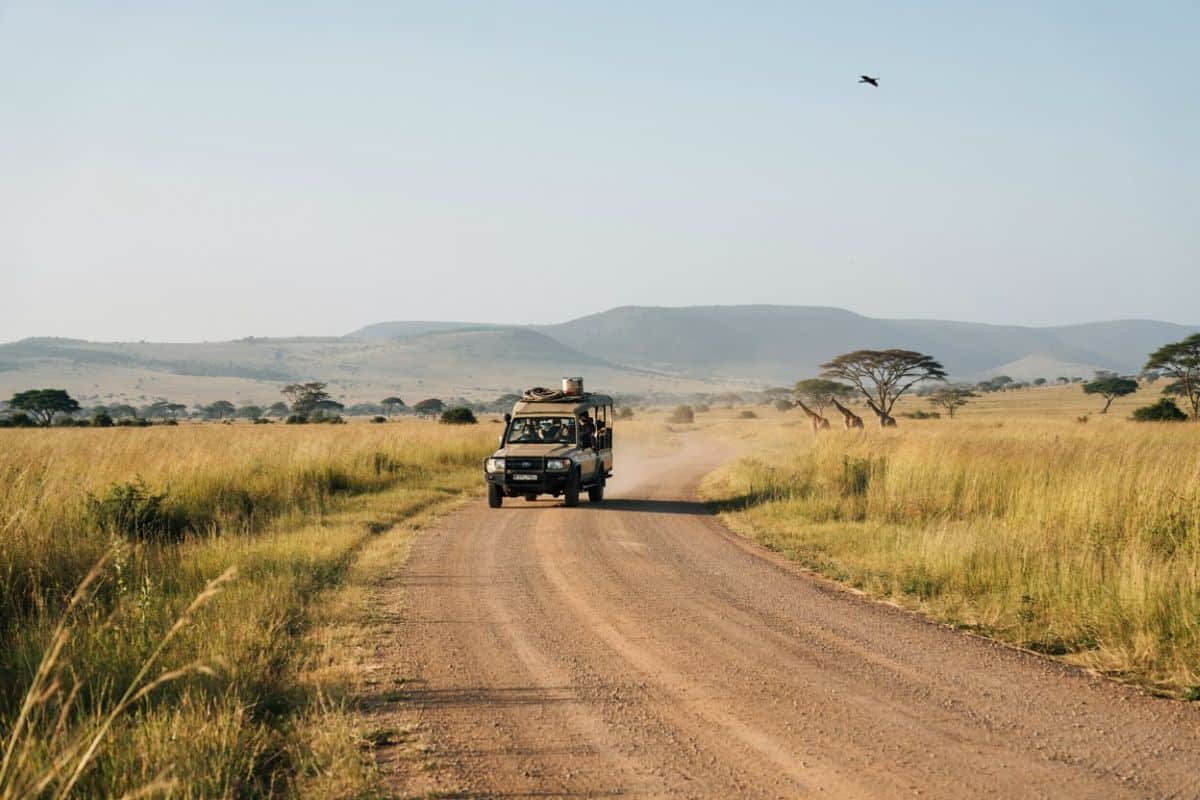
Image generated with Ai
There is no single warning that is posted by Switzerland’s Africa travel advice for the entire continent. Instead, this provides an example of why each tourist route must be examined separately. Different government administrations mark the Lamu region with various borders, hence, there is a chance that travelers may receive various warnings for similar regions. In Mozambique, the province and district borders may influence the interpretation of travel warnings. For Uganda and Rwanda, the traveler will be warned about the borders and at the same time get some practical information concerning the national parks. It is important to mention that South Africa introduces an additional feature – the warning concerning the airport journey.
Why Switzerland’s Africa Advice Needs a Closer Look
Swiss advice is country-specific. It identifies places where extra care is needed and, in some cases, advises against travel to named areas. The Swiss foreign ministry explains that these notices give security guidance. They do not cover every event or replace local information. Travellers remain responsible for preparing their journeys and following local authorities’ instructions.
This creates a practical story. A holiday may include a city stay, a safari, an island visit and a road transfer. Each part can have a different risk profile. A national warning can also exclude or treat some districts differently. Readers need to know where an advisory applies, when it was last published and what it means for the route they plan to take.
What the Swiss Notices Say About Africa
The reviewed notices do not show one new warning applied across Africa. Their publication dates range from August 2025 to August 2026. Their focus also varies. Kenya’s May 2026 notice says that small adjustments did not change its assessment. Uganda’s February notice says that removing an election update did not change its overall assessment. Morocco’s August notice records editorial changes.
Advertisement
Advertisement
That distinction is important for accurate reporting. An advisory can remain in force without a new security event or wider travel restriction. A journalist should not describe an edited or reviewed notice as a fresh escalation unless its recommendation or coverage has changed. The story should explain what the notice says now and why its wording matters to travellers.
Kenya’s Lamu Islands Show Why Nationality Matters
Kenya offers a clear example of why travellers should read the details. Swiss advice advises against travel to Lamu County, including its islands, as well as Garissa, Wajir and Mandera. It also advises against stays along the coast of Tana River County. The Swiss notice, published on 13 May 2026, says its assessment remained unchanged.
Advertisement
Advertisement
Current British advice takes a different approach to Lamu. It advises against all travel to Lamu County but makes exceptions for Lamu Island and Manda Island. These exceptions do not guarantee safety. They show that official advice can differ by government and by exact location. A traveller should check the guidance that applies to their own circumstances and ask their insurer about the complete itinerary.
Uganda’s Safari Routes Need More Than a Park Booking
Uganda’s February 2026 notice advises against travel to areas along the border with the Democratic Republic of the Congo. It also says that national parks may be visited under specific conditions. Travellers should use organised tours, go with trusted local guides, follow park and security instructions, and check the current situation. The notice cautions that an increased danger cannot be ruled out even with a guide.
That makes the route part of the story. A visitor should check the drive from the airport, the road to the park, the lodge location and any planned border crossing. A park’s name alone does not show whether the entire journey falls within an advised area. The reporting should explain the stated conditions without presenting them as a guarantee that a trip is safe.
Rwanda’s General Assessment and Border Warning Can Coexist
Swiss advice says travel to Rwanda is generally considered safe, while warning against the border area with the Democratic Republic of the Congo. It notes that violence in eastern Congo can affect Rwanda’s border region. It also says national parks should be visited on organised tours with trusted local guides, while visitors follow park and security instructions.
This is a useful example of regional detail. A country can have a broadly positive general assessment and a specific area where travel is discouraged. Travellers planning a park visit should check the exact route and location, especially if the trip approaches the border. The article should avoid implying that every Rwandan attraction has the same advisory status.
Tanzania Calls for Separate Checks on the Mainland and Zanzibar
Swiss guidance for Tanzania addresses political tensions, possible protests, road disruption and crime. It gives separate advice for Zanzibar, including Stone Town, where demonstrations and clashes have occurred. It also warns of theft on remote beaches. In the south, it advises against travel in border areas of Mtwara and Ruvuma near Mozambique because of the risk of armed attacks and kidnapping.
Advertisement
Advertisement
A traveller planning a northern safari and a Zanzibar stay should not assume those plans face identical conditions to a southern overland route. The story can show how one country notice contains several different travel questions. Visitors should check the current local situation before excursions and follow instructions from authorities and tour organisers.
Mozambique’s Provincial Boundaries Matter to Holiday Plans
Swiss advice advises against travel to Cabo Delgado, including nearby island groups, and the provinces of Nampula and Niassa. Its October 2026 status says minor adjustments did not change the security assessment. The notice cites armed attacks, kidnapping and a volatile situation in those areas.
British guidance uses a more detailed district-level description in parts of Mozambique. For example, it names Memba and Eráti in Nampula and Mecula and Marrupa in Niassa, while also setting separate conditions within Cabo Delgado. These approaches show why travellers should check their exact destination, not rely on a country name or a resort advertisement. The difference in boundaries is a reporting point, not proof that one government’s advice is more accurate.
South Africa’s Airport Transfer Can Shape the Whole Trip
South Africa’s Swiss notice focuses heavily on crime and practical movement. It calls for particular care when arriving at or leaving Johannesburg’s O.R. Tambo airport. For Cape Town airport journeys, it advises travellers to use main roads, check their route and avoid shortcuts through townships. It also recommends guided hikes, including on Table Mountain.
This creates a useful traveller-focused angle. Safety planning does not end when a visitor chooses a hotel or attraction. It includes the transfer from the airport, the route selected by a driver and the time of travel. The article should present these as Swiss recommendations, not claim that every transfer or district is unsafe.
South African authorities also have visitor support services. The Western Cape Government says its tourism safety unit can help international visitors in distress with emotional support, hospital visits, family contact, logistics and liaison with embassies. It does not provide money, medical treatment or compensation. In December 2025, South Africa’s national government said 40 tourism monitors had been deployed at O.R. Tambo as part of a larger allocation. These are dated measures; they should not be described as confirmed October 2026 staffing figures.
Advertisement
Advertisement
Benin’s Political Stabilisation Does Not Remove Northern Restrictions
The Swiss notice published on 1 May 2026 says Benin’s political situation stabilised after the presidential election. It also says the north remains volatile. Switzerland advises against travel to Alibori and Atakora, including the W and Pendjari national parks. It also names an area in Borgou and warns travellers to avoid the border with Nigeria.
British advice also warns against travel to the W and Pendjari parks and other specified border areas. This allows the article to explain how political developments and travel access can move at different speeds. National stabilisation does not automatically mean that every region or wildlife destination has reopened to ordinary tourism. The article should keep city visits and northern park excursions separate.
Morocco and Tunisia Require Precise Route Planning
Swiss advice describes Morocco as generally safe while noting the possibility of demonstrations, roadblocks and terrorist attacks. It separately advises against tourist and other non-urgent travel to Western Sahara, a disputed territory south of Tarfaya. It also discusses risks in the Sahara and near the Algerian border.
For Tunisia, Swiss guidance says travel is generally considered safe but identifies restricted areas in the west and south. It names several towns, including Tabarka, Tozeur, Douz, Tataouine and Zarzis, as places that can be visited if travellers follow the stated precautions. It advises against certain border and desert areas. The practical question for a visitor is not simply whether they are going to Tunisia or Morocco. It is where an excursion goes and which route it takes.
Mali Shows How Different a Countrywide Warning Can Be
Mali stands apart from the regional advisories. Switzerland advises against travel to the country and against stays of any kind. The notice cites high security risks and a very high kidnapping threat. It also warns that Swiss authorities may have limited or no ability to provide assistance in an emergency.
That broad advice is different from a warning covering one province, a border strip or a set of parks. The contrast helps readers understand why a headline naming several African destinations can hide important differences. The article should not group all these countries together as though their notices have identical scope or severity.
Advertisement
Advertisement
Travel Advice Is Not the Same as a Local Closure Notice
Foreign ministry advice and local operating information serve different purposes. Swiss travel advice explains the Swiss government’s assessment and recommended precautions. Park authorities, border officials, airlines and tour operators can provide current information about closures, flight changes and local restrictions.
The Swiss foreign ministry says its notices do not report every daily event. They may change at short notice, and travellers should also follow local authorities. It explains that insurers generally refuse costs caused by ignoring Swiss travel advice. Travellers should therefore ask their insurer whether their policy covers each destination, transfer and planned activity. They should not assume that every warning automatically cancels every policy.
What Travellers Should Check Before Booking
Before paying for an African trip, visitors should read the current advice for every country on their route. They should then check each region, park, island, border crossing and airport transfer. A multi-stop holiday may cross areas with different recommendations, even within one country.
Travellers should ask tour operators whether the full route remains available and whether they have changed the itinerary. They should confirm local requirements with authorities and accommodation providers. They should also ask insurers specific questions about their planned route and activities. Advice can change, so travellers should check again shortly before departure. This process helps them make informed choices without mistaking a general country label for a complete assessment.
A More Useful African Angle for the Article
The Lamu Islands of Kenya present two divergent travel warnings from the Swiss and British governments in 2026. According to the Swiss government, it is not advisable to travel to Lamu County and its islands. On the other hand, the British government’s travel warning has a slightly different approach. This is because the warning by the British government does not cover all the parts of Lamu County, but leaves out Lamu Island and Manda Island. Despite the differences in the two travel warnings, they do not guarantee the safety of any trip made.
Advertisement
