
Southwest Airlines Flight WN165 Boeing 737-8H4 from Albuquerque to Dallas Returns to and Lands Back at Albuquerque International Sunport on July 21: All You Need to Know

Published
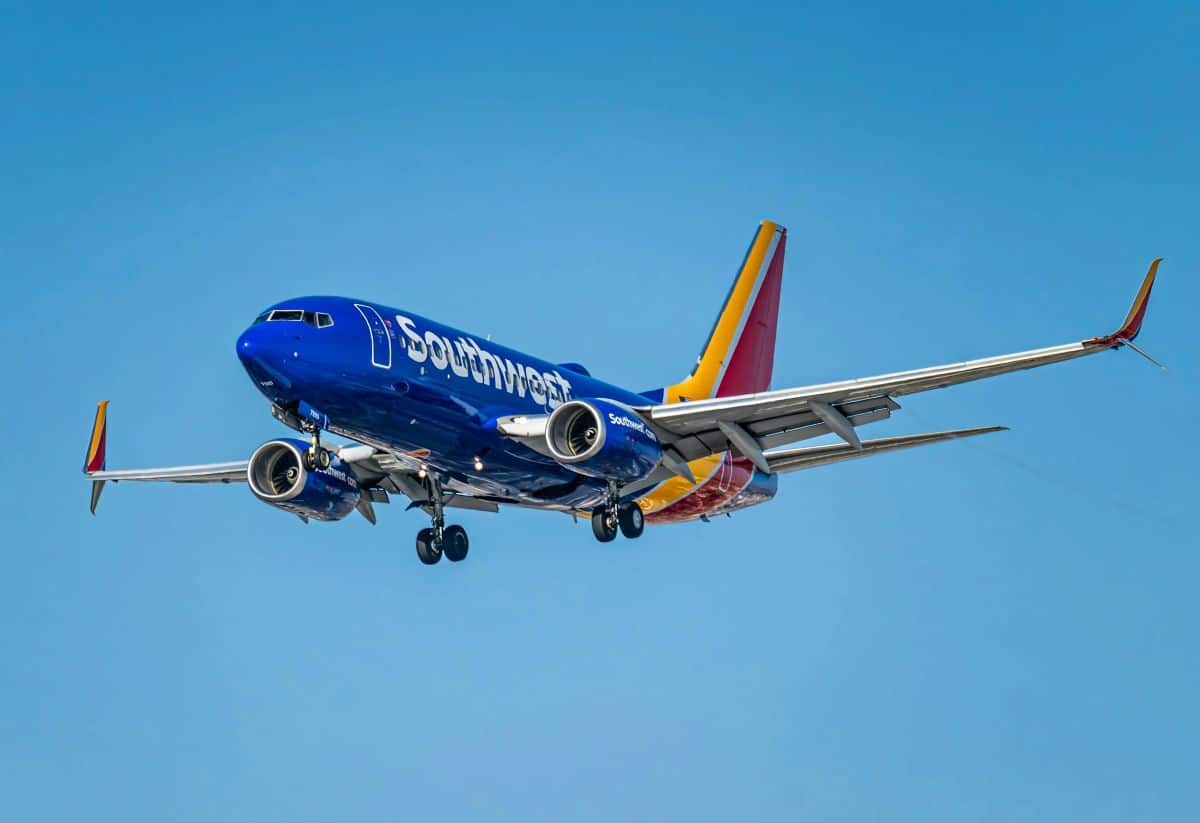
Image generated with Ai
Southwest Airlines Flight WN165, a Boeing 737-8H4 from Albuquerque to Dallas, returned to and landed back at Albuquerque International Sunport on July 21 after an unexpected operational change. However, officials have not confirmed the reason. Southwest Airlines Flight WN165, a Boeing 737-8H4 from Albuquerque to Dallas, returned to and landed back at Albuquerque International Sunport on July 21 instead of reaching Texas. Therefore, travellers should avoid speculation. All you need to know is clear. The aircraft landed safely, while passengers likely faced delays, revised bookings and changed onward travel plans after returning to New Mexico that evening.
Why Did the Albuquerque to Dallas Flight Return to Albuquerque?
Flight information indicates that the Southwest Airlines Boeing 737-800 departed Albuquerque at 18:10, became airborne at 18:42, and later returned to Albuquerque International Sunport instead of continuing to Dallas Love Field. The aircraft involved carried United States registration N8643A, while the flight concluded with a safe landing back in Albuquerque at 21:00, ending the journey where it had originally begun.
Advertisement
Advertisement
At the time of publication, neither Southwest Airlines nor any aviation authority had publicly confirmed the reason for the return. Commercial aircraft may return to their departure airport because of changing weather, passenger medical situations, precautionary technical inspections, airport operational restrictions or other safety-related operational considerations. However, none of these possibilities should be regarded as the confirmed cause unless officially verified by Southwest Airlines or the relevant aviation authorities. The only confirmed fact is that the aircraft landed safely after the crew elected to return to Albuquerque.
What Do the Flight Details and Aircraft Information Reveal?
The aircraft operating the service was a Boeing 737-800, identified by aviation type code B738 and United States registration N8643A. The Boeing 737-800 remains one of the most widely operated narrow-body commercial aircraft in the world and forms a significant part of Southwest Airlines’ domestic fleet because of its operational efficiency, passenger capacity and route flexibility.
Advertisement
Advertisement
Operational records show a scheduled departure from Albuquerque at 18:10, an airborne time of 18:42, and a landing back at Albuquerque International Sunport at 21:00 following the return. Flight tracking platforms may display scheduled, estimated, actual and local times differently depending on the source. Therefore, passengers should always rely on official airline communications when confirming operational developments rather than interpreting tracking information independently.
Advertisement
Advertisement
Why Was Albuquerque the Best Airport to Return To?
Returning to the departure airport is often considered when operational circumstances arise shortly after take-off and the airport remains the most suitable location for the aircraft, passengers and airline support services. Albuquerque International Sunport provides full commercial airline infrastructure, including long runways, aircraft maintenance capability, emergency services, passenger facilities and airline operational support.
Returning to the departure airport may also simplify passenger assistance, aircraft inspections and operational recovery because airline staff, maintenance personnel and customer service teams are already based there. Nevertheless, every return-to-base decision depends on multiple operational factors, including aircraft performance, weather conditions, maintenance requirements, fuel planning and airport capability. The decision to return alone should not be interpreted as evidence of any particular technical problem.
What Did the Return Mean for Passengers?
Passengers expecting to arrive in Dallas instead returned to Albuquerque, creating an unexpected interruption to their travel plans. Depending upon operational circumstances, Southwest Airlines may later arrange another aircraft, rebook passengers onto later services or organise alternative travel options once operational requirements have been addressed.
Advertisement
Advertisement
Returns to the departure airport may also affect baggage handling, onward connections and overall travel schedules. Airline customer service representatives, dispatch teams, airport authorities and flight crews generally work together to minimise disruption while organising revised travel arrangements. Although such events may create inconvenience, they also demonstrate aviation’s long-standing commitment to prioritising passenger safety above maintaining the published schedule.
How Can One Aircraft Return Affect Airline Operations?

Image generated with Ai
A return to the departure airport can influence several later flights throughout an airline’s operational network. Boeing 737-800 aircraft frequently operate multiple scheduled services each day, meaning an unexpected return may require airlines to revise aircraft rotations, adjust crew assignments, perform inspections and reorganise subsequent departures involving the same aircraft.
Advertisement
Advertisement
Modern airline operations centres monitor aircraft movements continuously in real time, enabling dispatchers to coordinate airport services, maintenance personnel, replacement aircraft and customer support teams. Every operational return requires close cooperation between pilots, engineers, airport authorities and airline staff to restore normal operations while maintaining regulatory compliance and the highest aviation safety standards.
How Common Are Returns to the Departure Airport?
Returns to the departure airport remain relatively uncommon compared with the thousands of commercial flights completed safely every day across the United States. Nevertheless, airlines prepare extensively for such situations by training crews, identifying operational procedures and ensuring suitable support remains available whenever changing circumstances require a flight to return.
Passengers should therefore view a return as a precautionary operational decision rather than evidence that an aircraft is unsafe. Flight crews receive extensive training to assess changing situations and choose the safest operational response, whether that involves continuing to the destination, diverting elsewhere or returning to the departure airport.
What Should Travellers Learn From This Incident?
The confirmed operational facts remain straightforward. A Southwest Airlines Boeing 737-800 registered N8643A departed Albuquerque on 21 July 2026 for Dallas but returned safely to Albuquerque International Sunport before reaching its scheduled destination. No official explanation regarding the operational reason behind the return had been publicly confirmed at the time of publication.
Travellers should therefore avoid drawing conclusions about the cause until verified information becomes available from Southwest Airlines or the relevant aviation authorities. This incident demonstrates how commercial aviation prioritises operational flexibility and passenger safety, allowing flight crews to return to the departure airport whenever changing operational circumstances make that the safest available course of action.
Advertisement
Advertisement
Southwest Airlines Flight WN165 did not reach Dallas as planned on July 21 because the crew returned the Boeing 737-8H4 to Albuquerque International Sunport. The official cause remains unconfirmed. Therefore, weather, a medical issue, a technical concern or airport restrictions should not be reported as fact. The clearest answer is that changing operational conditions made returning to Albuquerque the preferred option. The aircraft landed safely, but passengers may have faced delays and revised travel arrangements. The return shows how crews can change course quickly when continuing to the scheduled destination becomes unsuitable, impractical or less appropriate for safe operations.
Image: Southwest Airlines
Advertisement
