
Zanzibar Teams Up With Ethiopia and More as Most Authentic Heritage Experiences in Africa

Published
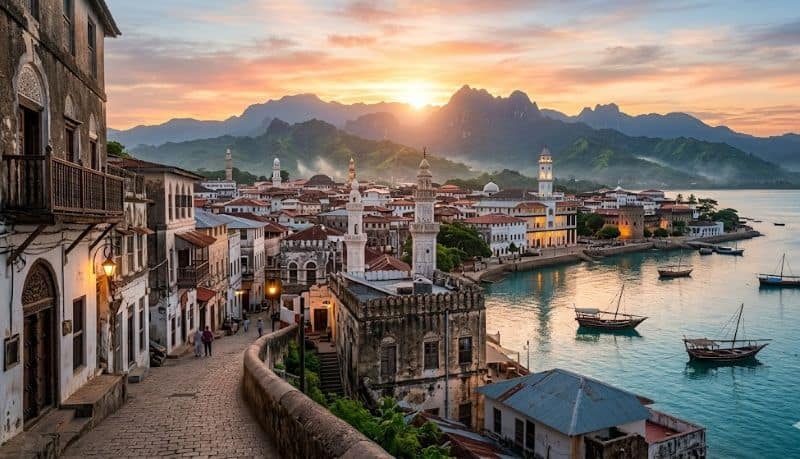
Zanzibar teams up with Ethiopia and more as Africa’s most authentic heritage experiences invite travellers into a world of living culture, historic cities and unforgettable traditions. From Zanzibar’s Swahili heritage to Ethiopia’s ancient cultural landmarks, these destinations reveal an Africa that goes far beyond conventional sightseeing. Moreover, each heritage experience connects visitors with local food, architecture, crafts, communities and centuries-old traditions. Zanzibar and Ethiopia therefore stand among the destinations shaping interest in authentic African journeys, while more heritage destinations add remarkable depth. Travel And Tour World explores these most authentic heritage experiences in Africa, revealing what makes each destination special. Read the entire story for the full journey.
Kendwa Rocks’ Nooa Kilupy Reveals How Zanzibar Hotel Blends African Culture, Sustainability and Global Tourism Demand
Zanzibar’s hospitality sector is navigating changing international travel patterns, geopolitical uncertainty and rising operating costs while continuing to build distinctive experiences for global travellers. At the centre of this changing landscape is Kendwa Rocks Beach Hotel, a long-established beachfront property known for its lively atmosphere, African cultural identity and monthly Full Moon Party.
Advertisement
Advertisement
In an exclusive Travel And Tour World interview, Nooa Kilupy, Assistant General Manager of Kendwa Rocks Hotel, discussed the property’s approach to international markets, sustainability, entertainment, African-inspired hospitality and its latest refurbishment programme. Kilupy also explained how geopolitical developments in the Middle East have affected travel to Zanzibar and why the United States and China are becoming increasingly interesting source markets.
Kendwa Rocks is positioned on Kendwa Beach in Zanzibar and combines accommodation with restaurants, beach activities and regular entertainment. The hotel’s official website highlights its beachfront setting, themed rooms, sustainability initiatives and a calendar of experiences ranging from movie nights and social gatherings to its renowned Full Moon Parties.
Advertisement
Advertisement
Tourism Events Create Valuable Connections
Reflecting on the tourism event where the interview took place, Kilupy said he was impressed by the diversity of African representation and the range of markets represented.
He explained that tourism trade events are valuable not simply because they create opportunities to sell hotel rooms, but because they allow hospitality professionals to develop relationships across the industry.
Advertisement
Advertisement
One example involved connecting with a tourism business that initially appeared unrelated to the hotel. That conversation eventually produced introductions to other tourism professionals, demonstrating how interconnected the hospitality ecosystem can be.
For Zanzibar, these connections are particularly important as the destination seeks to diversify beyond its traditional European and Middle Eastern markets.
Europe Remains Important as US and Asian Interest Emerges
Kilupy identified Europe as Zanzibar’s major established international market, while noting that the Middle East has also been significant.
At the same time, he said the United States is emerging as an interesting additional market. During the event, he had discussions with sellers bringing groups from the US to Zanzibar.
The Chinese market is another area of interest, with Kilupy indicating that Kendwa Rocks is exploring potential opportunities in Asia.
The distance from the United States and parts of Asia can make Zanzibar more difficult to sell compared with closer destinations. Nevertheless, new group-business opportunities could help expand the hotel’s international customer base.
Advertisement
Advertisement
Kendwa Rocks Builds Its Identity Around Experiences
One of the property’s strongest selling points is its experience-led positioning.
Kilupy explained that Kendwa Rocks operates in a mid-to-higher price segment while maintaining flexibility across different accommodation categories. During the low season, entry-level rooms can be offered at considerably lower prices than during the high season.
Beyond accommodation, however, the hotel’s major distinction is its events programme.
The property hosts its famous Full Moon Party, which Kilupy described as one of East Africa’s major recurring monthly events. He said individual events can attract approximately 1,500 to 4,000 people, while the hotel recorded around 26,000 attendees across its events in 2025.
Kendwa Rocks also organises smaller activities, including paint-and-sip sessions, dance classes, beach movie nights and activities designed for children, families and groups of friends.
The hotel additionally welcomes outside visitors, giving the property a social role beyond traditional resort accommodation.
Advertisement
Advertisement
The Full Moon Party remains central to that identity. Kendwa Rocks’ current 2026 calendar confirms that the event continues as a recurring feature of its Zanzibar offering.
African Culture Runs Through the Hotel
Kilupy explained that the hotel’s African identity is reflected in details throughout the property.
Rather than using conventional room numbers alone, rooms are named after African countries, with individual décor elements inspired by those destinations.
A room associated with Malawi, for example, incorporates Malawian-inspired artwork, while other rooms include products and design elements connected with different African countries.
Food is another important component.
Zanzibar’s history as a meeting point of African, Arab, European and other cultural influences is reflected in the property’s culinary programme. The hotel serves Zanzibar-inspired dishes alongside international cuisine, while special daily menus allow the culinary team to experiment with different influences.
Advertisement
Advertisement
The property also uses its entertainment programme to promote African talent.
Kilupy said Kendwa Rocks gives opportunities to emerging musicians while also bringing established African performers to its stage. Artists from Tanzania and other African countries have performed at the Full Moon Party, reinforcing the event’s identity as an African entertainment platform.
Sustainability Moves Beyond Plastic Reduction
Environmental responsibility is another area highlighted by Kilupy.
Kilupy said Kendwa Rocks removed single-use plastic from guest rooms and bars in 2019. The hotel has subsequently introduced additional measures aimed at reducing its environmental footprint.
One notable initiative involves producing drinking water from atmospheric humidity. The system extracts moisture from the air, condenses it and produces drinking water, which is then mineralised before being served.
The hotel uses glass bottles rather than relying on conventional single-use plastic water bottles.
Advertisement
Advertisement
Other sustainability measures include solar initiatives, water filtration and reverse osmosis technology. The property has also introduced smaller changes such as bamboo toothbrushes, bamboo straws and rechargeable batteries.
While each measure may appear relatively small, Kilupy stressed that collectively they can make a meaningful difference.
Middle East Disruption Has Affected Zanzibar Travel
Geopolitical developments have also become an important consideration for the hotel.
Kilupy said the conflict and associated disruption in the Middle East had affected business, with the hotel experiencing approximately 5% cancellations when the conflict began.
Air connectivity was particularly important because airlines operating through Qatar and Dubai have historically provided crucial connections between Zanzibar and major European and Asian markets.
Higher fuel prices have created another layer of pressure. Increased fuel costs affect flights, transfers and hotel operations, while power interruptions can also increase generator and diesel expenses.
Advertisement
Advertisement
For travellers, those additional costs can influence destination choice. Kilupy suggested that some European families who might previously have considered Zanzibar could instead choose destinations closer to home, such as Greece, when long-haul travel becomes more expensive.
30 Years of Constant Evolution
Kendwa Rocks is preparing to mark 30 years of operation, but Kilupy explained that the property’s history is very different from that of a conventional hotel developed according to a single master plan.
The property began as a campsite where visitors brought their own tents. From there, it evolved into basic huts, followed by upgraded rooms and eventually a much larger beachfront hotel.
Today, the property has approximately 130 rooms, according to current hotel information.
That gradual evolution continues.
Kilupy revealed that the hotel was undertaking a substantial refurbishment programme during the low season, including upgrades to dozens of rooms and new décor.
Advertisement
Advertisement
The hotel is also sourcing furnishings and materials from different locations, prioritising local suppliers where possible while also using suppliers from other East African markets, South Africa and Bali for selected items.
A new waterfall feature is also being developed within the property.
Zanzibar Hospitality Remains Resilient
Despite geopolitical uncertainty, higher fuel prices and changing traveller behaviour, Kilupy expressed confidence in the resilience of hospitality.
He pointed to the industry’s recovery following major disruptions such as the COVID-19 pandemic and the 2008 financial crisis as evidence that tourism can rebound quickly when conditions improve.
For Kendwa Rocks, the strategy is therefore not simply about selling rooms. It is about creating a recognisable Zanzibar experience built around African culture, entertainment, sustainability, social interaction and beachfront hospitality.
As Zanzibar continues attracting visitors from Europe while exploring the United States, China and other emerging markets, properties such as Kendwa Rocks are positioning themselves to capture demand through experiences that extend beyond conventional accommodation.
Advertisement
Advertisement
The hotel’s ongoing evolution — from its original camping roots to its present-day beachfront operation — demonstrates how Zanzibar’s hospitality industry continues to adapt while retaining a strong connection with its local and African identity.
Africa’s Heritage Cities Where Travellers Can Experience Authentic African Culture
Africa offers far more than wildlife safaris and beach holidays. Its historic cities preserve living traditions through architecture, food, religion, music, crafts, markets and community life. For travellers seeking authentic African culture, these destinations provide opportunities to experience heritage within functioning communities rather than simply viewing monuments. From Zanzibar’s Swahili trading heritage and Ethiopia’s ancient Christian traditions to Ghana’s Asante culture and Morocco’s centuries-old medinas, each city reveals a different layer of Africa’s history. The following destinations combine heritage attractions with locally rooted experiences, making them particularly compelling choices for culturally focused journeys.
1. Stone Town, Zanzibar, Tanzania — The Living Heart of Swahili Heritage
Stone Town is one of Africa’s strongest destinations for travellers wanting to understand the Indian Ocean’s cultural exchange. UNESCO describes it as an outstanding Swahili trading town whose urban fabric remains largely intact, with African, Arab, Indian and European influences blended across more than a millennium. Its carved Zanzibar doors, coral-stone buildings, narrow lanes, mosques, churches and former trading buildings make walking the historic centre an immersive experience. Travellers should visit the Old Fort, Forodhani waterfront, Darajani Market, Christ Church Cathedral and the former slave-market area, while a guided heritage walk can explain Swahili architecture and Zanzibar’s trading history. For accommodation, travellers can choose a characterful Stone Town property such as Emerson Spice. For food, locally focused options include ZAFA SWAHILI DISHES and Lukmaan Swahili Restaurant. UNESCO also identifies Stone Town as a continuing commercial and socio-cultural centre rather than a preserved museum, making everyday neighbourhood life part of the heritage experience.
2. Fez, Morocco — A Medieval Medina Still Alive With Craft and Commerce
Fez offers one of Africa’s deepest urban heritage experiences. UNESCO says the Medina of Fez was founded in the ninth century and reached its height during the Marinid period, while its historic fabric continues to preserve religious, commercial and residential functions. Travellers can spend a full day walking through Fez el-Bali, exploring the Bou Inania Madrasa, Al Quaraouiyine area, Nejjarine Museum, tanneries and artisan quarters. The strongest cultural experience comes from observing traditional crafts such as metalwork, leather production, zellige tilework and woodworking. Riad Fes – Relais & Châteaux provides a heritage-oriented accommodation option, while Le Tarbouche offers Moroccan cuisine within the medina environment. A two-night stay allows visitors to combine guided heritage walks with cooking classes, souk exploration and a slower evening discovering traditional Moroccan food. UNESCO notes that Fez remains Morocco’s cultural and spiritual centre, while traditional architectural and decorative skills continue to support the authenticity of the historic city.
3. Marrakesh, Morocco — Souks, Palaces and Living Moroccan Traditions
Marrakesh combines monumental Islamic architecture with an unusually active street culture. UNESCO traces the city’s foundation to the Almoravid period in the 11th century and identifies its Medina as a living historic town containing souks, traditional trades, residences, monuments and artisan activity. Travellers should begin around Jemaa el-Fna before exploring the Koutoubia Mosque exterior, Bahia Palace, Saadian Tombs, Ben Youssef Madrasa and the old souks. An ideal cultural itinerary includes a traditional hammam, Moroccan cooking class, spice-market visit and evening food experience. Heritage accommodation can be part of the journey, with options such as Angsana Riads Collection Morocco or La Sultana. For dining, Dar Cherifa provides a setting rooted in historic riad architecture. Visitors should allow at least three days because Marrakesh is best experienced slowly, combining major monuments with neighbourhood wandering, artisan workshops and local cuisine rather than treating the Medina solely as a sightseeing zone.
4. Lalibela, Ethiopia — Ancient Christian Heritage in a Living Pilgrimage City
Lalibela is exceptional because its heritage remains connected to active religious life. UNESCO identifies 11 medieval monolithic churches carved from rock and describes the settlement as a major centre of Ethiopian Christianity and pilgrimage. Travellers can explore the northern and southern church groups, including Biete Medhani Alem, Biete Mariam and Biete Amanuel, while early-morning visits provide opportunities to observe pilgrims and clergy participating in religious traditions. The surrounding circular Lasta Tukul houses add another layer of vernacular heritage. Visitors should spend two to three nights, combine church exploration with a local cooking experience and try injera-based Ethiopian dishes. Accommodation ranges from locally operated guesthouses to established hotels, while Elefign Lalibela Restaurant and Cooking class provides a particularly useful cultural-food experience. Ben Abeba is another recognised dining option. The destination is best approached respectfully because Lalibela is not simply an archaeological attraction but an active sacred landscape where pilgrimage traditions continue.
Advertisement
Advertisement
5. Harar, Ethiopia — A Rare Window Into Harari African-Islamic Culture
Harar offers an especially distinctive cultural experience because its historic identity remains closely connected to the Harari community. UNESCO records 82 mosques and 102 shrines inside Harar Jugol, with the fortified historic town retaining traditional houses, narrow lanes, markets and distinctive architectural features. Visitors should walk through the old gates, explore the colourful markets, visit traditional Harari houses and discover the city’s weaving, basket-making and bookbinding traditions. A heritage guide is strongly recommended because many of Harar’s most valuable experiences are social and architectural rather than monumental. Travellers can stay at properties such as Heritage Plaza Hotel and sample Ethiopian food at Desalegn Kitfo or other local eateries. A two-night itinerary works well: one day for the walled city and cultural sites, and another for markets, craft traditions and surrounding landscapes. UNESCO specifically highlights Harar’s continuing traditions, Harari language and community structure as important elements of its living heritage.
6. Kumasi, Ghana — The Cultural Capital of Asante Heritage
Kumasi is an important choice for travellers interested in Ghanaian history and Asante culture. The city provides access to the cultural institutions, markets and traditional craftsmanship associated with the Asante Kingdom, while heritage sites around Kumasi preserve surviving examples of traditional Asante architecture. UNESCO identifies the Asante Traditional Buildings as the remaining material testimony of a civilisation that reached its peak during the 18th century; the buildings feature courtyards, timber, bamboo, mud plaster and distinctive decorative reliefs. Travellers should explore the Manhyia Palace area, Kumasi Central Market, the National Cultural Centre and craft workshops, while arranging excursions to traditional Asante buildings beyond the urban centre. Accommodation can be combined with locally focused dining at places such as Ike’s Cafe and Grill at the Ghana National Cultural Centre. A three-day itinerary should include palace and museum visits, market exploration, kente and craft experiences and a guided heritage excursion. The destination is particularly valuable because culture is encountered through living craft, food, markets and traditional institutions rather than monuments alone.
Heritage Travel Comparison: Africa’s Cultural Cities at a Glance
| Destination | Country | Heritage strength | What to experience | Recommended stay |
|---|---|---|---|---|
| Stone Town | Tanzania | Swahili, Indian Ocean, Arab, African | Carved doors, Old Fort, markets, Swahili food, heritage walks | 2–3 nights |
| Fez | Morocco | Medieval Islamic and Moroccan | Medina, tanneries, madrasas, crafts, riads, souks | 2–3 nights |
| Marrakesh | Morocco | Almoravid, Islamic and Moroccan | Jemaa el-Fna, palaces, souks, food, hammam | 3 nights |
| Lalibela | Ethiopia | Ethiopian Christian | Rock churches, pilgrimage, local homes, food | 2–3 nights |
| Harar | Ethiopia | Harari, Islamic and African | Walled city, mosques, shrines, houses, crafts | 2 nights |
| Kumasi | Ghana | Asante | Palace heritage, markets, kente, traditional buildings | 3 nights |
Where to Stay and Eat for a More Authentic Experience
| City | Accommodation approach | Food experience | Heritage experience |
|---|---|---|---|
| Stone Town | Historic hotel or restored Swahili house | Swahili seafood, pilau, biryani | Guided Old Town walk |
| Fez | Traditional riad inside/near Medina | Tagine, couscous, pastilla | Artisan workshops and souks |
| Marrakesh | Riad or historic palace-style hotel | Moroccan street food and traditional dishes | Medina and palace circuit |
| Lalibela | Locally operated hotel or guesthouse | Injera and Ethiopian coffee | Church and pilgrimage circuit |
| Harar | Heritage-oriented local hotel/guesthouse | Harari and Ethiopian cuisine | Walled-city cultural walk |
| Kumasi | City hotel with access to cultural district | Ghanaian dishes and local drinks | Asante palace, crafts and markets |
A Detailed 12-Day African Heritage Travel Plan
| Day | Destination | Suggested plan |
|---|---|---|
| 1 | Stone Town | Arrive, check into heritage accommodation, sunset waterfront walk and Swahili dinner |
| 2 | Stone Town | Old Fort, Darajani Market, carved-door trail, former slave-market area and Forodhani evening |
| 3 | Stone Town | Local cooking experience, artisan shopping and departure |
| 4 | Fez | Arrive, explore Medina lanes and traditional riad |
| 5 | Fez | Bou Inania, artisan quarters, tanneries, souks and Moroccan dinner |
| 6 | Fez | Craft workshop, Mellah and panoramic Medina viewpoint |
| 7 | Marrakesh | Transfer and explore Jemaa el-Fna and souks |
| 8 | Marrakesh | Bahia Palace, Saadian Tombs, Koutoubia surroundings and cooking class |
| 9 | Marrakesh | Ben Youssef Madrasa, artisan quarter and hammam |
| 10 | Lalibela | Arrive and explore one church group with local guide |
| 11 | Lalibela | Remaining churches, pilgrimage traditions and Ethiopian food experience |
| 12 | Harar/Kumasi extension | Continue the journey according to flight routing, prioritising guided cultural experiences |
Why These Destinations Matter for Global Heritage Travellers
The strongest African heritage journeys are those that connect monuments with living culture. Stone Town demonstrates the meeting of African, Arab, Indian and European traditions; Fez and Marrakesh preserve centuries-old Moroccan urban life; Lalibela keeps Ethiopian Christian pilgrimage traditions alive; Harar maintains distinctive Harari cultural practices; and Kumasi connects visitors with the continuing legacy of the Asante civilisation. UNESCO’s documentation repeatedly emphasises that authenticity is strengthened when historic places retain traditional skills, community functions and cultural practices rather than becoming static museum environments.
Conclusion
Zanzibar teams up with Ethiopia and more to showcase why Africa remains a remarkable destination for authentic heritage experiences. From Zanzibar’s Swahili traditions and Ethiopia’s ancient cultural treasures to Morocco’s historic cities and Ghana’s Asante heritage, every destination offers a different way to connect with Africa’s living culture. These experiences go beyond famous landmarks, bringing travellers closer to local cuisine, crafts, architecture, music and community traditions. As global travellers seek meaningful journeys, Africa’s heritage destinations continue to offer memorable cultural discoveries. Travel And Tour World encourages travellers to explore these authentic heritage experiences and discover the stories, traditions and people that make Africa truly unforgettable.
Advertisement
