
Kwita Izina Ceremony: How Gorilla Naming Tradition Is Driving Tourism Growth And Conservation In Musanze District, Rwanda

Published
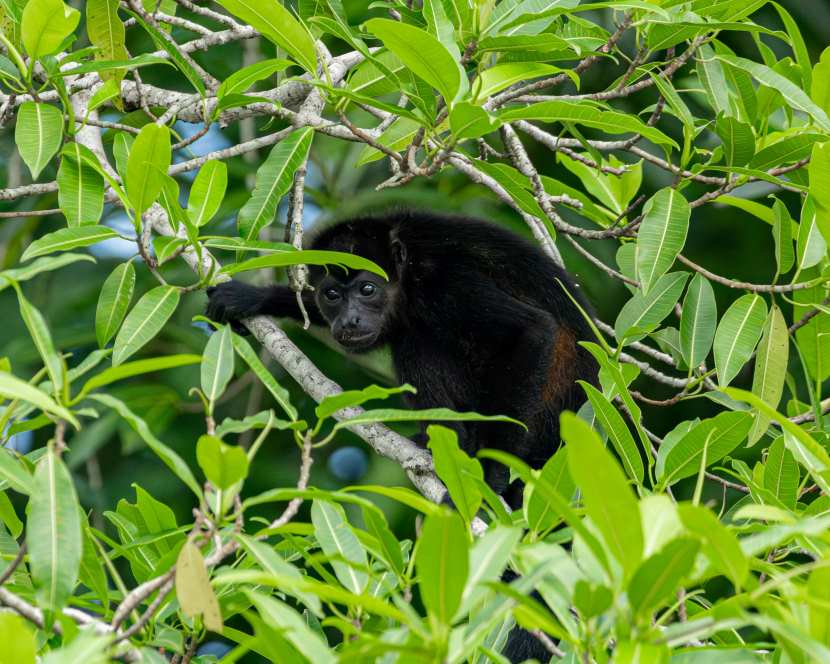
Image generated with Ai
Musanze District, located at the foothills of the Virunga Massif, has undergone a remarkable transformation over the past two decades. Once defined largely as an agricultural zone, the district has steadily evolved into a leading centre of conservation-driven development. This change has been anchored by the celebrated Kwita Izina gorilla naming ceremony, a tradition that began in 2005 and continues to symbolize Rwanda’s deep commitment to protecting its endangered mountain gorillas.
Since the first ceremony, nearly 400 infant gorillas have been given names, each representing a renewed pledge to conservation. The success of these efforts is clear: the population of mountain gorillas has grown from 880 in 2012 to more than 1,063 today, reversing what once seemed like an inevitable decline.
Gorilla Tourism as a Catalyst for Development
The growth of gorilla tourism has become one of Rwanda’s most significant success stories. Permits for gorilla trekking, which cost up to $1,500, generate a substantial share of the nation’s tourism revenue. This funding extends well beyond conservation, reaching local communities through a national revenue-sharing scheme where 10 percent of park revenues are reinvested in schools, health facilities, clean water projects, and roads.
Musanze, now home to over 230,000 residents, has grown into a bustling urban centre. High-rise buildings mark its skyline, while upgraded roads and public facilities signal purposeful progress. A €91 million hospital expansion is underway, further enhancing public health infrastructure and underscoring the district’s rapid rise as a modern hub.
Advertisement
Advertisement
The Volcanoes Community Resilience Project
Future plans are equally ambitious. The Volcanoes Community Resilience Project (2023–2028) has been designed to expand Volcanoes National Park by 23 percent, boost the gorilla population by up to 20 percent, mitigate human-wildlife conflict, and create approximately 17,000 jobs. This programme cements Musanze’s reputation as a model for conservation-led development across Africa.
Advertisement
Advertisement
Empowering Communities Through Cooperatives
The human side of Musanze’s transformation is most visible in its thriving cooperatives. These community groups empower individuals, particularly women, to build sustainable livelihoods linked to tourism.
At the centre led by Emmanuel Ndayambaje, 13 groups produce a wide range of crafts and tourist items, from carved walking sticks to handwoven textiles. Roughly 75 artisans have benefited, many of whom were previously unable to access stable markets. Their products, some selling for as much as Rwf150,000, now support school fees, improved nutrition, and home upgrades.
For women like Nadine Nyiraneza, who joined her cooperative seven years ago, the income earned has transformed family life. Education costs are now covered, daily needs are met, and the sense of economic independence has grown. Similarly, Claudine Mukeshimana credits her cooperative with enabling her to send her children to quality schools, run a small business, and build a thriving household.
Advertisement
Advertisement
Tourism and Infrastructure: Building for the Future
Infrastructure development has also played a critical role. Roads that once made travel difficult have been upgraded, connecting Musanze to Kinigi and other key areas. Storage facilities, such as a potato warehouse with a 100-ton capacity, highlight how agriculture and tourism now work hand in hand to support local economies.
Cooperatives remain integral to this process, with many initiatives registered under local government authorities to ensure resources are managed effectively and sustainably.
Advertisement
Advertisement
Hospitality: A Tourism-Driven Engine
During Kwita Izina, Musanze’s hospitality industry experiences a surge unlike any other period in the year. Hotels, restaurants, and guesthouses operate at full capacity, drawing visitors from across the world.
At Migano Hotel, staff describe the gorilla naming ceremony as a major boost, offering exposure to international standards and best practices. Best View Hotel reports similar experiences, with all rooms booked and facilities running at full operation during the festival.
Yet challenges remain. The event’s one-day format limits the duration of economic benefits, concentrating earnings into a short window. Expanding Kwita Izina into a multi-day event could extend visitor stays and multiply gains across the hospitality sector. Additionally, logistical challenges in sourcing supplies for VIP guests underline the need for more localized supply chains.
Cultural Tourism and the Gorilla Guardian Village
Cultural preservation has been strengthened through the Gorilla Guardian Village (Iby’Iwacu Cultural Village). Founded in 2006 by former poachers under the leadership of Edwin Sabuhoro, this initiative demonstrates how cultural heritage and conservation can work hand in hand.
Visitors experience traditional dances, ceremonies, and daily life in the village. Fees of $35 for foreign visitors and $10 for locals support community programmes, fund clean water access, and reduce poaching by offering alternative livelihoods. This cultural exchange has positioned the village as both a conservation tool and an educational centre.
Advertisement
Advertisement
Revenue Sharing and Wider Impacts
Governor Maurice Mugabowagahunde has emphasized that Kwita Izina is more than a celebration; it is a platform for education and community empowerment. With tens of thousands of attendees each year, the event stimulates local businesses, generates employment, and funds infrastructure projects.
Since the start of the revenue-sharing programme, $18 million has been directed to local communities, supporting education, healthcare, electricity access, and agricultural initiatives. This structured redistribution has created lasting improvements in living standards while reinforcing the principle that conservation generates collective prosperity.
Transforming Infrastructure and Social Services
The benefits of gorilla tourism extend beyond economic opportunity to tangible improvements in public services. Schools like Groupe Scolaire Kampanga and early childhood centres have been built, while the Kinigi Health Centre now offers modern care. A new housing estate provides shelter for families displaced by natural disasters, demonstrating how tourism revenues can strengthen community resilience.
Remaining Challenges and Future Outlook
Despite its progress, Musanze still faces obstacles. Seasonal fluctuations in visitor numbers create economic highs and lows. Infrastructure maintenance is an ongoing necessity, and behavioural challenges such as poaching remain in some areas.
However, the district’s future remains bright. With the expansion of Volcanoes National Park, the ongoing hospital upgrade, and new revenue-sharing projects, Musanze is positioned to continue its journey as a leading example of conservation-led development on the continent.
Advertisement
Advertisement
A Celebration of Transformation
Kwita Izina has grown into far more than a gorilla naming ceremony. It has become a catalyst for transformation, reshaping Musanze into a centre where conservation, culture, and community development converge. Artisans, hoteliers, farmers, and cultural custodians all benefit from this unique synergy.
The story of Musanze illustrates how conservation can be leveraged not only to save endangered species but also to empower communities, modernize infrastructure, and build resilience. It stands as a testament to the power of aligning natural heritage with human progress—an ongoing celebration of opportunity, resilience, and sustainable growth.
Advertisement
