
Japan’s Record-Breaking Tourism Boom Sparks Travel Revolution as Iconic Destinations Raise Fees and Tighten Rules

Published
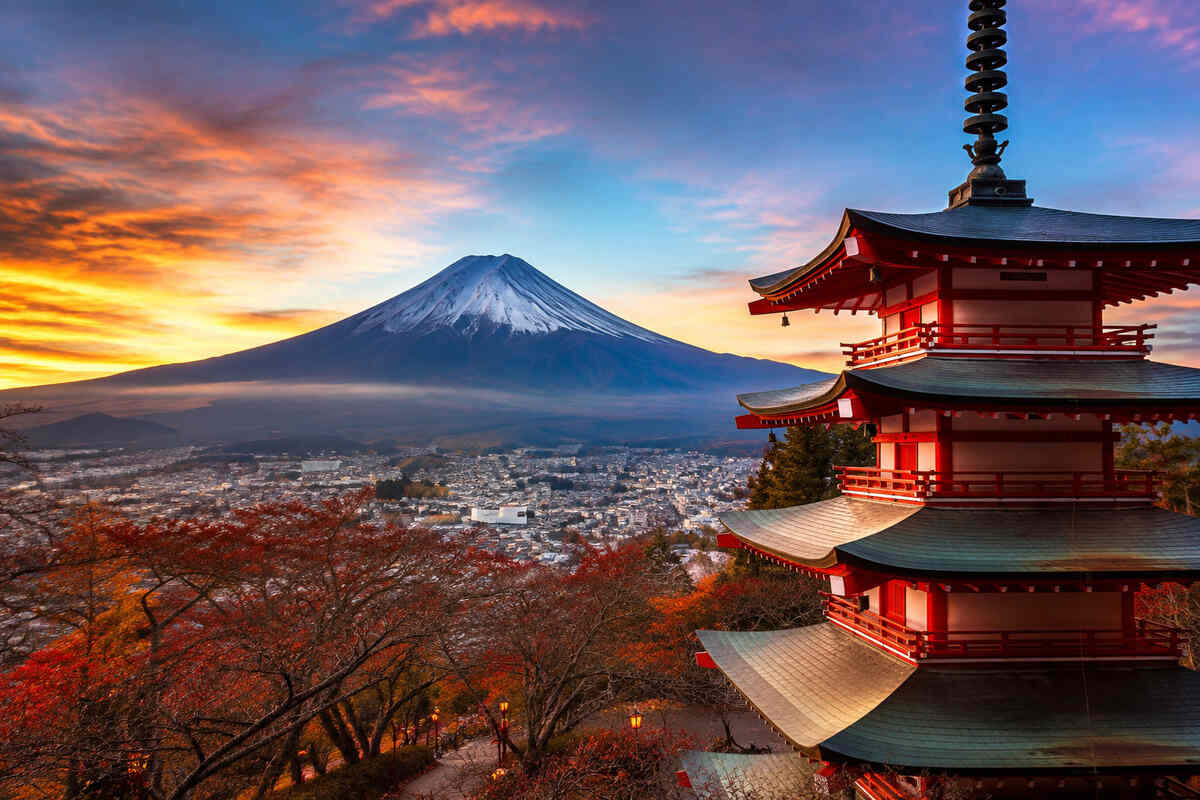
Image generated with Ai
Japan’s Tourism Revolution as Record-breaking Travel Sets Pattern, Fees and Rules Change as Japan Sets New Records with 42.7 million visitors in 2025. Japan’s crowded transport systems, heritage sites, and cities are under pressure and Kyoto is introducing taxes on Hotel stays. Mount Fuji has new climbing fees and limits; Himeji Castle has changed their pricing. Japan is heading towards a Sustainable and managed Visitor Economy from the years of Rapid growth in tourism.
However, the rapid growth of international arrivals is reshaping that experience. Popular destinations are introducing higher accommodation taxes, new access charges and visitor management systems designed to protect local communities and preserve iconic sites. Japan welcomed a record 42.7 million overseas visitors in 2025, according to tourism data, while the country continues working towards its long-term goal of reaching 60 million international arrivals annually by 2030.
Advertisement
Advertisement
The shift signals a new phase for Japan’s tourism industry. Instead of focusing only on attracting more visitors, authorities are increasingly looking at how tourism costs are shared between travellers, residents and local governments facing the impact of overcrowding.
Kyoto Raises Tourism Costs as the City Attempts to Balance Visitors and Residents
Kyoto has become one of Japan’s clearest examples of how tourism growth is affecting everyday life. The historic city attracts millions of visitors each year with its temples, traditional neighbourhoods and cultural heritage sites. Yet rising visitor numbers have created challenges beyond major attractions, affecting public transport, streets and residential areas.
Advertisement
Advertisement
During busy travel periods, local buses, popular sightseeing routes and central districts experience significant pressure as tourists and residents compete for limited space. This has encouraged city authorities to introduce measures aimed at ensuring tourism contributes more towards maintaining public services.
Advertisement
Advertisement
A revised accommodation tax system introduced in Kyoto links the amount paid by visitors to the price of their hotel stay. Travellers staying in lower-priced accommodation pay a smaller levy, while guests booking premium properties face significantly higher charges.
The highest category applies to visitors paying at least ¥100,000 (around $628) per person per night, resulting in a tourism tax of ¥10,000 (around $63) per night. The additional revenue is intended to support infrastructure improvements, tourism management and services affected by increasing visitor demand.
Kyoto is also considering changes to public transport pricing to reduce pressure on residents who rely on city services every day. Under the proposed approach, local residents could receive lower bus fares, while visitors would pay standard rates.
The move reflects a wider trend across major tourism destinations. Cities that attract large numbers of international travellers are increasingly separating the costs faced by residents from those associated with short-term visitors. Kyoto’s approach highlights the growing challenge of maintaining a balance between economic benefits from tourism and the quality of life of local communities.
Mount Fuji Introduces New Access Controls to Protect Japan’s Most Famous Landmark
Mount Fuji, one of Japan’s most recognisable symbols, has also entered a new era of tourism management. The mountain has long attracted travellers hoping to experience sunrise views from its summit, but increasing visitor numbers have created concerns over safety, overcrowding and environmental damage.
Advertisement
Advertisement
From the 2026 climbing season, all four main routes require visitors to pay a ¥4,000 (around $25) climbing fee. The introduction of the charge forms part of a broader system that combines payments, permits, safety measures and visitor limits.
The rules vary depending on the route selected. Climbers using the Shizuoka-side trails must complete safety guidance and receive official entry approval before beginning their ascent. The Yoshida Trail on the Yamanashi side operates under a separate management system, with daily limits introduced to control congestion.
The Yoshida route restricts the number of climbers to 4,000 people per day, excluding those staying overnight at mountain huts. Visitors attempting to enter during restricted overnight hours without accommodation reservations can be denied access.
The measures are designed to reduce a growing problem known as “bullet climbing”, where hikers attempt to reach the summit overnight without sufficient rest. Authorities have linked the practice with increased safety risks and greater pressure on mountain facilities.
The changes demonstrate how Japan is moving beyond traditional tourism awareness campaigns. At Mount Fuji, visitor management now combines financial contributions with controlled access and capacity limits, creating a model that other heavily visited destinations may consider in the future.
Advertisement
Advertisement
Japan’s Visitor Pricing Debate Expands as Cities Consider Resident and Tourist Rates
Japan’s growing tourism pressure has also intensified discussions around whether residents and visitors should pay different prices at major attractions. The debate gained attention as popular destinations searched for ways to manage overcrowding while ensuring historic sites receive enough funding for maintenance and preservation.
One of the most closely watched examples is Himeji Castle, a UNESCO World Heritage Site and one of Japan’s most important cultural landmarks. The discussion around pricing began after proposals emerged to charge international visitors higher admission fees than local residents. However, the final approach focused on creating a distinction between city residents and other visitors rather than directly separating foreign and domestic travellers.
From 2026, general adult admission to Himeji Castle increased to ¥2,500 (around $16), while eligible residents of Himeji receive a reduced rate of ¥1,000 (around $6). Under this system, a traveller arriving from another Japanese city pays the same admission fee as an overseas visitor.
The policy represents a shift in how Japan approaches tourism-related costs. Instead of creating a simple foreign visitor surcharge, some destinations are exploring whether local residents should receive benefits because they live alongside heavily visited attractions and contribute to maintaining the surrounding communities.
However, the approach has also raised questions about fairness among domestic travellers. Visitors from other parts of Japan may also support local economies and contribute to national tourism, creating a complex discussion about who should receive discounted access to publicly significant landmarks.
Advertisement
Advertisement
Higher Fees Deliver Mixed Results as Japan Searches for a Sustainable Tourism Model
Early results from Himeji Castle’s pricing changes have provided valuable insight into how higherfees can influence visitor behaviour. Attendance declined during the first month after the new pricing structure was introduced, with visitor numbers dropping by approximately 17%.
Despite fewer visitors entering the attraction, ticket revenue increased significantly, more than doubling compared with previous levels. The outcome suggests that carefully designed pricing strategies could help popular destinations generate additional funds while reducing excessive visitor pressure.
For Japan, the challenge is no longer simply attracting more tourists. The country has already achieved record international arrival numbers and continues to promote itself as a global travel destination. The bigger challenge is ensuring that tourism growth remains manageable for communities, infrastructure and cultural sites.
The introduction of higher taxes, access fees and controlled entry systems shows a wider transformation in Japan’s tourism strategy. Authorities are moving towards a model where visitors contribute more directly to the costs associated with maintaining famous destinations.
Japan Enters a New Era Where Tourism Growth Comes With Greater Responsibility
Japan’s tourism landscape is undergoing a major adjustment as record visitor numbers reshape the relationship between travellers and destinations. The country remains committed to welcoming international tourists, but the era of low-cost access to every major attraction is gradually changing.
Advertisement
Advertisement
Kyoto’s accommodation tax reforms, Mount Fuji’s climbing controls and Himeji Castle’s revised admission system represent different responses to the same challenge: managing the impact of mass tourism while protecting the experiences that attract visitors in the first place.
The changes do not indicate that Japan is discouraging tourism. Instead, they reflect an effort to create a more balanced system where travellers contribute towards preserving cultural landmarks, improving infrastructure and supporting communities affected by tourism growth.
As Japan continues moving towards its 2030 visitor target, more destinations may introduce similar measures. The future of travel in Japan is likely to involve higher costs at some iconic locations, but also a stronger focus on sustainability, conservation and responsible visitor management.
Japan’s record-breaking tourism boom is transforming travel as overcrowding pressures push iconic destinations like Kyoto, Mount Fuji and Himeji to introduce higher fees and stricter visitor controls. The measures aim to protect cultural sites, support local communities and create a more sustainable tourism model.
Japan’s tourism success has entered a new phase where managing growth is becoming as important as attracting visitors. The introduction of higher fees, access restrictions and revised pricing systems across Kyoto, Mount Fuji and Himeji reflects the country’s effort to balance record international arrivals with preservation and local needs. As Japan continues pursuing ambitious tourism targets, more destinations may adopt similar strategies to control overcrowding, protect cultural treasures and ensure that the benefits of tourism continue reaching communities while maintaining a high-quality experience for travellers.
Advertisement
