
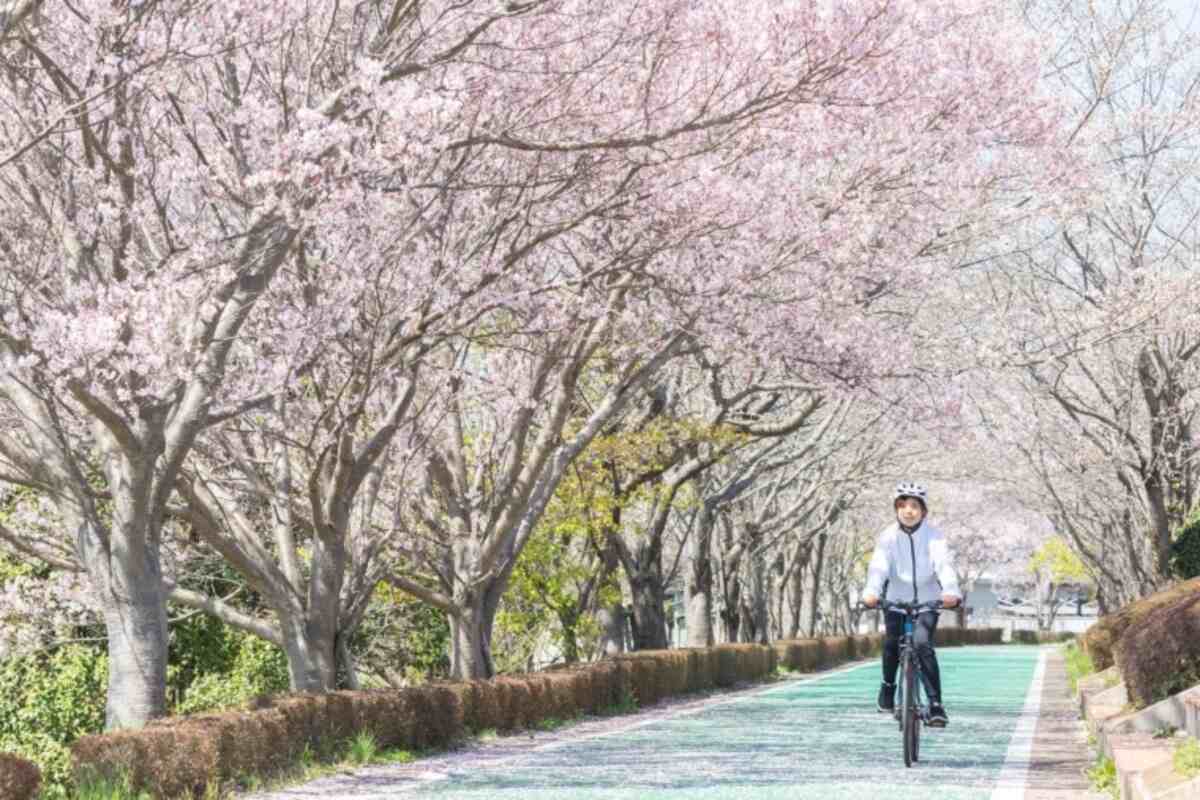
Image generated with Ai
Japan’s unique mic hi no Eke roadside stations offer something for everyone, from unique stops to boosting regional tourism and more.
Japan’s roadside assistance stations, the “Mic hi no Eke,” are changing how tourists interact with the country, offering unique opportunities for people to view and engage with the country, from simple rest stops for car drivers to an opportunity to experience different areas of the country.The roadside stations have become much more than a gas station for cars, and have grown into a program that boosts regional tourism, promotes local specialties, hosts cultural festivals, and ensures preparedness in the face of natural disasters.
Advertisement
Across Japan, these unique roadside destinations now offer far more than a place to pause during a journey. They connect visitors with local communities, showcase regional identity and create new reasons to explore areas beyond the country’s famous cities.
Among the most inspiring examples is Hokkaido Tsukechi in Katsuyama, Gifu Prefecture, a scenic roadside station surrounded by forested mountains. The facility represents the changing face of Japan’s “Mic hi no Eke” movement, where travel infrastructure has become an important part of tourism development.
Advertisement
Japan’s roadside stations have travelled a remarkable journey since their introduction. Initially created to support road users, these facilities were designed to provide essential services such as parking, restrooms and travel information.
However, their role has expanded dramatically over the past three decades.
Today, Mic hi no Eke stations function as tourism gateways where travellers can experience local culture, discover regional attractions and connect with communities. Many facilities include visitor information services, local markets, cultural spaces and event areas designed to encourage longer stays.
The Japanese government has promoted roadside stations as important platforms for regional revitalisation, helping communities attract visitors while strengthening local economic activity.
The growth of this network reflects a wider shift in Japan’s tourism strategy — moving beyond major destinations and encouraging travellers to explore smaller towns, rural landscapes and lesser-known regions.
Located in Gifu Prefecture, Hokkaido Tsukechi demonstrates how roadside stations have evolved into community attractions.
Surrounded by natural scenery, the station provides travellers with a relaxing stop while also serving as a venue for cultural programmes and regional events.
A distinctive outdoor stage with traditional design influences has helped create a unique atmosphere, allowing the roadside station to host performances and gatherings that bring together residents and visitors.
The facility has also supported events celebrating Japanese heritage, including exhibitions connected with classic vehicles from the Show a Era, creating opportunities for travellers to experience elements of Japan’s history and culture.
This approach reflects the changing identity of Mic hi no Eke stations. They are no longer simply places people pass through. They are becoming destinations where visitors can create memories.
Japan officially launched its roadside station system in the early 1990s, with the first 103 facilities receiving official designation in April 1993.
Since then, the network has expanded significantly, with more than 1,200 roadside stations now operating throughout the country.
The first generation of Mic hi no Eke focused mainly on convenience and safety. Travellers needed reliable locations where they could stop, rest and access important road information.
The second phase introduced a new ambition — making the roadside station itself a destination.
Facilities began highlighting local identity through regional attractions, community events and visitor experiences. Instead of being just a break during a journey, they became reasons to travel.
The latest development phase focuses on using roadside stations as engines of regional tourism and economic growth.
One of the biggest impacts of Mic hi no Eke stations is their contribution to rural communities.
Many smaller towns across Japan face challenges linked to population decline and changing economic conditions. Roadside stations provide a way to attract visitors, promote local businesses and create new opportunities.
By introducing travellers to regional attractions, these facilities help spread tourism benefits beyond major urban centres.
Visitors exploring Japan by car can discover mountain villages, coastal landscapes, cultural sites and local traditions that may not appear on traditional tourism routes.
For communities, roadside stations create valuable connections between local businesses and travellers.
This model has helped transform roadside tourism into an important part of Japan’s regional development strategy.
As Japan attracts more international visitors, roadside stations are also adapting to meet global travel expectations.
Many facilities are improving accessibility through multilingual information services, digital payment options and better visitor support.
For overseas travellers, Mic hi no Eke stations provide opportunities to experience authentic Japan away from crowded tourist centres.
A journey through rural Japan can now include unexpected discoveries — from traditional landscapes and cultural activities to community events and regional attractions.
These roadside destinations support the growing demand among travellers for meaningful experiences, local connections and less explored destinations.
Beyond tourism, Mic hi no Eke stations are taking on another important responsibility — supporting communities during emergencies.
Japan is frequently affected by natural disasters, including earthquakes, typhoons and flooding. Because roadside stations are located along important transport routes, they can serve as valuable support locations during crises.
Some facilities have been developed as disaster-prevention centres equipped with emergency resources, communication support and spaces that can assist evacuation and relief activities.
This additional role makes roadside stations more than tourism facilities. They have become important community assets that contribute to safety and resilience.
One of the strongest attractions of Japan’s roadside stations is their diversity.
Each facility reflects the character of its surrounding region.
Mountain communities use roadside stations to highlight nature, outdoor activities and local traditions. Coastal locations often showcase scenic landscapes and marine environments. Rural areas use them to introduce visitors to regional lifestyles.
Hokkaido has the largest number of roadside stations because of its vast territory and extensive road network.
Meanwhile, prefectures such as Shimane, Okayama and Kochi have also embraced the concept as a tool for tourism growth and regional revitalisation.
This diversity means travellers can discover a completely different experience at every Mic hi no Eke they visit.
Although roadside stations are traditionally associated with rural areas, their potential is also being recognised near major cities.
Tokyo has one official roadside station, Hachioji Yakima, which demonstrates how the concept can succeed even in a metropolitan environment.
The facility connects urban consumers with regional businesses and promotes local events, showing that roadside stations are not limited to remote destinations.
As Japan continues developing new tourism models, more urban areas may explore similar approaches.
The rise of Mic hi no Eke reflects a major transformation in how travellers experience Japan.
These roadside stations encourage slower, deeper journeys where visitors can discover communities, landscapes and traditions that often remain outside conventional tourism routes.
They represent a new generation of travel infrastructure — places where tourism, culture, business and community development come together.
From Hokkaido Tsukechi in Gift’s mountains to coastal and urban roadside destinations across Japan, Mic hi no Eke stations are proving that even a simple stop along the road can become an unforgettable travel experience.
Japan’s mic hi no Eke roadside stations are becoming unforgettable travel destinations because they combine local culture, regional attractions, community experiences and hidden gems, transforming ordinary stops into gateways to discover the real Japan.
Japan’s roadside wonders are no longer just places to rest. They are becoming gateways to discovering the real heart of the country.
Advertisement
Tags: Japan Tourism, Japan travel experiences, Michi no Eki roadside stations, regional tourism, rural Japan destinations
Advertisement
Advertisement













Sunday, September 6, 2026

Sunday, September 6, 2026

Sunday, September 6, 2026

Sunday, September 6, 2026

Saturday, September 5, 2026

Saturday, September 5, 2026
Sunday, September 6, 2026

Sunday, September 6, 2026



