
Lebanon’s Chouf Biosphere Reserve Expands Sustainable Hiking Access

Published
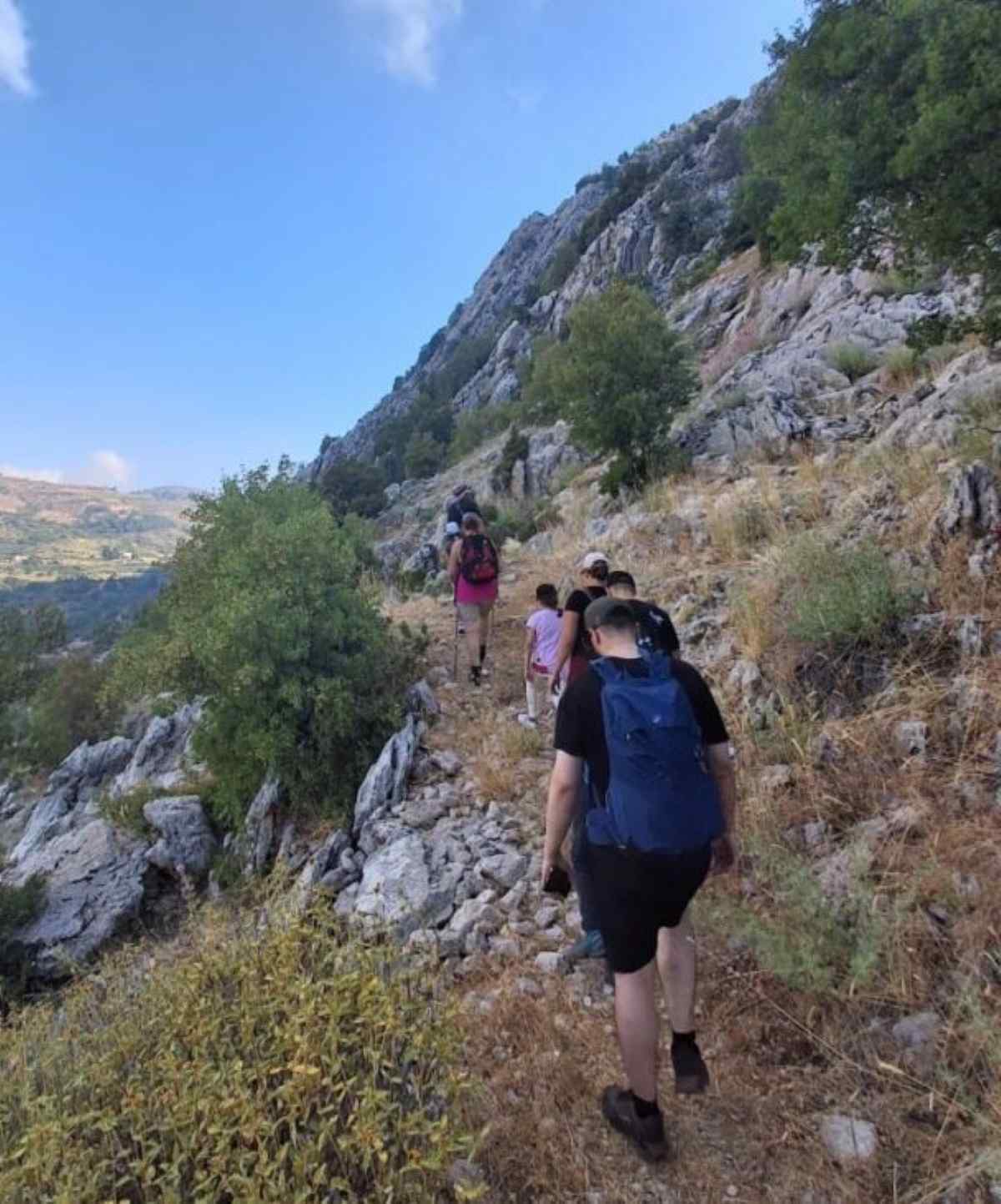
The best destination related to nature in Lebanon is the Chouf area, along with the villages of Barouk and Maasser el-Chouf. Activities like hiking, watching wild animals, and trips into the cedar forests offer amazing opportunities for visitors. The Chouf Biosphere Reserve, or the Al-Shouf Cedar Nature Reserve, is the largest in Lebanon and comprises vast mountainous areas. The management of the nature reserve involves conservation, scientific research, participation of the community, and sustainable development. This is particularly beneficial for tourists who like hiking and the famous cedar forests of Lebanon. According to the information presented on the official website of the Ministry of Environment of Lebanon, the nature reserve is open to visitors in the spring and autumn seasons from April to November, and there are special services in winter for skiing and hiking.
Barouk and Maasser el-Chouf Provide Key Access Points
Barouk and Maasser el-Chouf are among the principal access points for exploring the reserve and the surrounding mountain landscape.
The reserve can be reached from Beirut by travelling south along the coastal highway towards Damour before continuing inland towards Beiteddine and the Chouf villages. The reserve’s official visitor information states that the journey from Damour to the Park House in Maasser el-Chouf takes approximately 30 to 45 minutes, depending on road conditions and traffic.
Advertisement
Advertisement
Visitors can also reach the Barouk and Ain Zhalta-Bmohray entrances through the mountain road network around Maasser Beiteddine.
The location makes the reserve accessible as a day-trip destination from Beirut, while the surrounding villages provide opportunities for longer stays focused on hiking, food, culture and rural tourism.
Advertisement
Advertisement
Cedar Forests Remain The Heart Of The Visitor Experience
The Chouf reserve is closely associated with Lebanon’s iconic cedar forests, which form a central part of the region’s natural and cultural identity.
Hiking trails take visitors through mountain terrain with views towards the Bekaa Valley and the Mediterranean. Depending on the season and route, visitors can encounter different landscapes, vegetation and wildlife habitats.
The reserve’s tourism offer extends beyond walking. Birdwatching, mountain biking and snowshoeing are among the outdoor activities associated with the destination, while the surrounding villages provide opportunities to experience local food and rural life.
Visitors are required to stay on officially designated trails. The Ministry of Environment warns that leaving marked routes can cause environmental damage and can also create safety risks.
Protected Areas Require Responsible Visitor Management
Advertisement
Advertisement
The Chouf Biosphere Reserve operates under a conservation framework that places restrictions on activities capable of damaging the forest and surrounding ecosystems.
The Ministry of Environment’s visitor information prohibits activities including hunting, cutting trees or shrubs, collecting flora or fauna, littering, smoking and lighting fires. Camping is also prohibited except at a designated campsite near the Environmental Awareness Center in Ain Zhalta.
These rules are particularly relevant during periods of increased visitor activity, when hiking routes and viewpoints can experience greater demand.
For travellers, the requirements are straightforward: remain on marked trails, carry waste out or use designated disposal facilities, avoid disturbing wildlife and plants, and follow instructions from reserve staff.
Autumn Brings Strong Conditions For Mountain Tourism
Autumn is one of the established visitor periods for the reserve. The Ministry of Environment identifies the reserve’s main visitor season as extending through November, providing a window for hiking and other outdoor activities after the summer period.
Advertisement
Advertisement
The mountain environment also makes conditions different from those in Lebanon’s coastal cities. Temperatures can be cooler at higher elevations, while weather can change quickly.
Travellers planning longer hikes should therefore check local conditions, carry suitable footwear, water and weather-appropriate clothing, and follow the route guidance provided by the reserve.
Community Tourism Connects Conservation With Local Villages
The Chouf Biosphere Reserve’s role extends beyond protecting cedar forests. Its stated mission includes community development, heritage preservation, ecosystem services and stakeholder engagement.
This creates opportunities for tourism businesses and communities in the surrounding villages to participate in nature-based travel.
Visitors can combine hiking with local accommodation, restaurants, agricultural products and cultural experiences. Such activities allow travellers to explore the wider Chouf region rather than limiting their visit to the reserve’s forest trails.
Advertisement
Advertisement
The reserve is also involved in initiatives supporting sustainable agriculture. In 2026, the Chouf Biosphere Reserve began training under the LOCAL-STEP project, focusing on agroecological practices, record-keeping and self-assessment for farmers.
Travel Planning For Chouf Visitors
Travellers from Beirut generally need a private vehicle, taxi or organised tour to reach the Chouf mountain area, as the reserve’s principal entrances are located away from the capital’s urban transport network.
A vehicle can also make it easier to combine several attractions during one trip. Beiteddine Palace, Deir el-Qamar and other Chouf villages can be incorporated into broader regional itineraries.
Visitors focusing specifically on hiking should confirm the appropriate entrance and trail availability before departure. The reserve operates mainly during daylight hours, from sunrise to dusk, except for activities organised in advance by the reserve.
There is no general entrance fee according to the Ministry of Environment’s reserve information, although donations supporting reserve management are welcomed.
Advertisement
Advertisement
The Reserve’s Sustainable Tourism Model Continues To Develop
The Chouf Biosphere Reserve offers tourists an integrated package of conservation, hiking, and biodiversity protection along with community involvement in one of the major tourism landscapes of Lebanon. There is no evidence in the sources that the off-grid solar-powered electric bus service between Barouk and Maasser el-Chouf was started on 15th September 2026, or a new car-free zone was created in the protected cedar forest. What we do know from the confirmed tourism package, however, is that there are visitor regulations, hiking paths, limitations of harmful actions for the environment, as well as an emphasis on conservation and community involvement. This is what tourists have to take into account when visiting the area in the autumn.
Advertisement
