
Vietnam Hotels Now Face Revenue Challenge as Direct Booking Gains Ground

Published
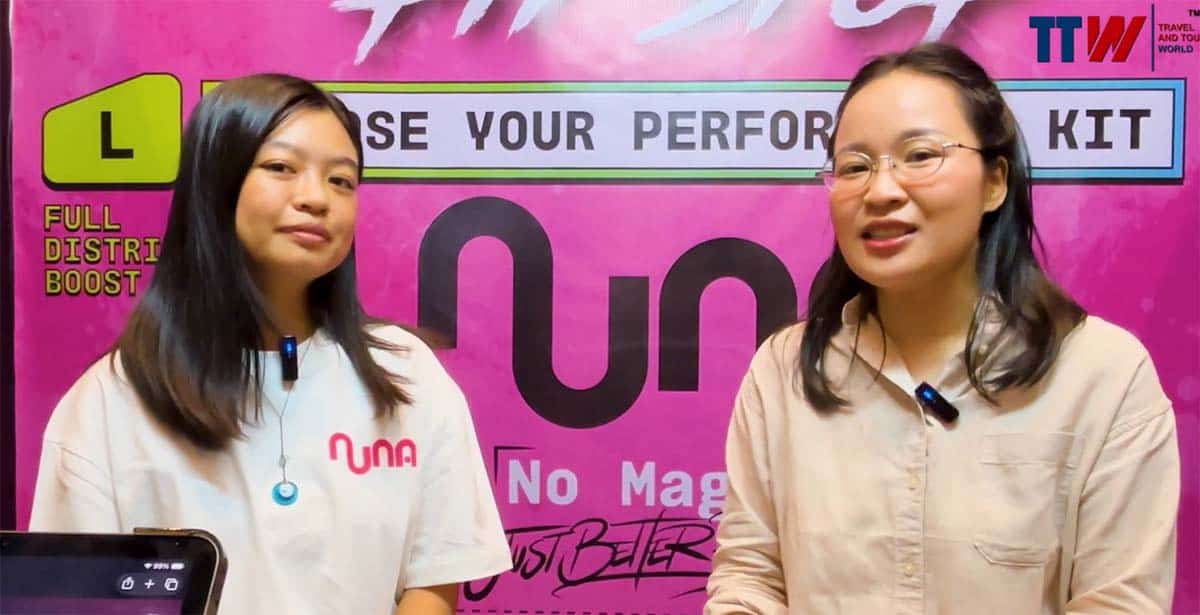
Vietnam hotels face a growing revenue challenge as tourism expands. Direct booking, smarter pricing and technology are gaining attention as operators seek stronger profits without relying too heavily on third-party channels.
Vietnam’s hotels are facing a new revenue challenge even as tourism demand remains strong. As international visitors return and hotel competition increases, properties must do more than fill rooms. They need to price correctly, control distribution costs, attract direct bookings and protect profitability.
Advertisement
Advertisement
Meanwhile, travellers can compare hotels, rates and experiences across multiple digital platforms before making decisions. This is putting greater pressure on hotel operators, particularly smaller properties with limited commercial resources. At HORECFEX Vietnam 2026, Mia Le of Nuna told Travel and Tour World that direct booking and revenue management are becoming important opportunities for Vietnam’s hospitality industry.
Vietnam’s hotel revenue challenge is changing
Vietnam’s hospitality industry is benefiting from strong tourism growth, but rising demand does not automatically guarantee stronger hotel profits.
Advertisement
Advertisement
The commercial challenge is increasingly about how properties convert demand into profitable room revenue. Hotels must balance occupancy with average room rates while considering seasonality, competition, booking patterns and distribution costs.
Advertisement
Advertisement
A room sold through an external booking platform may generate valuable demand, but the hotel also has to consider the cost of that distribution. Direct bookings, meanwhile, can give properties greater control over the customer relationship.
That balance is becoming particularly important as travellers gain easier access to hotel comparisons, reviews and prices online.
Direct booking becomes a strategic priority
Mia Le, Nunatic Project & Growth Lead at Nuna, said direct booking is one of the areas she sees as having strong potential in Vietnam.
Advertisement
Advertisement
She explained that Vietnamese hotels have spent years adapting to online distribution and OTA-led sales. However, based on Nuna’s work with hotels in the market, she said operators are increasingly looking to develop direct channels and generate more business independently.
The distinction matters. OTAs can provide hotels with significant market reach, particularly among travellers searching internationally. Direct channels can instead help properties build a closer relationship with customers and potentially reduce dependence on third-party distribution.
Advertisement
Advertisement
Neither channel is automatically better in every situation. The revenue-management challenge is deciding when and where each channel makes commercial sense.
Smaller hotels face resource constraints
Revenue management can become especially difficult for smaller properties.
Mia said Nuna has observed hotels where limited staff must manage a broad range of sales responsibilities. In such circumstances, pricing, distribution and revenue optimisation may compete for the same person’s attention.
This is one reason technology is increasingly relevant to hotel commercial operations.
A revenue strategy requires continuous attention to demand, rates, room availability and distribution performance. Smaller properties may not always have dedicated teams for every function.
Advertisement
Advertisement
Nuna expands into revenue management
Nuna is presenting two main solutions at HORECFEX Vietnam 2026, according to Mia: Nuna Direct and its newer revenue-management service, referred to in the interview as Nuna HQ.
Mia said Nuna HQ is designed to support hotels with revenue-related activities including distribution strategy, pricing and efforts to improve profitability. She said the company developed the service after seeing hotels struggle to maximise their selling potential with limited personnel.
She also said the service incorporates AI technology, reporting and a real-time database intended to support hotel decision-making.
Those capabilities are Nuna’s stated offering; the interview does not independently establish a specific percentage increase in revenue or profitability.
Technology cannot replace the guest experience
Revenue optimisation is only one part of hotel performance.
Advertisement
Advertisement
Mia identified experience as a major priority for travellers in 2026. She pointed to greater exposure to hotels through social media and digital platforms, giving guests more opportunities to compare properties and services before booking.
That creates another commercial pressure. Hotels must compete not only on price but also on service, reputation and the quality of the overall stay.
For operators, the strongest revenue strategy therefore cannot be separated from the guest experience.
Why Vietnam’s hotel revenue challenge matters
Vietnam’s tourism growth creates an important opportunity for accommodation businesses. More visitors can mean more room nights, but competition for those visitors is also increasing.
Hotels must decide how much inventory to place across OTAs and direct channels, how to price different room categories, when to adjust rates and how to turn first-time guests into repeat customers.
Advertisement
Advertisement
Mia said Nuna’s longer-term objective is to help hotels improve revenue and then move towards stronger direct booking, which she sees as part of a more sustainable growth model.
The wider lesson is clear: Vietnam’s hotel revenue challenge is no longer simply about attracting guests. It is about managing demand intelligently, protecting margins and building stronger customer relationships.
Nuna Targets Vietnam’s Hotel Revenue Challenge with Direct Booking and Revenue Management Solutions
Vietnam’s hospitality industry is seeing growing interest in technology, direct booking and more sustainable hotel distribution, according to Mia Le, Nunatic Project & Growth Lead at Nuna, who spoke exclusively with Travel and Tour World during HORECFEX Vietnam 2026.
Nuna, which Mia described as a technology and consulting startup, returned to the event for a second year as it seeks to increase awareness of its hospitality technology solutions in Vietnam. According to Mia, the company has been operating in the Vietnamese market for two years and sees events such as HORECFEX as an opportunity to present its products directly to hospitality professionals.
Nuna sees direct booking as a major opportunity
Asked about business opportunities in Vietnam’s hospitality market, Mia focused on the technology segment, particularly direct booking.
Advertisement
Advertisement
She said hotels in Vietnam have historically relied heavily on online travel agencies (OTAs) for distribution, but she is seeing greater interest among hotel operators in developing direct booking channels.
“Vietnam has been adapting online distribution for a long time,” Mia said, pointing to the strong role of OTAs in the market. At the same time, she said hotels she works with are increasingly looking for ways to generate more bookings through their own direct channels.
For Nuna, that shift represents an opportunity to help hotels build a closer relationship with their customers while reducing dependence on third-party distribution.
Mia particularly highlighted smaller hotels, which she said can be dependent on third-party channels and may have limited resources available for sales and distribution activities.
Technology is changing hotel distribution
Mia described technology as a major force reshaping hospitality distribution.
Advertisement
Advertisement
Traditional hotel distribution once depended heavily on travel agents and tour operators. The growth of online platforms subsequently allowed hotels to become more visible to travellers across digital channels.
She said the emergence of artificial intelligence is adding another layer to how travellers discover and compare hotels.
For technology companies such as Nuna, she argued, these changes also create opportunities to develop tools that can help hotels improve their distribution, sales and marketing capabilities.
Her comments reflect a broader transition from traditional distribution towards increasingly digital approaches, although she did not claim that technology has replaced conventional channels entirely.
Sustainability linked to direct hotel relationships
Sustainability is another part of Nuna’s stated business direction, according to Mia.
Advertisement
Advertisement
She connected the company’s focus on direct booking with what she described as a more sustainable commercial approach for hotels. In her view, greater direct distribution can reduce reliance on third parties while helping hotels maintain a relationship with their customers.
Mia also associated direct distribution with potential cost savings and increased hotel revenue.
“This is the sustainable way for them to having a relationship with clients, saving the cost and increasing the revenue,” she said.
These are Nuna’s strategic views rather than independently measured claims about the financial or environmental impact of direct booking. The interview did not provide specific data quantifying those effects.
What guests may want in 2026
For Mia, the key word describing the modern hotel guest is experience.
Advertisement
Advertisement
She said travellers are increasingly exposed to hotels through social media and other digital channels. That exposure gives them more opportunities to compare properties, services and experiences before deciding where to stay.
As a result, she believes hotels are being judged on more than the accommodation itself.
Mia pointed to service, treatment of guests and the overall standard of the hospitality experience as increasingly important considerations.
Her assessment is based on her experience working with hotels and observing the market rather than on a specific guest survey presented during the interview.
Nuna introduces revenue management service
At HORECFEX Vietnam 2026, Nuna was showcasing two main products, according to Mia.
Advertisement
Advertisement
The first is Nuna Direct, which she described as a solution designed to help hotels generate more direct sales.
The company is also introducing its revenue management offering, referred to during the interview as Nuna HQ.
Mia said the company developed the revenue management service after observing challenges faced by smaller hotel operations. In some cases, she said, one person may be responsible for a wide range of sales-related tasks, limiting the hotel’s ability to focus on revenue optimisation.
She explained that Nuna’s revenue service is intended to handle areas including hotel distribution strategy, pricing and efforts to increase profitability.
“We take care of everything related to the revenue of the hotel in terms of selling,” Mia said, adding that the service focuses on distribution strategy, pricing and increasing hotel profit.
Advertisement
Advertisement
AI and real-time reporting
Mia also highlighted the use of AI technology and reporting within Nuna’s offering.
She said the service includes reports and a real-time database intended to give hotels information that can support decision-making.
However, the interview did not provide technical details about the underlying AI systems, specific algorithms, integrations, performance results or independent validation. Those details therefore cannot be established from the interview alone.
The emphasis from Mia was on using technology and real-time information to help hotel operators make better decisions around revenue and distribution.
Nuna’s growth plans in Vietnam
Nuna’s immediate goal is to acquire more clients and expand the reach of its revenue management service, Mia said.
Advertisement
Advertisement
She wants the Nuna HQ service to reach more hotels in the market, with the longer-term objective of helping hotels improve revenue and subsequently convert that revenue into stronger direct-booking performance.
The company’s stated direction is therefore not simply to increase hotel revenue through distribution management, but eventually to support hotels in developing more direct relationships with customers.
Mia described that as part of Nuna’s longer-term vision for sustainable growth.
A growing Vietnamese hospitality technology market
Looking at Vietnam’s hospitality sector more broadly, Mia expressed confidence in the market’s growth.
She said she has encountered hospitality professionals of different generations who are contributing to the development of the industry.
Advertisement
Advertisement
Her message to the sector was centred on continued collaboration, innovation and sustainability rather than a specific commercial prediction.
Mia said she believes the industry can work towards a more sustainable approach to tourism and hospitality while continuing to grow.
For Nuna, that ambition is closely connected to its focus on technology, revenue management and direct hotel distribution.
The bigger picture
Mia Le’s comments at HORECFEX Vietnam 2026 underline three areas that Nuna believes are increasingly important to Vietnam’s hotel sector: direct booking, revenue management and technology-enabled decision-making.
The interview does not establish that these approaches are universally adopted across Vietnam, nor does it provide independent evidence that Nuna’s products deliver particular revenue increases. What it does show is how one hospitality technology startup is positioning its services around challenges it says it has observed among hotels operating in the Vietnamese market.
Advertisement
Advertisement
As Vietnam’s hospitality industry continues to develop, the balance between OTA distribution and direct hotel sales is likely to remain an important commercial consideration for hotel operators. Nuna is seeking to position itself within that transition through its direct-booking and revenue-management offerings.
For Mia, the objective is ultimately broader than technology alone: helping hotels build stronger direct relationships with guests while pursuing what Nuna considers a more sustainable path for hospitality growth.
Advertisement
