

Mali Travel Risks are Severe as Attacks and Fuel Shortages Mean It is Better to Put Trips on Hold Now

Published
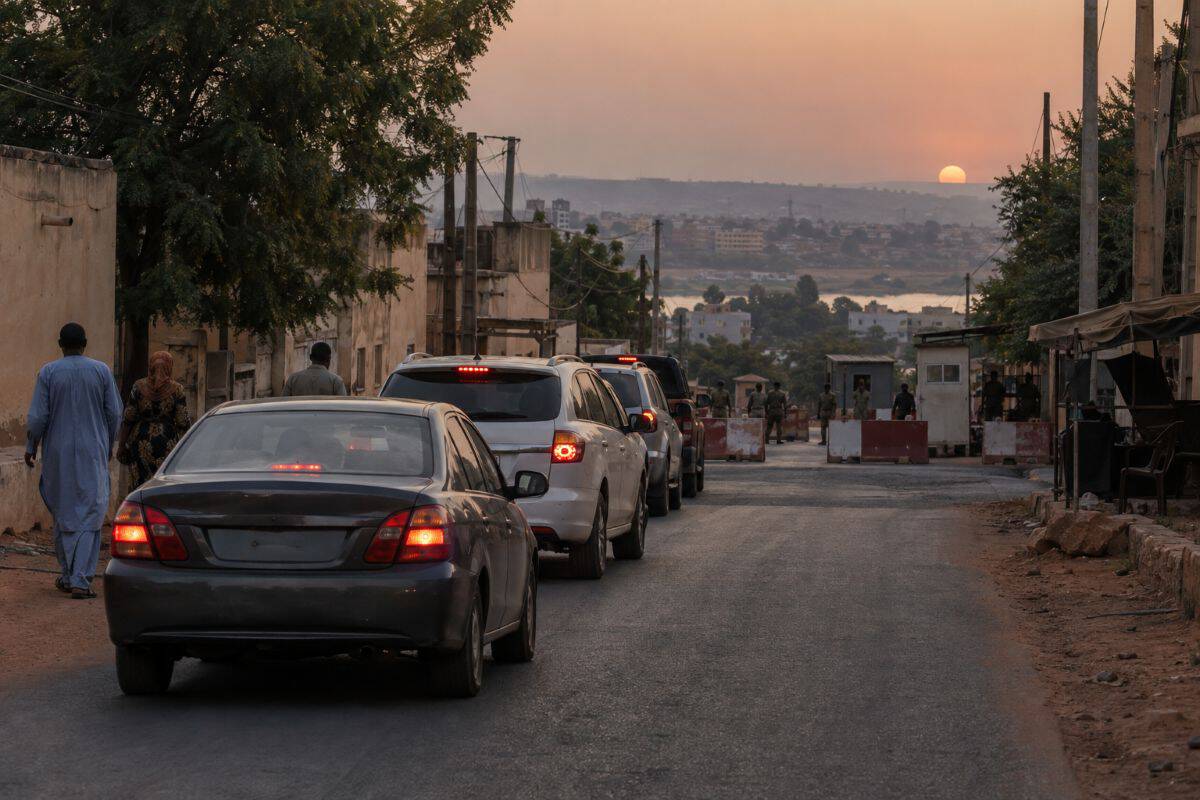
Mali remains under advice against all travel from British, Canadian and Australian authorities as of 12 October 2026. Travel Risks centre on armed violence, dangerous roads and disrupted essential services, including around Bamako. Attacks and Fuel Shortages complicate departure arrangements for visitors and residents. The reviewed official guidance describes continuing insecurity, rather than confirming a new attack on 12 October. It also does not establish that Bamako airport is closed that day.
Evidence Shows Travel Risks Centre on Safety and Access
The central story concerns safety and access, with direct implications for people already in Mali. The percentages below are an editorial assessment of the story’s emphasis, based on the importance and extent of confirmed evidence. They total 100% and are not official statistics, incident probabilities, measures of affected travellers or estimates of tourism losses.
| News Component | Share of Story | Officially Verified Finding | Relevance to Travellers | Official Source |
|---|---|---|---|---|
| Security | 40% | Advice against travel covers the whole country. | Discretionary journeys face nationwide warnings. | British and Canadian government advisories. |
| Transport | 25% | Airport access can change; overland departures are dangerous. | Departure arrangements require current checks. | British and Australian government advisories. |
| Essential services | 15% | Fuel shortages and lengthy power cuts disrupt services. | Water, communications and payments may be affected. | Canadian government advisory. |
| Health and assistance | 15% | Healthcare and consular support are severely limited. | Treatment and evacuation need careful consideration. | British and Australian government advisories. |
| Entry documents | 5% | Visa and passport requirements vary by nationality. | Travellers must check their applicable rules. | British and Canadian entry guidance. |
The evidence establishes serious disruption and constraints on movement. It does not provide a measured fall in visitor arrivals, hotel occupancy or tourism revenue. There is also no verified basis here for claiming that every hotel has closed. Entry requirements remain relevant, but the security warnings are not themselves an announcement of a new visa ban.
Supply Route Attacks Preceded the Current Warnings
Official guidance records intensified attacks on fuel tankers and road blockades from September 2025. It directly connects this disruption with severe fuel shortages, transport difficulties and reduced essential services. On 25 April 2026, armed attacks affected Kidal, Gao, Kati and areas near Bamako International Airport. A temporary airport closure followed. Further coordinated attacks on 4 July targeted military installations across several cities, including Anefis, Aguelhoc, Gao, Sevare and Kenioroba. These events explain the chronology behind the continuing warnings.
Advertisement
Advertisement
Travel Risks remain relevant beyond those incident dates. The British advisory was current on 12 October, following an update dated 10 July; the Australian advisory showed an 11 June update. Canada’s latest update, dated 9 October, concerned weather information. A page remaining current does not mean another attack has occurred. Across the advisories, the practical position remains consistent: avoid travel and, if already present, leave commercially when it is safe to do so.
Travel Risks Combine Uncertain Access With Service Disruption
Airport Availability Does Not Establish a Safe Route
Bamako airport may open or close at short notice. Departures and arrivals can also face cancellations or diversions. Official warnings advise against leaving through neighbouring countries by road because attacks affect national highways. An administratively open border does not establish that the approach roads are safe. This distinction matters to visitors, business travellers and residents considering their departure options.
Advertisement
Advertisement
The operational implication is that a booking alone cannot settle departure planning. Reaching the terminal, confirming the service and responding to restrictions require separate checks. This is an assessment of the documented transport risks, not confirmation that every airport transfer or departure has stopped. Carriers and local security instructions remain essential sources for immediate arrangements.
Fuel Shortages and Power Cuts Affect the Whole Stay
Attacks and Fuel Shortages link transport problems with broader service pressures. Official guidance reports power outages across Mali that can last more than eight hours. That duration exceeds one third of a day, although the guidance gives no national average or comparison period. Water supplies, telecommunications and banking transactions can be affected during interruptions.
Hotels, restaurants, cultural venues and tourist attractions also appear among potential targets. These warnings explain the relevance to tourism operations without proving changes in bookings, visitor confidence or expenditure. The strongest confirmed causal connection is between attacks on supply routes and fuel shortages. Power disruption adds another constraint; the sources do not attribute every outage to the blockade.
Documents, Insurance and Emergency Help Need Separate Checks
British visitors require a visa, with applications and payments handled online and an electronic entry permit issued after approval. Applicants need not send documents to the Malian embassy in Brussels. British citizen passports must remain valid throughout the stay. Ordinary Canadian passports need six months’ validity beyond the expected departure from Mali, and visas must be obtained before arrival. Australian visitors need visas and valid yellow fever vaccination certificates; British visitors also require vaccination proof. These nationality-specific requirements are not interchangeable. Transport providers may apply document requirements that are stricter than the destination’s entry rules. Travellers should check both, including requirements for any transit country, rather than applying another nationality’s passport guidance to their own journey.
Travel Risks also extend to insurance and access to care. Travelling against official advice could invalidate cover, while limited medical facilities may require upfront payment. Serious illness or injury can require expensive evacuation. Medical evacuation means moving a patient to a location with suitable treatment. Australians have no agreement providing free healthcare in Mali and must pay for treatment, hospital stays and any evacuation. Attacks and Fuel Shortages make reliable movement especially important when help is needed. Australia has no embassy or consulate in Mali, although Canada’s embassy in Bamako can assist Australians, including with provisional travel documents. Security conditions severely constrain assistance, and travellers should not assume an evacuation will be available.
Check Departure Arrangements and Follow Official Instructions
People already in Mali face Travel Risks that require immediate attention to local conditions. Official guidance supports departure by commercial means when safe, alongside preparations for possible restrictions on movement. The following actions reflect the published advice rather than a guarantee that any journey can proceed:
Advertisement
Advertisement
- Confirm departure arrangements with the carrier before attempting airport access.
- Avoid overland departures through neighbouring countries and follow official security instructions.
- Carry identity documents and comply with checkpoints, curfews and movement restrictions.
- Keep food, water, necessary medicines and emergency supplies available.
- Avoid demonstrations and other large public gatherings.
- Confirm passport, visa and vaccination requirements with the relevant consular authority.
- Review insurance exclusions and contact the travel provider about changed bookings.
- Avoid photographing military sites, transport facilities and government buildings.
- Obtain export permission for cultural or archaeological objects.
- Same-sex activity is illegal.
No confirmed timetable appears in the reviewed guidance for ending shortages or lifting travel warnings. Future decisions depend on verified changes to security, transport access and essential services. Emergency response is limited: the published numbers are 15 for an ambulance, 17 for police and 18 for fire services. Travellers should monitor official updates and seek direct confirmation of arrangements.
Continuing Warnings Leave the Recovery Outlook Unresolved
Mali’s Travel Risks remain serious because insecurity affects movement, essential services and access to emergency support. Attacks and Fuel Shortages complicate departures, while dangerous roads prevent open borders from providing reassurance. The official position continues to advise against travel and supports commercial departure when safe. The reviewed evidence confirms neither a new attack on 12 October nor an airport closure that day. Tourism losses and the timing of recovery remain unquantified. Travellers should check their own document requirements, understand insurance limits and follow current security instructions. Reliable official updates, rather than assumptions about improving conditions, must guide the next decision.
Advertisement
