
Estonia Travel Takes a Wild Turn as Soomaa, Saaremaa and Tartu Expand the Tourist Trail

Published
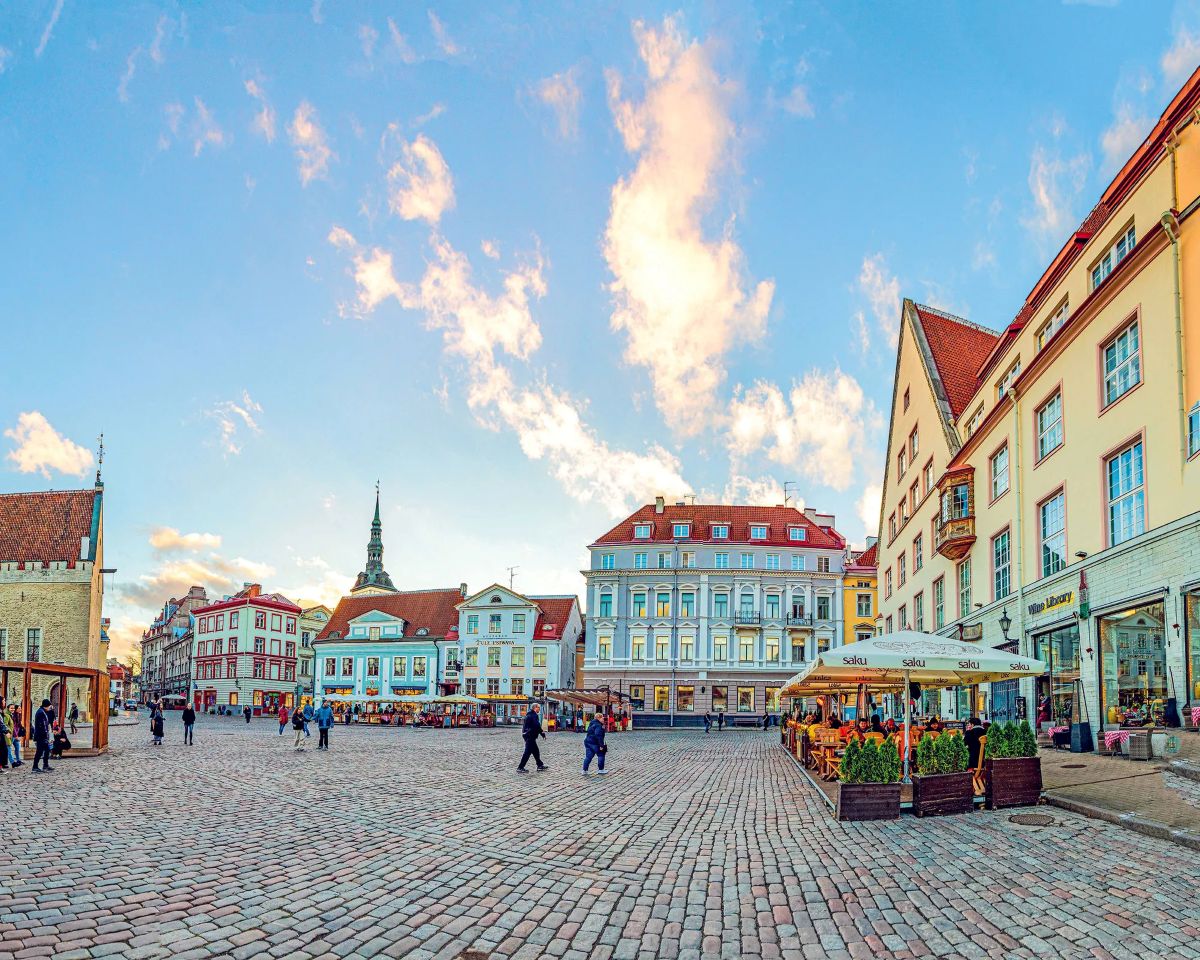
Estonia is emerging as a compelling European travel destination for visitors seeking culture, wilderness and distinctive local experiences. In 2025, Estonian accommodation establishments recorded nearly 3.7 million tourists, up 2% year on year, although still 3% below 2019 levels. Foreign arrivals to accommodation establishments rose 5%, reaching nearly 1.95 million visitors.
The country’s appeal extends well beyond Tallinn’s medieval centre. Estonia travel increasingly connects historic cities with bogs, forests, islands, wildlife areas and distinctive cultural traditions. From Soomaa’s seasonal floods to Saaremaa’s island character and Tartu’s intellectual heritage, the destination offers a varied portfolio across a relatively compact territory.
Tallinn Opens the Door to Estonia’s Many Sides
Tallinn remains the natural starting point for exploring Estonia. Its UNESCO-listed medieval centre offers an instantly recognisable European cityscape, with defensive towers, church spires, cobbled lanes and historic squares.
Yet the capital becomes more interesting beyond the Old Town. Kadriorg introduces grand parks and museums, while Telliskivi adds creative spaces, restaurants and contemporary urban culture. Kalamaja and Rotermann provide further contrasts between historic architecture and modern development.
Advertisement
Advertisement
For travellers arriving during the cruise season, timing can materially change the experience. The Old Town can become crowded when large ships are in port. Visitors seeking a quieter experience can explore the city’s outer neighbourhoods during peak arrival periods.
Tallinn also works effectively as a base for excursions into the surrounding countryside. That combination gives the capital an important role in Estonia’s wider tourism ecosystem.
Advertisement
Advertisement
Soomaa Turns Spring Floods Into Adventure
One of Estonia’s most distinctive nature experiences occurs far from the capital in Soomaa National Park. The park’s annual flooding creates what locals call the “fifth season”, transforming forests, meadows and roads into temporary waterways.
The phenomenon usually develops around late March or early April. However, weather conditions determine its exact timing. Visit Estonia says flooding can cover up to 17,500 hectares of low-lying forests, roads and meadows.
That makes canoeing or kayaking more than a recreational activity. It becomes a way to navigate a landscape that temporarily changes its physical character.
The park was established in 1993 to protect extensive bogs, floodplains, wooded meadows and forests. Its traditional haabjas dugout canoe also carries cultural significance. UNESCO added the craft tradition to its Intangible Cultural Heritage list in 2021.
Travellers should plan around nature rather than against it. Water levels can change rapidly, while early spring weather can shift between sunshine, rain and snow. Local visitor guidance therefore recommends checking conditions before travelling.
| Experience | Best period | What travellers can expect | Planning consideration |
|---|---|---|---|
| Soomaa fifth season | Usually late March–early April | Flooded forests and meadows | Exact dates depend on weather |
| Riisa boardwalk | Most seasons | Bog landscapes and viewpoints | Trails can become wet |
| Canoeing | Flood season and warmer months | Rivers, forests and wetlands | Local conditions matter |
| Haabjas experience | Year-round, subject to availability | Traditional Estonian boat culture | Advance arrangements advisable |
| Wildlife watching | Year-round | Beaver, birds and larger mammals | Guided trips improve opportunities |
The wider sustainability message also matters. Estonia’s tourism authorities encourage visitors to travel outside peak periods and use responsible operators. Soomaa, Matsalu and Lahemaa have received recognition through the European Charter for Sustainable Tourism framework.
Advertisement
Advertisement
Estonia’s Bogs Offer a Different Kind of Escape
Estonia’s wetlands challenge the conventional image of European sightseeing. Instead of monumental architecture, visitors encounter open peatlands, wooden walkways, mist and unusually quiet landscapes.
Boardwalk trails make several bog environments accessible without requiring specialist equipment. Viru and Riisa are among the better-known options, while smaller wetlands offer opportunities for travellers seeking less frequented landscapes.
The experience also fits the growing demand for nature-based tourism. Visit Estonia highlights thousands of kilometres of hiking trails across national parks, alongside boardwalks and observation towers.
For travellers combining city and nature breaks, Tallinn’s proximity to outdoor attractions strengthens the country’s appeal. A short urban stay can therefore become part of a broader itinerary involving forests, wetlands and coastal landscapes.
Saaremaa Brings Baltic Island Life Into Focus
Estonia’s island geography adds another dimension to its tourism proposition. The country contains more than 2,000 islands and islets, creating possibilities for coastal exploration beyond mainland destinations.
Saaremaa is the largest and most established island experience. Its landscape combines historic churches, traditional farmhouses, windmills, juniper-covered terrain and the medieval Kuressaare Episcopal Castle.
Advertisement
Advertisement
The island also has a strong wellness identity. Spas form an important part of its visitor economy, giving travellers an alternative to conventional sightseeing.
Smaller islands provide a more intimate experience. Ruhnu, Vormsi and Kihnu can appeal to travellers interested in maritime traditions, rural life and slower journeys.
For tourism planners, this island network also creates opportunities for longer stays. Instead of treating Estonia as a short Tallinn break, travellers can construct multi-stop itineraries around the Baltic coast.
Tartu Adds an Intellectual Counterpoint
Tartu provides a markedly different urban experience. Estonia’s second city has long been associated with its university, students, intellectual life and cultural institutions.
The city’s atmosphere contrasts with Tallinn’s commercial and medieval appeal. Cafés, public spaces, museums and university buildings create a more youthful cultural environment.
The Estonian National Museum strengthens Tartu’s role within the national tourism circuit. Its exhibitions explore Estonia’s history and Finno-Ugric cultural connections, offering context that extends well beyond the country’s modern identity.
Advertisement
Advertisement
For international visitors, Tartu is particularly useful as a gateway into southern Estonia. It can form part of an itinerary that includes Otepää, Setomaa and other rural landscapes.
Wildlife Makes Estonia’s Nature Tourism Stronger
Estonia’s relatively low population density leaves substantial space for forests, wetlands and wildlife. Statistics Estonia currently records national population density at 31.3 inhabitants per square kilometre.
That landscape supports a substantial wildlife-watching proposition. National parks provide habitats for bears, lynxes, wolves, moose and beavers. Visit Estonia also identifies more than 380 bird species across the country’s national parks.
Matsalu and Vilsandi are particularly relevant for birdwatchers. Their coastal ecosystems sit within important migration landscapes, adding a specialist tourism segment to Estonia’s broader nature offering.
Wildlife tourism also encourages longer visits. Travellers seeking particular species often need several days and flexible schedules. That benefits rural accommodation providers and specialist guides.
Estonia’s Living Heritage Adds Cultural Depth
Nature is only one part of the destination’s identity. Estonia’s cultural traditions provide another strong reason to travel beyond the capital.
Advertisement
Advertisement
The national Song and Dance Celebration remains among the country’s most significant cultural events. The tradition connects music, identity and national history, while the event attracts enormous audiences to Tallinn.
The next major celebration takes place in 2028, with dance events scheduled for the first July weekend and song events following the next weekend. Visit Estonia says the Tallinn Song Festival Grounds can accommodate approximately 70,000 spectators at a time.
For international travellers, the festival offers a powerful reason to plan well ahead. Accommodation demand can rise sharply around major cultural events, particularly when performers and spectators converge on Tallinn.
Winter Reveals Another Estonia
Estonia’s tourism calendar changes substantially with the seasons. Winter introduces cross-country skiing, snow-covered forests, frozen waterways and a distinctly Nordic atmosphere.
Otepää has long been associated with winter sports, while southern Estonia provides additional skiing and outdoor opportunities. The President’s Trail near Aegviidu offers another route through forest landscapes.
This seasonal diversity matters for tourism businesses. Estonia does not need to rely exclusively on summer city breaks. Instead, it can distribute visitor demand across winter sports, spring floods, summer islands and autumn nature.
Advertisement
Advertisement
| Travel season | Core experiences | Strongest visitor appeal |
|---|---|---|
| Spring | Soomaa floods, waterfalls, birdwatching | Nature and adventure |
| Summer | Islands, Midsummer, Tallinn | Culture and outdoor travel |
| Autumn | Forests, bogs, wildlife | Slow and nature tourism |
| Winter | Skiing, frozen landscapes, museums | Active and cultural travel |
Tourism Data Shows Recovery With Room to Grow
The latest official statistics provide useful context for Estonia’s tourism position. Accommodation establishments served nearly 3.7 million tourists in 2025, representing a 2% annual increase. Foreign tourists rose 5%, while domestic tourists declined 1%.
However, the recovery remains uneven against the pre-pandemic benchmark. Foreign accommodation arrivals were still 13% below 2019, while domestic tourist numbers were 13% higher than the same benchmark.
Finland, Latvia and Germany supplied the largest foreign visitor markets in 2025. That geographic pattern underlines Estonia’s strong position within the Baltic and Northern European travel network.
Separate national data also recorded 4.6 million foreign trips to Estonia in 2025, up 5% from 2024. Multi-day trips reached 2.8 million, also increasing 5%.
| Indicator | 2025 result | Change |
|---|---|---|
| Tourists accommodated | Nearly 3.7 million | +2% year on year |
| Foreign tourists accommodated | Nearly 1.95 million | +5% |
| Domestic tourists accommodated | Around 1.74 million | -1% |
| Foreign accommodation visitors vs 2019 | 13% lower | Recovery incomplete |
| Domestic accommodation visitors vs 2019 | 13% higher | Above pre-pandemic level |
| Foreign trips to Estonia | 4.6 million | +5% |
| Foreign multi-day trips | 2.8 million | +5% |
These figures suggest that Estonia’s tourism proposition is broadening rather than relying solely on capital-city demand. Nature, culture, islands and regional cities provide multiple reasons to extend stays.
Practical Planning Can Improve the Experience
Travellers should build itineraries around Estonia’s seasonal character. Tallinn works throughout the year, but Soomaa requires much greater flexibility because its defining flood season depends on weather.
Advertisement
Advertisement
Nature trips also require sensible preparation. Waterproof clothing, suitable footwear and advance checks can make a significant difference during spring and autumn.
Island travel needs similar planning. Ferry schedules and weather can influence connections, particularly when travelling to smaller islands.
Travellers should also consider staying outside Tallinn for part of the journey. Tartu, Pärnu, Viljandi and Saaremaa can distribute spending across regional tourism economies while producing a more varied itinerary.
For official destination information, Visit Estonia provides national tourism guidance maintained by the Estonian Business and Innovation Agency.
The official national tourism portal can be accessed here: Visit Estonia
For official visitor statistics, travellers and industry professionals can consult: Statistics Estonia Tourism Data
Advertisement
Advertisement
Why Estonia Rewards A Longer Journey
Estonia’s strength lies in the unusual proximity of contrasting experiences. A visitor can move from medieval Tallinn to flooded forests, Baltic islands, university culture and remote wetlands within the same national itinerary.
The latest tourism figures show a market recovering steadily, particularly through foreign demand. Yet the destination’s wider opportunity lies beyond simple visitor-volume growth. Longer stays, regional dispersal and nature-led travel can deepen tourism’s economic contribution.
For travellers, Estonia offers something increasingly valuable: variety without excessive distance. Its appeal rests not on one landmark, but on the relationship between culture, wilderness, seasonal change and local identity.
Frequently Asked Questions About Estonia Travel
1. What are the best places to visit in Estonia?
Tallinn, Soomaa National Park, Saaremaa and Tartu offer some of Estonia’s most distinctive experiences. Travellers can combine medieval architecture, wetlands, islands, wildlife and cultural attractions in one itinerary.
2. When is the best time to visit Soomaa National Park?
Late March and April can be particularly rewarding during Estonia’s famous fifth season, when snowmelt and heavy rainfall flood forests and meadows. Exact conditions vary each year.
3. Is Estonia suitable for nature and adventure tourism?
Yes. Estonia offers kayaking, hiking, cross-country skiing, birdwatching, wildlife tours and island cycling. Its national parks and extensive wetland landscapes provide strong opportunities for outdoor travel.
Advertisement
Advertisement
4. How many days are enough for an Estonia trip?
Around five to seven days can provide a balanced introduction. Travellers can combine Tallinn with Tartu, Soomaa or Saaremaa, while longer trips allow greater exploration of Estonia’s islands and rural regions.
5. Why is Saaremaa popular with travellers?
Saaremaa combines Baltic coastline, historic architecture, traditional villages, windmills, nature and spa tourism. Its slower pace also makes it attractive for travellers seeking an alternative to conventional European city breaks.
Advertisement
