
Canada Joins Forces With Antarctica And More As Premium Polar Travel Redefines Luxury

Published
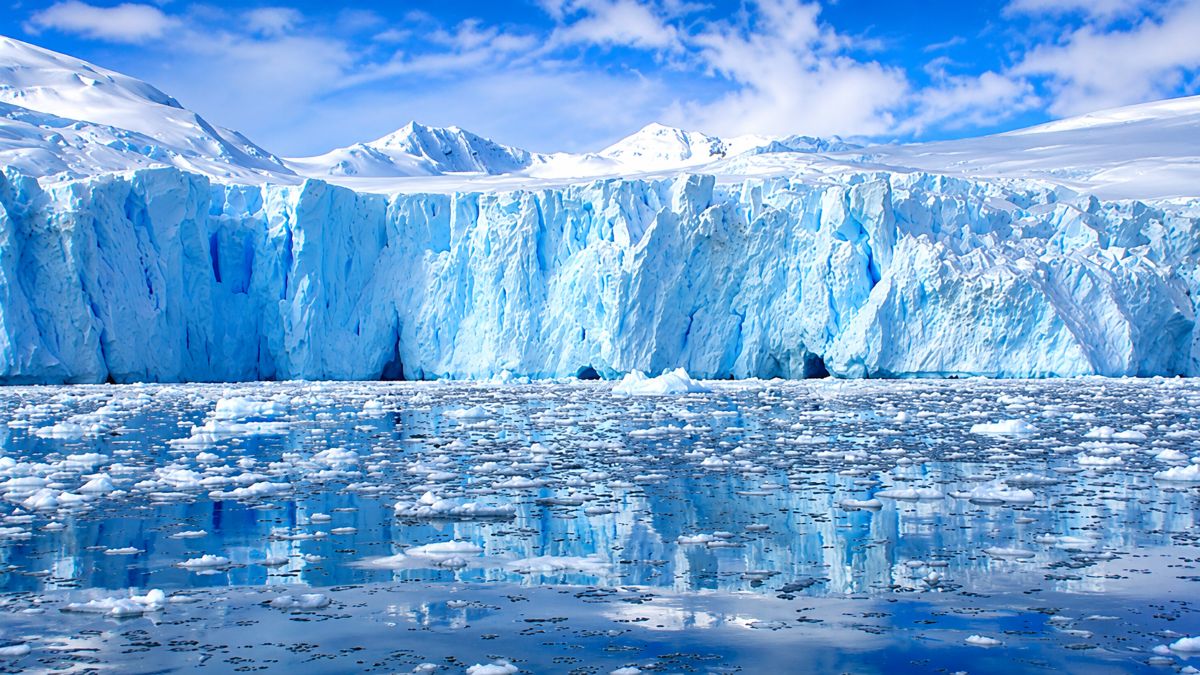
Polar expedition travel is emerging as an important indicator of how premium tourism is changing, with travellers increasingly looking beyond conventional luxury defined by larger ships, extensive facilities and conventional leisure. Instead, demand is moving towards rare access, specialist knowledge, intimate encounters and experiences that are difficult to replicate elsewhere. The trend is particularly visible in Antarctica and the Arctic, where expedition operators are combining small-vessel travel with expert interpretation, wildlife encounters, photography, kayaking, education and conservation-focused activities.
The changing pattern is also influencing how travellers plan and purchase high-value holidays. According to Sam Seward, President of Quark Expeditions, Antarctica is seeing earlier booking cycles and higher average booking values, while Arctic travel has historically been more associated with late bookings. The observation provides a useful window into premium travel behaviour, where securing a specific itinerary and specialist experience can increasingly matter as much as the destination itself.
Advertisement
Advertisement
Why Polar Expeditions Are Entering Premium Tourism
Expedition cruising differs significantly from mainstream cruise holidays. Rather than concentrating primarily on onboard entertainment and large-scale amenities, polar expeditions are structured around access to remote environments. Smaller ships, specialist crews, naturalists, scientists, photographers and expedition guides form an important part of the overall product.
Quark Expeditions, which focuses exclusively on polar travel, operates a fleet of small expedition vessels carrying fewer than 200 guests. Its itineraries cover destinations including Svalbard, Iceland and Greenland in the Arctic and the Antarctic Peninsula during the Southern Hemisphere season. The emphasis is on bringing travellers closer to wildlife, landscapes, history and scientific understanding.
Advertisement
Advertisement
| Premium Polar Travel Element | Traveller Experience |
|---|---|
| Small expedition vessels | Greater access to remote destinations |
| Expert-led excursions | Deeper interpretation of wildlife and landscapes |
| Guided photography | Specialist tuition and dedicated experiences |
| Citizen science | Participation in research-oriented activities |
| Kayaking and Zodiac excursions | Closer encounters with polar environments |
| Sustainability initiatives | Greater awareness of environmental impacts |
| Advance Antarctic bookings | Planning around specific itineraries and availability |
This model reflects a wider evolution in luxury tourism. Travellers who have already experienced traditional five-star hotels, resort holidays and conventional cruises may increasingly seek journeys that provide a sense of rarity and personal discovery.
Antarctica Booking Behaviour Shows A Significant Shift
One of the clearest trends identified in the discussion is the difference between Antarctic and Arctic booking behaviour. Seward said Antarctica is increasingly being booked further in advance, with higher average booking values. This suggests that travellers are treating Antarctic expeditions as significant, carefully planned journeys rather than spontaneous holidays.
Advertisement
Advertisement
The Arctic has historically displayed a different pattern, partly because additional capacity contributed to opportunities for late bookings and discounts. According to Seward, some competitors have since moved vessels away from the region, reducing the scale of late-deal opportunities.
For travellers, the distinction is important. Antarctica may require more advance planning where specific departures, cabin categories and expedition programmes are priorities. Arctic journeys can offer different planning dynamics, although the market is also changing as operators adjust capacity and pricing.
Advertisement
Advertisement
The development highlights a broader premium tourism principle: scarcity can influence booking behaviour. When travellers believe that a particular itinerary or specialised programme has limited availability, they may be more willing to commit earlier.
Specialised Experiences Are Becoming A Core Attraction
The rise of specialist programming is another major feature of the polar tourism market. Photography is particularly significant because Antarctica and the Arctic offer highly distinctive visual environments, from ice formations and wildlife to dramatic coastlines and remote settlements.
Quark’s Guided Photography Programme responds to demand for additional instruction and dedicated opportunities. The programme uses small groups capped at 16 guests, specialist photography guides and dedicated Zodiac excursions, allowing participants to develop their skills during the expedition.
This reflects a broader shift from passive sightseeing towards participatory travel. Instead of simply photographing a destination from a distance, travellers can learn how to document it, understand the environment and return with greater technical knowledge.
Advertisement
Advertisement
Other specialist experiences include kayaking, citizen science and expert-led educational programmes. Such activities add intellectual and practical dimensions to the journey, strengthening the connection between travel and learning.
Technology Supports Rather Than Replaces Human Expertise
Technology is also becoming increasingly relevant to expedition travel. Digital systems can help operators understand guest preferences, improve pre-trip communication, simplify embarkation and enhance the onboard experience.
However, the polar model demonstrates that technology has limits. Remote travel depends heavily on experienced guides, scientists, crew members and expedition specialists who interpret unpredictable environments and help travellers understand what they are seeing.
The Travel Trends Podcast’s Season 8 discussion specifically examined how technology can make expedition experiences more seamless without becoming the experience itself. The episode also explored artificial intelligence, digital tools and guest engagement alongside sustainability and expedition operations.
For premium tourism, this distinction is increasingly important. Digital convenience can remove friction, but human expertise remains central when the product depends on access, interpretation and discovery.
Sustainability And Citizen Science Add New Dimensions
Environmental responsibility remains an important consideration for polar tourism because Antarctica and the Arctic are particularly sensitive environments. Expedition operators therefore face the challenge of balancing access with conservation, biosecurity and emissions management.
Advertisement
Advertisement
During the podcast discussion, Seward highlighted fleet renewal and emissions reduction efforts, saying the operator had reduced the average fleet age substantially between 2019 and 2025 and reported lower emissions per guest. He also described strict operational controls around Antarctic visits and the use of citizen science programmes. These are statements from the operator and should be understood within that context rather than treated as an independent environmental assessment.
Citizen science provides another way of connecting tourism with research. Travellers can participate in activities involving data collection and observation while learning directly from scientists. The approach can turn an expedition into an educational experience, although the quality and scientific value of individual programmes depend on their methodology and research partnerships.
Who Is Buying Polar Expedition Travel
The current customer base described by Seward includes many travellers in their mid-50s and late 50s, empty nesters and couples. The company is also seeing demand from small groups and solo travellers, indicating that expedition travel is not restricted to traditional couples-based luxury holidays.
The demographic picture is important because premium tourism is becoming increasingly diverse. Travellers may choose polar expeditions as once-in-a-lifetime experiences, milestone journeys or interest-led adventures centred on wildlife, photography, geography or environmental science.
For destinations and operators, this creates opportunities to design products around motivations rather than simply age or income. A photographer may value specialist tuition, while another traveller may prioritise wildlife encounters, scientific knowledge or remote landscapes.
Season 8 Puts Polar Travel Into A Wider Industry Conversation
The polar discussion forms part of Season 8 of the Travel Trends Podcast, which launched on 9 September 2026. The season combines polar travel with broader discussions about changing tourism behaviour, technology, wellness, culinary travel, Indigenous and culturally driven experiences, marketing and emerging travel businesses.
Advertisement
Advertisement
The significance of polar travel therefore extends beyond Antarctica and the Arctic. It offers an example of how premium tourism is evolving towards specialised, experience-rich products where expertise, access and personal participation become major components of value.
As travellers become more experienced and destinations become increasingly accessible, remote expedition travel can occupy a distinctive position within the luxury market. Its appeal lies not simply in travelling somewhere distant, but in understanding and experiencing that destination through people with specialist knowledge.
What The Polar Trend Means For The Future Of Luxury Travel
The emerging polar tourism model suggests that luxury is becoming increasingly associated with meaningful access rather than physical scale. A smaller vessel, an expert guide, a specialist excursion or a conversation with a scientist can become more valuable to some travellers than additional onboard facilities.
This does not mean conventional luxury travel is disappearing. Instead, the growth of expedition tourism demonstrates the expanding range of premium experiences available to travellers. Antarctica and the Arctic represent particularly powerful examples because their remoteness, environmental sensitivity and distinctive landscapes naturally support high-value, specialist journeys.
The next stage of polar tourism is likely to involve a combination of advanced technology, more efficient vessels, specialised programming, scientific engagement and carefully managed access. For travellers, the attraction remains clear: the opportunity to explore places that feel genuinely different while gaining knowledge and experiences that extend beyond a conventional holiday.
Frequently Asked Questions
1. What is polar expedition travel?
Advertisement
Advertisement
Polar expedition travel involves journeys to Arctic or Antarctic destinations using smaller expedition vessels supported by specialist guides, scientists and crews.
2. Why is Antarctica becoming a premium tourism destination?
Antarctica offers remote landscapes, wildlife encounters and specialised expedition experiences that can command premium prices and encourage travellers to book further in advance.
3. How is expedition cruising different from conventional cruising?
Expedition cruising focuses more heavily on destination access, exploration, wildlife, education and expert-led activities rather than large-scale onboard entertainment.
4. What specialist experiences are available on polar expeditions?
Advertisement
Advertisement
Experiences can include photography, kayaking, Zodiac excursions, wildlife observation, educational programmes and citizen science activities.
5. Why is photography important in polar travel?
Polar destinations provide distinctive landscapes and wildlife, while dedicated photography programmes allow travellers to improve their skills and capture specialised images.
6. Are polar expeditions suitable for solo travellers?
The Travel Trends Podcast discussion indicates that polar expedition travel can be welcoming to solo travellers, alongside couples and small groups.
7. Why are Antarctic trips being booked earlier?
Advertisement
Advertisement
According to Quark Expeditions President Sam Seward, Antarctic bookings are occurring further in advance and at higher average booking values, reflecting demand for specific itineraries and experiences.
8. What role does sustainability play in polar tourism?
Sustainability involves issues including emissions, biosecurity, responsible visitor management, environmental monitoring and efforts to understand the impact of tourism.
9. What is citizen science in expedition travel?
Citizen science allows travellers to participate in research-related activities, such as observations or data collection, under appropriate scientific guidance.
10. What does the polar travel trend reveal about premium tourism?
It demonstrates growing interest in specialised experiences, expert knowledge, remote access and meaningful participation alongside traditional concepts of comfort and exclusivity.
Advertisement
