
Alabama Stands Alongside Florida And More In US Travel Crisis As Hurricane Isaias Leaves Airports And Coastal Routes Reeling

Published
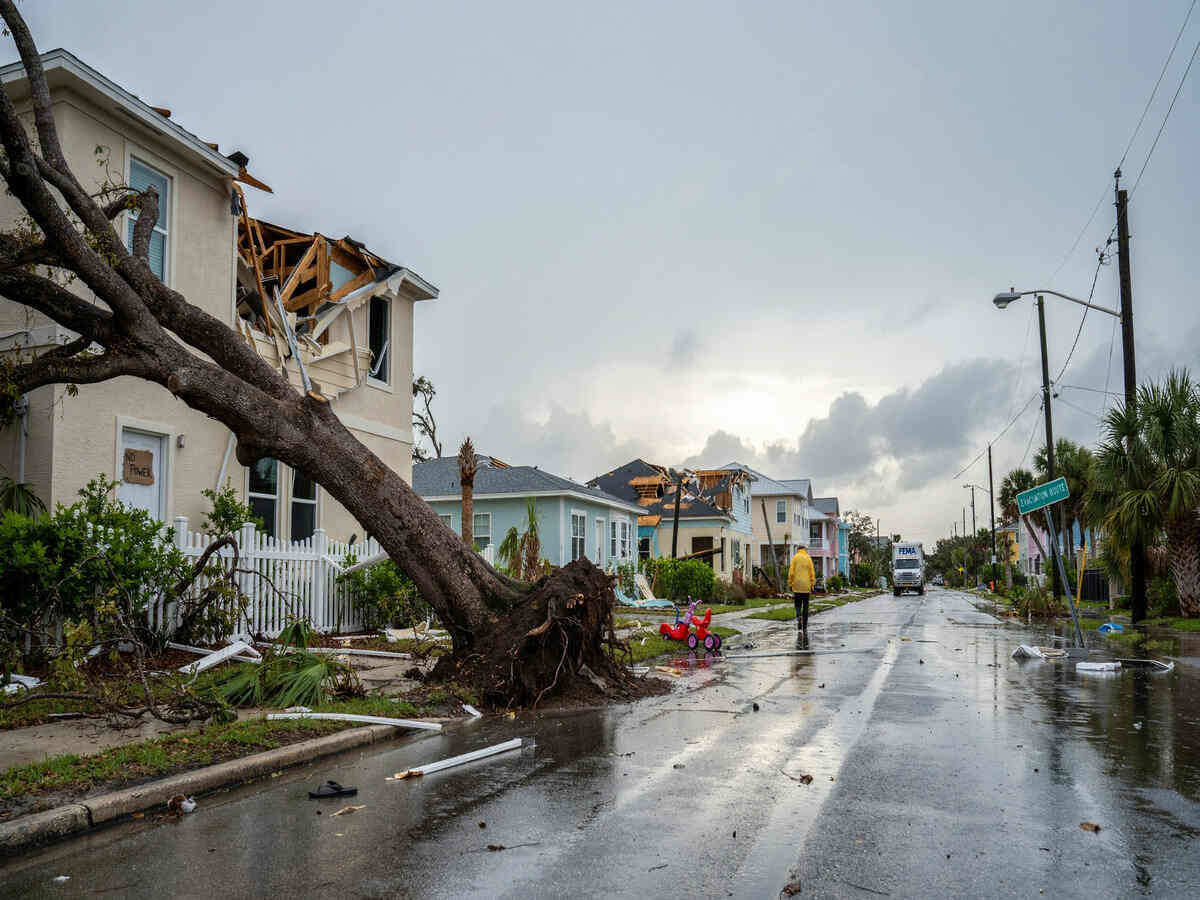
The hurricane called Isaias has caused problems in the transportation sector in Alabama, Florida, and more states, causing chaos for airports and roadways. The hurricane Isaias has caused chaos in the transportation sector of the southeastern United States as of October 9, 2026, where the hurricane hit Florida as a category 2 hurricane, causing a crisis in the infrastructure of the region. As the hurricane Isaias hit Florida as a category 2 hurricane with 105 mph winds at the time of making landfall and 120 mph winds while moving over the Gulf, Isaias has crippled the entire infrastructure of the region.
Florida Bears the Initial Brunt
Florida absorbed the most direct, destructive impact as Isaias made landfall near Destin. The Emerald Coast, an economic engine built on beaches, resorts, and recreational boating, faced immediate paralysis. Strong winds and a destructive storm surge compromised the coastal infrastructure that makes the region accessible to visitors.
Advertisement
Advertisement
In Escambia and Santa Rosa counties, the storm uprooted trees, scattered debris, and sheared the roofs off buildings. Pensacola and Panama City reported severe infrastructure damage and near-total power failures. Accommodations, restaurants, and transport operators were immediately forced to halt operations, shifting their focus entirely from hospitality to emergency survival and damage assessment.
The US Travel Network Grinds to a Halt
The storm rapidly escalated from a localized weather event to a regional travel crisis, severing the interconnected transportation arteries that feed the southeastern tourism industry.
Advertisement
Advertisement
- Air Transportation: Pensacola International Airport and Destin-Fort Walton Beach Airport suffered significant operational disruptions. Flight cancellations and delays stranded passengers and blocked incoming leisure and business travel. While both airports reopened to commercial flights by October 11, lingering delays continued to hamper the region.
- Maritime Operations: The Port of Pensacola and Port Panama City suspended all marine activities. Rough seas and severe weather warnings effectively halted the region’s boating, fishing, and commercial marine travel.
- Highway Systems: Coastal highways, the primary arteries for visitors traversing the Gulf Coast, were blocked by fallen trees, standing floodwaters, and structural damage. Driving between Florida, Alabama, and neighboring states required lengthy detours through hazardous conditions.
How the Travel Sector is Struggling
| Travel Sector | Hurricane-Related Challenges | Direct Consequences for Travelers |
| Airports | Flight delays, cancellations, and operational suspensions | Upended travel plans and stranded passengers |
| Coastal Highways | Flooding, fallen trees, and severe debris accumulation | Road closures and highly hazardous driving conditions |
| Hotels & Resorts | Massive power failures and structural damage | Immediate interruption of accommodation services |
| Beach Tourism | Storm surge damage and safety barricades | Restricted access to primary recreational areas |
| Restaurants & Shops | Utility blackouts and severed supply chains | Widespread, temporary business closures |
| Ports & Marine Travel | Unsafe maritime conditions and port suspensions | Delays and cancellations for marine and cruise services |
| Inland Tourism | Flash flooding and steep terrain landslides | Closures of mountain passes and rural scenic routes |
State-by-State Impact Across the Southeast
The hurricane’s immense footprint pushed heavy rain, dangerous winds, and flash flooding far beyond the Florida Panhandle, forcing neighboring states into their own prolonged travel and emergency responses.
Advertisement
Advertisement
Alabama
As the storm moved inland, southern Alabama absorbed punishing winds and heavy rainfall. Authorities declared a state of emergency on October 7 to preemptively stage resources. In Houston County, massive fallen trees and storm debris blocked critical roads, isolating smaller communities from commercial centers and airports. Major tourism hubs like Mobile and Gulf Shores rely entirely on these southern transport links; even where direct physical destruction was avoided, severed roads and power outages severely restricted visitor access and business continuity.
Georgia
Georgia placed all 159 counties under a statewide emergency on October 8. Southern and southwestern regions faced severe rainfall and strong winds, threatening the vast transport network that connects Atlanta and other major cities to the rural and coastal Southeast. The storm threatened critical supply chains and traveler mobility, proving that hurricane hazards do not stop at the beachfront.
Advertisement
Advertisement
Mississippi
Mississippi’s coastal destinations, including Biloxi and Gulfport, depend heavily on accessible highways for their casino, hotel, and entertainment industries. The storm subjected the region to strong winds and immediate electricity disruptions. Because tourists frequently drive the coastal corridors connecting Florida, Alabama, and Mississippi, road closures further east immediately depressed visitor traffic and complicated regional travel plans.
Louisiana
The southeastern coastal parishes of Louisiana braced for dangerous marine conditions and storm surge. While New Orleans and the broader state avoided the most destructive winds, the threat forced disruptions in cultural tourism, fishing, and cruise operations. The storm reinforced the precarious nature of travel planning along exposed Gulf routes.
Tennessee
As Isaias weakened into a remnant system, the threat shifted from wind to water. Southern and central Tennessee faced intense rainfall and flash-flood risks. Visitors traveling to Nashville, Chattanooga, and the Great Smoky Mountains encountered flooded roads and reduced visibility, heavily complicating navigation across the state lines.
North Carolina
The Appalachian region absorbed massive moisture from the decaying storm. Western North Carolina and the Blue Ridge Mountains experienced severe flash flooding and landslides. Mountain roads, critical for accessing Asheville and surrounding autumn tourism hotspots, were buried under debris and unstable slopes, trapping residents and turning scenic routes into hazardous terrain.
Advertisement
Advertisement
South Carolina, Kentucky, Virginia, and West Virginia
Tropical moisture triggered localized flooding across the broader Appalachian corridor. While these states avoided hurricane-force winds, intense rainfall inside narrow valleys and mountain passes generated dangerous conditions for motorists and disrupted inland travel routes.
The Economic Toll and Power Grid Collapse
The sheer scale of utility disruption complicated every facet of the recovery. At the peak of the storm, nearly 900,000 customers lost power across the Southeast, including 450,000 in Florida alone. Hotels, petrol stations, and airports cannot function without reliable electricity, effectively rendering undamaged facilities useless. By October 11, Alabama reduced its outages to under 75,000, and by October 13, Florida restored power to 95% of its affected areas.
The financial damage is staggering. Catastrophe risk analytics firm Verisk estimates preliminary insured losses between $1 billion and $2 billion, specifically noting Santa Rosa and northeastern Escambia counties. This figure only covers wind and privately insured storm surge losses, excluding public infrastructure damage and the massive cost of business interruption. The energy sector also took a heavy hit, with 63% of offshore oil production and 57% of natural gas production in the Gulf of Mexico temporarily suspended.
Hurricane Isaias causes a US travel crisis in states such as Alabama and Florida due to disruptions in transport infrastructure.
The solution will require the restoration of basic infrastructures in the country. Florida has established emergency distribution centers and has also launched an $10 million emergency bridge loan program aimed at providing assistance to companies affected by the hurricane. The reopening of bridges on October 11 marks some small achievements in efforts geared towards rebuilding tourist infrastructure. However, a lot needs to be done.
Advertisement
