
Baltimore Aligns with Frederick, Annapolis and More Maryland Cities Cashing More Reveune from Day Trip Tourism, But Spending Falls

Published
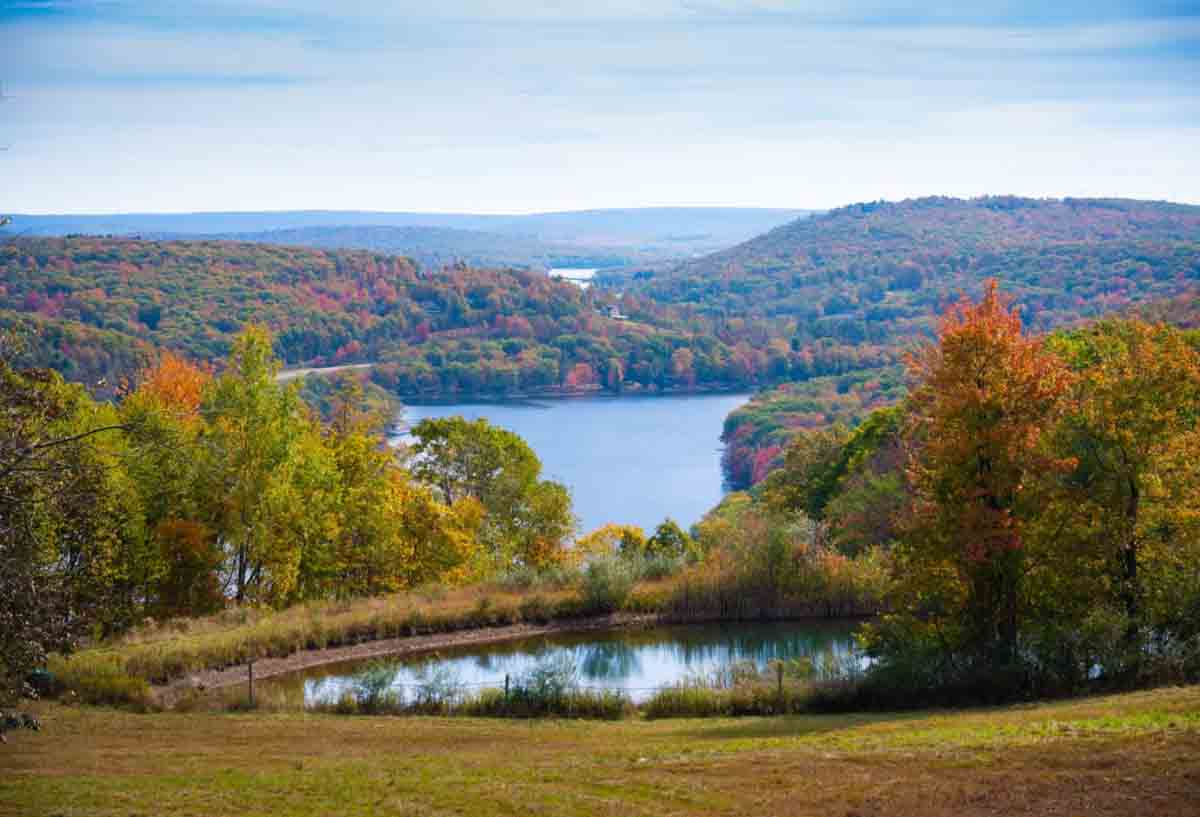
Baltimore aligns with Frederick, Annapolis and more Maryland cities cashing more revenue from day-trip tourism, but spending falls statewide despite rising visitor numbers. Strong demand for cultural attractions, waterfront experiences and short breaks supports local businesses, while fewer overnight stays highlight changing travel patterns across Maryland’s growing tourism economy.
Maryland’s tourism industry continues attracting millions of visitors, with Baltimore, Frederick and Annapolis benefiting from regional travel demand. However, declining statewide expenditure highlights the challenge of converting day trips into longer stays. Strengthening overnight tourism, promoting local attractions and encouraging greater visitor spending remain essential for sustainable economic growth.
Maryland Tourism Generates Billions in Visitor Spending as Baltimore, Frederick and Other Cities Drive Growth
Maryland’s tourism industry continues to play a major role in the state’s economy, with Baltimore, Frederick, Annapolis, Ocean City and other destinations attracting millions of visitors and supporting local businesses. Official tourism research highlights substantial visitor spending, employment opportunities and growing demand for cultural attractions, coastal holidays, heritage experiences and regional travel.
According to the Maryland Office of Tourism Development, the state welcomed approximately 47.4 million visitors in 2025, generating around $21.1 billion in direct visitor spending. Despite an increase in visitor arrivals, spending declined slightly compared with the previous year, highlighting the importance of encouraging longer stays and greater expenditure.
Advertisement
Advertisement
Maryland’s tourism economy extends from Baltimore’s waterfront and Frederick’s historic downtown to the beaches of Ocean City and the maritime attractions of Annapolis. Each destination contributes to the state’s visitor economy through accommodation, restaurants, retail, recreation and entertainment.
Baltimore Tourism Generates $4.3 Billion in Visitor Spending
Baltimore remains one of Maryland’s leading urban tourism destinations, supported by waterfront attractions, cultural institutions, restaurants and entertainment venues.
Advertisement
Advertisement
According to Visit Baltimore’s Fiscal Year 2026 Annual Report, the city generated approximately $4.3 billion in visitor spending, representing a 32.6 per cent increase compared with 2019.
The report also recorded approximately 28.7 million visitors, including 16.3 million day-trip travellers. Nearly 80 per cent of overnight visitors were repeat travellers.
Restaurants received $1.15 billion in visitor expenditure, while retail businesses generated $724 million and recreation and entertainment attracted $701 million.
Tourism also supported more than 123,000 jobs across the Baltimore region.
Through its official destination marketing initiatives, Visit Baltimore continues to promote neighbourhood attractions, Black-owned businesses and cultural experiences beyond the Inner Harbor.
These initiatives aim to distribute visitor expenditure more widely and strengthen Baltimore’s reputation as a diverse tourism destination.
Advertisement
Advertisement
Baltimore Welcomes 28.7 Million Travellers
Baltimore’s tourism industry has emerged as a major driver of economic growth in Maryland, generating $4.3 billion in visitor spending and attracting approximately 28.7 million travellers, according to Visit Baltimore’s fiscal year 2026 annual report. The findings highlight the city’s expanding visitor economy, its contribution to regional employment and growing efforts to promote local businesses, cultural attractions and neighbourhood tourism.
The report, titled The B Side of Baltimore, provides an overview of the city’s tourism performance, including visitor spending, travel patterns, employment and destination marketing initiatives. It also highlights how Baltimore is working to strengthen its reputation as a cultural and leisure destination while ensuring that tourism benefits reach communities beyond traditional visitor hotspots.
Baltimore Tourism Spending Rises 32.6 Per Cent Compared with 2019
One of the most significant findings in Visit Baltimore’s annual report is the growth in visitor expenditure. Tourism spending reached $4.3 billion, representing a 32.6 per cent increase compared with 2019.
The increase demonstrates the economic importance of visitors to Baltimore’s hospitality businesses, restaurants, shops, entertainment venues and cultural institutions.
For the local tourism industry, this spending represents more than an increase in revenue. It supports businesses that depend on visitor demand and helps sustain employment across the wider metropolitan region.
Kireem Swinton, President and CEO of Visit Baltimore, identified the $4.3 billion spending figure as one of the organisation’s most important achievements.
Advertisement
Advertisement
He emphasised that visitor expenditure flows into local businesses and supports residents employed throughout the city’s tourism economy.
The findings also underline the importance of maintaining Baltimore’s appeal in a competitive US domestic tourism market, where destinations are increasingly promoting authentic experiences, local culture and neighbourhood attractions.
Baltimore Day Trips Remain Important
Baltimore recorded approximately 28.7 million visitors during fiscal year 2026, according to the report.
Of these, around 16.3 million were day-trip visitors, demonstrating the importance of short-distance and regional travel to the city’s tourism economy.
Baltimore’s location within the Mid-Atlantic region makes it accessible to travellers from Washington, DC, Philadelphia and other nearby urban centres.
The report also identified strong repeat visitation among overnight travellers. Nearly 80 per cent of overnight visitors had previously travelled to Baltimore.
Advertisement
Advertisement
This level of repeat visitation suggests that the city continues to attract travellers who return for familiar attractions, cultural activities, dining and other experiences.
For tourism businesses, repeat visitors represent an important market because they may explore additional neighbourhoods and attractions during subsequent trips.
Restaurants, Entertainment and Retail Benefit from Visitor Spending
Visitor expenditure was distributed across several major sectors of Baltimore’s economy, demonstrating how tourism supports businesses beyond hotels and accommodation providers.
Restaurants received approximately $1.15 billion in visitor spending, making dining a particularly important component of the city’s tourism economy.
Recreation and entertainment generated $701 million, while retail businesses received $724 million.
Tourism Supports More Than 123,000 Jobs Across the Baltimore Region
Employment remains another important measure of Baltimore’s tourism performance.
Advertisement
Advertisement
According to the report, the tourism sector supports more than 123,000 jobs across the Baltimore region. This workforce represents nearly 47 per cent of Maryland’s leisure and hospitality employment.
The figures demonstrate the regional importance of tourism and its connections with restaurants, accommodation, transport, entertainment and visitor services.
Tourism employment also creates opportunities across different skill levels, from customer-facing hospitality roles to management, marketing and event operations.
However, sustaining this workforce depends on maintaining visitor demand, supporting businesses and ensuring that the destination remains attractive to travellers.
For Baltimore, continued tourism development is therefore closely connected with broader economic priorities, including business growth, workforce opportunities and neighbourhood investment.
Visit Baltimore Promotes Businesses and Neighbourhood Tourism
A central theme of the annual report is Visit Baltimore’s effort to ensure that tourism benefits extend beyond the Inner Harbor and downtown districts.
Advertisement
Advertisement
Through initiatives such as the BoP Pass and its Black-owned business directory, the destination marketing organisation encourages visitors to discover independent businesses and explore Baltimore’s Black history and culture.
These initiatives help connect travellers with entrepreneurs, neighbourhood experiences and cultural attractions that may receive less attention in conventional tourism itineraries.
The strategy also reflects a wider shift in destination marketing towards community-focused tourism, where local businesses and residents play a greater role in shaping the visitor experience.
By promoting these experiences, Baltimore aims to distribute visitor expenditure more widely while presenting a broader picture of the city’s identity.
The B Side of Baltimore Campaign Strengthens Destination Storytelling
The annual report takes its name from The B Side of Baltimore, a storytelling campaign designed to highlight the city’s people, businesses and cultural character.
The initiative seeks to challenge negative perceptions by presenting Baltimore through the experiences of its residents and local communities.
Advertisement
Advertisement
Rather than concentrating exclusively on established attractions, the campaign places greater emphasis on authentic stories, independent businesses and distinctive neighbourhood experiences.
This approach gives Visit Baltimore an opportunity to differentiate the destination from competing American cities while encouraging visitors to explore beyond familiar tourism areas.
Frederick Tourism Reaches Record $590 Million as Visitor Arrivals Rise
Frederick County recorded strong tourism growth in 2025, with visitor spending reaching $590 million, an increase of 4.6 per cent compared with 2024.
According to Visit Frederick’s October 2026 tourism announcement, the county welcomed approximately 2.2 million visitors, representing 5.1 per cent growth.
The total included around 776,500 overnight travellers and 1.4 million day-trip visitors.
Restaurants and craft beverage establishments generated $181 million in visitor spending, while recreation contributed $85 million and retail businesses received $71 million.
Advertisement
Advertisement
Tourism supported approximately 6,367 jobs across Frederick County.
The destination’s historic downtown, independent restaurants, cultural attractions and outdoor recreation opportunities continue to support regional travel.
Frederick’s performance demonstrates how smaller destinations can attract substantial visitor expenditure through heritage tourism, culinary experiences and short breaks.
Annapolis Tourism Supports Chesapeake Bay and Maritime Travel
Annapolis continues to attract visitors through its historic waterfront, sailing heritage, restaurants and cultural attractions.
According to Visit Annapolis & Anne Arundel County, the wider county welcomes approximately seven million visitors annually and generates an estimated $3.8 billion in tourism-related economic impact.
These figures cover Anne Arundel County rather than Annapolis city alone.
Advertisement
Advertisement
The destination benefits from recreational boating, historic architecture, waterfront dining and its proximity to Baltimore and Washington, DC.
Tourism businesses also serve travellers attending meetings, events and maritime activities.
The city’s established sailing identity provides opportunities to attract domestic and international visitors interested in Chesapeake Bay experiences.
Ocean City Tourism Depends on Coastal Holidays and Accommodation Demand
Ocean City remains a major coastal tourism destination in Maryland, attracting visitors through its Atlantic beaches, boardwalk, hotels and family attractions.
The Ocean City Department of Tourism’s official performance reports provide monthly information about accommodation demand and visitor behaviour.
These reports examine hotel occupancy, average daily room rates, revenue per available room, short-term rental bookings and tourism spending patterns.
Advertisement
Advertisement
The data allow businesses and destination managers to assess seasonal performance and identify changes in travel demand.
While summer remains central to Ocean City’s tourism economy, events and off-season travel offer opportunities to attract visitors beyond the traditional holiday period.
Rockville, Bethesda and Silver Spring Benefit from Montgomery County Tourism
Rockville, Bethesda and Silver Spring contribute to Montgomery County’s visitor economy through business travel, restaurants, shopping and cultural attractions.
According to Visit Montgomery, the county attracts nearly nine million visitors annually and generates more than $2.2 billion in visitor spending.
These figures represent Montgomery County as a whole rather than individual cities.
The area’s proximity to Washington, DC, supports corporate travel, conferences and leisure visits.
Advertisement
Advertisement
In 2026, Visit Montgomery introduced a five-year destination strategy aimed at strengthening tourism growth, encouraging longer stays and promoting local experiences.
The strategy reflects the importance of developing visitor demand beyond conventional business travel.
Hagerstown Tourism Builds on Heritage and Outdoor Recreation
Hagerstown serves as a gateway to western Maryland, offering access to historic attractions, museums and outdoor recreation.
According to Visit Hagerstown and Washington County, the destination promotes heritage attractions, scenic landscapes and regional travel experiences.
Its location near major road corridors creates opportunities for day trips and overnight holidays.
Tourism businesses benefit from visitors exploring downtown Hagerstown and surrounding Washington County attractions.
Advertisement
Advertisement
Although a separate municipal visitor spending figure was not established, Hagerstown remains an important part of western Maryland’s tourism network.
Cumberland Tourism Attracts Railway and Adventure Travellers
Cumberland offers visitors a combination of railway heritage, historic architecture and outdoor recreation.
The Maryland Office of Tourism promotes western Maryland as a destination for mountain landscapes, cycling, heritage attractions and scenic travel.
Cumberland’s visitor appeal includes the Western Maryland Scenic Railroad and access to the Great Allegheny Passage.
These attractions support demand for accommodation, restaurants and local services.
The city’s tourism potential is closely connected with travellers exploring Allegany County and neighbouring mountain destinations.
Advertisement
Advertisement
Salisbury and Cambridge Promote Eastern Shore Tourism
Salisbury and Cambridge contribute to Maryland’s Eastern Shore visitor economy through heritage attractions, outdoor recreation and cultural tourism.
Salisbury’s regional tourism resources highlight sports events, family attractions, accommodation and local experiences across Wicomico County.
Cambridge benefits from its Chesapeake Bay location, waterfront attractions and historical significance.
The Maryland Office of Tourism also promotes the Harriet Tubman Underground Railroad Visitor Center near Cambridge as an important heritage attraction.
Both destinations offer opportunities to attract travellers interested in regional culture, nature and historic experiences.
Their tourism performance is generally reported through county-level economic studies rather than separate municipal spending figures.
Advertisement
Advertisement
National Harbor Tourism Supports Conventions and Entertainment
National Harbor is an important meetings and entertainment destination in Prince George’s County.
According to National Harbor’s official destination website, the waterfront development offers hotels, restaurants, shopping, entertainment and conference facilities.
Its location near Washington, DC, supports business travel and leisure visits.
Large-scale meetings and conventions contribute to accommodation demand, while waterfront attractions and entertainment encourage additional visitor expenditure.
National Harbor’s tourism activity forms part of the wider Prince George’s County economy, although a separate verified visitor spending total was not established for the destination.
Maryland Tourism Outlook Highlights Opportunities for Continued Growth
Maryland’s tourism industry demonstrates how different destinations contribute to economic development through urban travel, coastal holidays, cultural heritage and outdoor recreation.
Advertisement
Advertisement
Baltimore’s multibillion-dollar visitor economy and Frederick’s record spending highlight the financial importance of tourism. Meanwhile, Annapolis, Ocean City, Montgomery County and other destinations support a diverse range of travel experiences.
The state’s long-term tourism performance will depend on encouraging overnight stays, strengthening local businesses and attracting visitors throughout the year.
As destinations continue developing their tourism strategies, Maryland’s combination of waterfront cities, historic communities and recreational attractions provides opportunities for sustained visitor demand and broader regional economic benefits.
“Maryland’s tourism performance reflects the growing importance of regional travel in strengthening local economies and supporting communities. Baltimore, Frederick, Annapolis and other destinations are demonstrating how cultural heritage, waterfront attractions, culinary experiences and accessible short breaks can encourage visitor activity. Although statewide spending has declined slightly, the increase in visitor numbers presents a valuable opportunity for the tourism industry.
Day-trip travellers contribute to restaurants, attractions, retail businesses and local employment, creating opportunities for wider economic participation. The next priority should be encouraging these visitors to extend their stays, explore lesser-known destinations and spend more within local communities.
Maryland has a strong foundation for sustainable tourism growth, supported by its diverse attractions, strategic location and established hospitality industry. Continued investment in destination marketing, visitor experiences and tourism infrastructure can help convert rising travel demand into stronger economic returns while benefiting businesses and residents across the state in the coming years.”– Anup Kumar Keshan, Founder and Editor-in-Chief, Travel And Tour World.
Advertisement
Advertisement
Baltimore Tourism Outlook Highlights Opportunities for Sustainable Growth
Baltimore’s fiscal year 2026 tourism results demonstrate the economic value of a visitor industry supported by day trips, repeat travel, restaurants, entertainment and local businesses.
With $4.3 billion in visitor spending and 28.7 million visitors, the city has a substantial tourism market that contributes to employment and regional economic activity.
The next challenge will be sustaining visitor demand while ensuring that economic benefits reach more neighbourhoods and independent businesses.
Visit Baltimore’s focus on cultural storytelling, Black-owned enterprises and community experiences provides a framework for broadening the city’s tourism appeal.
As Baltimore continues developing its destination marketing strategy, the annual report reinforces the importance of tourism not only as a source of visitor revenue but also as an industry supporting local livelihoods, cultural identity and long-term economic development.
Advertisement
