
Thai AirAsia Reshapes Bangkok Flights by Shifting Nine Domestic Routes From Suvarnabhumi to Don Mueang Amid Fuel and Demand Pressures

Published
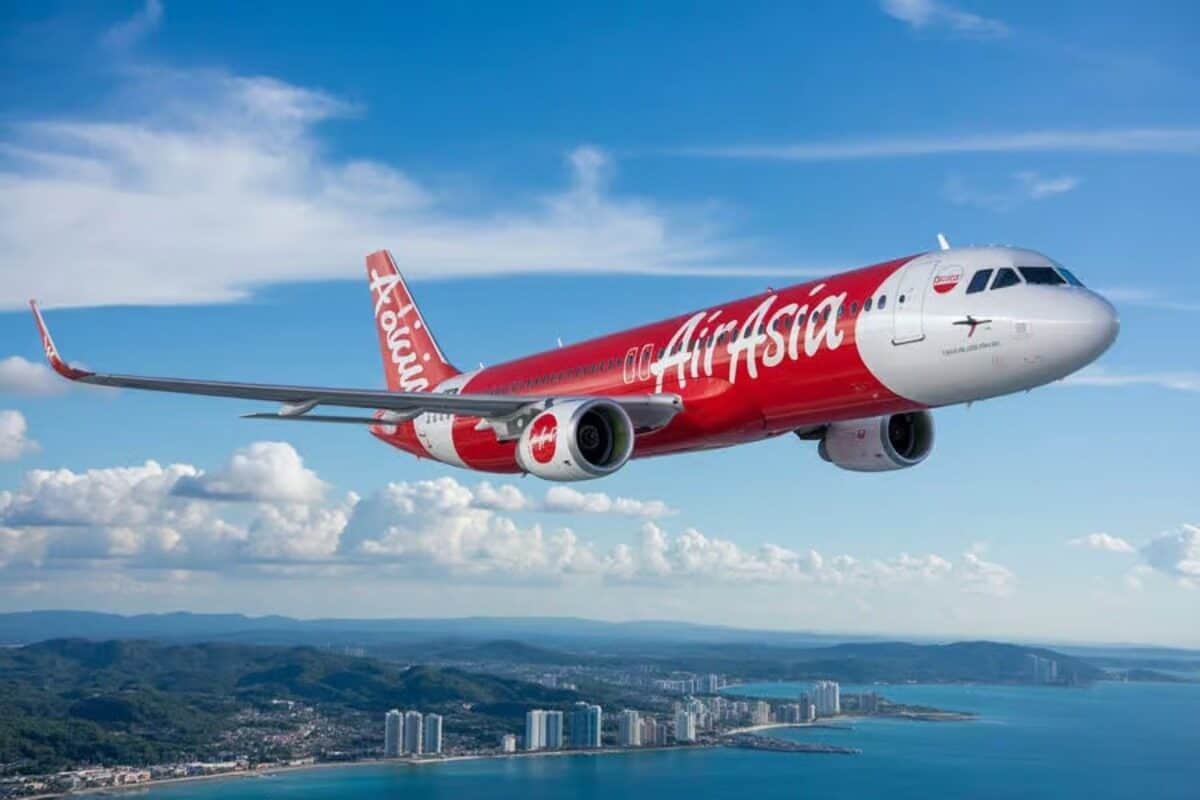
Thai AirAsia is reshaping Bangkok Flights by temporarily moving nine domestic routes from Suvarnabhumi Airport to Don Mueang. The 15 July to 30 September 2026 suspension reflects rising aviation fuel costs and weaker mid-year demand. Services from Suvarnabhumi are scheduled to resume on 1 October.
Flights to Chiang Mai, Phuket and seven other destinations remain available through Don Mueang. However, travellers connecting through Bangkok must check whether their itinerary shows BKK or DMK, as these are separate airports.
Why Are All Nine Bangkok Flights Leaving Suvarnabhumi Until October?
The suspension covers every domestic route operated by the affected low-cost network from Suvarnabhumi. All nine services have transferred temporarily to Don Mueang, the network’s principal Bangkok base. Official flight notices confirm cancellations at Suvarnabhumi from 15 July through 30 September. The 78-day operating change affects Chiang Mai, Phuket, Buri Ram, Chiang Rai and Hat Yai. Khon Kaen, Nakhon Si Thammarat, Surat Thani and Udon Thani complete the list.
Higher aviation fuel costs and weaker mid-year passenger demand created the main pressures behind the change. Consolidating flights at one principal airport can reduce the complexity of operating parallel domestic networks. Aircraft, crews and passenger capacity can also be concentrated more efficiently. The published information presents the decision as temporary network management. It does not describe a permanent withdrawal from Suvarnabhumi or Thailand’s regional destinations.
Advertisement
Advertisement
Thailand’s 30% Capacity Cut Reveals the Pressure Behind the Sudden Airport Shift
The current suspension follows a broader capacity reduction introduced during May and June 2026. Average available seat capacity was cut by approximately 30% across the network. That ratio equals roughly three removed seats for every ten previously planned seats. Domestic flight frequencies received selective adjustments as operating costs rose. Several international routes also faced suspensions or reduced schedules during the same period.
Routes involving India experienced some of the largest international reductions because operating costs were especially high. Services covering China, East Asia and Southeast Asia remained comparatively stable. The selective approach shows that the wider network did not receive equal reductions. The July airport shift continues this capacity-management strategy by concentrating Bangkok Flights at Don Mueang. It also reduces the need to maintain domestic operations at two Bangkok airports during softer seasonal demand.
Advertisement
Advertisement
Nine Routes, Two Bangkok Airports and One Major Change Travellers Cannot Ignore
The official information confirms an airport relocation rather than the disappearance of nine air connections. Every listed destination remains accessible through Don Mueang during the suspension. Travellers can still book domestic journeys between Bangkok and the affected cities. However, passengers must search for the DMK airport code instead of assuming their flight uses BKK. This detail becomes particularly important when an itinerary contains an international arrival at Suvarnabhumi.
The data below explains the routes, operating period and practical relevance. It also separates confirmed changes from possible tourism effects. Nine out of nine Suvarnabhumi domestic routes have moved, representing 100% of the affected operation. However, this figure does not represent a 100% loss of flight access. The routes continue through a different Bangkok gateway.
| Category or destination | Verified change | Travel relevance |
|---|---|---|
| Chiang Mai | Suvarnabhumi service temporarily suspended | Domestic access continues through Don Mueang |
| Phuket | Suvarnabhumi service temporarily suspended | Travellers must verify the departure airport |
| Buri Ram | Suvarnabhumi service temporarily suspended | Regional access remains available from DMK |
| Chiang Rai | Suvarnabhumi service temporarily suspended | Northern connections continue through Don Mueang |
| Hat Yai | Suvarnabhumi service temporarily suspended | Southern air access remains available |
| Khon Kaen | Suvarnabhumi service temporarily suspended | Northeast services continue from DMK |
| Nakhon Si Thammarat | Suvarnabhumi service temporarily suspended | The destination remains within the network |
| Surat Thani | Suvarnabhumi service temporarily suspended | Onward transport plans may require adjustment |
| Udon Thani | Suvarnabhumi service temporarily suspended | Bangkok connectivity continues through DMK |
| Routes affected | Nine out of nine BKK domestic routes | 100% of the affected Suvarnabhumi operation moved |
| Suspension period | 15 July–30 September 2026 | The change covers 78 calendar days |
| Planned return | 1 October 2026 | Individual bookings still require confirmation |
| Earlier capacity reduction | Approximately 30% during May and June | Shows the scale of wider cost management |
The table shows that destination availability remains intact despite the substantial airport change. The most important disruption concerns where passengers begin their domestic journey. Travellers arriving internationally at Suvarnabhumi may face an additional transfer before reaching their regional destination. Those beginning their journey in Bangkok must also travel to the correct airport.
How the Don Mueang Switch Could Reshape Thailand Holidays and Domestic Connections
International passengers may experience the greatest inconvenience. Suvarnabhumi handles extensive long-haul and international traffic, making it a common arrival point for overseas visitors. A passenger continuing to Chiang Mai or Phuket may previously have departed from the same airport. During the suspension, that traveller may need to clear immigration, collect baggage and travel independently to Don Mueang. The extra stage can lengthen journeys and complicate tightly planned holidays.
The change could also increase ground transport costs when passengers choose taxis, private cars or ride-hailing services. Separately booked tickets create another concern because they may not protect a missed onward connection. Hotels, tour operators and transfer providers may need to adjust collection times or airport instructions. However, no official data currently quantifies destination-level booking losses, displaced passengers or reduced tourism revenue. Such effects should therefore remain potential concerns rather than confirmed outcomes.
Northern destinations may experience changed arrival patterns during the suspension. Chiang Mai and Chiang Rai remain accessible, but some international visitors must rebuild their Bangkok connections. The same issue applies to southern routes serving Phuket, Hat Yai, Surat Thani and Nakhon Si Thammarat. Surat Thani passengers often continue towards coastal areas or island transport services. A delayed airport transfer could affect later buses, ferries or hotel check-ins.
Advertisement
Advertisement
Buri Ram, Khon Kaen and Udon Thani also retain direct connections through Don Mueang. Therefore, the airport switch does not isolate northeastern Thailand from Bangkok. Other domestic operators continue serving parts of Thailand’s regional network from Bangkok’s airports. The confirmed tourism impact remains reduced convenience and weaker low-cost domestic connectivity at Suvarnabhumi. Evidence does not support claims that the nine destinations have become inaccessible.
BKK or DMK? Essential Steps for Avoiding Costly Bangkok Transfer Problems
Passengers should examine the three-letter code on every reservation. BKK identifies Suvarnabhumi Airport, while DMK identifies Don Mueang Airport. Travellers should never rely only on the word “Bangkok” because it does not identify the departure terminal. The airports sit in different parts of the metropolitan area and require a road or public transport journey. Traffic, immigration queues and baggage collection can all affect the transfer.
Official airport information confirms a free shuttle for eligible connecting passengers. The service operates between 05:00 and midnight, with departures normally scheduled every 30 minutes. At Suvarnabhumi, passengers can board from Level Two at Gate Three. Users must show proof of an onward flight and a passport or national identity card. The shuttle is not available for general public journeys without an onward air connection.
- Check whether every flight displays BKK or DMK.
- Review travel dates between 15 July and 30 September 2026.
- Confirm whether the booking contains an airport or schedule change.
- Allow substantial time for travel between the two Bangkok airports.
- Check whether baggage transfers automatically to the final destination.
- Collect checked luggage when immigration and customs procedures require it.
- Carry proof of onward travel before requesting the free airport shuttle.
- Confirm that the shuttle operates during the required transfer period.
- Review Thailand’s entry rules before planning a landside transfer.
- Avoid assuming that separate tickets include connection protection.
- Recheck the flight status shortly before travelling to the airport.
- Confirm October bookings even when they fall after the planned restart.
Passengers who cannot use the shuttle can consider metered taxis, authorised ride-hailing services or private transfers. Official airport taxis operate throughout the day and night. Travellers must pay the metered fare and the applicable airport surcharge. Actual costs vary according to route, traffic and vehicle choice. Official guidance does not guarantee a specific transfer duration between Suvarnabhumi and Don Mueang.
What Happens to Bangkok Flights After the Suvarnabhumi Suspension Ends?
The published suspension period ends on 30 September 2026. Bangkok Flights from Suvarnabhumi are scheduled to return on 1 October. That date provides a clear operational target for travellers planning later journeys. However, passengers should still check individual reservations before departure. A general resumption date does not confirm every flight number, departure time or operating frequency.
The available official information does not provide a complete comparison of schedules before and after the suspension. Therefore, travellers should not assume that every previous frequency will return immediately. Updated timetables and direct booking notifications will provide the clearest information. Further adjustments may depend on published schedules, aircraft availability and operating conditions. No unsupported prediction should replace those official updates.
Advertisement
Advertisement
The situation also creates no new visa, passport or border policy. Moving a domestic departure from BKK to DMK does not change Thailand’s entry requirements. However, international passengers may need permission to enter Thailand before travelling between the airports. A cross-city journey normally occurs landside rather than inside a protected international transit zone. Travellers must therefore confirm their existing visa, exemption or entry eligibility.
Passengers should never assume that international transit permission automatically covers an airport change. Those needing immigration clearance must meet Thailand’s normal entry conditions. Separate tickets may also leave travellers responsible for missed Bangkok Flights. The central message remains straightforward: regional destinations remain open, but the Bangkok gateway has temporarily changed. Checking the correct airport now carries the same importance as checking the departure time.
Advertisement
