

Saint Lucia Aligns Turks and Caicos Suffered with Travel Scams in September Laying Foundation for New Fear for Future Tourists Visiting Caribbean

Published
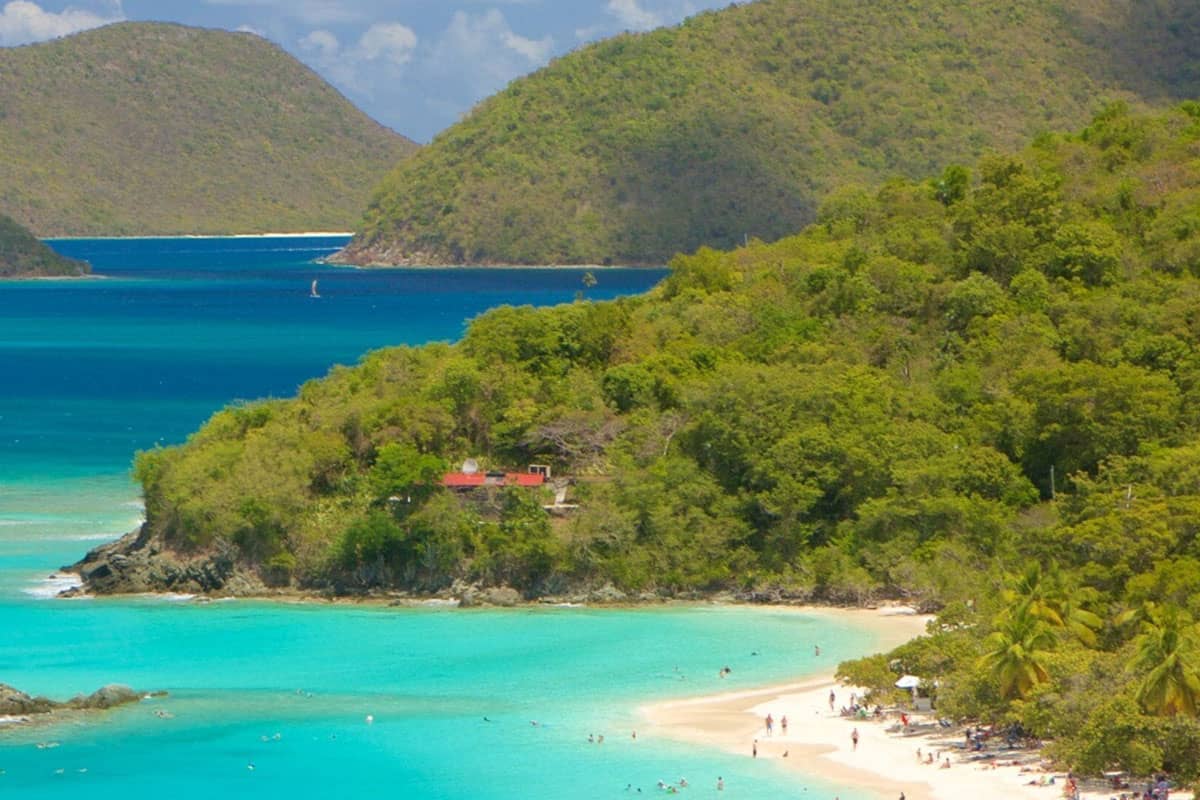
Navigating the modern tourism landscape requires vigilance, preparation, and an awareness of the latest Caribbean travel advisories 2026. Although official government reports have highlighted a recent rise in local vendor extortion, fake electronic customs portals, and opportunistic transport scams, the Caribbean remains an incredibly vibrant and rewarding destination for millions annually. By relying strictly on authenticated government platforms, carefully reserving all excursions through verified operators, and always exercising sensible daily caution, holidaymakers can effortlessly mitigate these emerging risks. Ultimately, prioritising personal safety and maintaining situational awareness guarantees that your tropical getaway will remain a memorable, relaxing, and entirely secure travel experience.
- Main Article
Understanding the Background of Caribbean Tourism Security
Advertisement
Advertisement
The Caribbean has long been celebrated as the ultimate sanctuary for global travellers, offering idyllic landscapes, rich cultural heritage, and pristine beaches. However, as international tourism volumes surge to record-breaking levels in 2026, the complexity of regional security has proportionally increased. Understanding the background of these Caribbean travel advisories 2026 is fundamentally crucial for anyone planning a holiday in the region. Recent communications from the US State Department, alongside official tourism ministries, have illuminated a changing landscape where opportunistic crime and digital fraud have necessitated updated travel warnings.
The tourism boom following the global recovery phase has brought unprecedented numbers of visitors to these island nations. For instance, the Dominican Republic reported an extraordinary 11.68 million visitors in 2025, solidifying its position as a dominant force in regional travel. Similarly, the Turks and Caicos Islands welcomed nearly two million visitors in the same year, a trend that has continued strongly into the second half of 2026. While these statistics highlight economic triumph, they also create lucrative environments for sophisticated scam syndicates and opportunistic criminals. A higher concentration of tourists inevitably attracts a higher concentration of illicit activities, prompting authoritative bodies to reassess their regional security reports.
Advertisement
Advertisement
The fundamental background of these advisories is not rooted in an overarching collapse of safety, but rather in highly specific, clustered threats. Authorities have categorised the most pressing issues into digital fraud, transit extortion, and aggressive street-level vending. The evolution of travel documentation, particularly the shift towards mandatory electronic entry forms (e-tickets), has created new vulnerabilities that cybercriminals are eager to exploit. Concurrently, the post-pandemic economic pressures on independent local vendors and unregulated transport operators have led to an increase in predatory pricing strategies aimed specifically at vulnerable holidaymakers.
Latest Official Developments Across Major Island Nations
Advertisement
Advertisement
As of October 2026, the latest official developments from the US State Department and regional tourism boards provide a clear map of the current security landscape. Several prominent destinations have received updated guidance, urging travellers to exercise increased caution.
Turks and Caicos: Evaluating the Level 2 Caution Upgrades
The Turks and Caicos Islands, specifically the popular area of Providenciales, are currently under an active Level 2 advisory from the US State Department. This indicates that tourists should “exercise increased caution” due to crime. The latest verified reports confirm a concerning surge in what is known as the “Free Gift” extortion scam. Aggressive local vendors have been reported handing tourists unsolicited items—such as woven bracelets, shells, or cheap jewellery—under the guise of a friendly greeting. Once the item is accepted or placed on the tourist’s person, the vendor aggressively demands exorbitant cash payments, often threatening to involve local authorities for “theft” if the tourist refuses to pay.
Furthermore, officials have strongly reiterated warnings regarding the territory’s strict firearms and ammunition laws. Travellers have faced arrest, jail time, and heavy fines after being found with stray bullets or spent casings in their luggage, highlighting the critical need for meticulous luggage inspections before travelling.
Saint Lucia: Recent Security Updates and Transit Scams
Saint Lucia has also been elevated to a Level 2 caution tier. Official warnings from October 2026 flag predatory overcharging rackets targeted particularly at cruise passengers and luxury resort guests. The US Embassy has noted that violent crime can occur anywhere in Saint Lucia, and petty crime is common in popular tourist locations. A significant development involves independent tour operators who artificially inflate contracted excursion prices mid-trip, essentially holding tourists to ransom by demanding extra fees to bring them back to their resort or port.
Advertisement
Advertisement
Additionally, tourists in Saint Lucia are warned about the mandatory Electronic Travel Authorization (eTA) required before arrival; failing to complete this genuine government requirement can lead to denied entry, a rule that scammers exploit by offering fake facilitation services.
The Dominican Republic: Government Actions and Safety Protocols
The Dominican Republic maintains a Level 2 travel advisory, with authorities noting that violent crime is a concern despite an increased police presence in tourist areas. The Dominican Republic has a dedicated tourist police force known as POLITUR, which provides a layer of security in resort zones. However, the latest official developments highlight a widespread digital scam involving the country’s mandatory E-Ticket system. Cybercriminals have successfully cloned the official government portals, charging tourists arbitrary “application fees” ranging from $50 to $100 for entry QR codes that are explicitly free on legitimate government channels.
Detailed Breakdown of Verified Tourist Scams
To fully understand the Caribbean travel advisories 2026, one must analyse the mechanics of the specific scams currently plaguing the region. The verified reports from September and October 2026 outline highly coordinated tactics that prey on unfamiliarity and convenience.
The Digital Entry Form Trap
Advertisement
Advertisement
The transition to digital travel documentation has inadvertently birthed a pan-Caribbean digital scam. This fraud is most prevalent regarding the Dominican Republic’s E-Ticket and Barbados’s online immigration portals. Cybercriminals utilize search engine optimisation and lookalike domains (often using .com or .org instead of official .gov or .gob extensions) to intercept tourists searching for the mandatory forms. These fraudulent websites meticulously mirror the design of the official portals. When the unsuspecting traveller inputs their passport details, they are redirected to a payment gateway charging up to $100 for a service that the respective governments provide entirely free of charge. This not only results in financial loss but also compromises highly sensitive personal data.
Airport Taxi and Car Rental Fraud
Reports across major Caribbean transit hubs confirm the aggressive return of the “broken meter” and unnegotiated baseline fare traps. Independent drivers frequently quote a reasonable fare upon initial contact outside the airport terminal. However, upon arrival at the destination, they demand triple the agreed amount, retroactively claiming the existence of unspecified luggage handling fees, holiday surcharges, or toll taxes.
In the car rental sector, smaller, independent operators have been flagged for holding tourists’ deposits hostage. They charge tourists retroactive fees for pre-existing body damage on the vehicles, taking advantage of travellers rushing to catch their departure flights who do not have the time to dispute the charges or await police intervention. The US State Department specifically notes that in the Dominican Republic, rental agencies sometimes retain passports if bills are disputed, a practice tourists are strongly advised to avoid.
The Aggressive “Free Gift” Extortion Scam
Particularly prevalent in the Turks and Caicos, this physical scam relies on psychological pressure and public embarrassment. Operating primarily on popular beaches and outside major shopping precincts, vendors approach tourists with an overly friendly demeanour. They quickly place a seemingly complimentary item on the tourist. Once physical contact is established, the vendor’s demeanour instantly shifts to hostility, demanding immediate payment. If the tourist attempts to return the item, accomplices often materialize to intimidate the victim, threatening police involvement. This tactic effectively weaponizes the tourist’s fear of foreign legal systems.
Advertisement
Advertisement
Government Announcements and Strategic Countermeasures
In response to the rising tide of these deceptive practices, governments across the Caribbean have issued strong announcements and implemented strategic countermeasures to protect their vital tourism sectors. The integrity of the official travel warnings is maintained through these proactive government initiatives.
The Dominican Republic’s Ministry of Tourism (MITUR), in collaboration with POLITUR, has launched extensive digital literacy campaigns. These campaigns are integrated into airline booking confirmations, explicitly stating the exact URL for the official, free E-Ticket portal. Furthermore, the government is working alongside international cybersecurity firms to rapidly identify and take down counterfeit domains that impersonate state infrastructure.
In Saint Lucia, the Ministry of Tourism is actively auditing independent tour operators. Following the reports of mid-trip price inflation, the government is pushing for a more rigorous licensing programme that requires all operators to display standardized, government-approved pricing tariffs. Authorities have strongly advised tourists to utilize only clearly marked, registered taxis and to explicitly agree on total prices before any luggage is loaded into a vehicle.
Statistical Analysis: Evaluating the 2026 Tourism Landscape
To grasp the magnitude of why these Caribbean travel advisories 2026 matter, a thorough statistical analysis of the regional tourism landscape is necessary. The sheer volume of human movement across these islands provides context for the lucrative nature of these scams.
Advertisement
Advertisement
In 2025, the Dominican Republic achieved unprecedented success, receiving 11.68 million visitors, comprising 8.86 million air arrivals and 2.82 million cruise passengers. This represented a 4.4% increase from 2024 and an astounding 54.5% rise from pre-pandemic figures in 2019. Crucially, tourism revenue for the country reached $10.97 billion in 2024. The United States remains the leading source of international tourists, followed by Canada, Argentina, and Colombia.
Similarly, Saint Lucia reported a 2.5% increase in stay-over arrivals in the first half of 2026 compared to the same period in 2025. The Turks and Caicos Islands also reported a 6% increase in stay-over visitors between January and June 2026 compared to 2025, building upon the nearly two million visitors welcomed the previous year.
When millions of tourists are spending billions of dollars, even a fraction of a percent falling victim to a $100 digital scam or a $50 taxi overcharge translates to millions of dollars entering the illicit economy. These statistics underscore the critical necessity for robust official travel warnings to safeguard the economic contributions of international visitors.
Policy Implications for Caribbean Nations
The verified reports of fraud and extortion carry significant policy implications for the affected nations. The foundational policy shift is a movement towards stringent standardisation and regulation of the informal tourism economy. For decades, the charm of Caribbean travel has partially resided in the unregulated, independent vendor culture. However, the rise in extortion tactics is forcing governments to implement formalised zones.
Policymakers are currently drafting legislation to introduce mandatory accreditation for all street vendors and independent transit operators. In Saint Lucia, there is a renewed push to enforce standardized taxi metering, replacing the historically accepted negotiation-based system. Furthermore, international policy implications are evident as regional governments are now required to share real-time cybersecurity intelligence with international bodies like the UN Tourism organisation and Interpol to combat the digital entry form syndicates that operate across borders.
Advertisement
Advertisement
The Industry Impact on Local and International Businesses
The reverberations of the latest Caribbean travel advisories 2026 are deeply felt across the broader tourism industry. International businesses, including major airlines, cruise operators, and multinational resort chains, are being forced to adapt their operational protocols to shield their clientele from these verified scams.
Cruise lines, which are particularly susceptible to the Saint Lucia excursion scams due to their tight port schedules, are increasingly restricting their guests to heavily vetted, officially partnered tour operators. While this protects the passenger, it significantly damages the legitimate, honest independent operators who rely on foot traffic from the ports.
Resorts in the Turks and Caicos and the Dominican Republic are ramping up their internal concierges, advising guests during check-in to avoid engaging with unofficial beach vendors entirely. Many luxury properties are actively expanding their private transport fleets to completely bypass the risk of independent taxi fraud, ensuring their guests have a secure, fixed-price transit option from the airport directly to the hotel lobby. While this internalises revenue for the resorts, it starves the local transport economy.
Broader Economic Implications for the Region
The economic implications of these targeted tourist scams extend far beyond the immediate financial loss to the individual traveller. The Caribbean is one of the most tourism-dependent regions on the globe. In the Dominican Republic, tourism accounted for approximately 19% of the country’s GDP in 2024, directly and indirectly supporting close to one million jobs. In nations like Saint Lucia and Turks and Caicos, this percentage is often significantly higher.
Advertisement
Advertisement
When official state departments issue Level 2 advisories citing crime and extortion, it directly impacts consumer confidence. While current arrival statistics remain strong, the long-term economic threat is substantial. Negative experiences shared prolifically on social media, combined with official government warnings, can rapidly deter the highly lucrative family and luxury travel demographics.
Furthermore, governments are forced to divert essential taxpayer funds away from public infrastructure and social programmes, redirecting them towards specialized tourist police forces, cybersecurity infrastructure to combat fake portals, and international public relations campaigns designed to repair reputational damage. The economic burden of fighting these scams is ultimately borne by the local citizenry.
Tourism, Business, and Public Impact
The intersection of these travel advisories with daily public life creates a complex dynamic within Caribbean societies. For the legitimate business owner and the average citizen, the rise in predatory scams is a source of profound frustration. Honest taxi drivers, certified tour guides, and traditional artisans find their livelihoods threatened by the unscrupulous actions of a minority.
The public impact is characterised by a growing divide. In an effort to protect tourists, authorities are increasingly creating “tourist bubbles”—heavily policed, sanitized resort zones that isolate visitors from the authentic local culture. While this strategy successfully mitigates the risk of street-level extortion and vendor harassment, it prevents the equitable distribution of tourism wealth into local neighbourhoods. Tourists, guided by the regional security reports, become hesitant to explore local markets, dine at independent restaurants, or utilize public transport, centralizing tourism dollars exclusively within multinational resort complexes.
Verified Official Statements and Expert Guidelines
Advertisement
Advertisement
To provide absolute clarity, authoritative public institutions have issued specific, verified guidelines for travellers navigating the Caribbean in late 2026. The US Department of State unequivocally advises travellers to the Dominican Republic to “use only official taxis with clear markings and don’t accept rides from strangers” and strictly notes that tourists must ensure they utilize the correct electronic portals.
Regarding the Turks and Caicos, official guidance emphasizes the importance of situational awareness: “Tourists should beware of overcharging and scams in tourist areas. You may encounter aggressive vendors. Some will offer ‘free’ gifts that lead to money demands”.
Experts in international travel security recommend a zero-engagement policy with aggressive street vendors. If approached with an unsolicited item, travellers are instructed to keep their hands firmly by their sides, verbally decline the offer loudly and clearly, and continue walking without making eye contact. Concerning digital security, cybersecurity experts attached to regional tourism boards universally mandate that travellers should never provide credit card information for a customs declaration or E-Ticket unless the domain is officially verified and the fee is explicitly stated on an authenticated consular website.
Comprehensive Prevention Strategies for Holidaymakers
Armed with the knowledge of the Caribbean travel advisories 2026, holidaymakers can implement highly effective prevention strategies to ensure a seamless vacation. The following verified protection steps are critical:
1. Verifying Digital Entry Forms:
Advertisement
Advertisement
Always ensure you are operating on official government domain extensions (.gov or .gob). The Dominican Republic E-Ticket and Barbados entry forms are free. If a website prompts for a payment gateway, close the browser immediately and consult your airline or the official tourism board’s website for the correct link.
2. Managing Transit and Taxi Rides:
Never enter a taxi or allow a driver to handle your luggage without first explicitly agreeing on the total, final fare in the local currency or US dollars. Ensure the agreement includes all passengers and all pieces of luggage to prevent retrospective “handling fees.” Whenever possible, have your hotel or resort pre-arrange your airport transfer.
3. Navigating Beach and Street Vendors:
Politely but firmly refuse to let street vendors place items on your body or in your hands. Do not accept anything presented as a “free gift.” If harassed, move immediately towards populated areas, resort boundaries, or locate a member of the local tourist police (such as POLITUR in the Dominican Republic).
4. Booking Excursions Safely:
Advertisement
Advertisement
Only utilize tour operators that are officially licensed by the national tourism board or recommended directly by your resort’s concierge desk. Avoid booking complex excursions through independent individuals on the beach, as they lack accountability and insurance in the event of mid-trip price inflation or safety incidents.
Future Outlook: Restoring Trust and Enhancing Visitor Security
Looking towards the horizon, the future outlook for Caribbean tourism security is rooted in technological integration and enhanced international cooperation. Recognizing that relying solely on physical policing is insufficient, regional governments are investing heavily in advanced technological frameworks.
We anticipate seeing the rollout of unified, blockchain-verified digital entry systems that will render counterfeit portals obsolete. Furthermore, official tourism boards are developing secure, government-backed smartphone applications that will serve as central hubs for tourists. These apps will feature verified lists of licensed taxi drivers, authenticated tour operators, and direct emergency lines to tourist police, providing a secure digital ecosystem for holidaymakers.
In conclusion, while the latest Caribbean travel advisories 2026 highlight valid, verified security concerns, they should not serve as a deterrent to exploring this magnificent region. By understanding the mechanics of these specific scams—ranging from digital E-Ticket fraud to street-level vendor extortion—and strictly adhering to official government guidance, travellers can confidently navigate the Caribbean. The region’s commitment to upgrading security infrastructure, combined with the informed vigilance of the modern traveller, ensures that the Caribbean will remain a premier, safe, and breathtaking destination for years to come.
Advertisement
