

Singapore Makes Airport Clearance Passport-Free as Cross-Border QR Payments Expand

Published
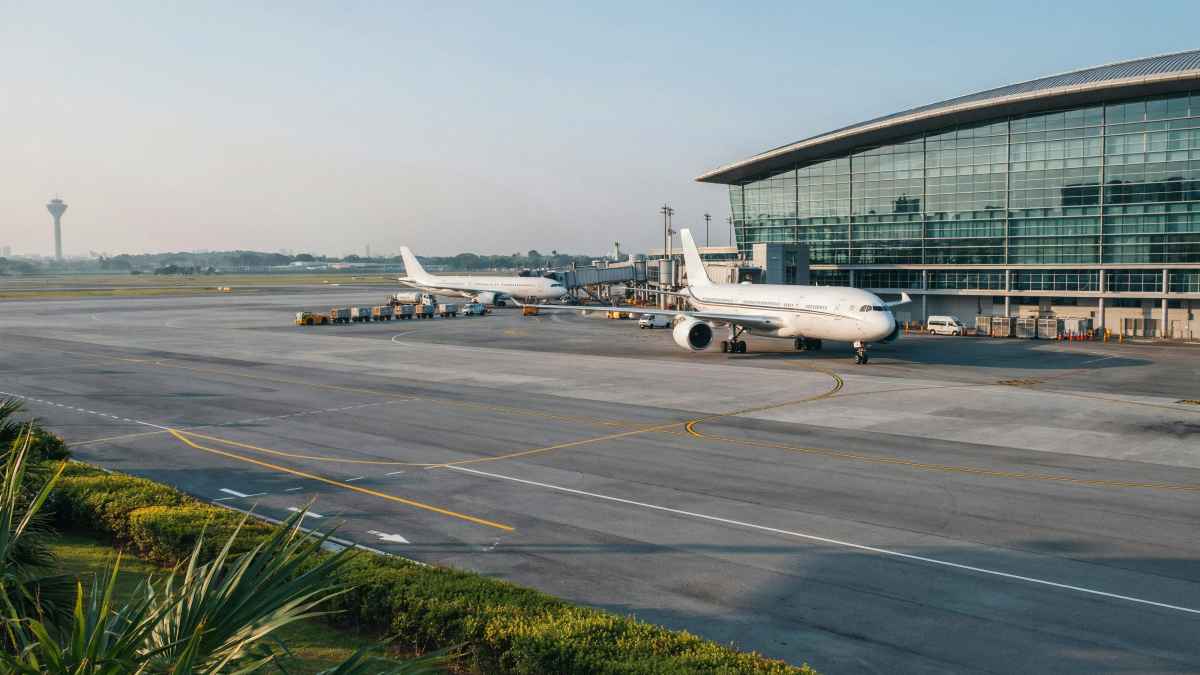
The country is also advancing digital travel systems that enable departing international travellers to process immigration through biometrics, as cross-border payment links offer travellers increased means of making payments to participating merchants without having to depend entirely on bank cards. This advances Singapore’s status as a technology-oriented travel hub with consequences for holiday travellers and businesses operating in Singapore’s region. In Changi Airport, passport-free immigration has been successfully implemented in all four terminals. According to the Immigration and Checkpoints Authority (ICA) of Singapore, departing foreigners will be able to process immigration through facial and iris biometrics without presenting their passports at the automated clearance gates. Meanwhile, Singaporean payment authorities have established links between regional payment systems, enabling qualified users to make transfers or QR payments through these borders. While these two innovations cover different aspects of the travel process, one of them being processing immigration at the airport and the other payments once travellers have landed, neither eliminates all documentation or makes all mobile wallets available in all overseas merchants.
Changi Airport Expands Biometric Immigration Clearance
Changi’s passport-less system forms part of Singapore’s New Clearance Concept, which replaces traditional manual processing with automated lanes supported by biometric identification and passenger data.
Advertisement
Advertisement
The system uses facial and iris biometrics to verify travellers’ identities. According to ICA, the full rollout across Changi’s four terminals was completed on 30 September 2024. By October that year, the average immigration clearance time had fallen from 25 seconds to 10 seconds per traveller, a reduction of 60%.
The process applies differently depending on the traveller’s status and direction of travel. Singapore residents can use passport-less clearance when arriving or departing, while foreign visitors can use it when departing Singapore. International visitors must still present their passports for immigration clearance upon arrival.
Advertisement
Advertisement
Travellers should carry their passports throughout their trip because destination authorities, airlines or immigration officers may require them for verification. Biometric clearance does not replace visa requirements, boarding documents or other entry conditions.
For tourists with connecting flights, the system can make departure processing more convenient, although baggage drop, security checks and airline boarding deadlines still apply.
Advertisement
Advertisement
Cross-Border QR Payments Give Travellers More Choice
Singapore’s digital payment network includes PayNow, which allows users of participating banks and payment providers to transfer money using identifiers such as mobile numbers. PayNow QR also enables payments by scanning supported QR codes through compatible banking applications.
Singapore has established cross-border payment connections with several regional markets. These include the QR payment linkage with Malaysia’s DuitNow network and connections involving Thailand and Indonesia. Singapore and India have also linked their real-time payment systems, PayNow and UPI, for eligible cross-border transfers.
These arrangements can make selected transactions more convenient for travellers and merchants. A visitor may be able to scan a participating merchant’s QR code or transfer money through a supported application, depending on the country, financial institution and payment service.
However, PayNow, Alipay and UnionPay are not one universal payment network. Their acceptance depends on separate commercial arrangements and participating providers. Travellers should not assume that a Singapore banking application will work with every Chinese or ASEAN merchant QR code.
What Business Travellers Need to Know
For corporate visitors, digital payments can simplify some everyday expenses, including meals, local purchases and services at participating businesses. They may also reduce the need to withdraw cash for every small transaction.
Companies should distinguish retail QR payments from formal supplier settlements. A system designed for consumer purchases may not support large invoices, corporate account payments or every type of business expense.
Advertisement
Advertisement
Employees travelling for conferences, meetings and exhibitions should check whether their corporate banking arrangements permit international QR payments. Finance teams should also establish how receipts, exchange rates, transaction fees and expense claims will be recorded.
Keeping an international payment card and a modest amount of local currency as alternatives remains sensible, particularly when visiting merchants that do not support the traveller’s payment application.
Singapore’s Digital Visitor Experience
Both projects enhance the overall strategy employed in Singapore towards technology-enabled public services and tourism. While the airport provides connections to various parts of the city as well as regions for business and cultural purposes, the digital payment service will make some processes easier once the tourists land. It will be possible for the visitors to combine a short business visit with the attractions of Gardens by the Bay, Marina Bay Sands, National Gallery Singapore and the city’s hawker centres. If the tourists decide to extend their visit, it would be wise to research the transportation services, attraction operating hours, and digital payment systems prior to coming. For international travellers, the advantage that they will get from these measures is that the journey will be more digitised, not entirely paperless.
Advertisement
