
Austria Castle Tourism Explodes As Millions Of Global Travel Enthusiasts Uncover The Majestic Secrets Of Imperial Palaces Across Vienna And Salzburg

Published
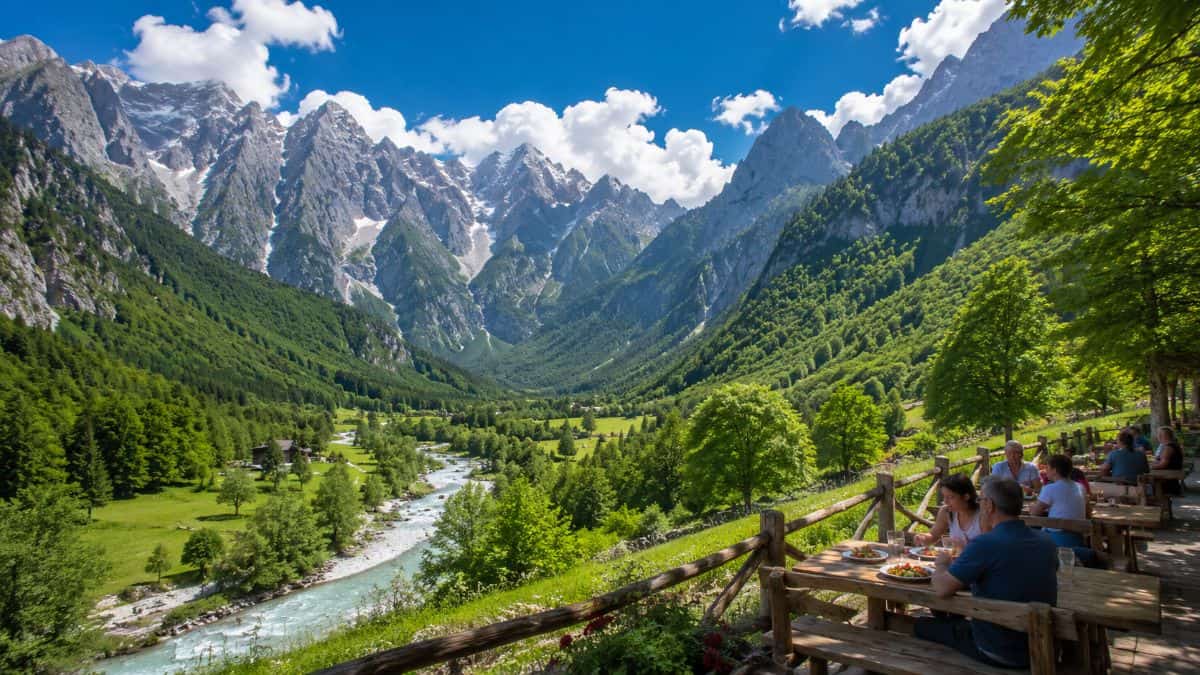
Image generated with Ai
This year, Austria castle tourism has entered the chat. It has taken off in popularity, and for good reason. People have fallen in love with all things travel related. The courtyard of Schönbrunn Palace, in the beautiful city of Vienna, and the ramparts of Festung Hohensalzburg, are the only things you need to see to understand the beauty of Europe. This year has seen a new wave of travelers and tourists and it is no surprise to see an explosion of excitement and interest in one of the most beautiful countries in the world, Austria. Castle tourism is one of the most magical travel trends and is litreally the stuff of fairy tales and so badly needed after the last few years.
How Did Austria Achieve Historic Winter Tourism Records Across Alpine and Urban Destinations in Austria?
Advertisement
Advertisement
The winter season from November 2025 to April 2026 proved to be the most successful winter period since digital record-keeping began. Early alpine snowfall across the western mountains combined with booming demand for urban heritage getaways created an unprecedented tourism surge. Official figures show total winter guest arrivals reached 21.33 million visitors, representing a robust 3.4% rise over the previous winter. International winter travelers expanded significantly, while domestic holidaymakers contributed steady arrival numbers across regional chalets. Every single ski resort reported unprecedented occupancy rates as eager winter sports enthusiasts secured their bookings well in advance.
Regional growth was anchored by Tyrol and Salzburg, which collectively accounted for 57.8% of all national winter overnight stays, totaling millions of nights spent in alpine hotels. Concurrently, Vienna achieved a remarkable increase in overnight stays, demonstrating that modern holidaymakers increasingly combine world-class alpine skiing with cultural exploration of grand Habsburg palaces. This seamless blend of snowy mountain escapes and majestic city breaks redefined European travel trends throughout the early months of the year. Local tourism boards worked tirelessly to ensure that every visitor enjoyed a seamless, unforgettable holiday experience across both snowy peaks and historic city streets.
Advertisement
Advertisement
Why Did Whitsun Calendar Shifts Impact May and June 2026 Visitor Figures Differently Across Austria?
Advertisement
Advertisement
Spring 2026 demonstrated significant monthly fluctuations influenced by the strategic placement of movable religious holidays across Western Europe. May 2026 delivered a historic performance, establishing itself as the highest-volume May on record with massive guest arrivals and overnight stays. This surge occurred primarily because Whitsun holidays fell in late May, encouraging families across Central Europe to embark on early seasonal vacations. Millions of holidaymakers took full advantage of the extended spring break to explore vibrant cultural landmarks and blooming alpine valleys.
In contrast, June 2026 recorded temporary dips in guest arrivals and overnight stays as travel patterns realigned with standard academic schedules. However, when analyzed as a consolidated pre-summer block, May and June combined reached record overall volumes, confirming sustained underlying momentum across cultural and castle destinations. International travelers capitalized on these shoulder months to explore alpine meadows before the peak summer crowds arrived. Travel agencies noted an extraordinary shift in consumer preferences towards shoulder-season exploration to avoid congestion at popular historic sites.
Which Imperial Castles and Palaces in Vienna, Salzburg, Tyrol, and Styria Are Driving Tourism Growth?
Advertisement
Advertisement
Historic monuments, imperial palaces, and alpine fortresses managed by federal heritage groups form the core of the country’s national appeal. The Schönbrunn Palace Complex in Vienna maintains its position as the top tourist attraction, drawing millions of ticketed visitors annually to its imperial apartments, grand gardens, and historic estate. During peak summer entry days, daily visitor counts continuously exceeded ten thousand guests, necessitating mandatory time-slot reservations. Visitors marvelled at the breathtaking baroque architecture and meticulously manicured gardens that once hosted Europe’s most powerful monarchs.
In central Vienna, the Wiener Hofburg Complex housing the Sisi Museum, Imperial Apartments, Imperial Treasury, and the Austrian National Library served as the primary driver for urban heritage stays. Beyond the capital, Festung Hohensalzburg in Salzburg welcomed over one million annual visitors to its hilltop fortress. Meanwhile, Kaiserliche Hofburg Innsbruck and Ambras Castle in Tyrol set high visitor volumes, alongside Burg Riegersburg and Schloss Eggenberg in Styria. Each fortress offered immersive historical exhibitions that captivated history enthusiasts from every corner of the globe.
Advertisement
Advertisement
What Key International Source Markets Are Powering the Inbound Travel Boom Across Austria?
Inbound travel continues to be anchored by established European markets, reinforced by significant growth from long-haul transatlantic travelers. Germany retained its position as the leading origin country, generating tens of millions of overnight stays during the winter season alone and growing substantially across May and June. European neighbors frequently crossed the border to partake in weekend cultural getaways and extended alpine retreats.
The Netherlands secured its spot as the second-largest international origin market, recording impressive winter overnight increases. Notably, the United States represented the fastest-growing long-haul origin market, posting remarkable surges in spring overnight stays, as American tourists prioritized multi-city heritage itineraries connecting Vienna, Salzburg, and western alpine fortresses. Switzerland and Liechtenstein also delivered steady visitor increases throughout the spring months. Transatlantic flight connectivity played a pivotal role in facilitating this massive influx of enthusiastic international explorers.
What Is the Environmental and Economic Impact of Rising Visitor Numbers Across Historic Austrian Sites?
The growing volume of international visitors to historic castles and mountain valleys generates substantial economic revenue while creating targeted environmental management priorities. Tourism directly funds municipal infrastructure, sustains regional employment, and provides essential capital for ongoing historic restoration work overseen by federal heritage agencies. Local businesses flourished as a direct result of this unprecedented economic injection into the hospitality and tourism sectors.
Advertisement
Advertisement
At high-demand heritage destinations such as Vienna and Salzburg, concentrated visitor flows require sophisticated crowd management solutions. Sites like Schönbrunn Palace have successfully implemented digital reservation systems and daily entry caps to mitigate wear on historic architecture, reduce localized traffic congestion, and maintain a high-quality visitor experience across all regions. Environmental experts praised these proactive measures for balancing robust economic growth with rigorous preservation standards.
Final Thoughts
At the end of the day, I think it all boils down to checking your gut. We spend our time analyzing the particulars and obsessing over details, most of which is unnecessary. Typically, the easiest solution to the problem is the one right in front of us. It tends to be chaotic and unpredictable and we strut our stuff on the fly more than we should. It tends to be a work in progress most of the time. We just need to learn how to go into it, make decisions based on what we think is best and battle the issues we face as we go. Realistically, we will cleave the veil on what needs to be done more with progress than we will with perfection.
Advertisement
