

Morocco Leads Africa in Tourism Growth as Arrivals Near 20 Million

Published
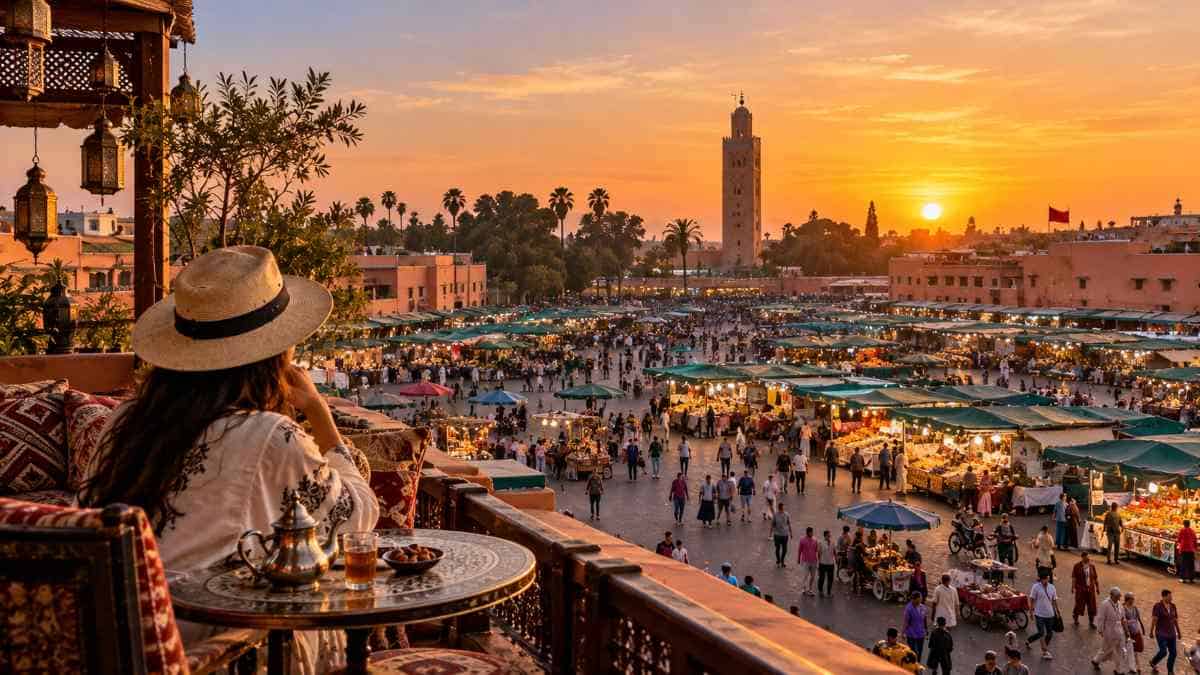
Morocco is making great strides in its mission to become a key tourism player in Africa, with tourist arrivals and revenues seeing a rapid rise in 2026. It was reported that approximately 9.4 million tourists crossed Morocco’s borders in the first half of 2026 – a 6% increase in traffic compared to the same period in the previous year. Travel revenues recorded MAD64.9 billion, which is 15.9% higher than in the previous year, while the number of nights spent in registered hotels rose by 9% to 21.8 million. These figures once again confirm Morocco’s leading position as the top tourism destination in Africa since, in 2024, it had a total of 17.4 million visitors, with a target of 26 million for 2030.
Marrakech Remains the Major Tourism Engine
Marrakech continues to account for a substantial share of Morocco’s tourism activity.
During the first half of 2026, Marrakech recorded about 7.17 million overnight stays, a 10% increase year on year. That represented roughly one-third of all classified accommodation overnight stays nationally. Marrakech-Ménara Airport also recorded around 2.63 million international arrivals during the period, up 10%.
The city’s appeal extends beyond its traditional medina and landmark attractions. Heritage accommodation, restored riads, culinary experiences and cultural activities are increasingly important to travellers seeking longer and more experience-led stays.
Advertisement
Advertisement
That creates opportunities for investment in historic properties while maintaining the cultural character that makes Marrakech one of Morocco’s best-known destinations.
Fez Gains From Cultural Tourism
Fez is also benefiting from Morocco’s wider push towards destination diversification.
Advertisement
Advertisement
The historic city recorded approximately 852,000 overnight stays during the first six months of 2026, an increase of 6% compared with the previous year.
Its medina, traditional crafts, architecture and religious heritage make it particularly suited to cultural and heritage tourism.
For Morocco, strengthening destinations such as Fez alongside Marrakech can help broaden the tourism map and encourage visitors to spend more time travelling through the country instead of concentrating their holidays around a small number of established resorts.
The wider Fez-Meknes region is also seeing investment in tourism accommodation, including hotels, guest houses and other traditional lodging formats.
Atlantic Coast Adds Surf and Nature Appeal
Morocco’s Atlantic coastline provides another growth channel, particularly for travellers interested in surfing, outdoor activities and slower coastal holidays.
Destinations including Essaouira and Agadir are already recording strong accommodation performance. Essaouira registered around 615,000 overnight stays during the first half of 2026, up 6%, while Agadir recorded 4.11 million, an 11% increase.
Advertisement
Advertisement
The Atlantic coast also allows Morocco to expand nature-focused accommodation and outdoor tourism beyond its traditional beach-holiday model.
Surf towns can combine accommodation, food, wellness and outdoor experiences, creating longer visitor stays and distributing tourism spending among smaller businesses.
Growth Reaches Beyond Traditional Gateways
The strongest gains are no longer limited to Morocco’s biggest international tourism centres.
Ouarzazate recorded a 23% rise in overnight stays during the first half of 2026, while Rabat increased by 20%. Casablanca and Agadir each posted 11% growth, and Tangier rose 10%. Dakhla-Oued Ed-Dahab recorded an even sharper 26% increase, although from a much smaller base.
This spread matters as Morocco prepares for another major phase of tourism investment.
The country plans to add about 60,000 hotel beds before the 2030 FIFA World Cup, taking capacity significantly higher as it prepares for increased international demand.
Tourism Revenue Adds Strength to the Expansion
The increase in the number of visitors is now yielding economic benefits. By the end of August 2026, the tourism revenues in Morocco were about MAD97.9 billion, representing a growth rate of 9.7% compared to the same period of 2025. By the end of August, Morocco was visited by 14.1 million tourists, while the classified accommodation establishments recorded 25.8 million overnight stays by the end of July. The increased number of visitors, the increased number of overnight stays, and increased tourism revenue give Morocco a wider room for investments in the tourism sector. For the airlines, hotels, tour operators, and destination companies, the opportunities are growing beyond the cultural cities, Atlantic surf spots, mountains, and regional gateway markets. As Morocco is on track to meet its tourism targets by 2030, Marrakech is still the biggest tourist market in Morocco, but the current performance shows that Fez, Rabat, Ouarzazate, Agadir, Essaouira, and others are becoming significant.
Advertisement
