
New York Aligns with Orlando and Las Vegas as Key Routes Take Off Following FAA 737 MAX 10 Clearance

Published
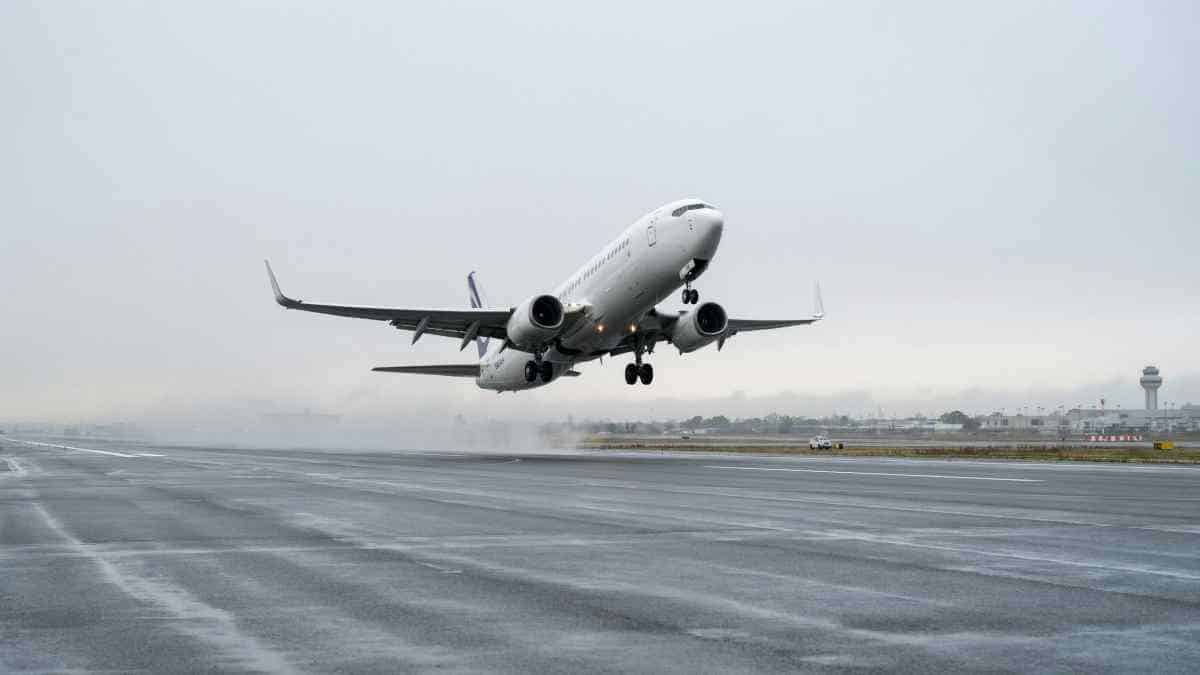
The cities of New York, Orlando and Las Vegas might play host to new flights from airline operators as the United States Federal Aviation Administration (FAA) has given final certification to the Boeing 737 MAX 10, which clears the decks for the production and delivery of the largest model of the 737 MAX family. The FAA gave this certification announcement on October 20, 2026, and it eliminates one major barrier for Boeing and the airlines waiting for the aircraft. The impact of the event on domestic tourism, international aviation and the demand for leisure destinations is significant. This is because the FAA has released a type certificate and an amended Production Limitation Record, confirming that the aircraft meets the applicable design and safety standards. It now clears the aircraft for manufacture. The significance of the news in terms of the tourism industry is related to the passenger capacity of the aircraft.
FAA Certification Opens the Way for Airline Deliveries
The approval follows several years of technical reviews, flight testing and regulatory assessments. The 737 MAX 10 underwent nearly 1,000 test flights, accumulating more than 2,000 flight hours and approximately 1,000 hours of ground testing.
Advertisement
Advertisement
The FAA required Boeing to incorporate safety improvements addressing requirements under the Aircraft Certification, Safety, and Accountability Act (ACSAA) and recommendations from the National Transportation Safety Board.
One important development involves the enhanced Angle of Attack (eAoA) sensor architecture, which improves the aircraft’s flight-control system by providing additional safeguards against erroneous sensor information.
Advertisement
Advertisement
The MAX 10 is the first commercial aircraft to receive certification demonstrating full compliance with the 2020 ACSAA requirements.
The approval also follows heightened regulatory scrutiny of Boeing’s 737 MAX programme after previous safety incidents. The latest certification therefore represents an important stage in the aircraft’s regulatory progress.
Advertisement
Advertisement
New York, Orlando and Las Vegas Could Benefit from Capacity Expansion
The aircraft’s passenger capacity makes it particularly relevant to airlines operating high-demand domestic and international short-to-medium-haul networks.
The 737 MAX 10 typically accommodates between 185 and 210 passengers in a two-class configuration, with a maximum seating capacity of 230. Its range extends to approximately 3,100 nautical miles, or 5,740 kilometres.
These characteristics could support airline operations connecting major population centres with tourism destinations across the United States.
New York remains an important international gateway, receiving visitors travelling for business, cultural attractions and leisure. Orlando attracts substantial domestic and international tourism through its theme parks, family entertainment and hospitality infrastructure. Las Vegas continues to draw visitors through its entertainment, convention, hospitality and leisure sectors.
Chicago and Los Angeles also represent significant aviation markets, linking domestic passengers with international visitors and connecting travellers to wider American tourism networks.
However, certification does not automatically mean additional flights to these destinations. Individual airlines will determine aircraft deployment according to demand, airport operations, network requirements and fleet availability.
Advertisement
Advertisement
United Airlines and Delta Air Lines Among Major Customers
The certification is particularly relevant to airlines that have committed to the aircraft and are planning future fleet requirements.
United Airlines and Delta Air Lines are among the major customers awaiting the MAX 10. American Airlines, Alaska Airlines and Ryanair are also among its customers.
Boeing has received 1,555 orders for the aircraft from more than 30 customers, representing over 30 per cent of the 737 MAX programme’s outstanding order book.
For airlines, the additional seating capacity could offer opportunities to accommodate more passengers on selected routes without moving to larger wide-body aircraft.
This could be relevant during peak tourism periods, including summer holidays, school breaks and major events when demand for domestic and international travel increases.
For destinations dependent on aviation connectivity, additional airline capacity can support visitor access, particularly where carriers can increase available seats on existing routes.
Advertisement
Advertisement
Nevertheless, the actual tourism impact will depend on when airlines receive their aircraft and how they incorporate them into operational schedules.
International Deliveries Still Require Further Regulatory Steps
Although FAA certification clears a major hurdle, international regulatory requirements remain relevant for the aircraft’s entry into service outside the United States.
Canada-based WestJet is expected to receive the first 737 MAX 10, with deliveries anticipated in early 2027, subject to the necessary approvals from Canadian and European regulators.
Transport Canada and the European Union Aviation Safety Agency (EASA) are among the authorities whose regulatory processes matter for the aircraft’s international operations.
This distinction matters for tourism markets because aircraft certification, production approval, delivery, and the start of scheduled passenger services are separate stages.
Airlines must also complete their own operational preparations, including crew training, maintenance planning and fleet integration, before introducing the aircraft into commercial schedules.
Greater Capacity and Fuel Efficiency in the US Aviation Market
The 737 MAX 10 is a chance for airlines to boost passenger capacity without having a wide-body aircraft. According to Boeing, the aircraft has been developed to have a 20 per cent reduction in fuel burn and CO2 emissions relative to the aircraft that it replaces. The same technology used by other MAX versions allows commonality within airline fleets. In terms of tourism-based economies, the added capacity alongside operating efficiency would affect future flight planning and destination economics. The incorporation of this aircraft within airline fleets would become important considering the passenger demand, airport capacity and competition analysis within the domestic and international travel industry. With 1,555 aircraft orders placed, the MAX 10 has graduated from its extended certification programme to begin manufacture and delivery to airlines.
Advertisement
