
Venezuela Ignites Fresh Travel Magic As South America Visitor Movement Expands Across Continental Hotspots, Here’s The Update

Published
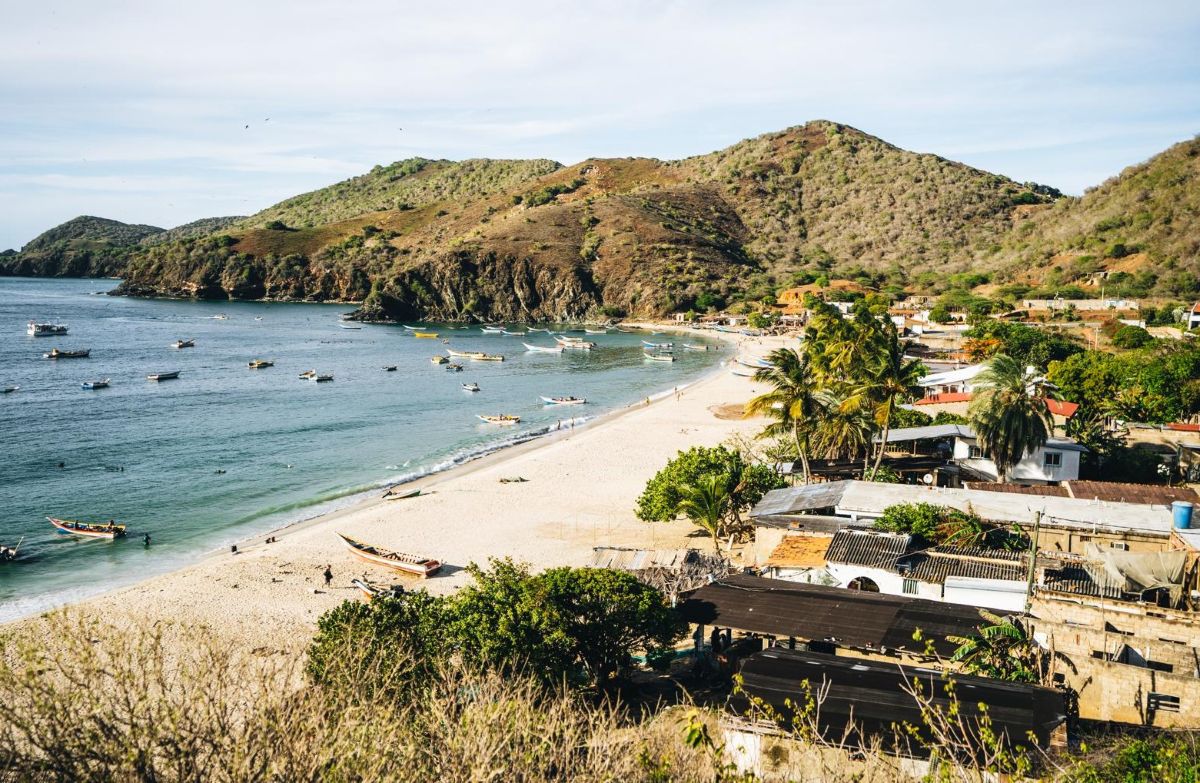
Picture yourself standing on the cliff edge of Canaima looking down at Angel Falls roaring into the mist below. For years Venezuela felt like a forgotten chapter in American travel but something quiet and extraordinary is happening right now. Beyond the noise of headlines and unbelievable numbers real travelers are trickling back chasing untouched beaches, in Los Roques and the sun‑soaked shores of Isla de Margarita. It is not a corporate takeover of the continent but rather an authentic emotional rebirth of a country rediscovering its soul and proudly opening its arms to the world once again.
What Is the Actual Market Share and Arrival Volume for Venezuela in South America?
Advertisement
Advertisement
Is Venezuela genuinely capturing nearly two-thirds of South America’s total tourist arrivals this year? When examining comparative arrival figures across the continent, multilateral statistics demonstrate that international visitor traffic is broadly distributed among established destinations. While heavyweights like Brazil and Argentina welcome millions of annual visitors, Venezuela accounts for a modest slice of total continental arrivals. Official figures from the Ministerio del Poder Popular para el Turismo indicate that receptive tourism has staged a visible comeback via specialized charter connections. Venezuela currently captures between 1.5% and 3.0% of total inbound international visitors across the entire South American continent.
Continental travel ecosystems rely heavily on sprawling aviation networks, robust hotel infrastructures, and long-standing international marketing campaigns to attract holidaymakers. Although Venezuela is making structural strides in reviving its hospitality ecosystem, legacy tourism destinations continue to process the bulk of leisure traffic. Travelers looking to explore the region will find that while traditional hotspots remain immensely popular, emerging corridors offer refreshing alternative experiences.
Advertisement
Advertisement
How Are WTTC Economic Projections Misinterpreted as Majority Arrival Shares?
Why have news outlets reported that Venezuela is taking over 63% of the continental travel market? This common misunderstanding stems from a classic statistical error that confuses relative percentage growth rates with total physical market volume. The World Travel and Tourism Council projects that Venezuela will lead the region in Travel and Tourism GDP growth with a massive 33.2% surge. Because the baseline tourism capacity was severely reduced in prior years, adding new charter routes naturally results in remarkably high percentage increases. However, experiencing a rapid percentage growth rate on a smaller baseline does not translate into holding a majority of total physical visitor arrivals.
Advertisement
Advertisement
Economic analysts emphasize that distinguishing between macro-economic percentage jumps and actual headcount volume is crucial for accurate travel reporting. While the 33.2% GDP surge highlights an impressive economic recovery, physical visitor numbers remain a fraction of continental heavyweights like Colombia and Peru. Industry observers must analyze these distinct metrics carefully to avoid perpetuating misleading arrival figures across global tourism forums.
What Key Initiatives From MINTUR Are Driving Venezuela’s Receptive Tourism Growth?
How is Venezuela actively expanding its inbound visitor numbers and internal travel movement? National tourism strategies rely heavily on dedicated international charter corridors and nationwide route certifications coordinated by state authorities. The country’s receptive growth centers on bilateral tour agreements, bringing international travelers directly from European and Caribbean source markets to tropical highlights. Destinations like Isla de Margarita and the pristine archipelagos of Los Roques have become primary hubs for these specialized charter flights. Furthermore, tourism authorities have validated over 1,250 national tourist routes while logging millions of domestic holiday trips to support local operators.
Strategic aviation agreements allow international holidaymakers to bypass traditional transit hubs and land directly in picturesque coastal and island settings. These targeted routes are vital for reconnecting international travelers with Venezuela’s breathtaking natural landscapes without requiring complex multi-stop itineraries. Consequently, hospitality providers across these designated zones are experiencing a significant revitalization of their operational capacities and service standards.
How Does the Impact of Travel and Tourism Benefit Local Communities in Venezuela?
What does this sector-led recovery mean for everyday citizens and destination management in the country? Beyond macro-economic indicators, the resurgence of travel creates tangible socioeconomic ripples across coastal and mountainous communities alike. Projected increases in tourism employment translate into thousands of new professional opportunities across hospitality, culinary arts, maritime transport, and eco-guiding. In coastal towns and highland regions near Mérida, direct visitor spending supports small business supply chains and fosters cultural pride. Infrastructure maintenance initiatives funded by tourism revenue ultimately enhance the day-to-day living standards of local residents.
Advertisement
Advertisement
Community-based tourism models ensure that economic gains are distributed directly to grassroots operators rather than concentrated solely in major urban centers. This localized economic flow empowers small business owners to upgrade their facilities, preserve indigenous heritage sites, and offer authentic cultural experiences to visitors. As a result, sustainable community engagement has become a cornerstone of Venezuela’s modern tourism development strategy.
What Is the Comparative Outlook for Inbound Travel Across Major South American Nations?
How do South America’s established tourism powerhouses perform alongside Venezuela’s growth momentum? Looking at continental travel patterns, South America offers a diverse range of visitor attractions and competitive travel markets. Brazil holds the largest market share in the region, driven by extensive aviation networks and iconic cultural celebrations like Carnival. Meanwhile, Colombia records rapid compound annual growth rates, and Peru maintains its stellar reputation through world-class culinary and archaeological treasures. While Venezuela leads in short-term percentage growth, the broader South American ecosystem relies on all these destinations collectively.
Regional tourism boards increasingly collaborate to promote multi-destination itineraries that encourage travelers to explore several countries during a single extended holiday. This cooperative approach strengthens South America’s overall competitive edge in the fiercely contested global travel market. Adventure seekers benefit immensely from this interconnected network, gaining seamless access to diverse ecosystems ranging from Andean peaks to Caribbean shores.
How Do Air Connectivity Dynamics and Direct Flight Operations Dictate Tourist Volume and Seat Capacity Rebound Across South America?
Air transport infrastructure directly dictates tourist volume across South America, establishing the fundamental baseline for regional visitor mobility. South America processes over 120 million aviation seats annually, with primary aviation hubs in Brazil and Colombia managing over 60% of total international flight arrivals. Major hubs like São Paulo and Bogotá anchor high-frequency regional airline networks that seamlessly connect global travelers to continental destinations. In contrast, Venezuela utilizes a focused point-to-point charter system rather than serving as a massive high-volume international transit hub.
Advertisement
Advertisement
Receptive charters organized by operators like Pegas Touristik add approximately 120,000 to 180,000 direct seats per year to Isla de Margarita. This specialized corridor bypasses traditional congestion points, allowing international visitors to land directly at Maiquetía Airport or Porlamar without complicated multi-stop itineraries. While legacy hubs handle massive volumes of scheduled daily carriers, these targeted charter operations successfully funnel steady streams of tourists directly into specialized Venezuelan beach and island resorts.
What Are the Key Hospitality Yields and Hotel Room Occupancy Metrics Observed Across Traditional Destinations and Emerging Venezuelan Hotspots?
Tourist arrivals translate directly into physical bed-night demand, driving distinct variations in room availability, Revenue Per Available Room, and average occupancy rates. Mature continental destinations like Rio de Janeiro and Buenos Aires maintain consistent annual hotel room occupancy rates between 62% and 72%. These established markets benefit from diversified business travel, extensive corporate events, and predictable leisure tourism cycles throughout the calendar year. Meanwhile, Venezuela’s emerging hotspots exhibit distinct micro-market trends driven by seasonal demand and exclusive luxury offerings.
Exclusive destinations like the Los Roques Archipelago report luxury lodge occupancy spiking above 78% during peak international charter seasons. Conversely, coastal areas like Morrocoy National Park average 45% to 55% occupancy, heavily dependent on domestic holiday surges and weekend regional getaways. This stark contrast demonstrates how niche luxury markets can achieve exceptional yield performance even while broader regional infrastructure continues its gradual, steady post-pandemic recovery.
How Do Eco-Tourism Ecosystems and Biodiversity Anchors Drive Regional Arrivals and Sustainable Nature Travel Across the Continent?
High-value nature travel drives regional arrivals, with eco-tourism representing over 35% of all leisure journeys undertaken in South America. Venezuela boasts unique mega-biodiversity assets that rival established eco-destinations in the Amazon basin, the Brazilian Pantanal, and the Galápagos Islands. Canaima National Park encompasses a staggering 3 million hectares as a protected UNESCO World Heritage site, housing the breathtaking Kerepakupai Merú. Guided expedition groups to Angel Falls process approximately 15,000 to 25,000 high-yield adventure travelers annually, generating vital revenue for local conservation initiatives.
Advertisement
Advertisement
Preserving these fragile natural environments requires strict ecological guidelines and community-led conservation management across remote wilderness zones. Adventure travelers seeking authentic wilderness experiences increasingly prioritize destinations that balance pristine environmental preservation with responsible local tourism practices. Consequently, Venezuela’s monumental natural assets position the country as a compelling frontier for specialized ecotourism development and sustainable adventure travel.
In What Ways Does Employment Expansion and Socioeconomic Community Impact Shape Local Livelihoods in Coastal and Rural Zones?
The human side of tourism recovery reveals how international arrivals and domestic travel translate directly into sustainable local employment across coastal and rural zones. The World Travel and Tourism Council projects that the industry supports 18.5 million jobs across Central and South America, accounting for 8.3% of total employment. Within Venezuela, WTTC projections indicate a remarkable 34.8% surge in travel sector employment, generating over 40,000 new direct jobs. These professional opportunities span hospitality management, maritime transport, and regional eco-guiding in regions like Mérida and Mochima National Park.
Community-based tourism initiatives ensure that economic benefits flow directly to small-scale artisans, local restaurateurs, and independent transport providers in rural areas. In highland zones near Colonia Tovar and coastal fishing villages, increased visitor spending improves local infrastructure and elevates household living standards. This grassroots economic integration fosters widespread community support for sustainable tourism expansion and cultural heritage preservation.
How Does Domestic Mobilization and Internal Leisure Movement Serve as the Financial Backbone for Regional Hospitality Operators?
Internal domestic tourism serves as the primary financial backbone for regional hospitality operators, effectively mitigating the fluctuations of international visitor arrivals. Ministry data reported over 3.6 million domestic traveler movements during major national holiday periods such as Carnival and Easter. Families and regional travelers frequently explore domestic destinations across the highlands of Aragua, Chichiriviche, and Puerto La Cruz throughout the year. This steady internal mobility provides essential cash flow for independent resort owners and regional service providers operating outside international charter zones.
Advertisement
Advertisement
Domestic spending accounts for over 70% of total hospitality revenue for independent operators who cater primarily to local holidaymakers. By maintaining robust domestic mobilization, the local tourism sector builds structural resilience against external economic shocks and international travel restrictions. Hoteliers across Valencia and surrounding regions continually adapt their service offerings to satisfy the evolving preferences of domestic leisure travelers.
How Do Bilateral Receptive Corridors and Geopolitical Tour Trade Realign International Source Markets for Emerging Destinations?
Shifts in international source markets demonstrate how non-traditional bilateral agreements successfully replace legacy North American and European feeder markets. Strategic partnerships with Eurasian, Latin American, and Caribbean nations have fundamentally transformed Venezuela’s inbound visitor demographics. Direct weekly or bi-weekly charter flights originating from Moscow and Warsaw bring groups of 300 to 450 passengers per flight directly to Porlamar. These specialized bilateral agreements ensure a steady and reliable flow of vacationers into designated tourism development zones.
Eurasian and Caribbean source markets now represent over 65% of Venezuela’s total international receptive charter volume. This strategic realignment highlights the adaptability of national tourism boards in establishing alternative aviation routes and fostering international partnerships. Travelers from these non-traditional source markets benefit from streamlined visa processes and dedicated tour packages tailored to tropical beach holidays.
How Do Digital Payment Systems and Currency Ecosystem Transformation Overcome Historical Transaction Barriers for International Visitors?
Payment infrastructure and modern financial technology adoption facilitate tourist spending and effectively overcome historical transaction barriers for global visitors. South American online travel booking penetration has surpassed 52%, reflecting a broader digital transformation across the continental travel sector. Within urban centers like Caracas and Lechería, the widespread deployment of dual-currency digital payment gateways has revolutionized commercial transactions. International card processing and mobile FinTech solutions have raised local tourism transaction completion rates by over 40% in recent months.
Advertisement
Advertisement
Seamless digital payment mechanisms provide foreign visitors with unprecedented convenience when booking excursions, dining out, and purchasing local crafts. Small business owners and major hospitality providers alike benefit from transparent, instantaneous transaction processing that eliminates cash-handling inefficiencies. This technological modernization represents a critical milestone in elevating the overall user experience for international travelers exploring the country.
What Role Do National Quality Certification and Route Standardization Play in Upgrading Hospitality Standards Across Expedition Trails?
Official government policy and regulatory frameworks are specifically designed to certify tour providers, validate travel routes, and upgrade national hospitality standards. Through the Registro Turístico Nacional, authorities have successfully validated over 1,250 official tourist routes, establishing a strategic goal of certifying 3,000 national itineraries. Comprehensive service provider audits have granted updated certifications to over 8,000 operators across diverse regions including Barinas, the Paraguaná Peninsula, and the Roraima Plateau. These rigorous standards ensure optimal safety, environmental compliance, and service quality for demanding trekking routes such as the Mount Roraima expedition.
Standardized certification protects fragile ecosystems while providing adventure travelers with trustworthy, professional guide services in remote wilderness areas. Regional tourism bureaus conduct regular inspections to maintain high operational standards across all registered hotels, lodges, and transport networks. Ultimately, these robust regulatory frameworks enhance traveler confidence and reinforce South America’s reputation for safe, well-managed adventure tourism.
The Final Verdict
Remove the claims and sensational numbers and what remains is something far more beautiful: hope. Venezuela is not dominating South Americas travel industry by force or sheer volume; Venezuela is quietly putting its spirit together. From the boat captains in Los Roques to the warm hands that welcome travelers, on Margarita Island this rebound is driven by heart, resilience and unyielding pride. As the dust settles one truth remains clear: Venezuela does not need statistics to shine. Venezuela’s wild beauty finally speaks for itself inviting the world to witness Venezuela’s heartfelt revival.
Frequently Asked Questions
- Does Venezuela hold a 63% share of South American tourist arrivals in 2026? No. Official data from UN Tourism and national migration authorities indicate that Venezuela accounts for approximately 1.5% to 3.0% of South America’s total inbound tourist arrivals.
- Where did the 63% market share claim originate? The figure is a sensationalized misinterpretation of economic growth metrics, confusing WTTC projections of Venezuela’s percentage GDP growth rate with total physical market share.
- What are the main international destinations in Venezuela right now? The primary destinations for international receptive corridors include Isla de Margarita, Los Roques, Morrocoy National Park, and Canaima National Park.
- Which countries send the most international travelers to Venezuela? Inbound receptive tourism is currently dominated by dedicated charter connections from Russia, Poland, Cuba, and select Eurasian markets arranged through bilateral tour agreements.
- How fast is Venezuela’s travel sector economy growing? According to the WTTC, Venezuela’s Travel and Tourism GDP is projected to expand by 33.2% in 2026, accompanied by robust growth in sector employment.
Advertisement
