
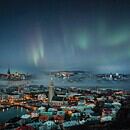
Image generated with Ai
Planning a European holiday in 2026 is becoming a more strategic process as travellers look beyond destination names and focus on the complete travel experience. Visitors are now comparing flight ticket prices, baggage costs, hotel deals, transport options and seasonal offers before making booking decisions. Instead of simply choosing the most famous destinations, holidaymakers are searching for journeys that deliver maximum experiences while keeping overall spending under control.
The latest European tourism trends show that demand for travel remains strong, but tourists are becoming more careful with their budgets. A successful European trip now depends on finding the right combination of affordable airfares, flexible booking policies, convenient transport links and destinations that provide memorable experiences without excessive costs. For travellers, this creates a major advantage. More competition among airlines, improved transport networks and a wider range of accommodation choices are giving visitors greater control over how they plan their holidays.
Advertisement
Air tickets have become one of the first factors influencing European holiday decisions in 2026. Travellers are increasingly checking multiple airlines, comparing departure cities and selecting travel dates that provide better value. With more airline connections operating across Europe, visitors now have greater flexibility when searching for affordable routes.
Tourists can often reduce their travel costs by considering:
Advertisement
Many international visitors are also combining flights with Europe’s extensive rail network. Instead of booking several internal flights, travellers can fly into one major city and continue their journey by train to nearby countries or regions. This approach can reduce costs while allowing visitors to experience more destinations during a single holiday. For budget-conscious tourists, Europe in 2026 offers more possibilities to customise trips according to personal spending limits.
The growing demand for affordable travel is encouraging tourists to discover destinations that offer rich experiences without premium prices. While Europe’s famous capitals continue attracting millions of visitors, many travellers are now exploring smaller cities, coastal towns and regional destinations where accommodation, food and local transport costs are often lower.
Instead of spending an entire holiday budget in one expensive city, visitors are increasingly choosing destinations where they can enjoy:
Countries and regions outside Europe’s most crowded tourism centres are becoming attractive alternatives for travellers who want history, landscapes and local culture without high seasonal prices. For tourists, this means a European holiday can now include more experiences for the same budget. Visitors can explore hidden towns, enjoy traditional cuisine and interact with local communities while avoiding some of the highest travel expenses.
Accommodation planning has become another major area where tourists can save money and improve their holiday experience. Travellers in 2026 are no longer limiting their choices to traditional city-centre hotels. Many are exploring apartments, countryside stays, boutique properties and extended-stay accommodation to find better value.
Holidaymakers are increasingly comparing:
Choosing accommodation slightly away from the busiest tourist zones can significantly reduce costs while still keeping attractions easily accessible through public transport. For families, this can mean larger spaces and lower daily expenses. For solo travellers, it can provide opportunities to stay longer. For couples, it can create more unique experiences away from overcrowded tourist areas. The changing accommodation market gives visitors more freedom to design holidays that match their travel style and budget.
Travelling during Europe’s quieter months is becoming one of the most effective ways for tourists to save money in 2026. Spring and autumn holidays are gaining popularity because they offer a balance between comfortable weather, lower prices and fewer crowds.
Visitors travelling outside peak summer periods can often benefit from:
Major European attractions, including museums, historic landmarks and cultural sites, are often easier to explore during shoulder seasons. Tourists can spend more time enjoying destinations rather than waiting in long queues. This changing travel behaviour is allowing visitors to experience Europe in a different way. Instead of rushing through crowded locations during peak months, travellers are choosing slower and more rewarding journeys.
One of Europe’s biggest advantages for tourists is its connected transport system. Visitors can now create multi-country holidays by combining flights, trains and local transport services. A traveller arriving in one European city can easily continue to neighbouring destinations without booking expensive additional flights. This makes longer journeys more practical for international visitors.
Popular travel combinations include:
Rail travel allows tourists to experience more destinations while reducing transportation complexity. For many visitors, the journey itself becomes part of the holiday experience, offering scenic views and convenient connections.
Modern tourists are changing what they expect from European holidays. Instead of focusing only on famous landmarks, visitors increasingly want experiences that feel personal, authentic and meaningful.
Travellers are now spending more time searching for:
This shift allows visitors to create holidays based on personal interests rather than following standard tourist routes. A traveller interested in history may choose smaller heritage towns. A nature lover may select mountain regions or national parks. A food enthusiast may plan a journey around regional cuisines. Europe’s diversity makes it possible for every traveller to build a holiday that matches their preferences.
The future of European travel is becoming more flexible, affordable and personalised. Tourists who compare flight tickets, explore alternative destinations and choose the right travel period can discover greater value across the continent. The biggest benefit for visitors in 2026 is the increase in choice. More airline routes, improved transport connections and wider accommodation options are helping travellers create holidays that match their budgets and interests.
Europe remains one of the world’s most attractive travel regions, but successful trips now depend on smarter planning. Travellers who look beyond traditional hotspots, compare costs carefully and embrace new destinations can enjoy unforgettable experiences while making every part of their holiday budget work harder.
Advertisement
Tags: Affordable Europe Trips, best time to visit Europe, Europe tourism growth, europe travel, European holiday destinations
Advertisement
Advertisement












Wednesday, September 2, 2026
Wednesday, September 2, 2026

Wednesday, September 2, 2026

Wednesday, September 2, 2026

Wednesday, September 2, 2026

Wednesday, September 2, 2026

Wednesday, September 2, 2026

Wednesday, September 2, 2026



