
Windsor Turns Arts, Culture and Waterfront Events Into a Bigger Tourism Play as $317M+ Capital Investment Reshapes Visitor Appeal

Published
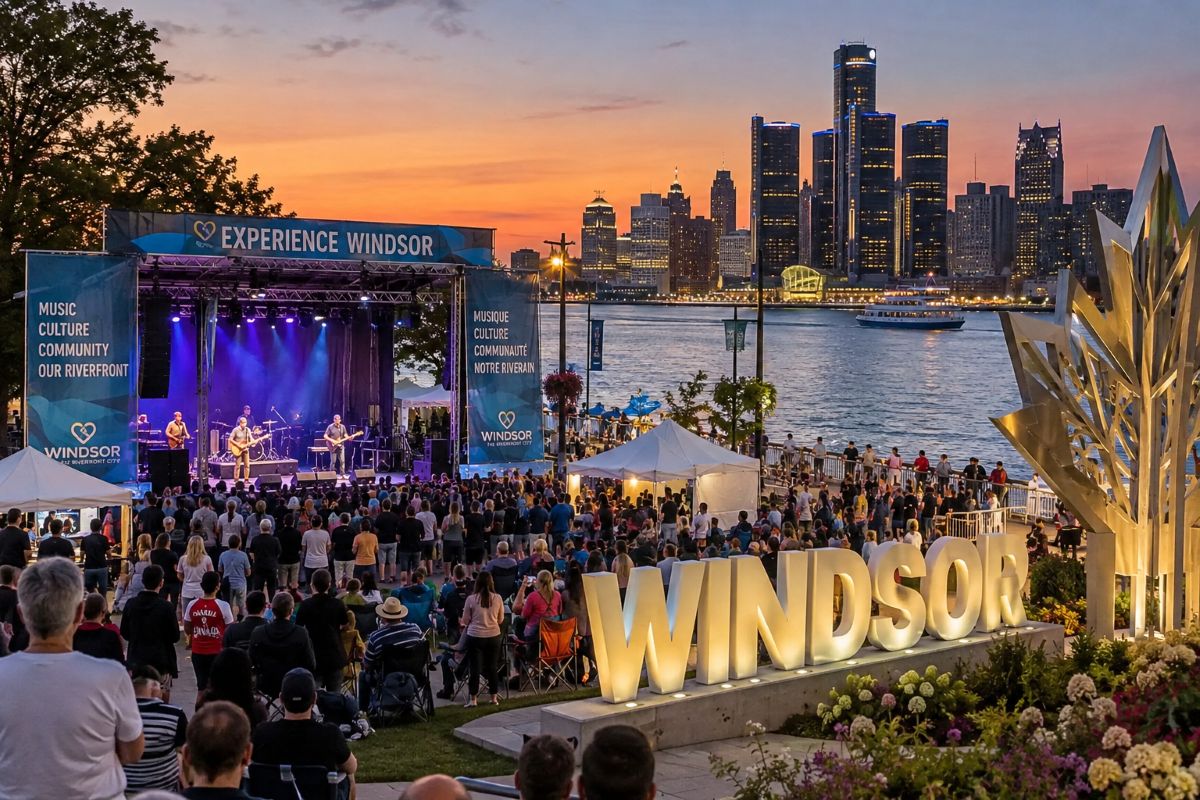
Windsor Turns Arts, Culture and Waterfront Events Into a Bigger Tourism Play as $317M+ Capital Investment Reshapes Visitor Appeal because the city is using public spaces, heritage, festivals and neighbourhood programming to create more reasons for travellers to stay longer and explore beyond traditional attractions. More than $317 million in 2026 Capital Investment supports a wider city strategy, while programmes such as Experience Windsor, cultural grants, waterfront events and heritage projects strengthen the visitor offer. As Windsor Turns Arts, Culture and Waterfront Events Into a Bigger Tourism Play, the emphasis is on making the destination more varied, accessible and locally rooted. The $317M+ Capital Investment Reshapes Visitor Appeal by supporting experiences that can increase dwell time, local spending and cultural discovery.
How Is Experience Windsor Changing the City’s Tourism Offer?
Experience Windsor is one of the clearest examples of the city turning public spaces into tourism assets.
The programme was organised around three main components: the Riverfront Summer Series, Staycation Activation and Neighbourhood Nights. Together, they created more than 50 free events and activities using parks, civic spaces, cultural buildings and recreation facilities.
Neighbourhood Nights delivered entertainment, music and food in all 10 city wards, while the Riverfront Summer Series included Riverfront Rewind, The Big Picnic, Riverfront Speakeasy and Great Canadian Riverfront.
Advertisement
Advertisement
For travellers, the strategy is notable because it spreads visitor activity beyond a single downtown attraction.
Someone spending a weekend in Windsor can now combine waterfront programming, local neighbourhood events and cultural spaces within one itinerary.
Advertisement
Advertisement
The programme also creates opportunities for restaurants, shops and other businesses to benefit when visitors move between different parts of the city.
Why Is Windsor Investing More Heavily in Arts and Heritage?
Windsor’s cultural investment is not limited to seasonal festivals.
Advertisement
Advertisement
The Arts, Culture and Heritage Fund has awarded more than $1.3 million to 529 projects since 2014, supporting community arts, visual arts, literature, performance, music, film, heritage and cultural programming.
For 2026, the city initially made $133,000 available through the programme. During the first round, $66,500 went to 17 recipients from 56 eligible applications.
Demand substantially exceeded supply. Applicants requested around $277,000, while 28 were first-time applicants.
For tourism, these grants matter because cultural destinations depend on a steady pipeline of exhibitions, performances, festivals and community-led experiences.
Advertisement
Advertisement
Large attractions may bring visitors into a city, but smaller arts projects can encourage them to explore individual neighbourhoods and discover events that feel more local.
That helps Windsor build a tourism identity based not only on major infrastructure, but also on community creativity.
What Heritage Projects Are Adding New Reasons to Visit Windsor?
Two investments stand out.
The Coach House Historical Exhibition at Willistead Park received a $400,000 restoration and renovation project through the 2026 budget. The expanded exhibition includes historical artefacts, vintage bottles and prints, Walker family interpretation, interactive elements and a video tour connected with the former Canadian Club Brand Centre.
Windsor has also committed more than $400,000 to the Emancipation Celebration Monument and gathering space at Jackson Park.
That project includes a decorative arch approximately 28 feet wide and nearly 15 feet high, three murals, historical panels, QR-linked information, landscaping, lighting and space for a future sculpture of Walter Perry.
Advertisement
Advertisement
These projects strengthen the travel proposition because they convert Windsor’s industrial, cultural and Black history into tangible visitor experiences.
Instead of heritage existing only in archives, travellers can encounter it directly in parks and public attractions.
How Is Windsor Using Its Waterfront as a Visitor Magnet?
Windsor’s location on the Detroit River gives the city a natural tourism asset, and recent programming has increasingly treated the waterfront as a stage rather than simply open space.
The Riverfront Summer Series used four separate parks, helping visitors experience different parts of the riverfront.
One of the largest spectacles was the Great Canadian Riverfront, which featured a 400-drone show over the Detroit River. The Riverfront Speakeasy, meanwhile, connected entertainment with Windsor’s Prohibition history at Michael D. Hurst Legacy Park.
This creates a particularly strong cross-border travel angle.
Advertisement
Advertisement
Windsor sits directly opposite Detroit, so riverfront events can become part of a broader regional trip combining Canada and the United States.
For travellers, free outdoor events also reduce the cost of a city break while encouraging longer evening stays, dining and additional spending around nearby neighbourhoods.
Where Does Nature Tourism Fit Into Windsor’s Strategy?
Windsor is also expanding tourism beyond festivals and built cultural attractions.
Seasonal trips to Peche Island give visitors access to an 86-acre natural destination with walking trails, canals, picnic areas and the remains of Hiram Walker’s former summer house.
Self-guided visits cost $13 per seat and depart from Lakeview Park Marina.
Peche Island illustrates how Windsor’s visitor strategy can combine history, recreation and nature within one product.
Advertisement
Advertisement
A traveller can spend one day attending an urban cultural event and another exploring a quieter river-island environment.
That diversity is useful for destinations trying to increase visitor dwell time. Travellers are more likely to extend a stay when they can combine different experiences rather than repeat the same type of attraction.
The island also broadens Windsor’s tourism identity beyond nightlife, gaming and cross-border travel, adding an outdoor dimension that can appeal to families and nature-focused visitors.
How Large Is Windsor’s Wider Investment Programme?
The city’s tourism and cultural projects sit within a much larger financial framework.
Windsor’s 2026 budget included a $2.26 billion 10-year capital plan and more than $317.3 million in capital investment for 2026. Around $29.9 million was allocated to community services, parks, recreation, facilities and culture.
Key Windsor investment figures
| Initiative | Official amount |
|---|---|
| 10-year capital plan | $2.26 billion |
| 2026 capital investment | $317.3 million+ |
| Community services including culture | About $29.9 million |
| Experience Windsor | Up to $500,000 |
| Willistead Coach House | $400,000 |
| Emancipation Celebration Monument | $400,000+ |
| 2026 arts funding initially available | $133,000 |
| Additional mayoral ward funding | $47,000 |
The important point is that tourism is being supported through several channels rather than one stand-alone tourism budget.
Advertisement
Advertisement
What Is Already Approved and What Remains a Proposal?
This distinction is essential.
Windsor has already funded Experience Windsor, heritage restoration, public-art projects and hundreds of arts initiatives. Those are established or approved municipal investments.
However, some of Mayor Drew Dilkens’ latest statements concern future political commitments, including potentially making Experience Windsor permanent or expanding neighbourhood-focused tourism programming.
Those ideas should therefore be described as proposals or commitments unless and until Windsor City Council formally approves them.
For travellers, this means the existing programme already provides meaningful cultural experiences, while future expansion remains dependent on municipal decisions.
That distinction also keeps the tourism story accurate. Windsor’s cultural strategy is real and measurable, but not every future idea should be treated as guaranteed policy.
Advertisement
Advertisement
Why Could This Strategy Make Windsor More Attractive to Travellers?
The strongest travel angle is the way Windsor is combining free events, heritage, multicultural programming, riverfront experiences, nature and neighbourhood discovery.
That gives visitors more reasons to spend time inside Windsor rather than using the city mainly as a border crossing or short stop.
The strategy also supports different types of traveller.
Families can attend free neighbourhood events. History-focused visitors can explore heritage exhibitions. Outdoor travellers can visit Peche Island. Cultural tourists can experience festivals, public art and multicultural programming.
The result is a more layered city-break proposition.
By increasing the number of activities available across the city, Windsor can potentially encourage longer stays, greater local spending and repeat visitation.
Advertisement
Advertisement
That is particularly relevant given its proximity to Detroit, where Windsor can market itself as a complementary Canadian destination within a wider cross-border itinerary.
Comment From Anup Keshan, Founder and Editor-in-Chief of Travel And Tour World
“Windsor’s growing investment in arts, culture, heritage and waterfront programming shows how cities can turn existing public spaces and local stories into meaningful visitor experiences. Travellers increasingly want more than a checklist of major attractions; they want festivals, neighbourhoods, history, food and opportunities to understand the character of a destination. Windsor’s riverfront location, multicultural identity and proximity to Detroit give it a distinctive advantage. Continued investment in free events, heritage sites and nature experiences can encourage visitors to spend more time exploring the city, while also supporting local businesses and creating tourism benefits that extend across different neighbourhoods.”
Conclusion: Why Does Windsor’s Cultural Investment Matter for Tourism?
Windsor Turns Arts, Culture and Waterfront Events Into a Bigger Tourism Play as $317M+ Capital Investment Reshapes Visitor Appeal because the city is increasingly using culture and public space to create reasons for travellers to stay, explore and spend.
The cause is a desire to broaden Windsor’s tourism identity beyond traditional attractions and cross-border movement. The answer has been investment in Experience Windsor, heritage projects, public art, neighbourhood events and waterfront programming.
With more than 50 free events, up to $500,000 for Experience Windsor, more than $1.3 million awarded to 529 cultural projects, and hundreds of thousands of dollars invested in heritage attractions, Windsor is building a more diverse visitor economy.
Advertisement
