

Thailand Rewards Repeat Tourists With Faster Entry as Suvarnabhumi Opens New E-Gates

Published
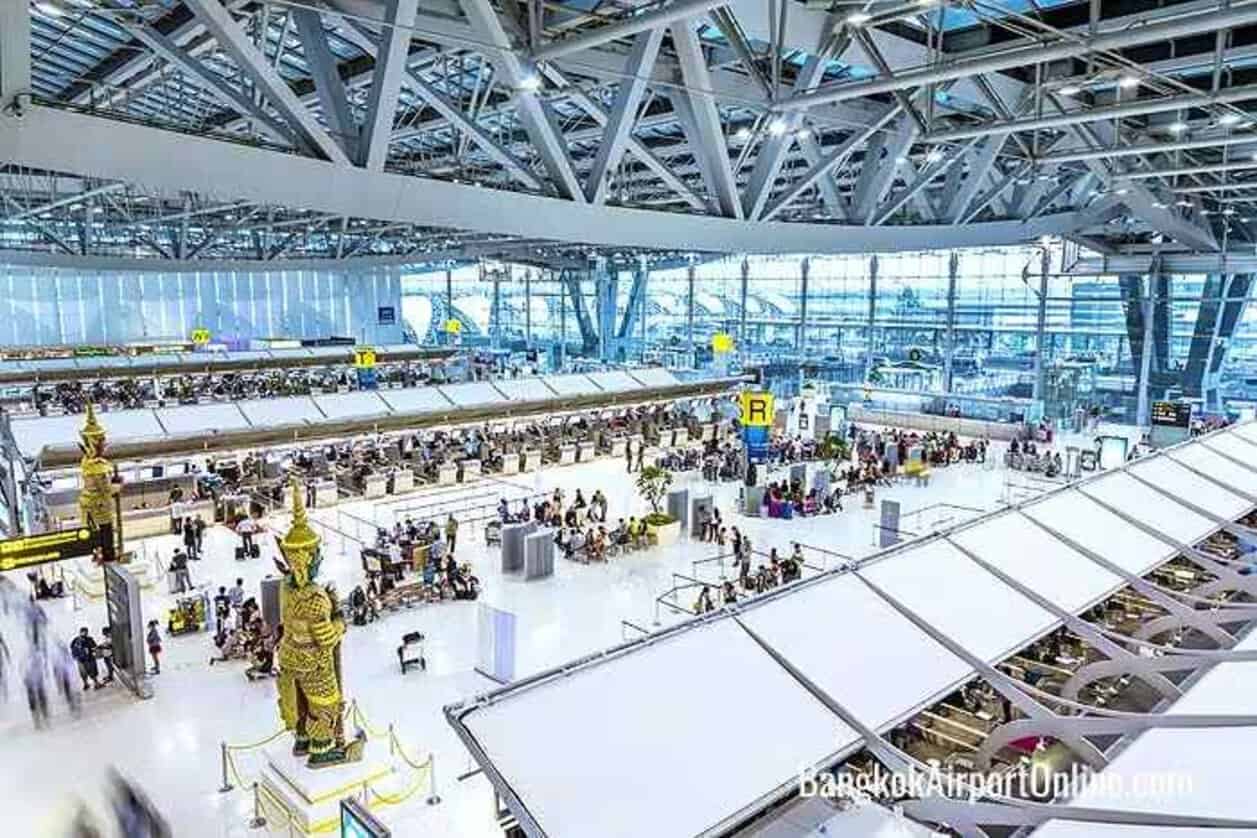
Select returning visitors can now skip the typical long immigration lines at Bangkok’s Suvarnabhumi Airport. This is made possible by Thailand’s recent expansion of its automated immigration processing. In September 2026, Thailand announced it began automatically processing the entry of eligible nationals from 33 countries who no longer need a visa to enter the country. Thailand hopes to automate other immigration processes to make the arrival of international visitors smoother and speedier. The processing time will also depend on how efficiently visitors complete their Thailand Digital Arrival Card and other immigration procedures. For visitor security, Thai immigration officers can still question and review visitor documents. Automated immigration processes will not be available for visitors from all countries.
Faster entry gives returning tourists a practical advantage
Thailand’s latest border change turns previous travel history into a practical benefit. Eligible repeat visitors can move towards an automated gate instead of joining a conventional immigration queue, subject to the system accepting their passport and biometric record.
The government announced in August 2026 that it wanted to expand Suvarnabhumi’s arrival auto-gate access from two foreign nationalities to 33. The plan followed a ministerial inspection focused on immigration bottlenecks before the high season, according to The Standard’s report on the government meeting.
Current airport instructions reported in September indicate that the live service is narrower than the headline number may suggest. Eligibility depends on nationality, visa status, passport technology and an earlier Thai entry record. Immigration officers can still direct any passenger to a staffed desk.
Advertisement
Advertisement
That makes the programme different from an unrestricted fast lane. It is an automated border-control channel for travellers whom the immigration system can identify and process using existing records.
What travellers currently need to understand
| Traveller factor | Current practical position |
|---|---|
| Eligible nationality | Passport must fall within the approved group |
| Previous visit | Current airport operating instructions reportedly require an earlier Thai entry |
| Entry basis | Reported live use is centred on visa-exempt arrivals |
| Passport | A compatible biometric e-passport is required |
| TDAC | Still mandatory for foreign arrivals unless officially exempt |
| Final decision | Thai immigration may refer any traveller to an officer |
The Immigration Bureau has not yet placed a complete, easily accessible arrival eligibility table on its English-language website. Travellers should therefore treat airport signs and immigration officers as the final authority rather than assuming that nationality alone guarantees access.
Advertisement
Advertisement
Suvarnabhumi arrival e-gates build on earlier automation
Thailand already had experience with automated passport control before this expansion. Foreign travellers holding compatible e-passports have been able to use automatic channels when leaving Thailand since December 2023, subject to immigration requirements.
The official Suvarnabhumi departure immigration division describes the Automated Border Control system as a service improvement. The new arrival programme extends that digital border model to a much wider group, although arrival controls remain more selective.
Advertisement
Advertisement
Suvarnabhumi is the logical starting point. It is Thailand’s main international gateway and connects Bangkok with resorts, cultural cities and regional destinations. Congestion at its immigration halls can affect domestic connections, airport transfers and late hotel check-ins.
The official airport guide shows that international passengers arriving through the SAT-1 satellite terminal must take the automated people mover to the main terminal before passing immigration, collecting baggage and clearing customs. That journey makes reliable immigration processing important for the entire arrival experience.
Why repeat visitors matter to Thailand
Returning tourists already understand local transport, accommodation areas and entry routines. They may also travel beyond Bangkok and the best-known beach resorts because they have completed the country’s classic itinerary before.
The e-gate arrangement does not constitute a published tourism loyalty programme. However, its reported previous-entry condition creates a loyalty-like result: travellers with a recorded history may receive a smoother arrival than first-time visitors.
Advertisement
Advertisement
This distinction is commercially relevant. Repeat customers matter to airlines, hotels and tour operators because they are easier to reach through established booking relationships. Faster border clearance adds another convenience for travellers considering another Thai holiday.
The benefit should not be overstated. An e-gate cannot shorten baggage delivery, guarantee a connection or remove the possibility of additional checks. It can reduce one source of uncertainty when the automated channel is open and the traveller qualifies.
Airlines and hotels gain from more predictable arrivals
For airlines, shorter immigration queues can help passengers reach domestic connections with less pressure. It may also reduce complaints from travellers who associate a difficult arrival with the airline that carried them, even when immigration lies outside airline control.
Hotels could benefit from more predictable arrival times. Guests who clear immigration quickly are less likely to reach reception hours after their aircraft lands, especially during evening arrival peaks.
Tour operators and transfer companies may also spend less time waiting outside the terminal. Yet operators should continue building realistic buffers into collection schedules because baggage, customs and road traffic remain variable.
Travel sellers now have a communication responsibility. They should explain that the e-gates are conditional and should never market them as guaranteed fast-track access.
Advertisement
Advertisement
TDAC remains compulsory despite automated processing
The most important point for passengers is that an e-gate does not replace Thailand’s digital arrival form. The official Thailand Digital Arrival Card FAQ says foreign nationals entering by air, land or sea must submit a TDAC, with limited exemptions such as travellers remaining in international transit without passing immigration.
The official service does not charge a submission fee. Travellers should avoid imitation websites that request payment or collect unnecessary personal information.
The TDAC is compatible with visa-exempt entry, visa on arrival and other visa types. That does not mean every visa holder can use the new arrival gates. The arrival card and the immigration channel are separate parts of the border process.
Travellers without a smartphone or internet connection can seek airport assistance. The Immigration Bureau says kiosks and Wi-Fi are available on arrival, although completing the form correctly before departure is safer.
The 33-nationality headline does not tell the whole story
The announced expansion could allow a substantial share of passengers to bypass staffed counters. Yet the number 33 should not be read as an automatic entitlement for every passport holder from those places.
Visa category matters. Current operational reporting indicates that holders of Destination Thailand Visas, education visas, Non-B work visas and other Thai visas should continue towards an immigration officer unless directed otherwise.
Advertisement
Advertisement
Age, passport compatibility, biometric matching and immigration history may also affect processing. A gate can reject a traveller without suggesting that the person has broken any rule. Technical failure or incomplete records can trigger a manual check.
First-time visitors should plan for staffed immigration. They should carry their accommodation details, onward or return travel information and other documents required for their entry category.
Wider airport improvements support the visitor economy
The auto-gate expansion sits within a broader effort to improve the passenger journey at Suvarnabhumi. The government’s August discussions covered immigration capacity, the use of the satellite terminal and longer-term terminal development.
These improvements matter across the visitor economy. Bangkok hotels depend on reliable international access, while domestic airlines move arriving passengers towards Chiang Mai, Phuket, Krabi, Samui and other destinations.
Local drivers, guides, restaurants and attractions also depend on the airport functioning efficiently. Time saved at the border can give visitors a calmer start, although no official evidence yet shows that the gates have increased spending, arrivals or hotel demand.
Future expansion must follow published government plans
Thailand’s stated direction is towards wider automation and reduced congestion. The government announced gradual implementation because equipment, biometric registration and security safeguards must support the expansion.
Advertisement
Advertisement
No equivalent 33-nationality arrival programme has been officially confirmed on the public passenger pages for Don Mueang, Phuket or Chiang Mai airports. Travellers entering elsewhere should follow local signs and use staffed counters unless immigration officials direct them to an automated channel.
The next useful official step would be a public eligibility table covering nationalities, minimum age, passport requirements, visa categories and participating airports. Until then, travellers should regard automated arrival as a possible convenience rather than a promised service.
Frequently asked questions
Can every traveller from one of the 33 nationalities use the e-gates?
No. Nationality is only one condition. Current operating information also points to visa-exempt status, a biometric passport and a previous Thai entry. Immigration can send any traveller to a staffed counter.
Must an eligible passenger still complete the TDAC?
Yes. Foreign visitors must complete the official TDAC unless they fall within an exemption. The form is free. An e-gate does not replace it.
What should a traveller do if the automated gate rejects the passport?
Follow the airport signs and speak to an immigration officer. A rejection may result from passport compatibility, biometric matching, eligibility or a technical issue. It does not automatically mean entry has been refused.
Faster borders can strengthen the first impression
As of April, Thailand’s largest airport began using automated immigration gates to process repeat visitors, speeding up arrival processes for some travelers. In addition to being more convenient for travelers, the program has the potential to ease wait times and improve overall processes for airlines, hotels and other travel industry stakeholders. Because there are restrictions, the program is not as effective as it could be. Immigration makes the final ruling on admissibility. For now, the best that can be said is eligible travelers will be able to process their immigration documentation faster. Travelers cannot depend on Thailand’s e-gates to process their documents, especially if they have a connecting flight. The Thai government should improve the system to better process eligible travelers and to provide more information on who is eligible for the program.
Advertisement
