
Türkiye and Australia Confront COP31 Tourism Challenge as Coal Dependence Tests Antalya’s Climate Ambitions

Updated
Published
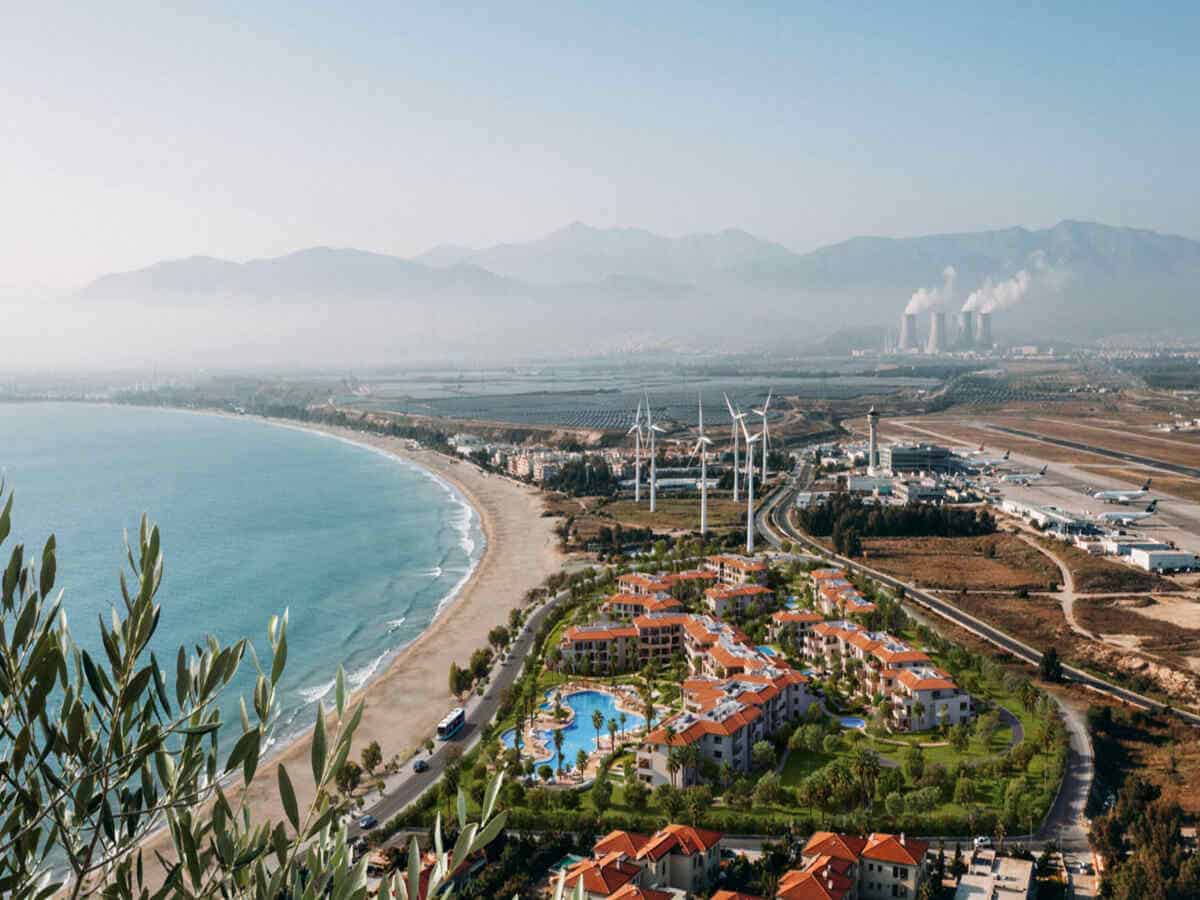
Image generated with Ai
Türkiye and Australia find themselves increasingly under pressure prior to COP31 due to the fact that the climate leadership of these two nations is coupled with concerns regarding coal, tourism and greener tourism. The COP31 climate change and tourism issue involving Turkey and Australia is becoming an increasing concern as the Turkish city of Antalya is set to host the conference in November 2026. Turkey will assume the position of host nation, while Australia will be the one conducting the negotiation process.
Australia and Türkiye are heading towards a major climate and tourism test as COP31 draws closer. The United Nations climate summit will take place in Antalya from 9 to 20 November 2026, placing one of Türkiye’s biggest holiday regions at the centre of global climate talks. Türkiye will host the conference and hold the presidency, while Australia will lead the formal negotiations. Yet campaigners are questioning that leadership because both countries remain connected to coal. The debate matters for travel too. Antalya depends heavily on beaches, hotels, flights and natural beauty, while Australia also markets climate-sensitive landscapes to millions of visitors.
Advertisement
Advertisement
COP31 Will Put Antalya’s Huge Tourism Economy Before the World
Antalya is far more than a meeting venue. It is one of the Mediterranean’s biggest tourism centres.
Official Turkish tourism figures show the province welcomed 16,308,937 foreign visitors between January and October 2025. Russia supplied almost 3.89 million travellers. Germany sent more than 3.34 million. The UK followed with about 1.48 million.
Advertisement
Advertisement
Now thousands of climate delegates will arrive during Antalya’s quieter autumn season.
COP31 will take place at the Antalya EXPO Center. Organisers recommend accommodation around the venue, Antalya city centre, Belek and the coastal resort zone. Hotels in Lara and Kundu have also received dedicated allocations for media visitors.
Advertisement
Advertisement
That turns COP31 into a major business-events and tourism story.
Key COP31, Coal and Tourism Details
| Metric / Parameter | Confirmed Detail / Value | Strategic Impact / Notes |
|---|---|---|
| COP31 Location & Dates | Antalya, Türkiye | 9–20 Nov 2026 | Antalya EXPO Center with dedicated Lara/Kundu media hubs. |
| Leadership Division | Türkiye (Host) / Australia (Negotiations) | Dual governance model tests diplomatic coordination. |
| Pacific Pre-COP Summit | 5–8 Oct 2026 (Fiji & Tuvalu) | Integrates Small Island Developing States (SIDS) priorities. |
| Tourism Ingestion Rate | 16.3M Foreign Visitors (Jan–Oct 2025) | Top markets: Russia (3.89M), Germany (3.34M), UK (1.48M). |
| Bilateral Coal Trade | A$785.9 Million (2024 dataset) | Australia’s primary goods export commodity to Türkiye. |
| Turkish Energy Mix (Coal) | 33.6% Generation (2025) / 17.4% Capacity | Generates significant baseline grid power despite renewable growth. |
| Antalya Airport Capacity | 82 Million Passengers / Year | Expanded terminal processed 3.13M passengers in Q1 2026 (+5% YoY). |
Coal Trade Creates an Awkward Backdrop Before Antalya
The criticism surrounding COP31 became more visible on 5 October 2026, just as the Pacific Pre-COP meeting began.
Advertisement
Advertisement
Campaigners quoted by the Guardian argue that the countries leading COP31 should give greater attention to moving away from coal, oil and gas. Their criticism centres partly on the continuing coal relationship between Australia and Türkiye.
Official Australian trade data confirms the commercial connection.
Australia exported A$785.9 million worth of coal to Türkiye in 2024. Coal was Australia’s largest goods export to the Turkish market in that dataset.
Türkiye also remains a major coal user. Its Ministry of Energy says coal generated 33.6% of Turkish electricity during 2025. By August 2026, coal represented 17.4% of installed electricity capacity.
Advertisement
Advertisement
However, Türkiye is also adding renewable power. Solar already represented 22% of installed capacity and wind 12.2% by August.
The picture is therefore more complex than a simple fossil-fuel-versus-green-energy argument.
Tourism Is Now Written Directly Into the COP31 Agenda
The travel connection becomes even clearer when the official COP31 programme is examined.
18 November has been designated Human and Social Development Day. Tourism and Cultural Heritage are specifically listed among its themes. Employment, livelihoods, traditional knowledge and just transition will also feature.
One day earlier, discussions will focus on oceans, marine ecosystems, coastal resilience and the blue economy.
Those subjects matter greatly to Mediterranean destinations.
Advertisement
Advertisement
Beaches, clean seas, reliable water supplies and comfortable temperatures help drive Antalya’s visitor economy. Hotels also need huge amounts of electricity, cooling, transport and water.
COP31 can therefore become a platform for asking a difficult question: how can major destinations keep tourism growing while lowering the environmental cost of that growth?
Antalya Is Already Building a Greener Hotel Story
Türkiye does have a sizeable sustainable-tourism programme to show delegates.
The country developed its Environmental and Cultural Sustainability Programme with the Global Sustainable Tourism Council framework. More than 2,000 Turkish accommodation businesses had achieved GSTC certification by 2025. The programme is intended to cover roughly 22,000 accommodation establishments as certification requirements expand towards 2030.
Antalya has become one of the programme’s strongest regions. More than half its room and bed capacity had reached the programme’s Stage 3 certification level, according to GoTürkiye reporting.
COP31 itself is also promising greener operations.
Advertisement
Advertisement
Organisers say they plan to measure conference emissions, improve energy efficiency, consider renewable energy, cut single-use plastics, reduce food waste and increase water efficiency.
Delegates are being encouraged to use conference shuttles, public transport and shared mobility.
Antalya Airport Shows the Scale of the Travel Challenge
COP31 visitors will arrive through an airport built for enormous tourism volumes.
Antalya Airport’s annual passenger capacity increased from 35 million to 82 million following its terminal expansion. The airport handled more than 3.13 million passengers in the first quarter of 2026 alone, up 5% year on year.
That infrastructure gives Antalya the ability to host major global events.
But aviation also places tourism inside the climate debate.
Advertisement
Advertisement
A destination cannot discuss sustainable travel only inside hotels. Flights, airport transfers, food supply, waste, construction and local transport all form part of tourism’s environmental footprint.
COP31 could therefore push the tourism industry towards a broader definition of sustainability.
Australia Faces Its Own Tourism and Climate Balancing Act
Australia enters the same debate from another direction.
Its visitor economy generated A$192.4 billion in spending in 2025. International visitor spending reached a record A$39.2 billion.
The Australian Government also wants sustainability to become a core part of tourism growth.
Its National Sustainability Framework for the Visitor Economy includes environmental and climate action as one of four main pillars. The THRIVE 2030 strategy aims to build a stronger visitor economy while making the industry more sustainable and resilient.
Advertisement
Advertisement
That creates the same central tension seen in Türkiye.
Both countries want expanding tourism. Both promote sustainability. Both also remain connected to fossil fuels.
Pacific Pre-COP Makes the Tourism Question Even More Urgent
The pressure begins before Antalya.
Today, 5 October 2026, Fiji, Tuvalu and Australia are beginning the official Pacific Pre-COP programme. Meetings continue until 8 October. They aim to bring Pacific climate concerns directly into the COP31 process.
For island destinations, the connection between climate and tourism is immediate. Rising seas, damaged reefs, stronger storms and coastal erosion can affect communities and visitor economies at the same time.
Turkiye and Australia face increasing pressure prior to COP31, where the role of climate champions comes together with the issue of coal, tourism, and green traveling in the future. The Turkiye and Australia COP31 tourism controversy becomes increasingly popular in anticipation of hosting of the conference by Antalya in November 2026. Turkiye is going to take charge as a host, while Australia will be responsible for the negotiations. There is more than just politics in that. Both Antalya’s hospitality infrastructure and aviation system require stable climate conditions, but at the same time both nations struggle to develop sustainable tourism despite the fossil fuel-related issues.
Advertisement
