
Mexico City Joins with Toluca and More Reveal Mexico’s Most Flavourful Day of the Dead Escapes

Published
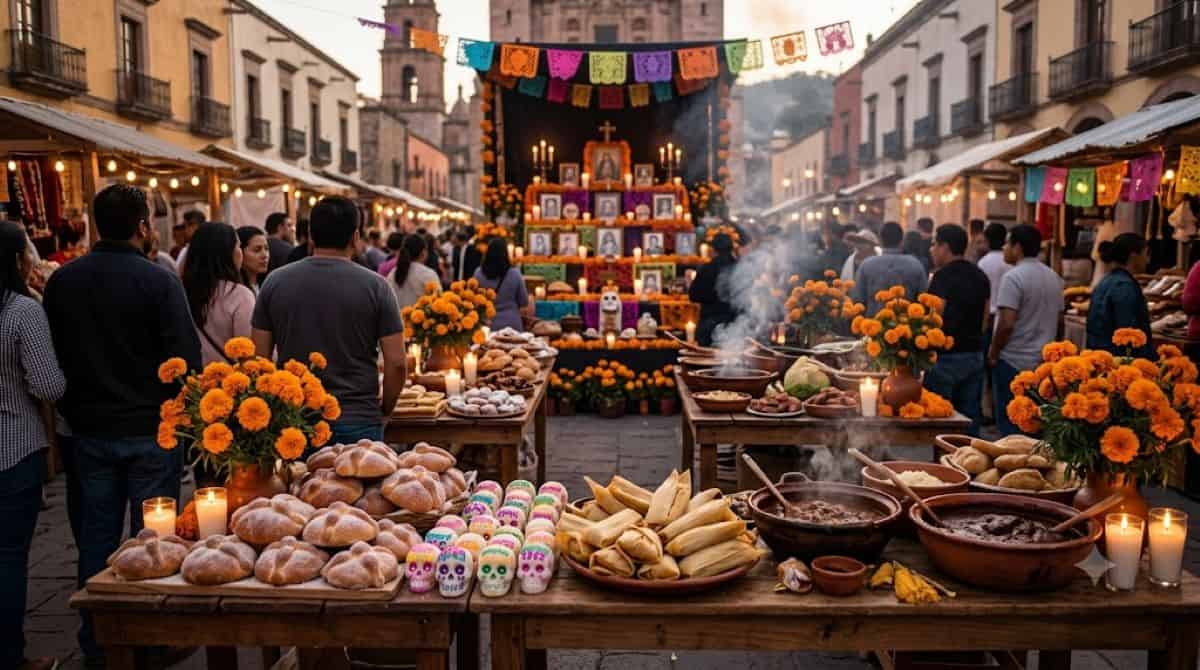
Mexico becomes one of the world’s most exciting food destinations from late October to early November. But this is not simply a Halloween season. It is the time of Día de Muertos, or Day of the Dead. Families remember loved ones with flowers, candles, music, stories and carefully prepared food. For travellers, it opens a powerful path into Mexico’s living culture.
Across the country, seasonal markets fill with sweet breads, sugar skulls, tamales, warm drinks, pumpkin dishes, rich moles and family recipes. Every region brings its own taste, history and ritual. From Mexico City to Yucatán, food is not just served. It is placed on family altars, shared with guests and used to honour people who are no longer alive.
Mexico’s Food Season Has a Deeper Meaning
Día de Muertos mainly takes place on 1 and 2 November. Many events begin earlier in October. Families build colourful altars, known as ofrendas, for relatives who have died. These altars may hold photographs, candles, marigold flowers, favourite drinks and beloved foods.
This is what makes Mexico’s food season so special. A dish can carry a memory. A bread can show love. A sweet can become part of a family story. The food is prepared for both the living and the dead.
Visitors should enjoy the celebrations with care. Cemeteries, home altars and community rituals are meaningful places. They are not Halloween sets. Travellers should ask before taking photographs and respect quiet moments of prayer or remembrance.
Advertisement
Advertisement
Mexico City Leads With Bread, Markets and Big Celebrations
Mexico City gives food lovers a lively and easy way to experience the season. The city has large public events, markets, museums and traditional neighbourhoods. One of the biggest food highlights is the Festival del Pan de Muerto.
Pan de muerto is a soft, round seasonal bread. It is often flavoured with orange blossom and covered in sugar. Some versions have strips of dough shaped like bones. It is usually enjoyed with hot chocolate or coffee.
At the festival, visitors can taste classic breads and modern creations. Some bakers use the flavour in desserts, ice cream, pizzas and other dishes. This makes the capital a strong place for travellers who want traditional food with a modern twist.
Mexico City also offers deeper local flavours in places such as Mixquic. This community is known for its candlelit cemetery rituals and family altars. Seasonal foods can include mixmole, romeritos and calabaza en tacha. The last dish is made with pumpkin and dark cane sugar. It is warm, sweet and deeply linked to the season.
Toluca Brings Sugar Skulls and Artisan Sweets
Toluca is one of Mexico’s best stops for travellers who love sweets. Its Feria y Festival Cultural del Alfeñique turns the city centre into a colourful world of sugar art, traditional crafts and Day of the Dead culture.
Alfeñique is a sweet paste made from sugar. Skilled artisans shape it into skulls, small coffins, animals and bright decorative figures. These sweets are often placed on altars or given as gifts.
The festival gives visitors a close look at a craft that has been passed down through generations. Stalls display handmade sugar skulls, pumpkin-seed sweets and colourful creations for family altars. The experience is both festive and personal. It shows that Mexican sweets can be a form of art as well as food.
Advertisement
Advertisement
Michoacán Offers a Hands-On Food Experience
Michoacán is one of the country’s most meaningful Day of the Dead destinations. Its Noche de Muertos celebrations spread across towns and Purépecha communities. Here, visitors can move beyond tasting food and learn how it is made.
Cooking workshops and traditional bread sessions give travellers a better view of local life. Participants can see how recipes, ingredients and cooking methods are connected to memory. Food is part of the ceremony, but it is also part of everyday family life.
This is a destination for people who want more than a big parade. The region’s candlelit cemeteries, artisan markets and community traditions create a deeply moving setting. Travellers should plan ahead, book official activities and follow local rules during village celebrations.
Yucatán Serves Food for the Souls
Yucatán offers one of the most distinctive food traditions of the season. Its Maya celebration is called Janal Pixan, which means “food of the souls”. The name explains why this is essential for food travellers.
The most famous dish is mucbipollo, also called pib. It is a large tamal made with maize dough. It may be filled with chicken or pork, tomato and spices. It is wrapped in banana leaves and traditionally cooked underground. The slow cooking gives the dish a smoky, earthy taste.
Families may also place atole, sweet papaya, coconut, fruit, small tamales and other local dishes on their altars. After the ritual, the family shares the food. This makes Janal Pixan one of Mexico’s most personal and delicious seasonal experiences.
Advertisement
Advertisement
Oaxaca, Hidalgo and Nayarit Add More Flavour
Oaxaca is famous for its rich food culture throughout the year, but Day of the Dead gives it another layer. Visitors can taste pan de yema, mole negro, tamales, chocolate and mezcal. Flower markets, altars and neighbourhood gatherings add colour to every meal.
In Huejutla de Reyes in Hidalgo, the Xantolo celebration brings together Huasteca food, music, dance, altars and community rituals. It is a strong choice for travellers seeking regional traditions away from the biggest city crowds.
On the Pacific coast, Bahía de Banderas offers a Day of the Dead festival across Sayulita, Bucerías, San Pancho and nearby communities. Food, parades, music, altars and family activity create a warm coastal celebration.
A Journey That Goes Beyond Halloween
Mexico’s Day of the Dead food festivals are powerful because the flavours carry meaning. A sugar skull celebrates craft. A loaf of pan de muerto brings people together. A tamal cooked underground can hold generations of family knowledge.
For travellers, this is a chance to eat well and understand more. Support local bakers, cooks and artisans. Try regional dishes. Listen to the stories behind them. Mexico’s late-autumn food season is not only about what is on the plate. It is about memory, family and the lasting joy of celebrating life.
Advertisement
