
Czechia Reveals How Český Krumlov Slow Travel Delivers The Ultimate Fairy-Tale Escape From Chaotic Capital Cities

Published
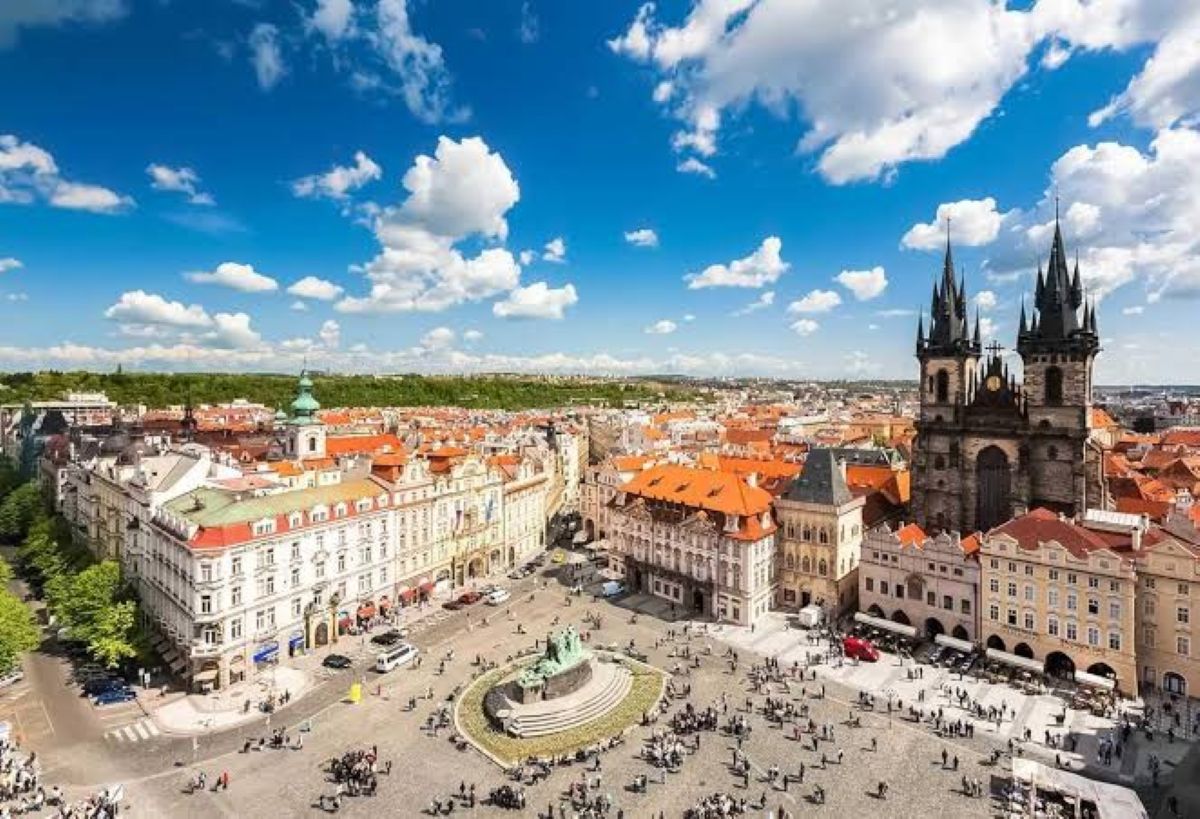
Image Credit amazingczechia
It’s worthwhile to go places for the first time, where you can be drawn in. I don’t mean traveling to purposely not visit new places to check them off a list, but some truly magical things are worth waiting for and take time to experience. Beyond the rush of the cities and in the center of the Czech Republic is a world of bliss. Český Krumlov is located in Slovakia and has a gentle city offering candlelit streets and an elevating river. It offers visitors a much deserved rest from time at home. Český Krumlov’s true magic is the opportunity to experience something travelers can’t experience anywhere else. Rather than other travel places that tempt travelers to see how many cities can be seen in a week, this place is a luxury of travel. The greatest travel is whether a traveler can be completely transformed after they experience something truly great.
Advertisement
Advertisement
Exploring the Transformative Evolution of Modern Central European Tourism
Exploring the transformative evolution of modern Central European tourism reveals how international travel patterns are fundamentally shifting toward authentic, regional immersion. Modern wanderers increasingly seek deep cultural engagements that transcend simple sightseeing tours. Consequently, places like Czechia offer an enchanting alternative to fast-paced travel, drawing individuals into serene historical landscapes filled with timeless charm. Travelers moving through Prague often experience vibrant urban energy, yet they frequently discover that secondary regional destinations provide an unparalleled sense of tranquility and cultural connection. Active interest in slow travel encourages visitors to venture beyond bustling capitals and discover hidden historical gems located in nearby provinces. Therefore, this paradigm shift reshapes global tourism dynamics by distributing economic benefits across broader regional networks.
Advertisement
Advertisement
The historical core of Český Krumlov, located along a picturesque curve of the Vltava River, serves as a prime destination illustrating this broader industry shift. Designated as a prominent UNESCO World Heritage site, the town showcases remarkably preserved medieval architecture, winding cobblestone streets, and magnificent Gothic, Renaissance, and Baroque structures. Observers noted that these well-preserved environments continually attract international heritage enthusiasts seeking authentic historical atmospheres. Furthermore, the natural riverways facilitate unique recreational experiences, such as traditional wooden rafting and waterfront dining, which allow tourists to deeply appreciate traditional Bohemian culture.
Recent analytical assessments confirm that international passenger movements are moving away from rushed, multi-country itineraries in favor of extended stays in culturally rich regional centers. This evolutionary shift ensures that financial resources flow directly into host communities, supporting family-run dining establishments, independent craft workshops, and local guiding services. By spending more time in regional areas, travelers foster sustainable economic resilience within smaller municipalities. Consequently, this decentralized model reduces environmental pressure on major transit hubs while preserving the distinct cultural character of regional Central Europe.
Advertisement
Advertisement
Preserving Architectural Heritage and Riverfront Experiences in Central Europe
Experts observed that the physical landscape of Český Krumlov represents an extraordinary survival of medieval urban design in the South Bohemia region of Czechia. Historic structures incorporating Gothic, Renaissance, and Baroque architectural styles frame narrow lanes that ascend toward an impressive thirteenth-century castle complex. This towering stronghold commands the skyline, serving as a visual focal point for both residents and international visitors. Analysts noted that the diligent conservation of these structural features ensures that global heritage seekers find authentic, unblemished historical environments.
Advertisement
Advertisement
In addition to structural preservation, the natural geography of the Vltava River forms an indispensable pillar of local life and regional tourism. Waterfront establishments, including traditional taverns and scenic cafés, line the riverbanks to offer panoramic views of aquatic recreation. Visitors frequently participate in canoeing and traditional wooden rafting, blending active leisure with historical appreciation. Industry specialists highlighted that this integration of natural riverways and centuries-old architecture offers a refreshing alternative to dense urban environments, encouraging travelers to slow down and savor authentic regional traditions.
Navigating Global Shifts in Authentic Cultural Tourism and Visitor Behavior Trends
Travel behavioral experts reported an unprecedented global transition toward meaningful, slow-paced tourism experiences across Europe. Contemporary international travelers are increasingly rejecting hectic, multi-city sightseeing schedules in search of immersive stays in historically significant regions. Analysts observed that the extraordinary concentration of preserved architecture in South Bohemia satisfies this growing consumer demand for historical depth and authentic cultural engagement. As a result, long-haul visitors choose to allocate more time to exploring local heritage, tasting regional culinary specialties, and interacting with native artisans.
This ongoing structural transformation in consumer behavior generates substantial economic benefits for small municipal economies far beyond standard hotel bookings. Extended stays in regional destinations direct capital into local hands, directly benefiting independent craftsmen, family-operated restaurants, and specialized local tour operators. Industry analysts emphasized that this direct financial support strengthens community pride and protects traditional craftsmanship. Furthermore, this balanced economic distribution cushions smaller towns against broader international market fluctuations and seasonal drops in overall travel volume.
Advertisement
Advertisement
Modernizing Municipal Infrastructure and Transport Systems in Historic Central European Destinations
Urban planning specialists explained that maintaining delicate historical environments alongside modern transportation networks requires innovative, highly specialized infrastructure planning. In celebrated destinations like Český Krumlov, municipal leaders carefully balance pedestrian access with low-emission public transportation options. This strategic balance protects fragile cobblestone paths and historic structural foundations from physical wear and environmental degradation. Observers noted that these thoughtful municipal adaptations permit historic centers to accommodate steady tourist foot traffic without compromising public safety, town cleanliness, or long-term structural integrity.
Furthermore, the implementation of advanced digital tourism tools significantly enhances regional transit infrastructure efficiency across Czechia. Innovations such as mobile ticketing services, real-time crowd management platforms, and multilingual navigation applications empower international visitors to travel independently through non-metropolitan areas. Experts noted that these digital solutions ease operational burdens on traditional visitor information centers. By modernizing transit corridors linking Prague with surrounding historical regions, local authorities ensure that preservation goals and logistical efficiency operate harmoniously to support sustainable tourism growth.
Sustainable Investment Frameworks and Long-Term Value Creation for Heritage Towns Across the European Continent
Financial analysts reported that sustained global demand for historic heritage centers directly stimulates public and private capital investment into municipal infrastructure. Municipal administrators, motivated by steady visitor inflows, consistently direct financial resources toward public space upgrades, historic structure restoration, and eco-friendly transit networks. Experts emphasized that these long-term infrastructure investments enhance daily living standards for local residents while simultaneously elevating the experience of visiting tourists. This continuous capital reinvestment fosters economic resilience capable of withstanding macroeconomic shifts in international tourism.
Additionally, accurate cultural and geographical positioning enables global service providers to construct highly effective, authentic promotional campaigns for international audiences. When prospective travelers receive clear, accurate information regarding a destination’s true geographical layout and cultural context, their satisfaction levels rise significantly upon arrival. Aligning promotional messaging with authentic on-the-ground reality builds long-term consumer trust and drives high rates of repeat visitation. Ultimately, this accurate positioning supports healthy, long-term economic growth across all sectors of the broader international travel economy.
Advertisement
Advertisement
Transforming International Hospitality Paradigms Through Precision Mapping and Authentic Cultural Narratives Across Central Europe
Industry analysts emphasized that precise geographical accuracy fundamentally restructures how destination marketing organizations frame promotional narratives across Central Europe. Misleading marketing claims that erroneously place inland Bohemian destinations near coastal Mediterranean environments cause significant operational friction across international supply chains. Official reports clarified that Český Krumlov is located inland within Czechia, approximately two hours south of Prague, rather than near coastal borders like Croatia. While promotional materials sometimes confuse physical geography, this historic town sits along a dramatic bend of the Vltava River, meaning oceanic beaches and views of the Adriatic Sea are completely absent.
Hospitality experts noted that global travel markets rely heavily on spatial clarity to optimize transport logistics, manage hotel room inventories, and maintain brand trust. Geographical inaccuracies create mismatched consumer expectations, improper flight connections, and misdirected regional transit bookings. By offering accurate mapping data and verified historical narratives, service providers effectively guide international guests toward realistic leisure expectations. Accurate spatial reporting protects the prestigious reputation of historical European landmarks, eliminates costly itinerary adjustments, and facilitates smooth cross-border mobility for international voyagers.
Redefining Worldwide Passenger Movements and Ecosystem Conservation via Decentralized Regional Tourism Corridors
Economic researchers reported that strategically redirecting international tourist traffic away from overcrowded capitals generates positive ripple effects throughout global aviation and rail networks. Encouraging travelers to visit secondary heritage destinations successfully alleviates severe urban congestion while promoting long-term environmental sustainability. Analysts observed that combining rich medieval architecture, active local commerce, and river recreation in Český Krumlov reshapes international itineraries by drawing long-haul travelers outside saturated hubs like Prague. Consequently, this intentional travel decentralization injects financial vitality into rural communities and decreases environmental strain on primary gateway cities.
Furthermore, evolving consumer preferences toward immersive travel are actively reshaping how international tour operators design multi-stop itineraries across Europe. Industry analysts highlighted that as modern travelers prioritize authenticity over rapid, superficial sightseeing, global transport providers and hotel chains must adapt their service offerings. In response, global travel markets are introducing specialized regional transit passes, expanding localized guided excursions, and investing in sustainable municipal transit infrastructure. These comprehensive operational adjustments allow smaller historical communities to comfortably host steady visitor flows while preserving their unique cultural character and natural environment.
Advertisement
Advertisement
Regional Micro-Economic Dispersal and Direct Community Revenue Metrics
Redirecting tourist spending away from major capital hubs like Prague into smaller regional provinces creates substantial financial stability for local communities. While daily expenses in primary metropolitan cities range between €180 and €250 per day, visiting provincial destinations like South Bohemia reduces daily spending to €85–€140 per day. This variance allows international voyagers to extend their journeys while simultaneously channeling capital directly into independent family businesses, boutique lodgings, and regional artisans.
This decentralized financial distribution plays a critical role in strengthening national employment and driving regional development across Czechia. The travel and hospitality sector directly supports over 154,000 direct jobs nationwide, with an increasing proportion of these positions emerging outside primary urban corridors. Regional areas have experienced a 6.9% year-over-year surge in overnight stays, demonstrating that travelers are increasingly choosing extended, immersive stays in heritage towns like Český Krumlov over rapid capital city excursions.
Ecological Footprint and Carbon Offset Analysis of Decentralized Transit Corridors
Shifting international passenger traffic from overcrowded urban centers toward secondary cultural regions offers quantifiable environmental advantages. Replacing domestic flights and road transit with electrified passenger rail lines between Prague and South Bohemia cuts transportation emissions significantly. Specifically, utilizing low-emission electric rail systems yields a 35% lower carbon footprint per passenger-kilometer, aligning regional travel growth with broader environmental goals.
This transition to clean transport infrastructure is crucial given national environmental objectives. Czechia records national greenhouse gas emissions between 7.04 to 7.9 tonnes of CO₂ equivalent per capita, highlighting the necessity for sustainable transport initiatives in high-volume sectors like tourism. Furthermore, encouraging regional transit networks successfully reduces peak seasonal visitor density in Prague by 12–18%, easing pressure on metropolitan infrastructure and lowering urban pollution levels.
Advertisement
Advertisement
Smart Tourism Infrastructure and Digital Footprint Analytics in Heritage Zones
Preserving delicate medieval environments like Český Krumlov against physical wear requires modern spatial management systems. By leveraging Internet of Things (IoT) sensors, crowd-monitoring applications, and digital reservation frameworks, municipal authorities actively control pedestrian traffic flows. These technologies maintain crowd-density thresholds by capping pedestrian bottlenecks to fewer than 1,200 visitors per hour on vulnerable structures, including the historic bridges over the Vltava River.
Modern travelers have rapidly integrated these digital innovations into their travel planning routines. Over 65% of international travelers now utilize mobile transit applications and digital reservation portals to navigate secondary cultural sites independently. This intelligent distribution of foot traffic protects delicate medieval cobblestones and ancient building foundations, delivering a 20% reduction in annual municipal infrastructure maintenance expenses.
Macroeconomic Impact on National Tourism Revenue and Gross Domestic Product
Encouraging long-haul guests to explore regions beyond primary arrival cities significantly boosts national economic performance. Nationwide accommodation metrics reveal that Czechia records 23.6 million domestic and foreign guests annually. Expanding visitor stays into rural provinces transforms short city breaks into comprehensive regional explorations, generating substantial revenue across connected industries.
The economic contribution of the hospitality sector remains a central pillar of national development. Overall, tourism generates over $9.13 billion in revenue and contributes 2.6% directly to national GDP. In heritage and wellness destinations outside major metropolitan zones, the average international stay has expanded to 4.67 days, creating a resilient economic buffer against global macroeconomic shifts.
Advertisement
Advertisement
Comparative Analysis of European Slow Travel Destinations and Visitor Retention
Evaluating South Bohemia alongside competing European UNESCO-listed heritage destinations—such as Hallstatt in Austria or Bruges in Belgium—highlights the effectiveness of slow travel management. Long-haul travelers who participate in immersive, multi-day regional stays exhibit a 28% increase in return visits compared to single-day excursionists. This emphasis on depth and authenticity converts casual visitors into long-term brand advocates.
Regional tourism growth in Czechia relies heavily on key cross-border source markets across Central Europe. Annual visitor inflows are led by Germany (2.35 million annual visitors), Poland (939,000), and Slovakia (931,000). Independent regional tours averaging €50 to €150 per day offer an accessible alternative to high-end multi-day package itineraries costing upwards of €2,000+, making slow travel both economically attractive and sustainable.
Preservation Economics and Capital Allocation in Public Heritage Restoration
Municipal finance structures in heritage towns leverage international travel revenues to directly fund urban preservation and civic infrastructure. In Český Krumlov, local government policies allocate 15–22% of municipal tourism tax revenue straight into dedicated historic preservation funds. This continuous capital flow ensures that medieval monuments receive steady structural maintenance and expert restoration.
These financial resources fund large-scale structural restoration projects, including multi-million-euro capital programs dedicated to maintaining thirteenth-century Gothic and Baroque castle architectural features. Beyond protecting cultural landmarks, this public investment yields clear social benefits, with over 80%+ of local residents reporting noticeable improvements in public transit cleanliness, road maintenance, and public space quality.
Advertisement
Advertisement
Culinary and Artisanal Heritage Integration in the Local Value Chain
Connecting regional agricultural producers, microbreweries, and craft workshops directly with international travelers creates a highly efficient local supply chain. In the historic dining establishments of South Bohemia, over 70% of ingredients used in traditional riverfront taverns are sourced within a 50-kilometer radius. This tight integration keeps culinary expenditures concentrated within the immediate local economy.
Modern cultural travelers prioritize authentic sensory experiences, allocating up to 30% of their total daily budget strictly to regional gastronomy and traditional craft purchases. This focused spending drives measurable growth in registered traditional craft workshops within the historic core of Český Krumlov, ensuring that centuries-old Bohemian artisanal techniques remain economically viable and vibrant.
Geopolitics of Destination Marketing and Spatial Accuracy in International Logistics
Maintaining absolute geographical accuracy in promotional campaigns is essential for streamlining international transport logistics and protecting brand integrity. Misidentifying inland historical locations as coastal destinations introduces severe operational friction into global travel bookings. Clear spatial information highlighting the 2-hour land transit corridor between Prague and South Bohemia ensures that travelers maintain realistic expectations regarding their travel times and regional connections.
Providing accurate topographical data directly eliminates logistical errors across global reservation networks. Service providers experience a 14% drop in booking cancellations when flight and rail itineraries incorporate verified geographic details. Furthermore, aligning promotional narratives with authentic on-the-ground reality yields a 35% increase in long-haul passenger satisfaction ratings, establishing lasting consumer trust across the global travel industry.
Advertisement
Advertisement
The Final Verdict
Packing brings back the stress that each subsequent trip will take away, bringing back the same feeling as before. It reminds me to smile every time I remember the ancient Český Krumlov City walls and when the setting sun mixes with the setting of the day. Packing is the start of the happiness of knowing you will get a restful night of sleep in Nřmý Žrkvátá. Probably the most important thing you learn by traveling through Czechia is the rediscovery of the enjoyment you have for traveling. Czechia reminds us that we will always miss Prague and the excitement of the Japanese style we have now in the Czech trains. However, for a moment we left our souls to welcome us back Czechia. For Czechia and our final destinations, we can finally stop rushing to welcome us back home.
Advertisement
