
Latvia Makes a Spot Among Travelers as Riga and a Few Others Celebrate Dining Heritage

Published
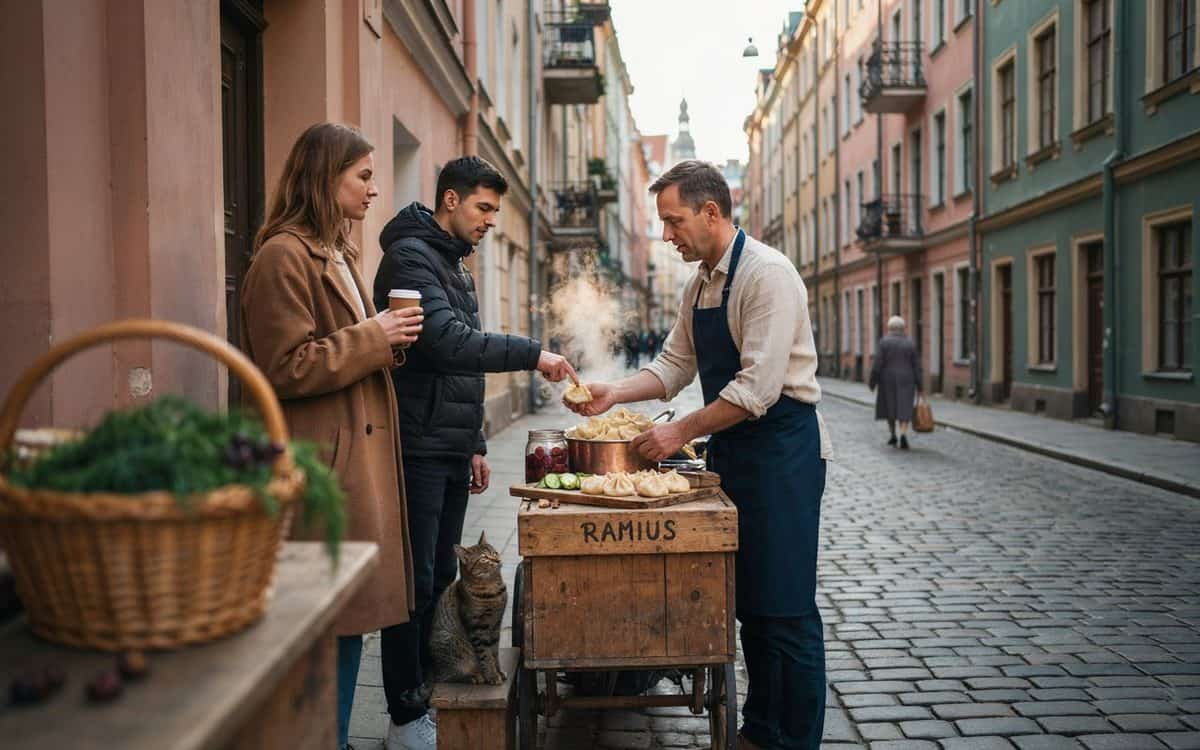
Image generated with Ai
Latvia gains global attention as Riga, Jūrmala, and other destinations celebrate authentic culinary heritage and local flavors through a powerful food tourism transformation attracting travellers in 2026. The Baltic nation is moving beyond traditional sightseeing by turning regional cuisine into a major travel attraction. From Riga’s modern restaurants and historic markets to Kuldīga’s local experiences and Liepāja’s coastal flavours, Latvia is creating memorable culinary journeys. Growing demand for authentic dining, sustainable ingredients and cultural connections is helping smaller towns gain international recognition. The country’s food identity is becoming a key reason why visitors explore Latvia beyond its famous landmarks.
Latvia’s Rising Gastronomic Tourism Scene in 2026: Top Towns and Cities Celebrating Local Flavours, Farm-to-Table Cuisine and Culinary Heritage
| Latvian Town/City | Region | Why It Is Famous for Gastronomic Tourism in 2026 | Signature Food Experiences | Key Attractions for Food Travellers | Best Time to Visit |
|---|---|---|---|---|---|
| Riga | Vidzeme / Central Latvia | Latvia’s leading culinary destination with diverse restaurants, markets and modern Baltic cuisine | Rye bread, grey peas with bacon, smoked fish, Riga Black Balsam, contemporary Latvian cuisine | Riga Central Market, Michelin Guide restaurants, food tours, craft breweries, seasonal festivals | Year-round, especially spring and autumn |
| Jūrmala | Gulf of Riga Coast | Combines seaside tourism with premium dining and fresh coastal ingredients | Baltic seafood, smoked fish, seasonal dishes, modern European cuisine | Beach restaurants, seafood experiences, wellness dining | May–September |
| Cēsis | Vidzeme | Known for heritage cuisine, countryside producers and local food events | Forest berries, mushrooms, farm products, traditional Latvian meals | Medieval town, Gauja National Park, local restaurants and farm visits | Summer and autumn |
| Kuldīga | Kurzeme (Western Latvia) | Rising culinary destination known for regional flavours and boutique food experiences | Local farm products, traditional dishes, homemade delicacies | Historic old town, Home Café Days, regional restaurants | Spring–autumn |
| Liepāja | Kurzeme Coast | Combines maritime cuisine with creative modern gastronomy | Fish dishes, seafood, traditional Kurzeme recipes | Michelin-recognised dining, Restaurant Week events, seaside food culture | Summer and festival periods |
| Valmiera | Vidzeme | Strong farm-to-table movement and regional food production | Local dairy, rye products, craft drinks, seasonal cuisine | Local producers, restaurants, Gauja region food experiences | Summer and harvest season |
| Sigulda | Vidzeme | Popular for nature-based gastronomy and countryside experiences | Wild berries, honey, mushrooms, local produce | Farm visits, outdoor dining, regional tasting experiences | Autumn especially |
| Ventspils | Kurzeme Coast | Coastal culinary traditions with fishing heritage | Smoked fish, seafood, local markets | Fishing culture, harbour area restaurants, seaside cuisine | Summer |
Why are Latvian towns becoming major destinations for gastronomic tourism in 2026?
Latvia is rapidly strengthening its position on Europe’s culinary tourism map as travellers increasingly search for authentic food experiences beyond traditional sightseeing. In 2026, the country’s towns and cities are attracting visitors through a combination of heritage recipes, sustainable agriculture, local producers and modern interpretations of Baltic cuisine. The growth is not limited to the capital Riga. Smaller destinations such as Kuldīga, Cēsis and Liepāja are creating unique food journeys that connect visitors with landscapes, traditions and communities.
The appeal of Latvian gastronomy comes from its strong relationship with nature. Forest products, rye bread, smoked fish, dairy, berries, mushrooms and seasonal vegetables form the foundation of local cuisine. Instead of focusing only on luxury dining, Latvia is promoting food tourism as a cultural experience where travellers discover the history and identity of each region through taste.
Government-supported tourism promotion has increasingly highlighted Latvia’s food culture, regional restaurants and culinary traditions. The official tourism platform presents cities including Riga, Jūrmala, Valmiera, Cēsis and Liepāja as important destinations for quality dining experiences.
Advertisement
Advertisement
This shift reflects a broader global travel trend. Tourists are moving away from standard attractions and looking for meaningful experiences connected with local communities. Latvian towns are benefiting from this movement by transforming markets, farms, restaurants and seasonal festivals into powerful tourism attractions.
Why does Riga remain Latvia’s leading gastronomic tourism destination?
Riga continues to dominate Latvia’s culinary tourism sector in 2026 because it combines traditional food culture with an increasingly sophisticated restaurant scene. As the country’s largest city and cultural centre, Riga provides international visitors with the widest variety of culinary experiences, from historic markets to contemporary restaurants.
Advertisement
Advertisement
One of Riga’s strongest food attractions is the famous Riga Central Market, where travellers can explore local products including smoked fish, meat, dairy products, bread and seasonal produce. The market offers visitors a direct connection with everyday Latvian food traditions and remains one of the city’s most popular culinary experiences.
The capital has also gained international attention through the arrival of the Michelin Guide, which has increased awareness of Latvia’s restaurant industry. Michelin recognition has helped position Riga as a serious destination for creative European cuisine while encouraging chefs to combine traditional Latvian ingredients with modern techniques.
Beyond restaurants, Riga offers food tours, cooking experiences, craft beverage tastings and neighbourhood markets. Areas such as Āgenskalns Market have strengthened the city’s reputation as a destination where visitors can explore local producers and contemporary food culture.
How is Kuldīga transforming heritage and local food into a tourism attraction?
Kuldīga has become one of Latvia’s most distinctive small-town gastronomic destinations by combining historic charm with authentic regional flavours. Located in western Latvia’s Kurzeme region, the town attracts travellers who want slower, more personal experiences connected with local culture.
The town’s culinary identity is closely linked with traditional Latvian countryside cuisine. Small producers, family businesses and local cafés highlight regional ingredients and homemade products. Visitors can discover dishes influenced by generations of farming traditions, where simplicity and freshness remain central.
Kuldīga has gained additional attention through events such as Home Café Days, where local residents transform private homes and community spaces into temporary cafés offering homemade food and regional specialities. These experiences allow visitors to interact directly with local communities rather than simply visit commercial restaurants.
Advertisement
Advertisement
The town’s historic atmosphere strengthens its food tourism appeal. Kuldīga’s preserved architecture, cultural heritage and connection with the Venta River create an environment where dining becomes part of a wider travel story. The destination’s UNESCO-listed historic centre has further increased its international visibility.
For international travellers seeking authentic Baltic experiences, Kuldīga represents a different side of Latvia — one based on tradition, craftsmanship and regional identity.
Why are Cēsis and Vidzeme becoming important centres for sustainable food tourism?
Cēsis is emerging as a leading destination for travellers interested in sustainable gastronomy and countryside experiences. Located in the Vidzeme region, the town benefits from its proximity to forests, farms and natural landscapes, allowing food tourism to develop around local resources.
The culinary scene in Cēsis focuses heavily on seasonal ingredients. Restaurants and producers increasingly highlight products sourced from nearby farms and forests, including berries, mushrooms, herbs and traditional grains.
The connection between nature and cuisine is one of Cēsis’ biggest advantages. Visitors can combine historical sightseeing with culinary experiences, exploring medieval heritage while discovering regional food traditions.
The wider Vidzeme region has become attractive for travellers seeking farm visits, local tastings and environmentally responsible tourism. Food experiences often include meetings with producers who explain traditional preparation methods and sustainable farming practices.
Advertisement
Advertisement
Cēsis also benefits from Latvia’s growing reputation for authentic rural tourism. Travellers who visit the town are not only searching for meals but for stories behind the ingredients and communities producing them.
How is Liepāja using coastal cuisine to attract international travellers?
Liepāja is building a unique gastronomic identity through its connection with the Baltic Sea. Unlike inland destinations focused on farms and forests, Liepāja’s food culture is strongly influenced by fishing traditions and maritime heritage.
Seafood remains central to the city’s culinary appeal. Local restaurants highlight fish-based dishes, smoked seafood and regional recipes connected with the coastal lifestyle.
The city’s tourism strategy combines food with cultural experiences, beaches and historical attractions. Visitors can enjoy seaside dining while exploring Liepāja’s architecture, music traditions and coastal environment.
Liepāja’s importance as a tourism destination is also increasing because of broader cultural development in the Kurzeme region. The area, including historic towns such as Kuldīga and Liepāja, is gaining greater international attention among travellers searching for destinations beyond Europe’s busiest tourism routes.
The combination of seafood, culture and coastal scenery gives Liepāja a strong position in Latvia’s expanding gastronomic tourism market.
Advertisement
Advertisement
Why are Jūrmala, Valmiera and Sigulda attracting food-focused travellers?
Jūrmala, Valmiera and Sigulda represent another important part of Latvia’s gastronomic tourism growth. These destinations combine nature, wellness, outdoor activities and local cuisine.
Jūrmala’s seaside location supports a dining culture based on fresh ingredients and coastal flavours. The resort city attracts visitors interested in combining relaxation, wellness and quality food experiences.
Valmiera has developed a reputation for regional products and farm-to-table dining. The city’s connection with local producers allows visitors to experience authentic Vidzeme flavours while exploring one of Latvia’s most scenic regions.
Sigulda benefits from its location near Gauja National Park. The destination attracts visitors interested in combining hiking, nature tourism and culinary experiences. Food tours connecting Sigulda and Cēsis have become popular among travellers looking for a complete cultural and gastronomic journey.
These destinations demonstrate that Latvia’s food tourism growth is not limited to major cities. Smaller towns are increasingly becoming important gateways for discovering local traditions.
What food trends will shape Latvia’s gastronomic tourism future?
Several major trends are expected to influence Latvia’s culinary tourism development in 2026 and beyond.
Advertisement
Advertisement
| Trend | Impact on Tourism |
|---|---|
| Farm-to-table cuisine | Encourages visitors to explore rural producers |
| Traditional recipe revival | Preserves Latvian cultural identity |
| Sustainable dining | Attracts environmentally conscious travellers |
| Local markets | Provides authentic food experiences |
| Seasonal festivals | Creates new travel opportunities |
| Regional gastronomy | Encourages visitors to explore smaller towns |
The future of Latvian gastronomic tourism will likely depend on maintaining authenticity while improving international visibility. Travellers increasingly want food experiences that tell a story, and Latvia’s towns have a strong advantage because their cuisine is deeply connected with landscapes, history and local communities.
How are Latvian towns redefining Europe’s culinary travel map?
Latvia’s gastronomic tourism expansion in 2026 is creating new opportunities for both major cities and smaller towns. Riga remains the country’s culinary gateway, but destinations such as Kuldīga, Cēsis, Liepāja, Jūrmala, Valmiera and Sigulda are proving that authentic food experiences can be found across the country.
The success of Latvia’s food tourism movement comes from its ability to combine tradition with innovation. Local ingredients, regional recipes and sustainable practices are attracting travellers who want deeper connections with destinations.
As global tourism continues moving toward meaningful experiences, Latvia’s towns are positioning themselves as emerging culinary destinations where every meal represents a story of culture, nature and heritage.
Latvia’s rising gastronomic reputation is the result of a strong connection between heritage, sustainability and innovative dining experiences. The answer behind its growing popularity is simple: travellers increasingly seek authentic flavours, local stories and meaningful cultural encounters. Riga leads the movement, while destinations such as Kuldīga, Cēsis, Liepāja and Jūrmala expand Latvia’s culinary appeal. The reason for this success lies in the country’s ability to preserve traditional recipes while presenting them through modern tourism experiences. As global food tourism continues to grow, Latvia is establishing itself as an emerging European destination where cuisine becomes a gateway to culture.
Advertisement
