
Middle East Flight Disruptions Affect Major Airports Including Riyadh, Anatlya and Others as 1,628 Delays and 70 Cancellations Reported

Published
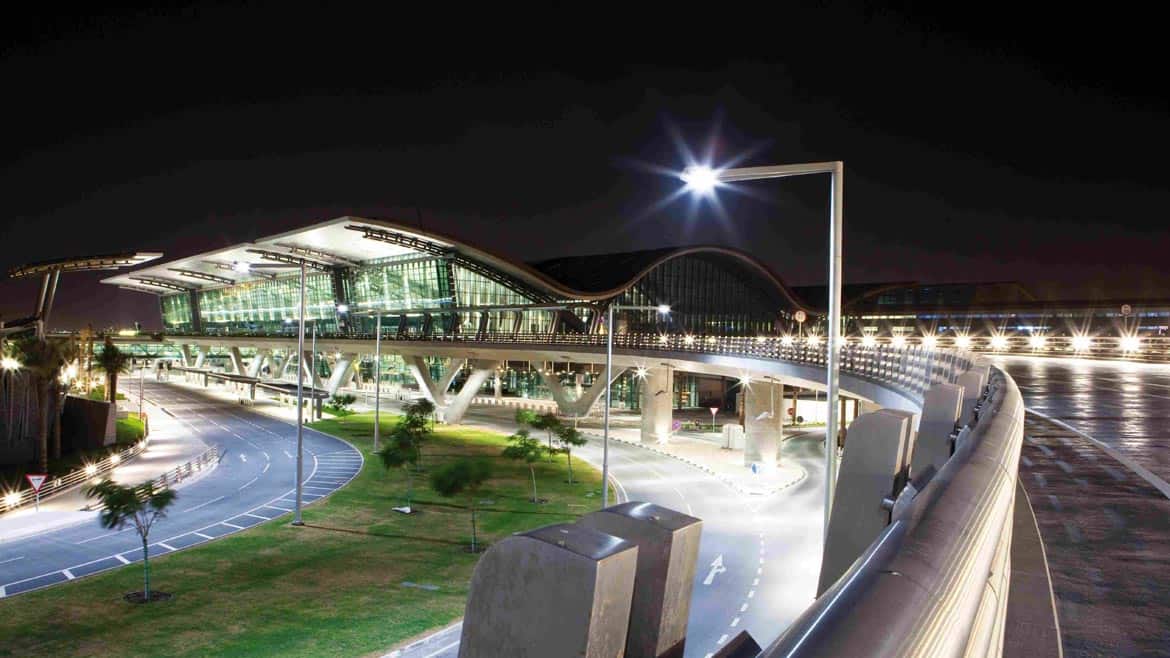
Major airports in the Middle East, such as Riyadh and Antalya, are being impacted by flight disruptions; 1,628 delays and 70 cancellations have been reported throughout the area. Airports and airlines are handling widespread schedule strain, according to the most recent operational data. Furthermore, growing network congestion, operational difficulties, and changes impacting regional and international routes are causing delays at major airline hubs. As carriers strive to maintain services, passengers are experiencing inconvenience in Riyadh, Antalya, and other important destinations. Travelers have experienced longer wait times and altered timetables as a result of the disruptions, which have affected connections throughout the Middle East. While travelers look for timely updates to plan their trips, airlines continue to monitor operations.
Major aviation hubs across the Middle East and wider region face widespread operational disruption
Major airports across the Middle East are experiencing significant flight disruptions, with 1,628 delays and 70 cancellations recorded across the listed airports. The latest figures show that several important aviation hubs in the United Arab Emirates, Saudi Arabia, Qatar, Türkiye, Israel, Egypt and Iraq are facing passenger disruptions, affecting both regional and international travel networks.
Advertisement
Advertisement
The highest number of delays was reported at Ben Gurion International Airport with 242 delays, followed by Dubai International Airport with 180 delays, Cairo International Airport with 156 delays, and King Abdulaziz International Airport in Jeddah with 151 delays.
The disruption has affected major connecting airports used by millions of travellers moving between Europe, Asia, Africa and the Middle East. While some airports reported delays without significant cancellations, others recorded both delayed and cancelled flights, increasing uncertainty for passengers.
Advertisement
Advertisement
Dubai, Saudi Arabia and Israel record the highest airport disruption levels
The latest airport data shows that the heaviest disruption was concentrated at some of the region’s busiest aviation gateways.
Ben Gurion International Airport in Israel recorded 242 delays and 2 cancellations, making it the airport with the highest delay figure in the data. The airport also recorded 6 delays involving flights within, into, or out of the United States, adding pressure to international connections.
Advertisement
Advertisement
In the United Arab Emirates, Dubai International Airport recorded 180 delays and 8 cancellations, while Abu Dhabi International Airport reported 138 delays and 3 cancellations. Sharjah International Airport experienced 63 delays and 1 cancellation.
Saudi Arabia also saw considerable disruption. King Abdulaziz International Airport in Jeddah recorded 151 delays and 10 cancellations, the highest number of cancellations among the listed major airports. King Khalid International Airport in Riyadh reported 146 delays and 5 cancellations, while King Fahd International Airport recorded 21 delays and 2 cancellations.
Other Saudi airports experienced mixed impacts. Abha Regional Airport reported 43 delays and 3 cancellations, while Gizan Regional Airport recorded no delays but reported 3 cancellations. Najran Domestic Airport also recorded no delays but reported 4 cancellations.
Gulf aviation hubs face pressure as international connections are affected
The Gulf region remains one of the world’s most important aviation corridors, connecting passengers between Asia, Europe, Africa and North America. Disruptions at major hubs can create wider impacts because many travellers rely on these airports for connecting journeys.
In Qatar, Hamad International Airport recorded 137 delays and 5 cancellations. As the primary international gateway for Doha, the airport plays a central role in global connecting traffic.
Türkiye also experienced notable disruption. Istanbul Airport recorded 138 delays and 2 cancellations, while Istanbul Sabiha Gökçen International Airport reported 95 delays and 11 cancellations. Together, the two Istanbul airports accounted for 233 delays and 13 cancellations, affecting passengers travelling through one of the region’s busiest aviation centres.
Advertisement
Advertisement
Egypt’s Cairo International Airport recorded 156 delays and 2 cancellations, while Erbil International Airport in Iraq recorded 3 delays and 1 cancellation.
| Airport | Code | Country | Origin Airports Cancelled % | Destination Airports Cancelled % |
|---|---|---|---|---|
| Dubai Int’l | DXB | UAE | 3% | 5% |
| King Abdulaziz Int’l | JED | Saudi Arabia | 7% | – |
| King Khalid Int’l | RUH | Saudi Arabia | 4% | – |
| Istanbul Sabiha Gokcen | SAW | Turkey | 4% | 7% |
| Cairo Int’l | CAI | Egypt | – | – |
Airlines across the region report delays, with Gulf carriers among the most affected
Airline performance data shows that several major carriers experienced delays, although cancellation levels remained relatively limited.
Qatar Airways and Emirates recorded the highest delay percentage among the listed major Gulf airlines, with both reporting 18% delayed flights. FlyDubai recorded 17% delayed flights, while Saudia reported 17% delays and 2% cancellations.
Turkish carriers also experienced operational challenges. Pegasus Airlines recorded 16% delayed flights, while SunExpress reported 15% delays and 1% cancellations. AJet recorded the highest cancellation percentage among the listed airlines at 3%, alongside a lower delay rate of 4%.
The airline figures indicate that disruption was mainly reflected through delayed operations rather than widespread cancellations, suggesting that carriers were continuing services while managing schedule pressures.
Cities and countries affected by the latest travel disruption
The impact has spread across several major travel destinations and aviation centres.
Advertisement
Advertisement
In the United Arab Emirates, passengers travelling through Dubai, Abu Dhabi and Sharjah faced delays affecting international and regional routes. Dubai’s role as a global transit hub means even short-term operational issues can affect passengers connecting across continents.
In Saudi Arabia, disruption affected Riyadh, Jeddah, Abha, Dammam and other regional airports. These airports serve a combination of business travellers, domestic passengers and international visitors.
In Qatar, Doha passengers experienced delays at Hamad International Airport, while travellers passing through Istanbul and Antalya in Türkiye faced operational challenges affecting regional tourism and international connections.
The disruption also affected passengers travelling through Israel, Egypt and Iraq, where airports recorded varying levels of delays and cancellations.
What affected passengers across Middle East should do now
Passengers travelling through affected airports should take several practical steps to manage possible delays.
Travellers should check their flight status directly with their airline before leaving for the airport, as departure times can change quickly. Passengers with connecting flights should allow additional time between services, particularly when travelling through large hubs such as Dubai, Doha, Istanbul, Jeddah and Riyadh.
Advertisement
Advertisement
Airline mobile applications and official notifications should be monitored regularly for updated information. Passengers whose flights are cancelled should contact their airline immediately to explore rebooking, alternative routes or refund options.
Travellers should also keep essential documents, medication and valuable items in hand luggage in case of extended waiting times or unexpected schedule changes.
Data Verification Notice
The data has been extensively curated by our editorial team using real-time aviation figures recorded on 8 September 2026 at 5:02 pm ET USA (9 September 2026, 1:02 am GST).
Primary Source: FlightAware.
Verification Protocol: All statistics have been independently reviewed and cross-checked by our human editorial desk. Timestamped records, data logs and feed snapshots are securely archived internally to support historical accuracy and editorial transparency.
Note: Real-time flight-tracking figures reflect active airspace and operational data. Minor variations may occur when compared with information displayed at individual airport terminals or airline departure gates.
You can also explore our previous coverage on Middle East region flight delays and cancellations from yesterday. Read the full update here.
Advertisement
