
airBaltic Joins British Airways and Lufthansa to Challenge Major Airlines Over Premium Starlink Loyalty Perks

Published
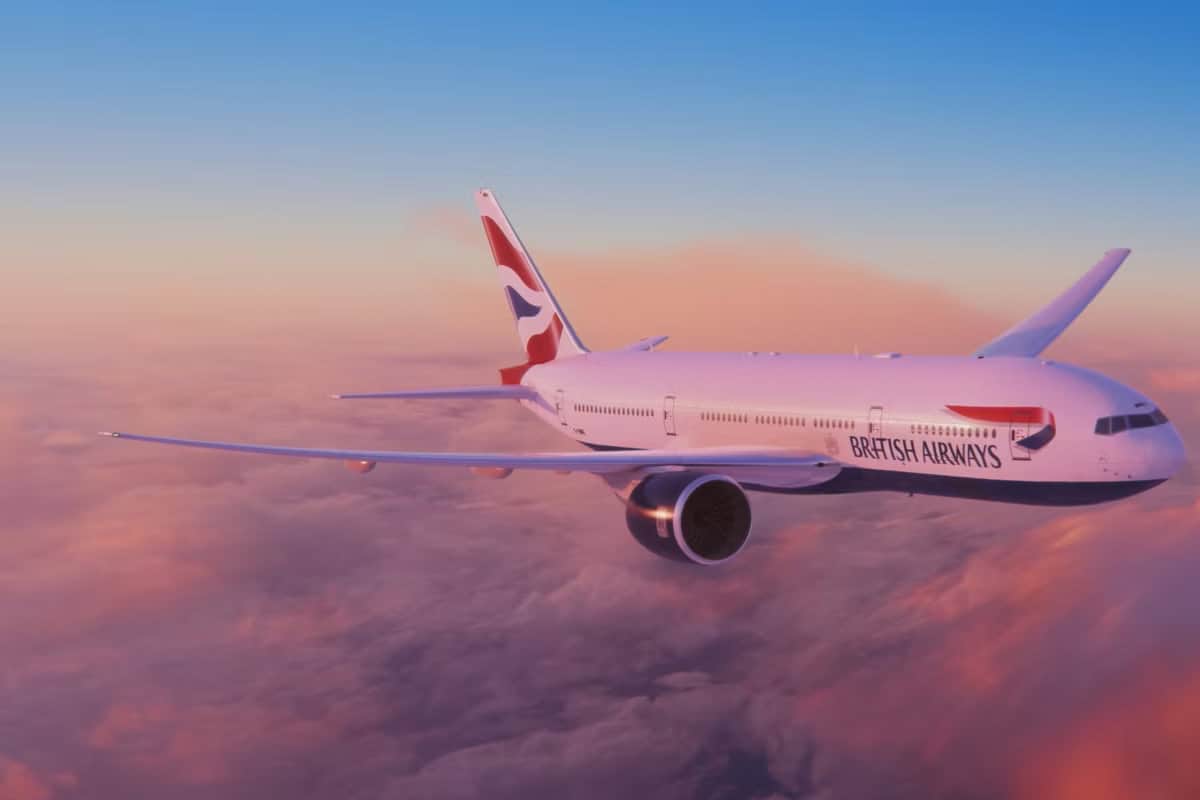
The global aviation landscape is experiencing a seismic shift as low-Earth orbit satellite technology redefines passenger expectations at thirty-five thousand feet. In a landmark strategic move, Latvian flag carrier airBaltic has unified with European heavyweights British Airways and Lufthansa Group to challenge global network carriers over airBaltic Starlink loyalty perks. By eliminating legacy paywalls and offering friction-free, high-speed broadband to all passengers without gating access behind mandatory frequent-flyer memberships, airBaltic is aggressively disrupting established loyalty monetization models. This high-stakes battle over inflight connectivity signals a transformative era where digital infrastructure directly dictates carrier competitiveness, passenger retention, and international aviation policy.
Historical Context and the Paradigm Shift in Airborne Connectivity
The commercial airline industry has entered an unprecedented technological transition regarding airborne communication systems. For over two decades, inflight Wi-Fi remained one of the most persistently criticized aspects of the passenger journey. Early iterations of airborne internet relied on ground-to-air cellular towers or traditional Geostationary Orbit (GEO) satellites positioned approximately 35,786 kilometres above the equator. While GEO satellites provided expansive geographical coverage, their immense distance from Earth introduced inherent signal propagation delays, resulting in latency measurements frequently exceeding 600 to 800 milliseconds.
Furthermore, total bandwidth allocated per aircraft was severely restricted, often yielding total download throughput of less than 15 Megabits per second (Mbps) shared among hundreds of passengers. Under these conditions, basic web browsing was sluggish, video streaming was virtually impossible, and corporate secure virtual private network (VPN) tunnels routinely failed. Airlines attempted to recoup substantial hardware installation and satellite transponder leasing costs by charging passengers exorbitant fees—frequently ranging from £15 to £30 per flight session—or by restricting basic messaging access to elite tier members of airline frequent-flyer programs.
+-----------------------------------------------------------------------------------+
|               SATELLITE ARCHITECTURE COMPARISON AT 35,000 FEET                    |
+----------------------------+-----------------------------+------------------------+
| Metric                     | Geostationary (GEO)         | Low-Earth Orbit (LEO)  |
+----------------------------+-----------------------------+------------------------+
| Orbital Altitude           | ~35,786 km                  | ~550 km                |
| Round-Trip Latency         | 600 ms – 800 ms             | 25 ms – 40 ms          |
| Peak Aircraft Bandwidth    | 15 Mbps – 50 Mbps (Shared)  | 250 Mbps – 500+ Mbps   |
| Streaming & Gaming Ability | Highly Restricted / Blocked | Native Support         |
| Authentication Model       | Paid Paywall / Loyalty Gate | Frictionless / Open    |
+----------------------------+-----------------------------+------------------------+
From Geostationary Friction to Low-Earth Orbit Breakthroughs
The operational paradigm shifted dramatically with the emergence of Low-Earth Orbit (LEO) satellite constellations, spearheaded by SpaceX’s Starlink network. Operating at altitudes between 500 and 550 kilometres above the Earth’s surface, LEO satellite constellations reduce orbital signal propagation distances by more than 98% compared to traditional GEO networks. This drastic reduction brings round-trip connection latency down to 25–40 milliseconds—a threshold virtually indistinguishable from terrestrial fiber-optic broadband.
Advertisement
Advertisement
Through Advanced Phased Array Electronically Steered Antennas mounted on the aircraft fuselage, LEO systems deliver continuous, high-throughput connectivity capable of delivering between 250 Mbps and 500+ Mbps direct to individual commercial airliners. This bandwidth expansion enables simultaneous multi-device connections, uncompressed 4K video streaming, real-time cloud computing, cloud gaming, and encrypted corporate video conferencing across all passenger cabins simultaneously.
Legacy Monetisation Models vs Open Sky Access
Historically, major network airlines viewed airborne internet as a direct revenue center or a defensive loyalty capture mechanism. Under the legacy model, carriers established tiered monetization frameworks:
Advertisement
Advertisement
- Basic Tier: Complimentary low-bandwidth text messaging for registered loyalty members.
- Standard Tier: Hourly paid passes for general web browsing.
- Premium Tier: High-cost full-flight passes intended for streaming and heavy data transfers.
This multi-tiered framework imposed significant friction. Passengers were required to navigate complex captive portals, input credit card details mid-flight, or complete multi-step loyalty program registration forms before gaining basic network access.
However, airBaltic radically disrupted this commercial consensus by championing a zero-friction, open-access philosophy. By offering inflight broadband connectivity completely free of charge to every traveler without requiring account registration, passcodes, or loyalty program paywalls, airBaltic established a new global baseline for passenger digital experience.
The Early Carrier Moves: airBaltic’s Pioneering A220-300 Fleet Integration
Latvian flag carrier airBaltic became the first commercial airline in Europe to commit to a fleet-wide deployment of Starlink satellite connectivity across its modern, single-type fleet of Airbus A220-300 aircraft. Beginning initial supplemental type certificate (STC) testing and integration, airBaltic completed system installations across its operational aircraft, enabling seamless connectivity across its extensive European, Middle Eastern, and North African flight networks.
Unlike traditional carriers that implemented complex authentication systems, airBaltic configured its onboard router infrastructure to auto-connect passenger devices instantly upon entering the cabin or reaching operational cruising altitudes. This pioneering strategy forced long-established network legacy carriers across North America and Europe to re-evaluate their own digital loyalty architectures and inflight monetization strategies.
Latest Official Developments across European and Global Carrier Networks
By October 2026, the competitive landscape surrounding European commercial aviation satellite Wi-Fi has reached a critical turning point. The market is sharply divided between carriers advocating universal open-access connectivity and those utilizing high-speed internet as an exclusive perk to drive frequent-flyer enrolment.
+-----------------------------------------------------------------------------------+
|             EUROPEAN AIRLINE STARLINK IMPLEMENTATION STRATEGIES (2026)            |
+-------------------+--------------------+--------------------+---------------------+
| Airline           | Aircraft Type      | Access Model       | Loyalty Requirement |
+-------------------+--------------------+--------------------+---------------------+
| airBaltic         | Airbus A220-300    | Completely Free    | None (Open Access)  |
| British Airways   | Long-Haul Fleet    | Completely Free    | None (All Cabins)   |
| Lufthansa Group   | Short/Medium-Haul  | Free for Loyalty   | Travel ID / Miles   |
| Air France        | Fleet-Wide         | Free for Loyalty   | Flying Blue         |
| Virgin Atlantic   | Transatlantic      | Free for Loyalty   | Flying Club         |
+-------------------+--------------------+--------------------+---------------------+
airBaltic’s Comprehensive Fleet Rollout and Platform Architecture
Official corporate reports and civil aviation disclosures confirm that airBaltic’s fleet of airBaltic Airbus A220-300 aircraft is now equipped with low-altitude satellite transceivers. Operating from its primary hub in Riga alongside regional bases in Tallinn, Vilnius, and Tampere, the airline provides unthrottled broadband access across all routes.
Advertisement
Advertisement
Data telemetry published by aviation authorities indicates that airBaltic’s onboard system achieves average onboard download speeds ranging from 150 Mbps to 250 Mbps per aircraft, with localized latency averaging under 35 milliseconds. The open-access architecture permits every passenger to connect multiple devices—including smartphones, laptops, and tablets—simultaneously without undergoing portal authentication or experiencing bandwidth throttling.
Lufthansa Group’s Multi-Airline Connectivity Integration Strategy
In direct contrast to the open-access model, the Lufthansa Group—encompassing Lufthansa, Swiss International Air Lines, Austrian Airlines, Brussels Airlines, and Discover Airlines—has launched a major deployment of Starlink broadband across its continental short- and medium-haul fleet, utilizing a loyalty-gated access model.
Commencing fleet integration with its Airbus A320neo aircraft, Lufthansa Group offers high-speed satellite Wi-Fi free of charge across all travel classes, from Economy to First Class, under one strict condition: passengers must log in using a validated Lufthansa Group travel ID or a Miles & More frequent-flyer account number.
This single-sign-on (SSO) architecture spans all Group carriers, allowing a passenger to remain seamlessly authenticated across connecting flights. By pairing connectivity directly with digital identity creation, Lufthansa Group leverages LEO satellite technology as an engine for acquiring customer data and expanding its digital ecosystem.
British Airways and International Airlines Group (IAG) Strategic Deployment
British Airways, alongside sister carriers within International Airlines Group (IAG) including Iberia and Aer Lingus, has executed an aggressive fleet integration schedule powered by IAG Connect and Starlink. The British Airways Starlink rollout initially focused on long-haul widebody aircraft before expanding across European short-haul routes.
Crucially, British Airways aligned its commercial positioning closer to airBaltic than its legacy competitors. BA provides free, unlimited high-speed broadband to every customer in every cabin without mandatory loyalty paywalls or device limitations. Passengers can stream high-definition media, conduct live business tasks, and connect multiple personal devices simultaneously without additional charges.
Advertisement
Advertisement
This positioning puts direct commercial pressure on transatlantic rivals that continue to restrict streaming-grade internet to higher-tier loyalty members or premium cabin ticket holders.
Comparative Analysis: Free Open Access vs Gatekeeper Loyalty Models
The competition between European carriers highlights two fundamentally opposed commercial strategies in the airline industry:
                  +-----------------------------------+
                  | AIRLINE INFLIGHT Wi-Fi STRATEGY   |
                  +-----------------+-----------------+
                                    |
            +-----------------------+-----------------------+
            |                                               |
            v                                               v
+-----------------------+                       +-----------------------+
|  OPEN ACCESS MODEL    |                       | GATEKEEPER LOYALTY    |
| (airBaltic, BA)       |                       | (Lufthansa, Air Fr.)  |
+-----------------------+                       +-----------------------+
| • Zero login steps    |                       | • Requires account    |
| • Max CSAT scores     |                       | • High member growth  |
| • Faster boarding     |                       | • Targeted marketing  |
| • Operational simplicity                      | • Direct customer data|
+-----------------------+                       +-----------------------+
- The Open Access Model (airBaltic, British Airways): Prioritizes customer satisfaction scores (CSAT), reduced cabin crew friction, and operational efficiency. By removing logins, passenger boarding and digital onboarding are completely effortless.
- The Gatekeeper Loyalty Model (Lufthansa Group, Air France-KLM, United Airlines): Treats high-speed connectivity as a high-value incentive to capture verified customer data, boost loyalty program memberships, and drive direct booking conversions through proprietary mobile applications.
Official Government Announcements and Civil Aviation Authority Guidelines
The rapid, large-scale retrofit of commercial airliners with satellite communication hardware has prompted regulatory responses from civil aviation authorities, national transport ministries, and international telecommunications bodies.
European Union Aviation Safety Agency (EASA) Certification Frameworks
The European Union Aviation Safety Agency (EASA) has issued detailed airworthiness standards and Supplemental Type Certificates (STCs) governing the installation of electronically steered antenna arrays on commercial airframes. Primary regulatory requirements focus on structural integrity, electromagnetic compatibility (EMC), and aerodynamic drag parameters:
- Structural Integrity: EASA requires comprehensive stress testing of external fuselage skin mountings to withstand thermal expansion, aerodynamic pressure variations, and flight flutter dynamics across the Airbus A220, A320, and Boeing 787 structural envelopes.
- Electromagnetic Compatibility: Avionics testing protocols ensure that high-power Ku-band and Ka-band satellite transmissions do not interfere with primary flight control systems, VHF communications, weather radar, or microwave landing systems (MLS).
- Cybersecurity Standards: Under updated European civil aviation directives, onboard satellite router hardware must incorporate air-gapped network segmentations, strictly separating passenger entertainment networks from aircraft operational control networks (AOC) and electronic flight bags (EFB).
Ministry of Transport Latvia and Baltic Aviation Policy Directives
The Ministry of Transport of the Republic of Latvia, as the primary shareholder in airBaltic holding an 88.37% equity stake, has highlighted the fleet-wide digital upgrade as a core element of the nation’s strategic transport infrastructure.
Official ministry policy briefs emphasize that high-speed airborne connectivity strengthens airBaltic’s position as a regional market leader, enhancing connectivity across the Baltic states—Latvia, Estonia, and Lithuania—and supporting regional economic development, international commerce, and national digital infrastructure goals.
Advertisement
Advertisement
+-----------------------------------------------------------------------------------+
|                 AIRBALTIC SHAREHOLDING STRUCTURE (GOVERNMENT REPORT)              |
+-------------------------------------------------------------+---------------------+
| Shareholder Entity                                          | Equity Stake (%)    |
+-------------------------------------------------------------+---------------------+
| State of the Republic of Latvia (Ministry of Transport)     | 88.37%              |
| Lufthansa Group                                             | 10.00%              |
| Aircraft Leasing 1 SIA (Private Investor)                   | 1.62%               |
| Other Minority Shareholders                                 | 0.01%               |
+-------------------------------------------------------------+---------------------+
Civil Aviation Authority (UK) and European Telecommunications Standards
In the United Kingdom, the Civil Aviation Authority (CAA) in conjunction with Ofcom has updated spectrum licensing frameworks for Earth Stations in Motion (ESIM). These regulations govern the operational frequency bands allocated for satellite communications on airborne platforms operating within UK airspace.
The updated frameworks establish clear guidelines for managing spectrum access, preventing signal interference with terrestrial mobile broadband networks, and ensuring high-capacity data transmission during trans-border flights across European and North Atlantic corridors.
In-Depth Statistical Overview and Inflight Broadband Performance Data
Empirical data collected across European commercial flight sectors demonstrates a significant improvement in network performance parameters following the deployment of low-Earth orbit satellite infrastructure.
+-----------------------------------------------------------------------------------+
|               INFLIGHT PERFORMANCE METRICS: LEO VS LEGACY SATELLITE               |
+-----------------------------------+-----------------------+-----------------------+
| Performance Parameter             | Starlink LEO Network  | Legacy GEO Network    |
+-----------------------------------+-----------------------+-----------------------+
| Mean Download Speed               | 180 Mbps – 250 Mbps   | 5 Mbps – 15 Mbps      |
| Mean Upload Speed                 | 25 Mbps – 40 Mbps     | 0.5 Mbps – 2 Mbps     |
| Average Round-Trip Latency        | 28 ms – 38 ms         | 650 ms – 850 ms       |
| Packet Loss Rate                  | < 0.5%                | 3.5% – 8.0%           |
| Concurrent Active Connections/A/C | Up to 220 Devices     | 30 – 50 Devices       |
| Video Streaming Reliability (4K)  | 99.2% Uptime          | < 12% Uptime          |
+-----------------------------------+-----------------------+-----------------------+
Latency, Bandwidth, and Throughput Benchmarks Across Altitude Vectors
Technical evaluations conducted aboard airBaltic Airbus A220-300 aircraft operating at cruising altitudes between 35,000 and 41,000 feet demonstrate consistent, high-capacity network performance:
- Download Bandwidth: Individual aircraft throughput consistently exceeds 200 Mbps, enabling simultaneous HD streaming across dozens of cabin devices.
- Upload Bandwidth: Upload rates range from 25 to 40 Mbps, supporting real-time cloud file synchronization, live social media uploading, and outbound high-definition video feeds.
- Latency Benchmarks: Latency metrics remain stable at 28–38 milliseconds, eliminating the lag typically experienced over legacy GEO links.
Passenger Engagement Metrics and Device Density Ratios
Operational data from early-adopting carriers reveals a dramatic increase in passenger engagement when connectivity paywalls are removed. Under legacy paid models, network take-rates typically hovered between 5% and 12% of passengers onboard.
In contrast, airBaltic’s open-access Starlink system sees passenger engagement rates exceed 85% on short- and medium-haul sectors. Furthermore, because the platform supports multiple simultaneous connections per passenger, the active device ratio routinely reaches 1.4 devices per passenger, with travelers concurrently operating smart mobile devices and laptop computers.
Advertisement
Advertisement
Global Aviation Satellite Connectivity Adoption Metrics 2024–2026
Industry surveys conducted by international aviation research bodies highlight an unprecedented rate of satellite hardware retrofitting across the global commercial fleet:
+-----------------------------------------------------------------------------------+
|            GLOBAL COMMERCIAL FLEET LEO Wi-Fi ADOPTION TRACKER (2024–2026)         |
+---------------------------------------+---------------+---------------+-----------+
| Metric                                | 2024          | 2025          | 2026      |
+---------------------------------------+---------------+---------------+-----------+
| Commercial Airlines with LEO Contracts| 12            | 26            | 40+       |
| Equipped Commercial Aircraft in Service| ~250          | ~750          | >1,400    |
| Global Passenger LEO Connectivity Share| 3.2%          | 9.8%          | 22.5%     |
| Average Annual Take-Rate (Open Model) | 78%           | 82%           | 87%       |
+---------------------------------------+---------------+---------------+-----------+
As detailed in the figures above, the number of commercial airliners fitted with high-speed LEO connectivity surpassed 1,400 aircraft globally, representing a multi-fold increase over two years.
Strategic Loyalty Implications and Passenger Retention Economics
The aggressive market introduction of airBaltic Starlink loyalty perks has reshaped the broader economics of airline frequent-flyer programs. Modern airlines rely heavily on loyalty programs as highly profitable corporate assets, generating billions in revenue through co-branded credit card arrangements, partner redemptions, and targeted customer data analytics.
+-----------------------------------------------------------------------------------+
|                 AIRLINE LOYALTY MONETISATION MODEL COMPARISON                     |
+-----------------------------------+-----------------------+-----------------------+
| Strategic Pillar                  | Open-Access Model     | Gated Loyalty Model   |
|                                   | (e.g., airBaltic, BA) | (e.g., Lufthansa)     |
+-----------------------------------+-----------------------+-----------------------+
| Primary Objective                 | Brand Differentiation | Data Capture & Enrolment|
| Direct Passenger Cost             | £0.00                 | £0.00 (with account)  |
| Friction Point                    | None                  | Mandatory Registration|
| Customer Satisfaction Impact      | Immediate Surge       | Moderate Increase     |
| Direct App Monetisation           | Indirect Brand Value  | High Direct Conversion|
+-----------------------------------+-----------------------+-----------------------+
The Loyalty Paywall Paradox: Captive Data vs Immediate Frictionless Service
Carriers utilizing the gatekeeper model view free Wi-Fi as a low-cost acquisition channel for new loyalty members. By requiring passengers to create a Lufthansa Group travel ID or enter a frequent-flyer number, airlines convert anonymous travelers into identified customer profiles. This enables airlines to send personalized marketing, promote ancillary services, and track travel preferences.
However, airBaltic’s strategy highlights the inherent vulnerability of this approach:
Requiring passengers to fill out multi-step registration forms while sitting on an active taxiway introduces unnecessary customer friction. Travelers increasingly expect inflight connectivity to mirror terrestrial public utilities—instant, reliable, and friction-free.
Advertisement
Advertisement
By removing all login barriers, airBaltic maximizes immediate brand affinity, securing a strong competitive advantage among business travelers who prioritize seamless productivity over accumulating micro-balances of frequent-flyer miles.
Yield Enhancement and Premium Class Cabin Positioning
Airborne broadband performance has quickly emerged as a primary factor influencing corporate travel bookings and ticket purchases. Airline commercial management data indicates that high-yield corporate travelers demonstrate a high willingness to switch preferred carriers based on inflight Wi-Fi reliability and speed.
Carriers offering reliable, high-speed LEO connectivity report measurable improvements in passenger yield—the average revenue earned per passenger mile. By position airBaltic’s fleet as a fully connected digital workspace, the airline commands higher load factors on key European corporate routes, compensating for the capital expenditure of antenna installations through increased ticket margins and higher booking volumes.
Corporate Travel Procurement and Business Travel Selection Criteria
Corporate travel management companies (TMCs) are increasingly integrating inflight connectivity performance into corporate flight booking engines. Under modern corporate travel policies, employee productivity during transit is recognized as a tangible financial variable.
Flight options that guarantee unthrottled, low-latency broadband enable corporate travelers to remain fully billable and operational during flight hours. Consequently, airlines offering robust LEO connectivity gain preferred status within corporate travel management systems, securing long-term service agreements with international business enterprises.
Macroeconomic and Commercial Aviation Sector Impact
The widespread adoption of low-Earth orbit satellite communications across European air fleets carries broader macroeconomic and structural implications for the commercial aviation sector.
Advertisement
Advertisement
+-----------------------------------------------------------------------------------+
|               MACROECONOMIC & OPERATIONAL IMPACT VARIABLES                        |
+-----------------------------------+-----------------------------------------------+
| Strategic Impact Area             | Key Operational & Financial Drivers           |
+-----------------------------------+-----------------------------------------------+
| Fleet Aerodynamic Efficiency      | Low-profile electronically steered antennas   |
|                                   | reduce fuel burn penalty to under 0.8%.       |
+-----------------------------------+-----------------------------------------------+
| Inflight Ecosystem Shift          | Shift from traditional seatback IFE hardware  |
|                                   | to Bring-Your-Own-Device (BYOD) streaming.    |
+-----------------------------------+-----------------------------------------------+
| Regional Hub Development          | Baltic transit hubs (Riga, Tallinn) gain      |
|                                   | competitive edge for international business.  |
+-----------------------------------+-----------------------------------------------+
| Ancillary Digital Marketplace     | High-bandwidth sky networks open real-time    |
|                                   | inflight e-commerce and digital services.     |
+-----------------------------------+-----------------------------------------------+
Operational Costs and Aerodynamic Drag Efficiency Analysis
A vital technical factor in scaling satellite Wi-Fi across commercial fleets involves minimizing added aerodynamic drag and weight. Traditional satellite radomes—housing mechanically steered dish antennas—introduced noticeable aerodynamic drag, increasing fuel consumption by up to 1.5% per flight hour.
In contrast, modern LEO phased-array antenna panels feature ultra-low profile designs, sitting almost flush against the upper fuselage skin. Engineering assessments confirm that these advanced antenna arrays reduce fuel burn penalties to less than 0.8%. This fuel efficiency is crucial for maintaining tight operational margins and meeting stringent European Union aviation carbon reduction targets.
Inflight Ancillary Revenue Restructuring and Digital Marketplace Ecosystems
As traditional paid Wi-Fi revenue streams disappear, airlines are restructuring their inflight ancillary revenue models. High-speed LEO connectivity enables carriers to transform their captive portals into dynamic digital marketplaces:
- Targeted Inflight E-Commerce: Passengers can browse real-time digital catalogues, booking rental cars, hotel accommodations, and destination experiences while en route.
- Sponsored Portal Ecosystems: Airlines partner with major global brands, telecommunications providers, and financial institutions to sponsor free passenger connection sessions.
- Weight Reduction via BYOD: By delivering reliable streaming speeds directly to personal smartphones, tablets, and laptops, airlines can eliminate heavy seatback inflight entertainment (IFE) screens on short- and medium-haul aircraft. This significantly reduces aircraft weight, maintenance costs, and electrical power consumption.
Regional Economic Benefits for Baltic and Pan-European Transit Hubs
For the Baltic region, airBaltic’s leadership in high-speed sky connectivity enhances broader regional accessibility and digital infrastructure. By positioning Riga International Airport (RIX) as a tech-forward aviation hub connecting Northern, Eastern, and Western Europe, the carrier supports regional economic growth.
Enhanced connectivity attracts international business travelers, digital entrepreneurs, and corporate headquarters to the Baltic states, supporting national economic objectives outlined by the Latvian Ministry of Transport and regional tourism development boards.
Tourism, Public Infrastructure, and Passenger Experience Dynamics
The democratization of high-speed airborne internet directly impacts global tourism patterns, public transit experiences, and passenger behavior protocols.
Advertisement
Advertisement
+-----------------------------------------------------------------------------------+
|               PASSENGER EXPERIENCE & CABIN REGULATION SUMMARY                     |
+-----------------------------------+-----------------------------------------------+
| Focus Area                        | Regulatory Framework & Cabin Guidelines       |
+-----------------------------------+-----------------------------------------------+
| Audio Protocol Regulations        | Mandatory use of personal headphones for all  |
|                                   | audio/video consumption; zero speaker use.   |
+-----------------------------------+-----------------------------------------------+
| Voice & Video Call Policy         | Active voice/video calls restricted or strictly|
|                                   | discouraged to maintain cabin quiet zones.    |
+-----------------------------------+-----------------------------------------------+
| Digital Nomad Integration         | Inflight working environments supporting live |
|                                   | cloud productivity and video streaming.       |
+-----------------------------------+-----------------------------------------------+
Seamless Connectivity for International Business and Leisure Travellers
For modern international travelers, seamless internet access has evolved from a luxury perk into a standard expectation. Leisure passengers can maintain uninterrupted communication with family, manage last-minute travel logistics, coordinate ground transport, and access streaming entertainment throughout their journey.
For business travelers, the ability to work uninterrupted during regional transit flights turns travel time into productive work time, making air travel significantly more efficient.
Digital Nomad Migration and Inflight Productivity Metrics
The rise of hybrid work models and digital nomadism has reshaped international travel demographics. Location-independent professionals evaluate travel routes based on digital infrastructure quality, both on the ground and in the air.
Carriers offering unthrottled, low-latency connectivity become preferred choices for remote workers traveling across European tech hubs, driving higher booking volumes during mid-week and off-peak travel periods.
Passenger Conduct Policies, Audio Protocol Regulations, and Cabin Management
To manage the social dynamics of an entirely connected passenger cabin, airlines flying Starlink-equipped fleets have introduced standardized passenger conduct policies:
                     +-----------------------------------+
                     | INFLIGHT CABIN CONDUCT GUIDELINES |
                     +-----------------+-----------------+
                                       |
             +-------------------------+-------------------------+
             |                                                   |
             v                                                   v
+--------------------------+                       +--------------------------+
|  AUDIO PROTOCOLS         |                       | CALL & CONTENT RULES     |
+--------------------------+                       +--------------------------+
| • Mandatory headphones   |                       | • No active video calls  |
| • Low voice levels       |                       | • Restricted voice calls |
| • Dimmed screens at night|                       | • Family-friendly viewing|
+--------------------------+                       +--------------------------+
- Mandatory Headphone Usage: All passengers viewing video content, listening to audio, or playing games must utilize personal headphones at all times. External device speakers are strictly prohibited across all travel classes.
- Voice and Video Call Restrictions: While LEO bandwidth easily supports live voice and video calling apps, most major airlines—including airBaltic, British Airways, and Virgin Atlantic—maintain cabin rules that restrict or prohibit active voice and video calls mid-flight to maintain a quiet, peaceful cabin environment.
- Content Moderation: Onboard router platforms utilize automated network filters to block access to illegal, offensive, or explicit material, ensuring a safe digital environment for all passengers.
Authoritative Statements from Industry Executives and Aviation Regulatory Bodies
Official statements from airline executives and international aviation organizations underscore the strategic importance of next-generation airborne connectivity.
Advertisement
Advertisement
Speaking on the strategic implementation of fleet-wide satellite connectivity, executive leadership at airBaltic highlighted the milestone:
“Becoming the first European airline to launch SpaceX’s Starlink free, high-speed internet across our entire Airbus A220-300 fleet represents a historic moment for airBaltic and European aviation. We are proud to deliver an award-winning passenger experience that allows every traveler to stay connected effortlessly without paywalls, friction, or complex login requirements.”
Representing global airline interests, official publications from the International Air Transport Association (IATA) emphasize the operational transformation:
“The rapid deployment of low-Earth orbit satellite constellations is fundamentally altering passenger expectations and digital airline operations. High-throughput, low-latency airborne broadband is transitioning from an ancillary luxury into an essential utility that dictates brand competitiveness, corporate travel selection, and digital customer engagement across modern commercial aviation.”
Similarly, official strategy briefings from the Lufthansa Group detail the commercial intent behind their loyalty integration:
“By introducing high-performance satellite broadband across our fleet and integrating access directly with our Travel ID and Miles & More platforms, we deliver high value to our loyal customers while building a digital connection that accompanies travelers throughout their journey.”
Advertisement
Advertisement
Future Outlook and Strategic Horizon for Sky Broadband (2026–2030)
Looking toward the remainder of the decade, the competitive battle surrounding airborne connectivity will intensify as satellite technologies evolve and fleet installations expand across global markets.
+-----------------------------------------------------------------------------------+
|               COMMERCIAL AVIATION Wi-Fi EVOLUTION TIMELINE                        |
+-------------------+---------------------------------------------------------------+
| Era               | Technological & Operational Milestone                         |
+-------------------+---------------------------------------------------------------+
| 2010 – 2020       | High-cost, low-speed GEO satellite connectivity;              |
|                   | strict paid paywalls and poor reliability.                    |
+-------------------+---------------------------------------------------------------+
| 2021 – 2024       | Initial LEO testing and early fleet deployments;              |
|                   | emergence of free messaging tier perks.                       |
+-------------------+---------------------------------------------------------------+
| 2025 – 2026       | Fleet-wide LEO rollouts by airBaltic, BA, Lufthansa;          |
|                   | shift to free streaming broadband across European networks.   |
+-------------------+---------------------------------------------------------------+
| 2027 – 2030 (Est.)| Next-gen optical laser mesh networks; universal gigabit-scale |
|                   | free sky connectivity as a standard global airline amenity.  |
+-------------------+---------------------------------------------------------------+
Next-Generation Satellite Constellations and Inter-Satellite Optical Links
The next technological frontier in airborne connectivity involves the deployment of second-generation LEO satellite constellations equipped with direct optical laser interconnects. These laser mesh networks allow satellite nodes to route data directly through space without relying on local ground earth stations.
For commercial airliners operating transoceanic, polar, or remote regional routes, optical laser routing guarantees uninterrupted broadband speeds exceeding 1 Gigabit per second (Gbps) to the aircraft, fully eliminating coverage gaps during long-haul flights.
Long-Term Competitive Equilibrium and Market Consolidation
As high-speed satellite connectivity becomes a standard expectation across commercial airlines, carriers attempting to charge fees for slow, legacy internet services will face significant market disadvantages. Industry projections indicate that by 2028, paid inflight Wi-Fi will be largely obsolete on mainline commercial routes across Europe and North America.
Airlines will operate within a new competitive equilibrium where free, streaming-grade connectivity is treated as a baseline standard—similar to climate control or cabin lighting. In this environment, long-term market leadership will belong to carriers like airBaltic that recognized this shift early, delivering open, high-speed digital connectivity to every passenger from takeoff to landing.
Advertisement
