
South Africa’s Namaqualand Wildflower Superbloom Creates an Extraordinary 2026 Nature Travel Spectacle as Record Winter Rainfall Transforms the Succulent Karoo Into a Vibrant Floral Wonderland With Exclusive Seasonal Stays, Scenic Road Trips, and Unforgettable Coastal Adventures

Published
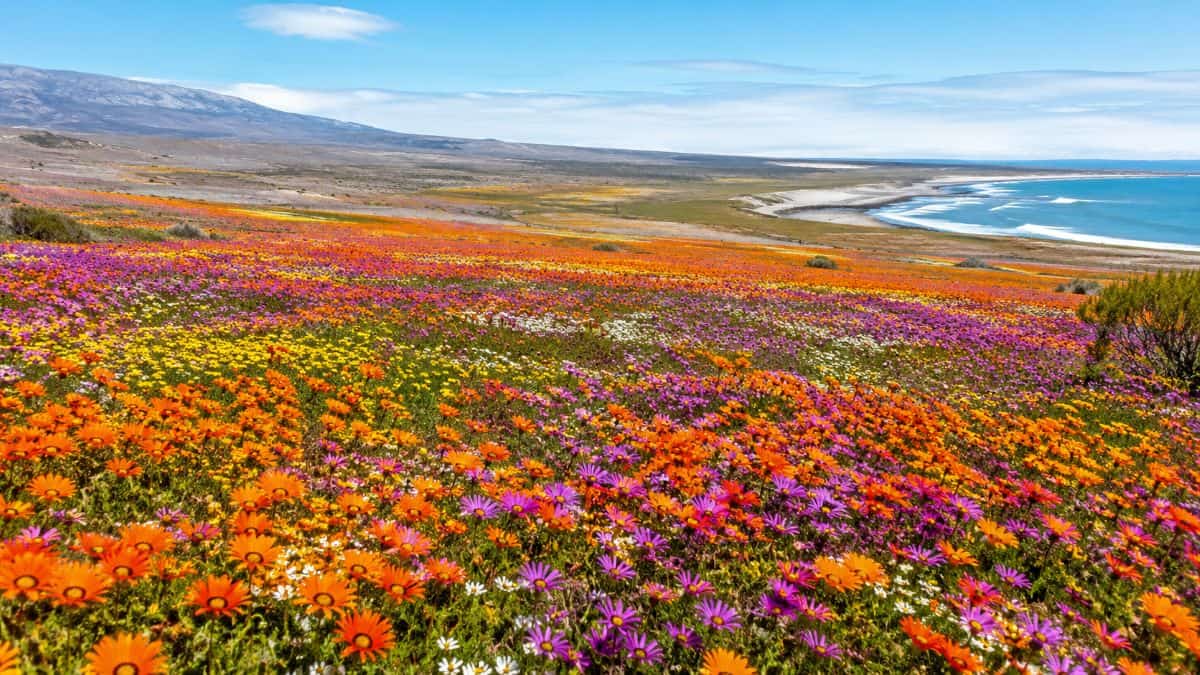
South Africa is witnessing one of its most remarkable natural travel events of 2026 as Namaqualand’s famous wildflower season reaches exceptional levels following record winter rainfall. Stretching across the Northern Cape Province, this normally arid landscape has transformed into an immense tapestry of colorful daisies, gazanias, vygies, and countless indigenous flowering plants, attracting photographers, botanists, conservationists, and travelers from around the world.
The extraordinary bloom is creating renewed global attention for Namaqualand, a destination already recognized for hosting one of the world’s most reliable annual wildflower displays. Unlike desert blooms that occur only after many years, Namaqualand offers seasonal floral experiences every year. However, unusually high rainfall has elevated the 2026 season into what tourism experts describe as a superbloom, providing visitors with one of the richest displays seen in recent years. The phenomenon is expected to strengthen regional tourism, encourage sustainable travel, and showcase South Africa’s unique biodiversity while supporting local conservation and tourism businesses.
Record Rainfall Creates an Exceptional 2026 Wildflower Season
| Key Highlight | Details |
|---|---|
| Destination | Namaqualand, Northern Cape, South Africa |
| Event | 2026 Wildflower Superbloom |
| Main Cause | Record winter rainfall |
| Best Viewing Period | Mid-August to mid-September |
| Main Attraction | Millions of blooming indigenous flowers |
The spectacular transformation has occurred after abundant winter rainfall replenished the dry soils across the Succulent Karoo. Dormant seeds that had remained inactive beneath the desert surface have germinated simultaneously, covering vast plains with brilliant colors rarely witnessed on such a large scale.
Environmental specialists explain that the Succulent Karoo remains one of Earth’s most biologically significant dryland ecosystems. Its remarkable concentration of endemic plant species makes it globally important for biodiversity conservation while offering travelers an exceptional nature-based tourism experience.
Advertisement
Advertisement
Why Namaqualand Is Different From Other Desert Flower Destinations
| Global Flower Destination | Bloom Pattern |
|---|---|
| Namaqualand | Annual seasonal bloom |
| Chile’s Atacama Desert | Approximately every 5–7 years |
| Death Valley, USA | Rare superbloom events |
Unlike many famous desert flower destinations that rely on rare climatic events, Namaqualand delivers dependable seasonal floral displays each year. This consistency has established the region as one of Africa’s premier botanical tourism destinations.
The 2026 season stands apart because exceptional rainfall has dramatically increased flower density, geographical coverage, and bloom intensity. Visitors can expect larger floral carpets stretching across valleys, hillsides, and coastal landscapes than during typical seasons.
Advertisement
Advertisement
Seasonal Accommodation Offers an Immersive Nature Experience
| Accommodation Feature | Details |
|---|---|
| Accommodation Type | Luxury seasonal tented camp |
| Operating Season | Approximately one month |
| Capacity | Limited number of guests |
| Activities | Guided walks, birdwatching, coastal exploration, stargazing |
One of the most distinctive travel experiences available during the bloom is staying inside the flowering landscape itself through seasonal accommodation established specifically for the wildflower period.
The limited operating season creates an exclusive atmosphere where visitors experience both luxury and nature. Comfortable accommodations combine modern amenities with direct access to blooming landscapes, allowing travelers to begin guided walks immediately from their tents while enjoying spectacular Atlantic Ocean scenery nearby.
Evenings offer another dimension of the experience, with clear desert skies providing outstanding opportunities for astronomy and peaceful outdoor dining after days spent exploring the colorful floral landscapes.
National Park Experiences Extend Beyond the Superbloom
| Visitor Experience | Highlights |
|---|---|
| Walking Trails | Flower viewing routes |
| Scenic Drives | Coastal landscapes |
| Wildlife Viewing | Native birds and small mammals |
| Photography | Sunrise and sunset landscapes |
Namaqualand National Park offers opportunities beyond seasonal luxury camping. Permanent visitor facilities enable independent travelers to enjoy the bloom while exploring designated scenic viewpoints and walking routes.
Elevated viewpoints reveal endless fields of flowering plants extending toward the Atlantic coastline, creating dramatic contrasts between colorful vegetation, rocky mountains, blue ocean waters, and expansive desert skies.
Nature photographers particularly value early morning and late afternoon when softer sunlight enhances the brilliant colors of the flowers while producing ideal lighting conditions.
Advertisement
Advertisement
Scenic Road Trips Continue to Drive Tourism Growth
| Travel Route | Experience |
|---|---|
| Cape Town to Namaqualand | Coastal scenery and flower displays |
| West Coast Route | Fishing villages and landscapes |
| Northern Cape Roads | Desert panoramas |
Driving from Cape Town remains one of the most popular ways to experience Namaqualand’s wildflower season.
The journey itself forms an important part of the travel experience, gradually transitioning from vineyards and coastal settlements to increasingly dramatic desert scenery. During peak flowering weeks, travelers frequently encounter colorful roadside displays long before reaching the protected areas.
This combination of scenic driving, photography opportunities, local hospitality, and nature tourism continues attracting both domestic and international visitors seeking slower, experience-focused travel.
Air Travel Expands Access to Remote Flower Landscapes
| Transport Option | Advantage |
|---|---|
| Self-drive | Flexible itinerary |
| Guided Tours | Expert interpretation |
| Private Scenic Flights | Fast access with aerial views |
Growing visitor demand has encouraged tourism operators to introduce premium aviation experiences connecting travelers directly with Namaqualand’s floral landscapes.
Scenic charter flights significantly reduce travel time while providing spectacular aerial perspectives of South Africa’s western coastline, agricultural landscapes, lagoons, and flowering plains before reaching the Northern Cape.
These experiences appeal particularly to luxury travelers with limited vacation time who wish to maximize their wildflower viewing opportunities.
Advertisement
Advertisement
Sustainable Tourism Supports Conservation
| Sustainability Focus | Benefit |
|---|---|
| Controlled visitor numbers | Reduced environmental impact |
| Guided experiences | Responsible tourism |
| Nature conservation | Habitat protection |
| Local tourism economy | Community benefits |
Responsible tourism remains central to Namaqualand’s long-term success. Visitor management strategies encourage travelers to remain on designated trails, avoid disturbing delicate vegetation, and support conservation-focused tourism businesses.
The annual flowering season generates valuable economic opportunities for local communities while reinforcing the importance of preserving one of the world’s most significant botanical landscapes.
Sustainable tourism initiatives also help educate visitors about the ecological importance of the Succulent Karoo and the need to protect its rare plant diversity for future generations.
South Africa Strengthens Its Global Nature Tourism Appeal
The remarkable 2026 superbloom reinforces South Africa’s position as one of the world’s leading destinations for biodiversity tourism. Beyond iconic wildlife safaris, the country continues to showcase extraordinary seasonal experiences that combine conservation, adventure, photography, and scenic exploration.
Namaqualand demonstrates how climatic conditions can temporarily transform seemingly barren landscapes into internationally celebrated travel destinations. As travelers increasingly seek authentic outdoor experiences and environmentally responsible tourism, destinations offering unique natural phenomena continue attracting strong international interest.
With exceptional flowering conditions, improved tourism experiences, scenic self-drive routes, seasonal luxury accommodation, and expanding aviation access, Namaqualand’s 2026 wildflower season represents one of South Africa’s standout travel experiences, inviting visitors to witness one of nature’s most colorful annual spectacles.
Advertisement
Advertisement
Frequently Asked Questions
1. What makes the 2026 Namaqualand flower season unique?
Exceptional winter rainfall has produced one of the richest and most extensive wildflower displays seen in recent years.
2. Where is Namaqualand located?
Namaqualand is situated in South Africa’s Northern Cape Province along the country’s western coastline.
3. When is the best time to visit Namaqualand in 2026?
The peak flowering season is generally expected from mid-August through mid-September.
4. Why is Namaqualand internationally famous?
It is renowned for its annual wildflower bloom covering vast desert landscapes with colorful indigenous flowers.
5. What flowers can visitors expect to see?
Travelers commonly encounter daisies, gazanias, vygies, and numerous endemic flowering plant species.
6. Can visitors stay inside the flower region?
Yes. Seasonal tented accommodations and year-round lodging options provide access to the blooming landscapes.
Advertisement
Advertisement
7. Is Namaqualand suitable for self-drive holidays?
Yes. Many travelers choose scenic road trips from Cape Town to fully experience the region.
8. What activities are available besides flower viewing?
Visitors can enjoy hiking, birdwatching, photography, scenic drives, coastal walks, and stargazing.
9. Why is the Succulent Karoo environmentally important?
It is recognized globally for its exceptional biodiversity and high concentration of unique plant species.
10. How does responsible tourism help Namaqualand?
Sustainable tourism supports conservation efforts, protects fragile ecosystems, and benefits local communities through environmentally responsible travel.
Advertisement
