
Japan Targets More Gen Z Tourists With Anime, Cherry Blossoms And Social Media Hotspots Creating A Global Craze

Published
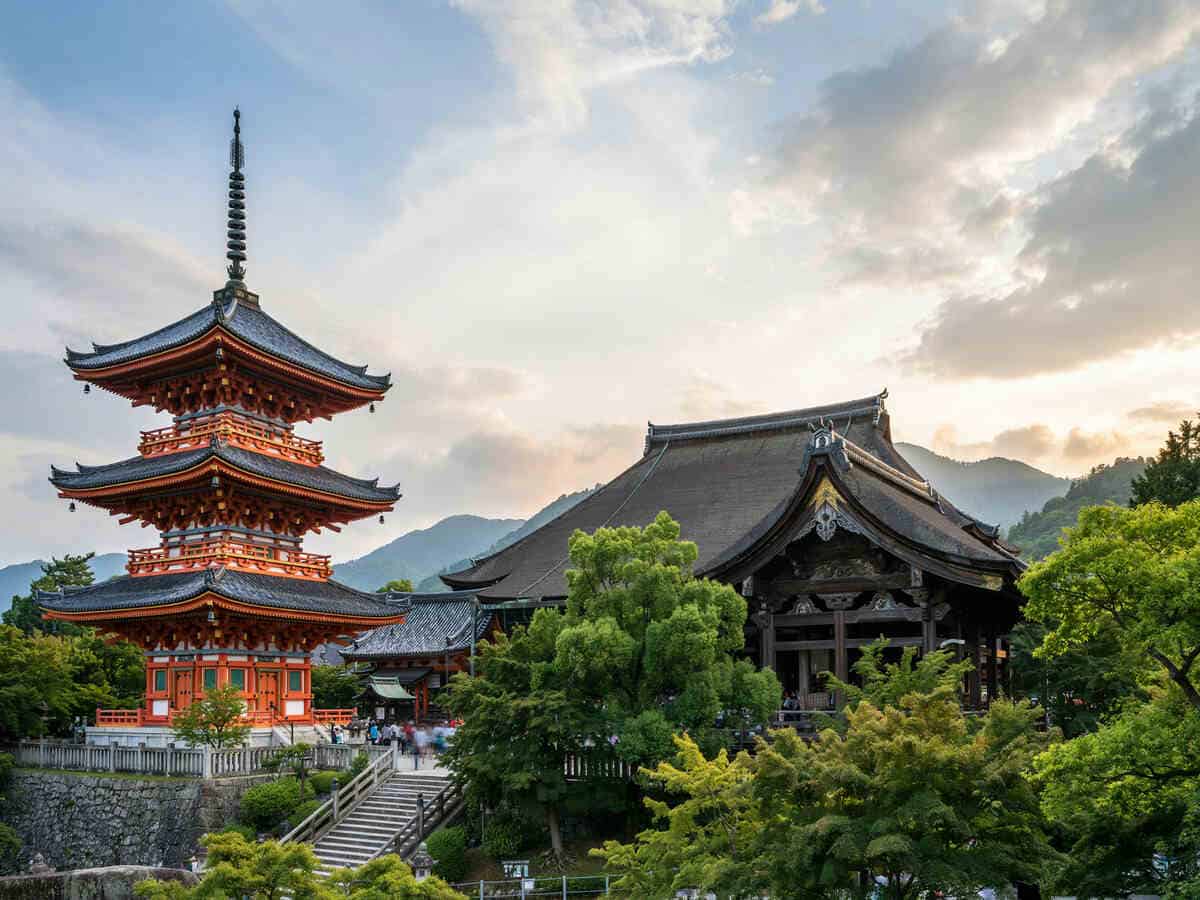
Image generated with Ai
The attractions for Generation Z visitors in Japan are the elements of anime, cherry blossom, gaming, food, and social media. Japan has become one of the world’s leading destinations for Generation Z travelers by combining together such attractions as anime, cherry blossom, gaming, food culture, and social media-famous places to create a whole new travel experience. This country is not focused on such sights as temples or traditional tourism any more but has started communicating with Generation Z through their interests and lifestyle.
From Tokyo’s neon streets and anime districts to Kyoto’s historic beauty and Mount Fuji’s viral landscapes, Japan has created a destination image where every journey feels like a story waiting to be shared. The country’s ability to blend ancient traditions with modern creativity has made it one of the most desirable destinations for young global travellers.
Advertisement
Advertisement
The rise of Gen Z interest comes as Japan experiences unprecedented international tourism demand. The country’s unique combination of cultural authenticity, entertainment and visual appeal has helped create a powerful tourism ecosystem where visitors do not simply explore Japan — they become part of its global cultural movement.
Anime Becomes Japan’s Biggest Gen Z Tourism Weapon As Fans Turn Fiction Into Real-Life Journeys
Japan’s anime and manga culture has become one of the strongest forces attracting Gen Z travellers from around the world.
Advertisement
Advertisement
For millions of young people, Japan is not just a holiday destination. It is the birthplace of characters, stories and fictional worlds that shaped their childhood and identity.
Advertisement
Advertisement
The country has successfully converted anime fandom into tourism through immersive experiences such as:
- Anime-themed cafés
- Character merchandise shopping
- Gaming centres
- Studio visits
- Real-life locations featured in popular series
- Manga and animation museums
Tokyo’s Akihabara district has become a global symbol of anime tourism, attracting visitors searching for gaming, collectibles, electronics and pop culture experiences. Areas such as Ikebukuro and Nakano have also developed strong identities among international fans.
Japan has also supported the growth of “anime pilgrimage tourism”, where fans visit real locations that inspired scenes in anime and manga. These journeys allow travellers to physically enter the worlds they discovered through screens.
Advertisement
Advertisement
This approach represents a major shift in tourism marketing. Instead of simply advertising attractions, Japan is selling emotional connections.
A Gen Z traveller is not only visiting Tokyo. They are walking through the streets they saw in anime, buying merchandise connected to their favourite characters and experiencing the culture behind the stories.
Advertisement
Advertisement
Anime’s global influence continues to expand through streaming platforms, online communities and social media, creating a direct bridge between Japanese creativity and international tourism demand.
Cherry Blossoms Create A Dreamlike Japan Image As Seasonal Travel Becomes A Gen Z Obsession
Few tourism images are as powerful as Japan’s cherry blossoms.
Every spring, millions of visitors travel to Japan to experience hanami, the traditional practice of viewing cherry blossoms. For Gen Z travellers, cherry blossom season has become one of the world’s most photographed travel experiences.
The attraction is not only the flowers themselves. It is the entire atmosphere:
- Pink blossom-covered streets
- Historic temples
- Traditional gardens
- Mount Fuji views
- Night-time illuminations
- Seasonal food experiences
Social media has transformed cherry blossom travel into a global phenomenon. Young travellers share photographs and videos of Japan’s spring landscapes, inspiring millions more people to add the country to their travel wish lists.
Advertisement
Advertisement
Locations such as Kyoto, Tokyo, Osaka and areas around Mount Fuji have become international dream destinations because of their visual beauty.
However, Japan’s popularity has also created challenges in some famous locations. Some communities have faced overcrowding as viral images attract huge numbers of visitors. Authorities have increasingly focused on managing visitor flows while protecting local communities and cultural sites.
Despite these challenges, cherry blossoms remain one of Japan’s strongest tourism symbols because they represent beauty, uniqueness and a once-a-year experience.
For Gen Z travellers, the attraction is powerful because the moment feels temporary, personal and highly shareable.
Tokyo Leads The Gen Z Travel Revolution With A Perfect Mix Of Future And Tradition
Tokyo’s global popularity represents everything younger travellers seek in a city.
Advertisement
Advertisement
The Japanese capital combines:
- Advanced technology
- Safe streets
- Fast transport
- Fashion districts
- Food experiences
- Entertainment
- Traditional neighbourhoods
Tokyo has become a city where Gen Z travellers can experience multiple identities in one trip.
They can explore ancient temples in Asakusa, experience youth fashion in Harajuku, visit gaming worlds in Akihabara, enjoy nightlife in Shinjuku and discover digital entertainment in Shibuya.
The city’s strength is its ability to offer constant discovery.
For younger travellers, Tokyo is not a destination that can be completed in one visit. Every neighbourhood offers a different experience, creating strong demand for repeat travel.
Advertisement
Advertisement
Tokyo’s recognition as a leading Gen Z city reflects its ability to provide both lifestyle appeal and unforgettable travel moments.
Social Media Turns Japan’s Hidden Corners Into Global Travel Hotspots
Japan has become a leading example of how social media can transform tourism.
Platforms such as TikTok, Instagram and YouTube have introduced millions of young travellers to destinations they may never have discovered through traditional tourism campaigns.
Viral locations now influence travel decisions, including:
- Scenic railway stations
- Traditional streets
- Small cafés
- Convenience stores
- Mountain villages
- Coastal landscapes
- Hidden neighbourhoods
The “perfect Japan” aesthetic has become a major online trend, where everyday moments such as train journeys, convenience store visits and quiet streets are presented as magical experiences.
Advertisement
Advertisement
This digital storytelling has helped Japan attract travellers who want authentic experiences rather than standard sightseeing.
Gen Z increasingly searches for places where they can create personal memories and share unique content. Japan’s combination of visual beauty and cultural depth makes it ideal for this style of travel.
Japan Uses Food, Fashion And Gaming To Build A Complete Gen Z Experience
Japan’s strategy goes beyond famous landmarks.
The country attracts younger visitors by creating experiences around everyday culture.
Japanese food has become a major tourism driver, with travellers exploring:
Advertisement
Advertisement
- Sushi restaurants
- Ramen shops
- Street markets
- Matcha cafés
- Convenience store products
- Regional specialities
For Gen Z, food is not just something to eat. It is an experience to discover, photograph and share.
Japanese fashion also plays an important role. Tokyo neighbourhoods such as Harajuku have influenced global youth trends through creative street fashion and alternative styles.
Gaming culture adds another powerful attraction. Japan’s connection with Nintendo, arcade gaming and digital entertainment creates another reason for young travellers to visit.
Together, food, fashion and gaming create a lifestyle destination rather than a traditional sightseeing destination.
Affordable Adventures And The Weak Yen Make Japan More Attractive For Young Travellers
Cost remains one of the biggest factors influencing Gen Z travel decisions.
Advertisement
Advertisement
Japan has become more attractive because international visitors can experience high-quality tourism without always needing luxury budgets.
Travellers can enjoy:
- Affordable local restaurants
- Efficient public transport
- Budget accommodation
- Free cultural attractions
- Low-cost shopping experiences
The weaker yen has also improved affordability for many international visitors, making Japan more competitive compared with other major destinations.
This has helped Japan appeal to younger travellers who want premium experiences while managing limited budgets.
Japan Expands Beyond Tokyo To Attract Experience-Hungry Gen Z Explorers
Japan is also encouraging visitors to explore beyond its famous cities.
Advertisement
Advertisement
While Tokyo, Kyoto and Osaka remain global favourites, younger travellers are increasingly searching for less crowded and more authentic destinations.
Japan’s regional attractions include:
- Hokkaido’s nature experiences
- Okinawa’s beaches
- Rural villages
- Traditional crafts
- Mountain adventures
- Local festivals
This supports a new generation of travellers who prefer meaningful experiences over simple sightseeing.
Gen Z wants stories they can tell, not just landmarks they can photograph.
Japan’s smaller towns and rural regions provide exactly that opportunity.
Advertisement
Advertisement
Why Japan Could Become The Ultimate Gen Z Tourism Powerhouse
Japan’s success comes from its ability to combine two worlds.
It offers:
- Ancient temples and futuristic technology.
- Traditional culture and digital entertainment.
- Cherry blossoms and gaming worlds.
- Local food and global trends.
The country has created a tourism model built around emotion, creativity and personal connection.
For Gen Z travellers, Japan represents more than a holiday destination. It represents imagination becoming reality.
Anime fans can visit the places behind their favourite stories. Food lovers can discover authentic flavours. Digital creators can capture unforgettable moments. Adventure seekers can explore hidden landscapes.
Advertisement
Advertisement
By transforming culture into experiences and experiences into global conversations, Japan is positioning itself as one of the world’s most powerful destinations for the next generation of travellers.
Japan is enticing more Gen Z visitors to come visit through mixing anime, cherry blossom season, video games, food culture and social media spots into their vacations.
Personalized, visual and experiential tourism is definitely the future – and Japan is well ahead of the curve.
Advertisement
