 Somudranil Sarkar Somudranil Sarkar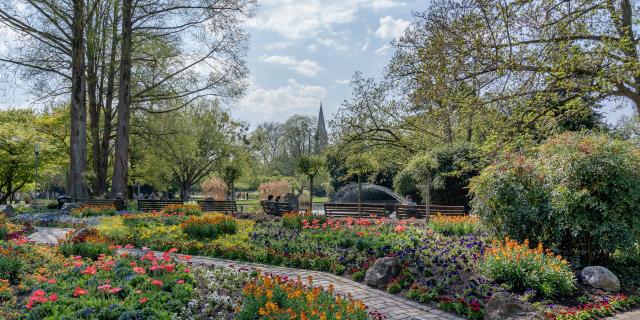
European tourism is changing with cities shifting focus from high-density transit to more eco-conscious mobility and biodiversity. Since then, rural and urban landscapes are being transformed to become ecological corridors. This green revolution is led by Freiburg in Germany, Alkmaar in the Netherlands, and Warsaw in Poland. They were the first of their kind to include flower fields, meadows, and greenways in their planning. They attract visitors to their urban planning. This type of sustainable planning enables travel along green urban corridors that integrate other forms of travel such as bicycle and foot paths along cultural heritage trails that support, protect, and enhance biodiversity across the most progressive green urban regions of Europe.
The European travel landscape is experiencing a fundamental transformation driven by ecological necessity, changing consumer demands, and stringent European Union climate directives. For decades, mass tourism concentrated millions of visitors into hyper-urban historic centres, placing unprecedented strain on municipal infrastructure, local ecosystems, and resident quality of life. Today, a new model of destination management is emerging. Municipalities across the continent are systematically redirecting foot traffic away from congested urban cores toward managed natural corridors, native flower fields, and restored botanical landscapes.
Advertisement
This strategic evolution is anchored in the principles of regenerative eco-tourism. Rather than merely mitigating environmental damage, progressive regional authorities are designing tourist experiences that actively improve local ecosystems. Central to this approach is the creation and expansion of sustainable travel botanical trails. These dedicated ecological corridors serve a dual purpose: they act as critical biological lifelines for native pollinators and urban wildlife, while providing visitors with immersive, educational, and low-impact recreational opportunities.
       EUROPEAN BOTANICAL TRAIL NETWORK INTEGRATION

 [ Freiburg, Germany ] ----> Black Forest Floral Corridors & Solar Mobility
 [ Alkmaar, Netherlands ] -> Biodiverse Bulb Fields & Electric Waterways
 [ Warsaw, Poland ] -------> Vistula Riverbank Rewilding & Urban Meadows
According to verified statistical frameworks published by the European Environment Agency (EEA) and UN Tourism, regional travel that incorporates verified green infrastructure has grown exponentially over the past three years. Key drivers behind this shift include:
Advertisement
Advertisement
In this context, Freiburg im Breisgau, Alkmaar, and Warsaw have emerged as primary benchmarks. Each municipality demonstrates how distinct geographic, historical, and architectural landscapes can be successfully adapted into world-class green corridors. By aligning municipal planning with nature conservation, these three cities offer a compelling blueprint for the global future of sustainable travel.
Nestled at the foot of the Black Forest in southwestern Germany, Freiburg im Breisgau has long been celebrated as one of the world’s premier green municipalities. With a urban planning policy framework rooted in environmental stewardship established during the 1970s, the city has continuously set international standards for sustainable architecture, renewable energy adoption, and urban ecology. In recent years, Freiburg has expanded its green mandate by converting its extensive surrounding mountain corridors and urban parks into an integrated network of sustainable travel botanical trails.
+-----------------------------------------------------------------------+
|                 FREIBURG MUNICIPAL ECO-SYSTEM MATRIX                 |
+-----------------------------------------------------------------------+
|  Total Municipal Area: 153 sq km   | Forest Cover: >43%               |
|  Cycling Network: >420 km          | Renewable Energy Standard: 100%  |
|  Protected Bio-Corridors: 160 km   | Zero-Emission Transit: Tram/Rail |
+-----------------------------------------------------------------------+
Freiburg’s journey toward becoming a global leader in ecological tourism is not accidental; it is the result of decades of rigorous municipal governance. Following the energy crises of the 1970s, the city council adopted a strict ecological mandate focused on climate protection, energy conservation, and biodiversity preservation. The creation of the famous Vauban and Rieselfeld districts demonstrated that dense, highly livable urban environments could exist in harmony with natural ecosystems.
Central to Freiburg’s success is its commitment to green spatial planning. Over 43 per cent of the city’s municipal area is covered by managed forests, while strict building regulations ensure that urban development does not encroach upon designated ecological buffers. The city’s blue-green infrastructure—comprising the Dreisam River ecosystem and the historic network of small water channels known as Bächle—provides natural cooling, rainwater management, and contiguous habitat corridors that weave directly through the urban core.
Building upon its urban forestry success, the Freiburg Municipal Forestry Office (Forstamt Freiburg), in partnership with the State Ministry of the Environment, Climate Protection and the Energy Sector Baden-Württemberg, has implemented an ambitious botanical corridor initiative. This framework links the low-lying Rhine Valley ecosystem with the sub-alpine habitats of the Schauinsland mountain peak, creating an uninterrupted 1,200-metre vertical elevation trail system dedicated to native botanical protection.
       FREIBURG VERTICAL BOTANICAL ELEVATION TRAIL

 [ Schauinsland Peak (1,284m) ] -> Sub-alpine Flora & Highland Heaths
               |
 [ Günterstal Forest ] ----------> Mixed Montane Woodlands & Fern Belts
               |
 [ Schlossberg Hill ] -----------> Dry Grasslands & Mediterranean Terraces
               |
 [ Dreisam River Valley ] -------> Riparian Meadows & Urban Pollinator Zones
These trails are meticulously managed to preserve rare and endangered flora, including rare orchids, alpine wildflowers, and endemic mountain grasses. Key elements of the municipal policy include:
The economic returns of Freiburg’s commitment to botanical conservation and sustainable transit are substantial. Official statistics published by the Baden-Württemberg Tourism Board (Tourismus Marketing GmbH Baden-Württemberg) highlight that eco-conscious travellers remain in the region significantly longer than traditional city-break tourists, contributing directly to the local green economy.
+-----------------------------------------------------------------------+
|            FREIBURG ECO-TOURISM IMPACT INDICATORS (OFFICIAL)         |
+-----------------------------------------------------------------------+
|  Indicator                         | Metric / Value                   |
+------------------------------------+----------------------------------+
|  Average Visitor Stay Duration     | 3.8 Days (vs 1.9 National Avg)  |
|  Local Rail & Tram Usage By Guests | 87% Total Arrivals               |
|  Direct Economic Return            | €410 Million Annually            |
|  Green Job Creation Index          | +14% Growth Over 5 Years         |
+------------------------------------+----------------------------------+
Furthermore, local agricultural cooperatives and organic wine growers along the Freiburg slope trails benefit directly from integrated eco-tourism. Hikers are guided through terraced organic vineyards and heritage orchards that maintain native wildflower strips between rows. This symbiotic relationship ensures that commercial land use directly supports municipal biodiversity objectives while offering visitors authentic regional produce.
While famous historically for its traditional cheese market, the municipality of Alkmaar in the Province of North Holland has established itself as a dynamic hub for sustainable agricultural tourism and ecological renewal. Situated at the gateway to the world-renowned Dutch bulb-growing regions, Alkmaar is leading a modern transformation: shifting from intensive industrial flower cultivation toward sustainable, biodiverse, and ecologically managed floral trails.
                      NORTH HOLLAND GREEN TRAIL NETWORK

       [ North Sea Coastal Dunes (Natura 2000 Protected Area) ]
                                  |
               [ Alkmaar Biodiverse Polder Buffer Zone ]
                                  |
       [ Sustainable Bulb Cultivation & Wildflower Corridors ]
For centuries, the landscape surrounding Alkmaar was dominated by high-yield tulip, daffodil, and hyacinth production. While visually striking, traditional industrial flower farming relied heavily on synthetic inputs, intense soil management, and high water usage, creating localized challenges for soil health and wild pollinator populations.
Under new directives issued by the Dutch Ministry of Agriculture, Nature and Food Quality (Ministerie van Landbouw, Visserij, Voedselzekerheid en Natuur), in conjunction with the Province of Noord-Holland, a comprehensive transition framework was initiated. Farmers surrounding Alkmaar are incentivised to dedicate significant border zones around commercial fields to native Dutch wildflowers, perennial grasses, and aquatic vegetation along polder canals.
+-----------------------------------------------------------------------+
|           TRADITIONAL VS SUSTAINABLE BULB FARMING COMPARISON          |
+-----------------------------------------------------------------------+
|  Feature                   | Traditional Method | Eco-Corridor Model  |
+----------------------------+--------------------+---------------------+
|  Field Margin Land Use     | Monoculture Crop   | Wildflower Strip    |
|  Chemical Fertilizer Use   | Baseline Standard  | Reduced by 60–80%   |
|  Pollinator Biodiversity   | Restricted         | High Multi-Species  |
|  Tourist Interaction       | Perimeter Viewing  | Guided Eco-Trails   |
+----------------------------+--------------------+---------------------+
This structural evolution has transformed the traditional viewing experience. Rather than merely admiring static fields from afar, visitors now navigate expansive sustainable travel botanical trails that meander through living ecological buffer zones. These trails allow tourists to witness the delicate balance between commercial horticulture and natural habitat preservation.
The success of Alkmaar’s floral transit model lies in its seamless integration with the world-class Dutch active mobility infrastructure. The province has expanded its network of regional cycling routes (Fietsroutenetwerk) to incorporate dedicated eco-botanical loops surrounding the city.
                          ALKMAAR SUSTAINABLE MOBILITY HUBS

    [ Central Station ] ----> [ Electric Boat Network ] ----> [ Polder Trails ]
            |                                                      |
            +--------------> [ Solar Bike Share Network ] ---------+
Key infrastructural achievements verified by municipal transport documents include:
The ecological dividends of this transition are empirically documented. Joint research monitoring projects conducted by Dutch environmental agencies and regional university consortiums demonstrate a dramatic recovery in local wild pollinator populations across North Holland’s green belts.
+-----------------------------------------------------------------------+
|             NORTH HOLLAND ECOLOGICAL RECOVERY METRICS                 |
+-----------------------------------------------------------------------+
|  Ecological Parameter             | Observed Change (5-Year Trend)    |
+-----------------------------------+-----------------------------------+
|  Wild Bee Species Diversity       | +32% Increase in Recorded Species |
|  Hoverfly Population Density      | +45% Increase along Buffer Strips |
|  Soil Organic Matter Retention   | +28% Improvement in Field Borders |
|  Avian Nesting Success (Polders)  | +19% Increase for Meadow Birds    |
+-----------------------------------+-----------------------------------+
By actively promoting these ecological findings, Alkmaar has successfully positioned itself as a premier destination for eco-conscious international travellers, proving that agricultural heritage can be modernized to serve both economic and environmental objectives.
Warsaw, the bustling capital of Poland, presents one of Europe’s most remarkable examples of urban ecological restoration. Historically defined by its dense post-war urban reconstruction, the city has undergone a dramatic environmental renaissance over the past decade. Guided by the Warsaw City Hall (Urząd m.st. Warszawy) and the Municipal Greenery Authority (Zarząd Zieleni Warszawskiej), the Polish capital has embraced large-scale rewilding, converting vast municipal corridors into blooming, biodiverse havens.
                     WARSAW URBAN GREEN REWILDING AXIS

    [ Kampinos National Park ] <=================> [ Vistula River Bank ]
                                (Natura 2000 Area)
                                        ||
    [ Wilanów Royal Gardens ] <==================> [ Royal Łazienki Park ]
The cornerstone of Warsaw’s green transformation is the Vistula River corridor. Unlike many major European capitals that channelled their primary waterways within concrete embankments, Warsaw has preserved the natural, wild right bank of the Vistula as a protected Natura 2000 ecological area. This natural riverbank stretches for miles through the heart of the metropolis, featuring natural riparian forests, sandy beaches, and dense botanical islands.
Parallel to the Vistula rewilding effort is Warsaw’s pioneering municipal meadow initiative (Łąki Miejskie). The city council systematically replaced traditional short-mown turf grass lawns across public parks, road verges, and residential courtyard complexes with native Polish wildflower meadows.
+-----------------------------------------------------------------------+
|             WARSAW MUNICIPAL MEADOW INITIATIVE STATS                  |
+-----------------------------------------------------------------------+
|  Total Urban Meadow Area          | Over 100 Hectares                 |
|  Mowing Frequency Reduction       | From 6-8 Times to 1-2 Times/Year  |
|  Water Retention Capacity         | +40% Compared to Standard Turf    |
|  Urban Heat Island Reduction      | -2.5°C Localized Surface Temp     |
+-----------------------------------+-----------------------------------+
These urban wildflower corridors form the backbone of Warsaw’s expanding network of sustainable travel botanical trails. Visitors can walk or cycle seamlessly from dense urban quarters into fully functioning natural habitats containing over 300 species of native vascular plants, grasses, and blooming perennials.
Warsaw’s rewilding strategy is backed by comprehensive national and municipal legislative frameworks. The Polish Ministry of Climate and Environment (Ministerstwo Klimatu i Środowiska), through its national urban climate adaptation plans, has identified green urban mobility and biological corridor conservation as critical priorities for national resilience.
                     WARSAW MUNICIPAL POLICY STRUCTURE

  [ Polish Ministry of Climate ] ---> National Climate Adaptation Plan
               |
  [ Warsaw City Hall ] -------------> Climate Policy 2030 & Green Vision
               |
  [ Municipal Greenery Authority ] --> Urban Botanical Corridors & Trail Net
Key policy pillars operating within the capital include:
Warsaw’s botanical trails are fully integrated into its highly efficient, low-carbon public transit ecosystem. The city’s extensive tram network, electric bus fleet, and expanding Metro system provide direct access to every major green corridor.
+-----------------------------------------------------------------------+
|             WARSAW INTEGRATED ECO-MOBILITY INFRASTRUCTURE             |
+-----------------------------------------------------------------------+
|  Mode of Transport               | Integration Level with Green Trails|
+----------------------------------+------------------------------------+
|  Veturilo Bike Share Network     | 300+ Stations, Trailhead Coverage  |
|  Municipal Electric Bus Lines   | 100% Zero-Emission on Vistula Line |
|  Light Rail / Tram Lines         | Direct Stop Access to All Parks    |
|  Pedestrian/Cycle River Bridge   | Dedicated Green Transit Connector  |
+----------------------------------+------------------------------------+
The opening of the new pedestrian and cycle bridge over the Vistula River represents a landmark infrastructure achievement. Connecting the historic Powiśle district directly with the wild Praga riverbank, this bridge allows residents and tourists to transition instantly from historic urban streetscapes directly onto immersive botanical pathways.
The remarkable achievements of Freiburg, Alkmaar, and Warsaw are not isolated events; they represent the direct implementation of broader European Union directives aimed at combating biodiversity loss and climate change. As nations work to meet international climate targets, urban and regional sustainable tourism serves as a critical operational field.
                       EU LEGISLATIVE DIRECTIVE CASCADE

     [ European Green Deal & EU Biodiversity Strategy for 2030 ]
                                   |
     [ National Environmental Policies (Germany, Netherlands, Poland) ]
                                   |
     [ Municipal Urban Plans: Freiburg, Alkmaar, Warsaw Green Trails ]
The policy foundation driving the development of sustainable travel botanical trails across EU Member States includes several key legislative instruments:
+-----------------------------------------------------------------------+
|               KEY EU DIRECTIVES GOVERNING GREEN TOURISM               |
+-----------------------------------------------------------------------+
|  Directive / Policy              | Targeted Outcome for Destinations  |
+----------------------------------+------------------------------------+
|  EU Biodiversity Strategy 2030   | Restore 25,000 km of Free Rivers  |
|  Nature Restoration Law          | Zero Net Loss of Urban Green Space |
|  Urban Mobility Framework        | Doubling of Active Travel Shares   |
|  Natura 2000 Network Expansion   | Continuous Cross-Border Corridors  |
+----------------------------------+------------------------------------+
While Freiburg, Alkmaar, and Warsaw operate within different geographic and socio-economic environments, their comparative strategies illustrate a shared commitment to sustainable urban transformation.
+-----------------------------------------------------------------------+
|             TRIPLE-CITY GREEN CORRIDOR COMPARATIVE MATRIX             |
+-----------------------------------------------------------------------+
|  Metric / Strategy      | Freiburg           | Alkmaar          | Warsaw           |
+-------------------------+--------------------+------------------+------------------+
|  Primary Habitat Focus  | Mountain/Forest    | Polder/Wetland   | River/Meadow     |
|  Key Mobility Mode      | Tram & Hiking      | Cycling & Boats  | Trams & Cycling  |
|  Primary Flora Type     | Sub-alpine/Wooded  | Bulb/Waterfront  | Wild Meadow      |
|  Governance Level       | Municipal/State    | Provincial/Nat.  | Municipal/Capital|
|  Eco-Tourism Model      | Mountain Wellness  | Agritourism Loop | Urban Rewilding  |
+-------------------------+--------------------+------------------+------------------+
This multi-faceted approach demonstrates that sustainable floral trails can be customized to suit any geographic environment—from Black Forest foothills and Dutch agricultural polders to major Central European capitals.
As global climate change continues to alter weather patterns, increase urban heat risks, and accelerate habitat loss, the integration of ecological conservation into destination management will become imperative. The models pioneered by Freiburg, Alkmaar, and Warsaw offer valuable, scalable lessons for urban planners, municipal authorities, and tourism boards worldwide.
                       FUTURE SCALABILITY FRAMEWORK

   [ Ecological Data Collection ] -> Sensor Nets & Satellite Mapping
               |
   [ Dynamic Visitor Routing ] ----> Smart Apps & Real-Time Capacity Control
               |
   [ Community Co-Ownership ] -----> Farmers, Local Businesses & Citizens
Looking ahead toward 2030, several technological and methodological innovations are set to further enhance the sustainability and appeal of European floral travel corridors:
+-----------------------------------------------------------------------+
|               2026–2030 TARGET METRICS FOR EUROPEAN TRAILS             |
+-----------------------------------------------------------------------+
|  Target Area                       | Strategic Goal by 2030           |
+------------------------------------+----------------------------------+
|  Carbon Offsetting per Visitor     | Net-Zero Total Trip Impact       |
|  Native Flora Coverage in Cities   | Minimum 35% Total Land Area      |
|  Electric Mobility Connectivity    | 100% Transit at Trailheads       |
|  Micro-Business Revenue Share      | >60% Direct Local Retention      |
+------------------------------------+----------------------------------+
By prioritizing long-term environmental health over short-term tourist volume, Freiburg, Alkmaar, and Warsaw have redefined what it means to be a premier travel destination. Their green corridors demonstrate that when cities invest in nature, they create healthier urban environments for residents and deeply meaningful, low-impact experiences for global travellers.
Advertisement
Tags: Airline News, Alkmaar Flower Fields, botanical trails, eco tourism Europe, Freiburg green city
Advertisement
Advertisement












Monday, September 7, 2026
Monday, September 7, 2026
Monday, September 7, 2026
Monday, September 7, 2026
Monday, September 7, 2026
Monday, September 7, 2026
Monday, September 7, 2026