

Georgia Turns Towards Sustainable Mountain Tourism as Svaneti and Kazbegi Gain Big Attention

Published
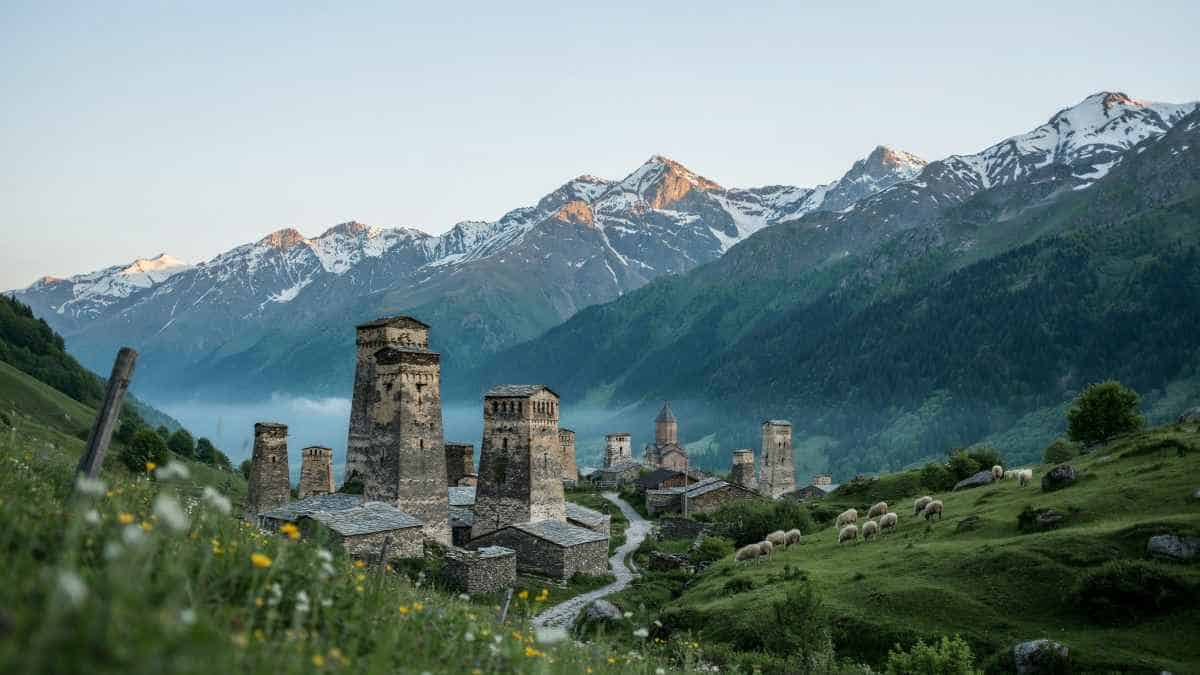
Georgia is seeking destinations other than the capital city to strengthen the contribution of mountain villages in its tourism economy through Svaneti and Kazbegi, where activities like trekking, rural accommodation, and tourism that have their root in such villages may be developed. This strategy comes in line with efforts for spreading the expenditure of visitors away from urban centres while protecting the natural and cultural features that distinguish the Caucasus region. The focus of the strategy comes amid continued growth of international tourism. There were 7.8 million visits by international tourists in Georgia in 2025, 5.52 million of which were international tourist visits in the year, both setting records. For the Georgian National Tourism Administration, the question is how this growing demand will benefit local economies and sustain the appeal of the country across various seasons. However, there were no verifications of the launch of an initiative after the change in diplomatic relations at international tourism gatherings on 12 October 2026.
Svaneti and Kazbegi move into sharper focus
Svaneti, in north-western Georgia, remains one of the country’s most distinctive mountain destinations. Its medieval defensive towers, traditional villages and access to high-altitude trails attract travellers seeking experiences beyond conventional city sightseeing. Mestia provides a principal base for exploring the region, while Ushguli is recognised for its historic architecture and dramatic mountain setting.
Kazbegi, in the country’s north-east, offers a different but equally compelling proposition. Centred on Stepantsminda and overlooked by Mount Kazbek, the area draws visitors for trekking, mountain scenery and access to Gergeti Trinity Church. Its proximity to the Georgian Military Highway also makes it a popular excursion from Tbilisi.
Both destinations benefit from international recognition, but their popularity brings challenges. Concentrated seasonal traffic can place pressure on roads, waste-management systems, water resources and sensitive landscapes. The expansion of accommodation and outdoor activities also raises questions about how local communities participate in tourism development.
Advertisement
Advertisement
A stronger rural tourism model would seek to retain more visitor spending within these regions, supporting family-run guesthouses, local guides, food producers and small hospitality businesses.
A broader development strategy for mountain communities
Georgia’s approach to mountain tourism is connected to a longer-running national priority: improving economic opportunities in high-altitude settlements.
Advertisement
Advertisement
The country’s Law on the Development of High Mountainous Regions, adopted in 2015, established a policy foundation for supporting communities facing geographical isolation, limited employment opportunities and population decline. Subsequent development programmes have included support for local entrepreneurship, infrastructure, renewable energy, waste management and environmental tourism.
These priorities are particularly relevant to Svaneti and Kazbegi, where tourism can create income beyond traditional agriculture and seasonal employment. Rural accommodation, guided walking routes, regional food experiences and cultural activities can help diversify livelihoods while encouraging younger residents to remain in their communities.
Agritourism also offers potential. Visitors increasingly seek opportunities to experience local food production, traditional farming practices and regional hospitality. When organised through local businesses, these activities can create additional income for households without requiring the scale of investment associated with large resort developments.
However, sustainable growth depends on ensuring that new tourism facilities respect local architecture, land-use conditions and environmental limits.
International cooperation adds momentum
Georgia’s international tourism relationships provide another dimension to its development ambitions. In September 2026, the country hosted an official visit by the newly elected Secretary-General of UN Tourism, Shaikha Al Nuwais. Discussions included Georgia’s tourism potential, investment opportunities and the international positioning of its tourism products.
The visit also brought confirmation that Georgia is expected to host a UN Tourism innovation forum in Kutaisi in 2027. This offers an additional platform for the country to promote its tourism sector and engage with international industry stakeholders.
Advertisement
Advertisement
Such cooperation is relevant to mountain destinations because sustainable tourism requires more than promotional activity. Investment in transport, visitor information, environmental management and local business capabilities can determine whether rising demand translates into lasting regional benefits.
The challenge of protecting the Caucasus
As for Svaneti and Kazbegi, the further development of tourism in the two regions will demand careful regulation of the numbers of tourists and infrastructure construction. Mountain landscapes are especially sensitive to improper planning of infrastructure construction, waste accumulation, and heavy usage of the tourist routes. The principles of regeneration can not only help reduce the ecological footprint of tourism but also motivate businesses to help preserve the landscape, purchase local goods, and participate in destination development. However, there is currently no validated information about the implementation of any new program which mandates commercial tours to sponsor environmental projects in order to be allowed to do business in such mountainous regions. Nonetheless, community-led protection and sustainable operations present real ways to achieve this. The challenge for Georgia is how it can turn its mountainous regions into something more than just another stop in Tbilisi. The country can develop a tourism economy where local communities have more say in its success through the development of the hospitality industry in these regions, the creation of experiences throughout the year and the preservation of the landscape that attracts tourists. In the Caucasus, the success of tourism will be measured not by the number of travellers who get to the mountainous regions but by the value that their visits bring there.
Advertisement
