
Tanzania’s Ngorongoro Tourism Award Puts Safari Spending, Local Benefits and Crowding in Focus

Published
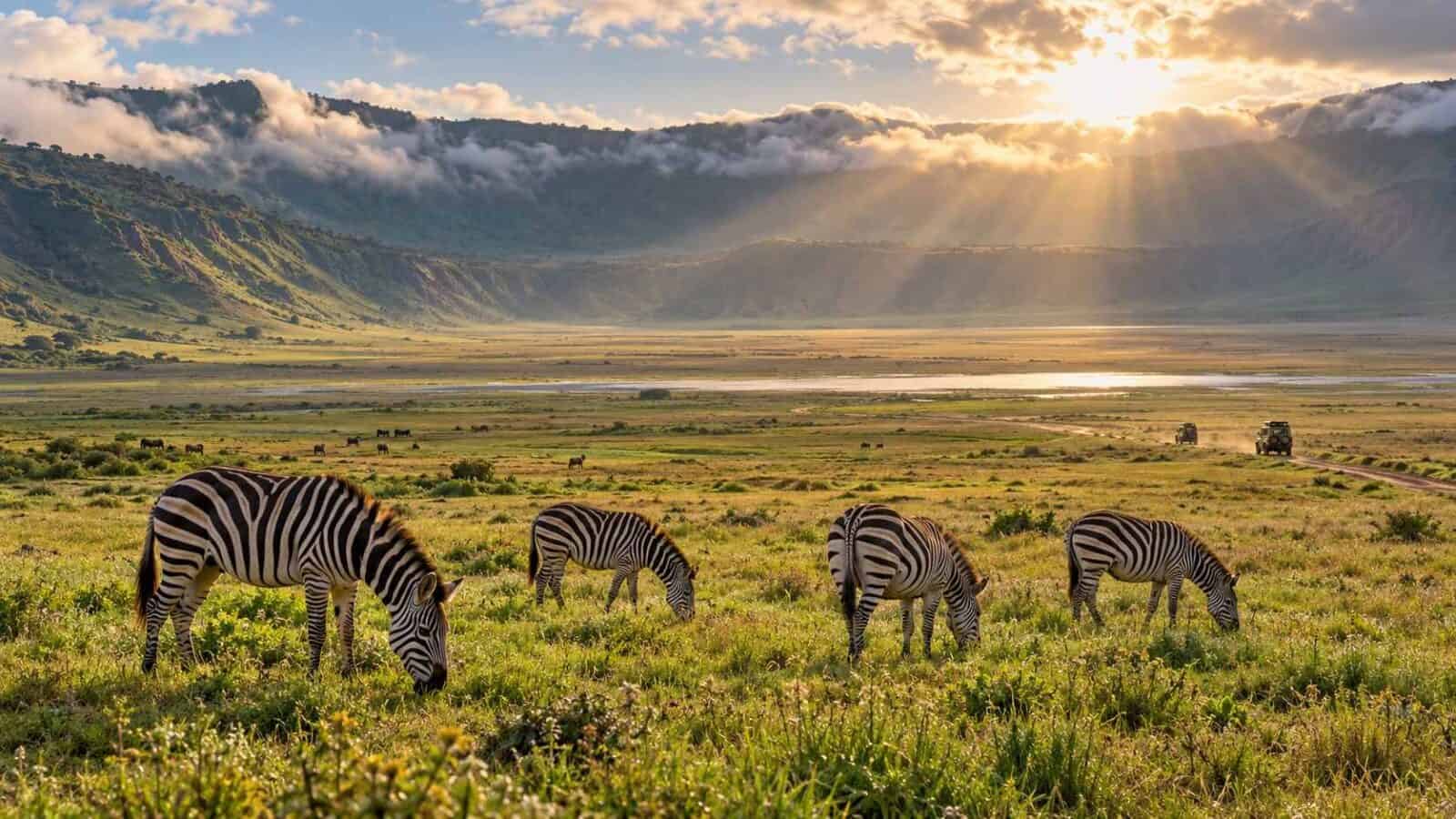
Tanzania’s Ngorongoro tourism faces a defining challenge: turning safari spending into lasting local benefits while protecting the wildlife experience visitors pay to enjoy. Official figures published in July 2026 show national tourism earnings outpaced arrival growth in 2025, strengthening the case for measuring value alongside volume. Meanwhile, UNESCO’s latest conservation decision calls for effective community consultation before major management changes. For the Ngorongoro Conservation Area Authority, tourism businesses and international travellers, these developments bring practical questions into focus. Where does safari money go, who benefits, and how can a celebrated landscape welcome visitors without placing greater pressure on its environment?
Ngorongoro tourism needs a clearer measure of success
Ngorongoro’s appeal rests on more than wildlife sightings. Established in 1959 as a multiple land-use area, it brings conservation, archaeological heritage and Maasai pastoral livelihoods into the same landscape.
Advertisement
Advertisement
UNESCO inscribed its natural heritage in 1979 and added cultural recognition in 2010. Its management responsibilities therefore extend beyond maintaining an attractive safari destination. whc.unesco.org
The central business question is how tourism can support those responsibilities. A successful booking should deliver a worthwhile visitor experience while contributing to the destination’s long-term care.
Advertisement
Advertisement
That requires looking beyond headline receipts. Local purchasing, employment conditions, community participation and environmental pressure all help explain whether tourism growth creates durable value.
Tanzania’s earnings show why spending matters
The National Bureau of Statistics’ 2025 International Visitors’ Exit Survey, published in July 2026, records stronger national earnings alongside rising arrivals.
Advertisement
Advertisement
| National indicator | 2024 | 2025 |
|---|---|---|
| International tourist arrivals | 2,141,895 | 2,294,495 |
| International tourism earnings | US$3,903.1 million | US$4,410.6 million |
| Average expenditure per person per night | US$243 | US$289 |
Arrivals increased by 7.1%, while earnings rose by 13%. These are United Republic of Tanzania figures, not Ngorongoro’s gate receipts or community income. nbs.go.tz
The distinction matters. National growth cannot establish how much money reaches a particular village, guide or conservation programme.
For Ngorongoro, the useful next measure is the connection between visitor expenditure and local outcomes. Higher spending creates an opportunity; transparent distribution determines its wider value.
Follow the booking money
A safari quotation combines services that travellers may struggle to separate. Accommodation, transport, guiding and conservation charges should be clearly explained before payment.
Visitors can ask operators which services they provide directly and which they purchase elsewhere. They can also request specific examples of local recruitment and supplier relationships.
These questions do not require travellers to audit a business. They encourage operators to explain what their community commitments mean in practice.
Advertisement
Advertisement
For businesses, credible answers should identify activities and beneficiaries. A general promise to “support local people” offers less useful information than a documented purchasing or employment arrangement.
Community benefits include a voice in decisions
Maasai livelihoods cannot be assessed through tourism revenue alone. Participation in decisions affecting land use and daily life is also central.
In its 2026 decision on Ngorongoro, the World Heritage Committee noted reported presidential commission findings favouring voluntary relocation as a principal response to management pressures.
The committee said a departure from the multiple land-use approach would represent a major management change. It called for full and effective consultation, including with people opposing relocation, and prior review through the World Heritage process. 48 COM 7B.67
Tourism businesses should treat this as an ongoing governance issue. Cultural experiences need respectful partnerships, rather than assumptions that residents automatically benefit from visitors’ presence.
Crowding affects the product travellers buy
Visitor management is an economic concern as well as an environmental one. Wildlife viewing depends on the condition of the landscape and the quality of encounters within it.
Advertisement
Advertisement
UNESCO identifies traffic, waste, infrastructure and wildlife disturbance among Ngorongoro’s tourism pressures. Its management guidance calls for clear vehicle-access limits in popular areas and prioritises experience quality over visitor quantity. whc.unesco.org
This does not establish a new restriction or a current daily vehicle ceiling. Those details require a verified operational notice.
Operators should nevertheless explain how they manage viewing behaviour, route choices and time around wildlife. A crowded sighting should never become an excuse to pressure guides into approaching animals irresponsibly.
Better infrastructure must serve the destination
The official 2025 survey records visitor feedback calling for continued investment in roads, airports and tourism facilities. It also identifies Ngorongoro among Tanzania’s leading attractions. nbs.go.tz
For hotels and operators, the practical priority is reliable coordination between arrival, transfer and activity schedules. Travellers should request realistic journey plans and sufficient connection time.
Additional airport capacity cannot, by itself, resolve pressure at a wildlife sighting. Access planning and site management need to work together.
Advertisement
Advertisement
No award-linked airline service, airport expansion or visa change was verified for this article. Such developments should be reported only against a specific official announcement.
What travellers should ask before booking
A more transparent safari begins with a few direct questions:
- Which conservation and activity charges are included?
- Who employs the guide and operates the vehicle?
- How does the business substantiate local benefits?
- What happens if an activity becomes unavailable?
- How are wildlife-viewing rules explained and enforced?
The answers make quotations easier to compare. They also help travellers distinguish a carefully planned itinerary from attractive but vague marketing.
Frequently asked questions
Do Tanzania’s tourism earnings show how much Ngorongoro communities receive?
No. National receipts measure a different economic total. Community allocations and local earnings require separate, clearly identified evidence.
Does conservation recognition guarantee a quiet safari?
Advertisement
Advertisement
No. Recognition does not establish visitor numbers on a particular day. Ask your operator how it plans activities and manages busy sightings.
How can visitors support local livelihoods responsibly?
Choose businesses that explain local employment, purchasing and community partnerships. Ask permission before photographing residents and agree charges before participating in cultural activities.
Protecting value for visitors and residents
Ngorongoro’s tourism future depends on the relationship between visitor spending, community participation and environmental care. Tanzania’s rising earnings provide useful national context, but they cannot substitute for transparent local accounts or effective management of popular wildlife areas. Travellers can contribute by choosing operators that explain their charges, substantiate community commitments and respect viewing rules. Businesses can strengthen confidence through clear purchasing practices and realistic itineraries. Authorities face the broader responsibility of protecting heritage while ensuring residents have a meaningful voice. The lasting measure of success is a destination that remains rewarding to visit and supports the people who live there.
Official Sources
- National Bureau of Statistics, Tanzania: 2025 International Visitors’ Exit Survey Report
- UNESCO World Heritage Centre: Ngorongoro Conservation Area
- UNESCO World Heritage Committee: Decision 48 COM 7B.67, 2026
Advertisement
