
USA and Australia Ignite BBQ Tourism Frenzy as Lexington Festival 2026 Draws Huge Crowds to North Carolina

Published
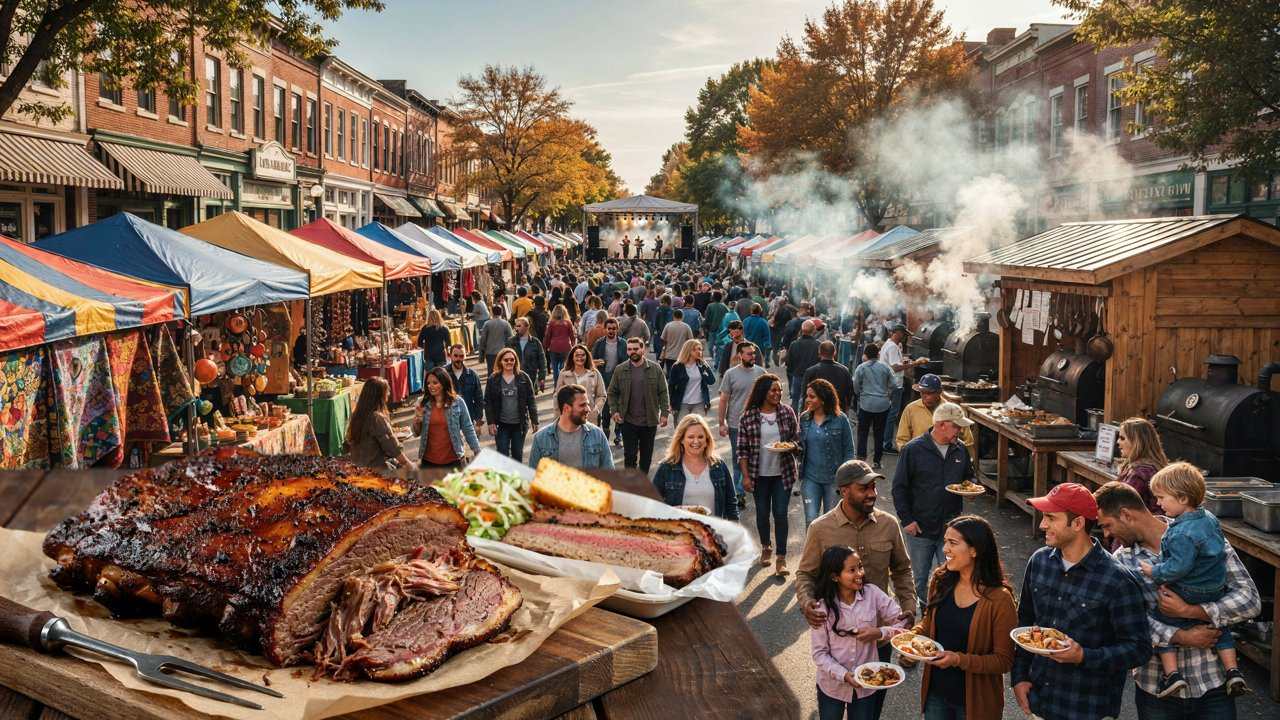
USA and Australia Ignite BBQ Tourism Frenzy as Lexington Festival 2026 Draws Huge Crowds to North Carolina.The 42nd Annual Lexington Barbecue Festival, scheduled for 24 October 2026 in Lexington, North Carolina, USA, is expected to attract thousands of food enthusiasts, domestic travellers and international visitors to one of America’s most celebrated barbecue destinations. Established in 1984, the festival showcases traditional Lexington-style pork barbecue alongside live entertainment, artisan markets and regional cultural experiences. Organisers anticipate substantial visitor spending across Davidson County, benefiting hotels, restaurants, retailers and local producers.
The supplied estimates suggest potential attendance of 175,000–190,000 visitors and a regional economic contribution of $10 million–$12 million, although these projections require independent verification. Beyond the United States, comparable barbecue celebrations in Australia, Brazil, Argentina, Canada and the United Kingdom highlight the growing international appeal of culinary tourism.
With its distinctive food heritage and strong regional identity, Lexington demonstrates how a single-day gastronomic festival can support local businesses, preserve culinary traditions and strengthen North Carolina’s position as a leading American food tourism destination.
Where Does This Event Happen and Who Is Participating?
The festival takes place directly across an eight-block pedestrian footprint along Main Street in Uptown Lexington, North Carolina, spanning from Third Avenue to Ninth Avenue:
Advertisement
Advertisement
- Piedmont Master Pitmasters & Heritage Barbecue Tents: The culinary centerpiece features multiple massive municipal barbecue sales tents, staffed by certified pitmasters who smoke and prepare over 10,000 to 14,000 pounds of Lexington-style pork shoulder overnight. Participating legendary pits include regional staples like Lexington Barbecue (Honeymonk), Speedy’s, Smokey Joe’s, and Bar-B-Q Center.
- Artisans & Guild Exhibitors: Over 250 juried arts and crafts vendors line the uptown streetscape, selling handcrafted woodcrafts, pottery, culinary seasoning rubs, custom ironwork, and seasonal gifts.
- Multi-Stage Live Entertainment: Six outdoor performance stages operate concurrently across the downtown grid, presenting regional bluegrass, southern rock, country, and beach music bands.
- Agritourism & Regional Producers: The Cork & Craft Hospitality Garden showcases regional North Carolina farm wineries, craft breweries, and distilleries, including Childress Vineyards, Bull City Ciderworks, and Curran Alexander Vineyards.
- Family Attractions & Civic Showcases: Highlights include the Uptown Lexington Painted Pig Hunt, lumberjack sports exhibitions, the Hog Dog dog-agility shows, antique automotive displays, and carnival midways organized with local youth civic clubs.
What Do Five-Year Attendance Trajectories Reveal?
Audited municipal crowd telemetry, regional transit records from the North Carolina Department of Transportation (NCDOT), and municipal filings from the City of Lexington (LexingtonNC.gov) illustrate robust post-pandemic demand for single-day civic food tourism:
| Year | Edition | Estimated Turnstile / Street Attendance | Barbecue Smoked (Lbs.) | Audited Dynamics & Policy Catalysts |
| 2021 | 37th | ~135,000 | ~9,500 | First physical festival staging post-2020 postponement; modified layout. |
| 2022 | 38th | ~160,000 | ~11,200 | Full-scale civic return; record intercity rail ridership via NC By Train. |
| 2023 | 39th | ~175,000 | ~12,500 | Crisp autumn weather; single-day visitor volume surged across six entertainment stages. |
| 2024 | 40th | ~185,000 | ~13,500 | 40th anniversary milestone staging; peak craft vendor registrations. |
| 2025 | 41st | ~180,000+ | ~13,000 | Heavy multi-state drive market turnout; expanded Cork & Craft beverage zone. |
| 2026 | 42nd (Current) | ~175,000–190,000 (Paced) | ~13,500+ | Pacing at high capacity; multi-stage activations on Saturday, Oct. 24. |
Which Other Countries Have This Same Event?
While the proprietary Lexington Barbecue Festival brand and its specific Lexington-style pork heritage are unique to North Carolina, sovereign nations worldwide stage structurally parallel open-air meat, flame-cooking, and barbecue festivals:
Advertisement
Advertisement
- Australia (Meatstock, Sydney & Melbourne): Known as the premier barbecue and music festival in the Southern Hemisphere, uniting hundreds of competitive teams in low-and-slow smoking alongside live music stages and trade midways.
- Brazil (Churrascada, São Paulo): A massive open-air meat festival celebrating gaucho and churrasco culinary traditions, featuring pitmasters smoking whole carcasses over open flames.
- United Kingdom (Smoke & Fire Festival, Maldon & Ascot): Britain’s largest open-fire food festival, hosting sanctioned barbecue competitions, live acoustic blues, and artisan food markets.
- Argentina (Fiesta Nacional del Asado, Cholila, Patagonia): A world-renowned open-fire meat gathering where dozens of traditional iron-cross asadores roast tons of beef and lamb over local hardwoods.
- Canada (Canada’s Largest Ribfest, Burlington, Ontario): A massive multiday autumn park gathering where competitive traveling pitmaster rigs serve tens of thousands of visitors.
Which Region of Travelers Comes to This Event Most?
Mobility data compiled by regional tourism boards and transportation filings monitored by the Economic Development Partnership of North Carolina (EDPNC.com) identify three distinct inbound visitor pipelines:
- Piedmont Triad & Charlotte Urban Core (Over 65% of Gate Volume): Commuters arrive along the Interstate 85, I-85 Business, and US-52 corridors. High-density day-tripper traffic originates from Charlotte, Winston-Salem, Greensboro, and High Point.
- Southeastern Interstate Feeder Corridors (Roughly 23% of Footfall): Travelers commute 2 to 5 hours from Virginia, South Carolina, Tennessee, and the Research Triangle (Raleigh, Durham, Chapel Hill), filling surrounding motels and bed-and-breakfasts.
- National Culinary Road-Trippers & International Visitors (~12% of Footfall): Dedicated food enthusiasts, culinary journalists, and international heritage travelers arriving via Charlotte Douglas International Airport (CLT) and Piedmont Triad International Airport (PTI).
To alleviate municipal vehicular gridlock, the state-supported NC By Train service operates a dedicated, temporary passenger train stop in Uptown Lexington along Amtrak’s Piedmont and Carolinian lines, shuttling thousands of rail passengers directly to the festival footprint.
Advertisement
Advertisement
Which Country Benefits Most and How Are Tourism and the Economy Impacted?
The United States—and specifically the State of North Carolina, Davidson County, and the City of Lexington—serves as the primary economic and fiscal beneficiary.
┌────────────────────────────────────────────────────────────────────────┐
│               LEXINGTON REGIONAL MUNICIPAL ECONOMIC FOOTPRINT          │
├───────────────────────────────────┬────────────────────────────────────┤
│       DIRECT HOSPITALITY          │       CIVIC & COMMERCIAL RETAIL    │
├───────────────────────────────────┼────────────────────────────────────┤
│ • $10M–$12M estimated direct and  │ • Small-business circulation: peak │
│   indirect regional expenditure.  │   retail receipts for uptown shops.│
│                                   │                                    │
│ • Regional hotel room compression:│ • Clean tax base: generates local  │
│   88%–94% occupancy across        │   sales and occupancy taxes without│
│   Lexington, Thomasville, & Holly.│   incurring municipal bond debt.   │
└───────────────────────────────────┴────────────────────────────────────┘
- Direct Economic Multiplier: According to economic assessments from regional university business centers and destination baselines published by the State of North Carolina (NC.gov), the single-day festival injects $10 million to $12 million into the local economy. Visitor spending supports regional restaurants, service stations, food suppliers, and retail merchants.
- Hospitality Compression: Hotels, motels, and vacation rentals throughout Lexington, Thomasville, Salisbury, and southern Winston-Salem record weekend occupancy rates between 88% and 94%, generating substantial local occupancy tax revenues for county tourism funds.
- Civic and Agribusiness Retention: Barbecue meat procurement directly supports North Carolina swine farms and regional hardwood lumber suppliers. Furthermore, civic concession booths allow regional non-profit organizations and youth sports leagues to raise substantial portions of their annual operational funds during a single weekend.
Lexington’s Barbecue Heritage Strengthens North Carolina’s Position in Global Food Tourism
The Lexington Barbecue Festival 2026 represents more than a celebration of smoked pork and Southern hospitality. It illustrates how traditional food culture can become a powerful driver of tourism, community engagement and regional economic development. By attracting visitors from across North Carolina and neighbouring states, the festival creates opportunities for accommodation providers, restaurants, independent retailers, agricultural suppliers and local artisans. Its international parallels, from Brazil’s churrasco celebrations to Australia’s barbecue festivals, further demonstrate the commercial and cultural importance of food-focused travel experiences.
For travellers, Lexington offers an opportunity to experience authentic North Carolina barbecue traditions while exploring the heritage and hospitality of the American Piedmont. For the regional tourism industry, the event reinforces the value of preserving local culinary identities and transforming them into distinctive visitor experiences.
As culinary tourism continues to evolve, Lexington’s longstanding festival provides an example of how heritage, community participation and destination marketing can work together to support sustainable regional tourism growth.
Advertisement
