

Image generated with Ai
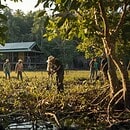
The geographical landscape of India has reached a new ecological milestone. Glaw Lake, located in Arunachal Pradesh, has been officially named the country’s 101st Ramsar Site. This freshwater body is tucked away deep within the Kamlang Tiger Reserve. It stands as a vital biodiversity hotspot in the Eastern Himalayas.
Fed by mountain streams, the lake supports incredible life. Over 150 tree species and 49 rare orchid species thrive in this catchment area. Union environment minister Bhupender Yadav announced this achievement recently. India’s total tally of protected wetlands has grown from 26 sites in 2014 to 101 today. This designation ensures better global scrutiny and conservation for the region. It aims to protect vital habitats while maintaining a natural balance.
Planning a journey to this remote Himalayan destination requires careful preparation. The terrain is rugged, and the regulatory requirements are strict. To ensure a smooth expedition, travelers should take note of the following logistical steps:
For adventure seekers and nature lovers, this new status offers structured paths. One can explore one of India’s most remote environments responsibly. Travelers will encounter new conservation protocols upon arrival. These rules are designed to protect the region’s delicate flora and fauna.
Advertisement
Advertisement
Commercialized entertainment is intentionally avoided here. Tourists must obtain an Inner Line Permit (ILP) before visiting. Local guidelines from the forestry and wildlife departments must be followed. The tourism paradigm has shifted toward responsible exploration. Sightseeing is now secondary to environmental preservation.
The hospitality sector in Northeast India is expected to transform. International recognition of this wetland will drive new changes. Travel agencies and local homestay operators are adapting their services. These businesses are now focusing on sustainable tourism and community-led models.
Experts suggest that remote sites like this attract a niche group. These ecotourists often seek authentic, low-impact experiences. Consequently, investments are flowing into eco-friendly accommodations. Local guides are also undergoing specialized training programs. Regional authorities are collaborating with travel syndicates to promote regulated tours. These efforts ensure economic benefits reach local indigenous communities. The local population is now a key stakeholder in landscape preservation.
Historical approaches to nature protection were often exclusionary. Many zones were cordoned off with little public engagement. Often, these areas were managed only through isolated forestry interventions. Previous frameworks treated tourism and preservation as enemies. This often led to unregulated footfall or administrative neglect.
Advertisement
Advertisement
Today, the policy framework is different. It leverages international recognition to foster managed eco-tourism. The Ramsar convention acts as a catalyst for this change. This modern approach balances stringent ecological protection with local participation. It ensures environmental integrity remains intact. At the same time, it integrates remote regions into the sustainable economy.
Advertisement
Advertisement
Advertisement













Friday, September 4, 2026

Friday, September 4, 2026

Friday, September 4, 2026
Friday, September 4, 2026

Thursday, September 3, 2026

Wednesday, September 2, 2026

Friday, September 4, 2026

Friday, September 4, 2026


