
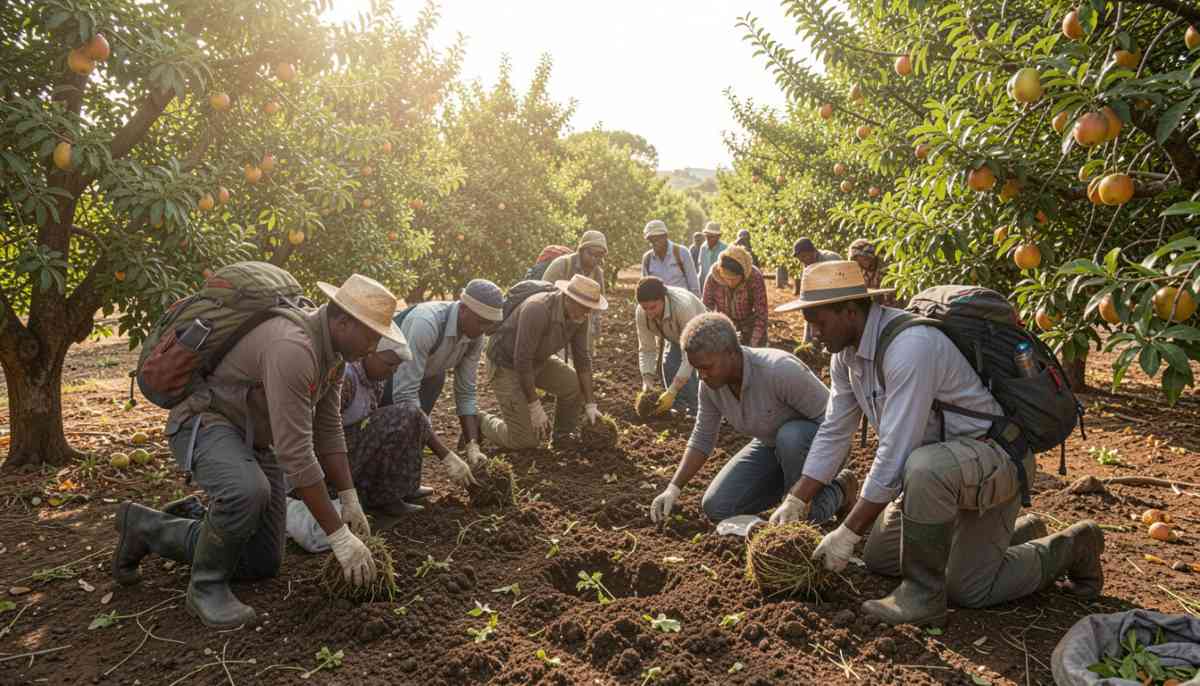
Image generated with Ai
As regenerative tourism emerges as a powerful driver of sustainable development, the Western Cape’s Bergrivier region is being repositioned at the forefront of agricultural and economic innovation. For modern travelers seeking deeper, more impactful connections with their destinations, understanding this shift is no longer optional—it is essential. Traditional travel models are rapidly being replaced by ecosystem-focused frameworks where visitors actively contribute to the restoration of local farmlands, soil health, and rural biodiversity. By examining how agricultural tourism intersects with ecological preservation, modern explorers are given a rare opportunity to witness how rural communities are future-proofing their livelihoods. Read on to discover how these transformative practices are reshaping South African agriculture and why this evolution demands immediate attention from conscious global travelers.
Regenerative tourism is defined as a holistic travel approach that leaves a destination better than it was found. Unlike conventional ecotourism, which focuses primarily on minimizing ecological footprints, regenerative frameworks actively restore and revitalize local environments, economies, and social structures. Within agricultural sectors like the Bergrivier, this practice involves integrating visitor activities with soil restoration projects, water conservation initiatives, and indigenous flora preservation. According to reports by the Western Cape Government and regional agricultural associations, visitor-funded conservation projects help offset carbon footprints while directly injecting vital capital back into farming cooperatives. These initiatives ensure that every tourist dollar spent contributes directly to long-term soil vitality and watershed protection.
Advertisement
Furthermore, regenerative tourism shifts the power dynamic of travel from consumption to collaboration. Visitors are no longer treated as mere consumers of scenic views or local commodities; instead, they are integrated into the ecological fabric of the destination. Educational workshops, participatory conservation weekends, and community-led agricultural tours are established to teach tourists about indigenous botany and sustainable land management. This hands-on involvement fosters a deep sense of shared responsibility, ensuring that the ecological lessons learned on the farm are carried back to the traveller’s home country.
The integration of tourism into traditional farming operations provides diversified revenue streams that protect local growers against climate volatility and market fluctuations. Historically, regional farms relied exclusively on crop yields and seasonal harvests, leaving them vulnerable to droughts and economic shifts. Through guided farm-to-table culinary tours, permaculture workshops, and heritage olive and citrus grove experiences, farms are now able to monetize their sustainable practices. Data from Wesgro highlights that agritourism expansion significantly boosts rural employment rates and supports small-scale enterprises by creating ancillary markets for artisan goods, hospitality services, and localized transport.
Advertisement
Advertisement
In addition to financial diversification, visitor integration provides essential labour support for labour-intensive regenerative practices. Techniques such as manual weeding, native tree planting, and cover-crop seeding often require workforce levels that traditional farming budgets struggle to maintain. By channelling conscious travelers into these activities through structured agritourism programmes, farms gain valuable assistance while simultaneously educating the public on the true costs of sustainable food production. This symbiotic relationship strengthens local supply chains and enhances the resilience of rural economies against broader global trade uncertainties.
The modern tourism landscape is experiencing a definitive pivot away from fast-paced sightseeing toward immersive, slow-travel itineraries. Travelers are increasingly motivated by a desire to escape urban congestion and reconnect with the origins of their food and natural resources. In the Bergrivier valley, this trend is manifested through historical farm stays, conservation-focused voluntourism, and educational agricultural excursions. Visitors are offered hands-on insights into organic composting, cover-cropping, and livestock rotation methods that heal degraded soils. By participating in these immersive programmes, travelers satisfy an internal demand for purpose-driven journeys while simultaneously empowering rural communities to preserve their cultural and architectural heritage.
Slow travel also encourages extended stays within local communities, which dramatically decreases the per-day carbon footprint associated with hyper-mobile tourism. Instead of rushing through multiple destinations in a single week, tourists immerse themselves in the rhythm of the Bergrivier ecosystem. They frequent local markets, dine at farm-stall restaurants utilizing hyper-local ingredients, and engage with generational farmers who share stories of land stewardship. This qualitative shift in travel behaviour ensures that tourism revenue is distributed more evenly across the regional economy, benefiting not just large hospitality operators but individual artisans, guides, and smallholders.
The economic resilience of the Western Cape is heavily dependent on innovative, climate-resilient practices. As global climate patterns shift, agricultural sectors are compelled to adopt adaptive strategies that safeguard food security and ecological integrity. Regenerative tourism acts as a financial and operational catalyst, bridging the gap between conscious consumers and regional producers. Collaboration between local municipalities, tourism boards, and agricultural unions has been established to ensure that growth remains inclusive and environmentally sound. Through strategic planning and community-led initiatives, the region continues to set a benchmark for sustainable development across the African continent.
Water security remains a central focus of these collaborative efforts, particularly along the Berg River corridor. Agricultural tourism initiatives actively educate visitors on water-saving irrigation innovations, such as drip systems and soil moisture sensors, which minimize waste while optimizing crop yields. By highlighting these technical achievements to international visitors, the region builds global awareness and attracts green-tech investments. These partnerships foster continuous improvement in agricultural efficiency, proving that ecological sustainability and commercial viability can coexist productively.
Beyond environmental restoration, regenerative tourism in the Bergrivier places strong emphasis on the preservation of local cultural heritage. Indigenous knowledge systems and historical farming techniques passed down through generations are integrated into visitor experiences, honouring the diverse communities that shape the region’s identity. Cultural tours highlight the historical evolution of agricultural settlements, ensuring that the human narrative of the land is preserved alongside its natural ecosystems.
Community empowerment is achieved by ensuring that local residents retain ownership and management control over tourism initiatives. Rather than top-down corporate interventions, community-based tourism models guarantee that employment opportunities, leadership roles, and financial dividends remain within the Bergrivier townships and farming hamlets. This localized empowerment fosters social cohesion and deters rural-to-urban migration, keeping vibrant rural communities intact for future generations.
Ultimately, the convergence of agriculture and conscious travel in the Bergrivier region demonstrates a viable blueprint for the future of global tourism. Travelers are urged to recognize their potential role as active participants in ecological restoration rather than passive observers. By supporting farms and communities that prioritize environmental regeneration, visitors help secure a thriving legacy for generations to come.
Advertisement
Advertisement
Advertisement













Sunday, September 6, 2026
Sunday, September 6, 2026

Sunday, September 6, 2026

Sunday, September 6, 2026

Sunday, September 6, 2026
Saturday, September 5, 2026

Sunday, September 6, 2026

Sunday, September 6, 2026



