
United States Fishing Tourism Reveals How Conservation Shapes the Perfect Catch

Published
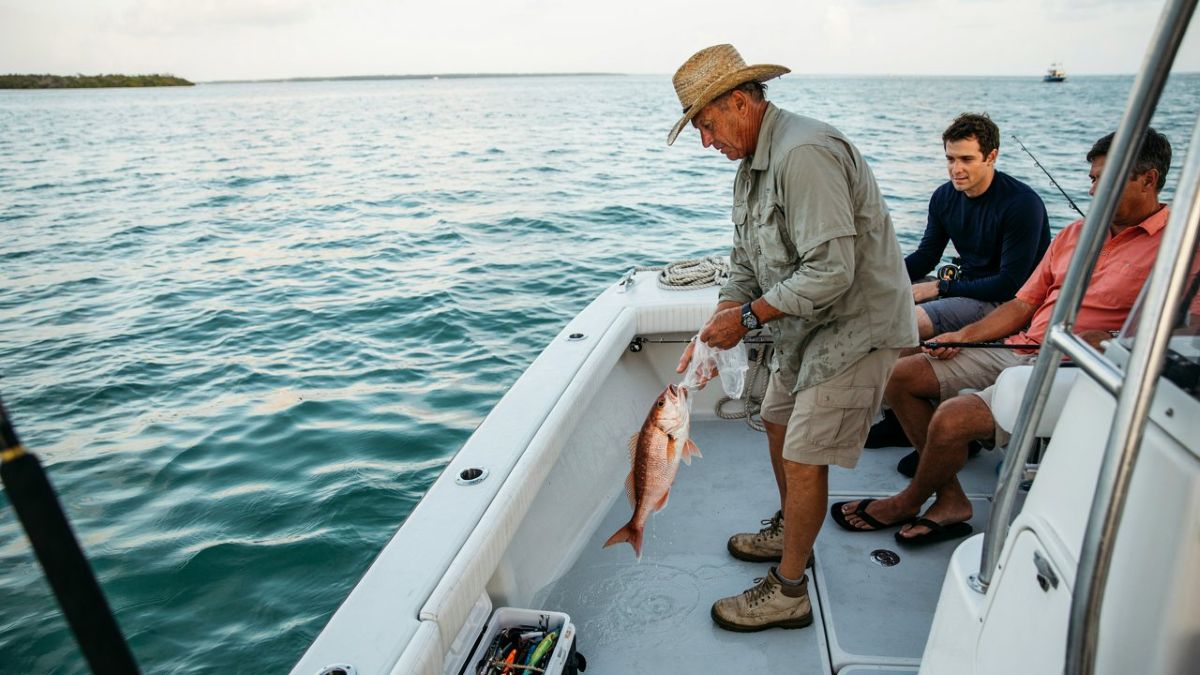
Image generated with Ai
Fishing tourism in the United States shows the effect of conservation on the ideal catch. Fishing for the red snapper in the South Atlantic has opened up for October giving anglers who qualify a chance to spend more time fishing. But tourists need to ensure permits, fishing season, and quotas before embarking on their vacation plans. The states of Alaska, Yellowstone, and Hawaii also offer some insights. They base their policies on the state of fish population, habitat, and tourists’ preferences. Consequently, not only do tourists have to search for fishing sites but also ensure that they are well prepared.
October Opens a Fresh Fishing Window
The clearest news comes from the South Atlantic. NOAA has approved special fishing permits for Florida, Georgia and South Carolina. Eligible participants can fish for red snapper from 9 to 22 October 2026. The separate federal recreational season runs from 9 to 11 October. Its limit is one fish per person daily, with no minimum size.
Advertisement
Advertisement
These dates create a fresh, focused window for holiday planning. However, visitors cannot combine the special permit season with the federal season. They must follow the scheme they enter. That choice matters before anyone books flights, rooms or a day with a fishing crew.
Florida Makes the Details Matter
Florida’s special season comes with clear entry rules. Private anglers need the required saltwater licence, unless exempt. They also need the free State Reef Fish Angler designation. Participating boats for hire must join the state’s free registry. Participants must carry a copy of the special permit.
Advertisement
Advertisement
Anglers aged sixteen and above must declare relevant trips before leaving the dock. Paying customers on fishing charters do not make that declaration themselves. The captain handles the trip declaration. These steps show why visitors should ask operators which scheme they use. A booking alone does not explain every duty under the new arrangements.
More Fishing Days Bring a Scientific Test
The longer opening has a research purpose. NOAA wants to test how states gather fishing data and manage catches. Florida will examine fishing activity, landings and fish that die after release. Its scheme uses a combined limit of ten fish within the specified snapper and grouper group.
Advertisement
Advertisement
Only one may be red snapper. Other species retain their applicable rules. Anglers must stop bottom fishing for reef fish once they reach that combined limit. The trial therefore links extra opportunity with limits and learning. Its success needs clear evidence. More open days alone cannot prove that fishing has become more sustainable.
A Released Fish Still Needs Help
Putting a fish back does not always save it. Fish brought up from deep water can suffer from sudden pressure changes. Gases expand inside them, causing injury known as barotrauma. Florida explains that suitable release tools can help these fish survive. A descending device returns a fish towards deeper water.
Rules differ between waters, so crews need the correct equipment ready. Appropriate hooks and tools for removing hooks also reduce harm. For travellers, this creates a useful question before booking. Ask how the crew handles unwanted catches. Good fishing practice includes what happens to fish that never reach the table.
The Economic Stakes Stretch Beyond Boats
Fishing supports far more than a morning on the water. NOAA’s latest published national economic summary covers 2023. It estimates that recreational saltwater fishing supported $145.4 billion in sales impacts. It also supported 694,041 full and part time jobs. Related income reached $47.1 billion, while added economic value reached $78.4 billion.
These figures show the activity’s broad economic reach. Equipment purchases made the largest contribution to those impacts. Charter crews, tackle sellers and other linked businesses also form part of the picture. Healthy fishing opportunities therefore matter to communities as well as people hoping for a memorable catch on holiday.
Big Numbers Need Honest Labels
Those impressive totals need careful reading. They measure recreational saltwater fishing across the economy. They do not measure tourist spending alone. They also describe 2023, rather than a completed 2026 season. NOAA includes money spent on trips and durable equipment. Its models trace further activity through businesses and households.
Advertisement
Advertisement
Sales, income and added value measure different things, so readers should not add them together. This distinction protects the story from inflated claims. The evidence supports fishing’s economic importance. It does not establish a nationwide surge in overseas fishing visitors, or a separate market value for sustainable fishing tourism in America.
Conservation Gains a Major Funding Base
Federal funding provides another solid part of the story. The final fiscal year 2026 Sport Fish Restoration table totals $442,852,945. That figure includes returned funds from an earlier year. Alaska’s total allocation reaches about $22.1 million. Florida receives about $17.1 million, and Montana about $11 million.
These are programme allocations, rather than holiday sales or promises of individual fishing trips. Still, they reveal the financial scale behind fishery support. For visitors, the useful link lies in what healthy waters and maintained access can make possible. Public investment helps underpin the places that visitors hope to enjoy over many future seasons.
Fishing Purchases Help Support Public Access
The Sport Fish Restoration programme supports fishery projects, boating access and education about water and wildlife. Its funding comes from several sources. These include manufacturers’ taxes on fishing equipment, import duties and parts of fuel taxes. The system links fishing activity with money for its future.
Visitors may see the result through facilities and services, though each project has its own funding history. This offers a stronger story than a vague green label. Conservation needs staff, knowledge and practical work. The holiday experience depends partly on those less visible foundations, long before a visitor reaches a riverbank or coastal marina.
Alaska Shows Why Limits Can Change
Alaska offers a clear lesson in changing rules. Southeast Alaska raised its annual king salmon limit for nonresident anglers to four during August and September 2026. Officials cited lower catches than expected. The daily bag and possession limit remained two qualifying fish. The order applied to king salmon measuring at least twenty eight inches.
Advertisement
Advertisement
It expired on 30 September. Travellers should therefore treat it as a past example, not current permission. The change shows how managers can adjust opportunity as information develops. Visitors need the latest official order for their exact area, species and date before they begin fishing there.
An October Closure Shows the Other Side
Opportunity can narrow just as quickly. Near Sitka, Alaska closed Bear Cove and Deep Inlet to sport fishing for coho salmon. The closure runs from 15 September through 31 October 2026. Officials said returning fish were unlikely to meet breeding needs at the hatchery.
That concern required action even while other fishing opportunities existed elsewhere. For holidaymakers, the message is specific. A destination can remain open while one species or fishing area closes. Check the planned catch and location with the operator. A flexible holiday can include other lawful activities when a particular fishing plan no longer fits conservation needs.
Hot Rivers Can Rewrite Holiday Plans
Freshwater trips face different pressures. In Montana, warm water can place fish under stress. The state’s tourism guidance explains its afternoon fishing limits, commonly called hoot owl restrictions. Where these apply, fishing stops from two in the afternoon until midnight. Conditions and affected stretches vary, so travellers must check the current official list.
An early start may fit an open morning period. However, some waters can close completely. This makes flexible scheduling valuable. Visitors should discuss alternative plans before paying. A beautiful river remains a living habitat, and its condition can matter more than the timetable printed in a brochure.
Yellowstone Reveals How Quickly Conditions Turn
Yellowstone’s 2026 season shows that these changes are real. Heat and low flows led to fishing restrictions during July. Officials later eased them as conditions improved. The remaining restrictions on the Firehole, Madison and specified Gibbon waters ended on 4 September. These were temporary measures tied to conditions, not a permanent loss of access.
Advertisement
Advertisement
The sequence matters for autumn visitors reading old reports. A July closure notice cannot describe the whole season. Equally, a reopening does not remove normal fishing rules. Check current park information close to departure, then confirm the rules again before heading onto the water each day.
Protecting Native Fish Can Mean Keeping Others
Yellowstone also challenges a simple belief about responsible fishing. Releasing every fish is not always the correct action. The park requires anglers to release native fish unharmed. Yet anglers must kill every lake trout caught in Yellowstone Lake. Certain other fish face similar rules in specified waters.
These measures support native species that introduced fish can harm. Visitors therefore need to recognise their catch. They must also know the rules for that exact location. A general promise to practise catch and release cannot replace local knowledge. Here, conservation depends on the species, the place and the action the rules require.
Clean Equipment Protects the Next Destination
Fishing travel can carry unwanted passengers between waters. Small organisms may cling to boats, boots and equipment. Yellowstone asks visitors to clean, drain and dry their gear to prevent harmful species spreading. All watercraft need an inspection before entering park waters. That includes small craft such as angler float tubes.
Some boats also face special drying requirements. These checks should form part of travel planning, especially on trips linking several lakes or rivers. Leave enough time for the required process. Protecting a destination begins before the first cast, with the equipment that travellers bring from their previous day on water.
Hawaii Gives Visiting Anglers a Clear Price
Hawaii adds a visitor funding example from the Pacific. The state requires most nonresident recreational sea anglers aged fifteen or older to buy a licence. Its published prices are $20 for one day, $40 for seven days and $70 annually. Additional online fees may apply. Active duty military personnel and their minor children have an exemption.
Advertisement
Advertisement
Travellers should check their eligibility and the rules for their planned activity. A licence does not cancel local restrictions on species or places. For a fishing holiday, this means adding permission costs to the budget alongside transport, accommodation, equipment and any booked boat trip.
Visitor Fees Carry a Funding Promise
Hawaii’s licence system also explains where visitor payments can go. In February 2025, the state said revenues would support fishing projects. It expected about $1 million each year. Planned uses included artificial reefs, fish aggregation devices, stock enhancement and restoration work. That amount was a forecast, not a verified total collected during 2026.
Keeping that distinction clear helps travellers understand the programme honestly. The broader idea is easy to grasp. Visitors who enjoy a fishing resource can help pay for its upkeep. The next useful measure is delivery, including how agencies spend the money and what their funded projects achieve.
Skilled Guides Can Make Rules Easier
These examples suggest a practical role for fishing guides. Visitors should value clear advice alongside local knowledge of fishing spots. Before booking, ask who checks closures and which permissions the trip requires. Ask how the crew identifies fish and handles releases. For a river trip, discuss heat restrictions and alternative plans.
For sea fishing, ask which management area the boat will enter. These questions help match expectations with the actual outing. They also make conservation part of the service visitors choose. A responsible operator should explain the planned trip clearly, including what customers may catch, keep or need to release.
Better Bookings Start Before the First Cast
Holiday planning should begin with the target species and travel dates. Next, check the official rules for the precise water. Confirm the operator’s arrangements and read cancellation terms. Ask what happens if weather or a conservation closure changes the outing. Keep room for other activities so one missed fishing day does not define the holiday.
Advertisement
Advertisement
Travellers should also distinguish residents from nonresidents when reading licence rules. Crossing a state boundary can change the requirements. The aim is a trip built around realistic choices. Clear preparation makes space for enjoyment while respecting the fish, local rules and people providing the experience.
America’s Best Fishing Story Looks Ahead
Fishing in the United States illustrates the impact of conservation by protecting the fish and the environment they live in. Fishing for red snapper in the South Atlantic in October is one of the many opportunities available to fishermen who qualify in time. Each place has its own requirements when it comes to permits, season and catch limit. These must be looked into before the trip is planned. Examples of places such as Alaska, Yellowstone and Hawaii prove that the environment, animals, and opportunities for future use are protected by managers. It can be concluded that an enjoyable fishing vacation does not only depend on the location.
Advertisement
