
Pune Just Became the New Travel Obsession, Here’s Why Everyone’s Packing Their Bags for India

Published
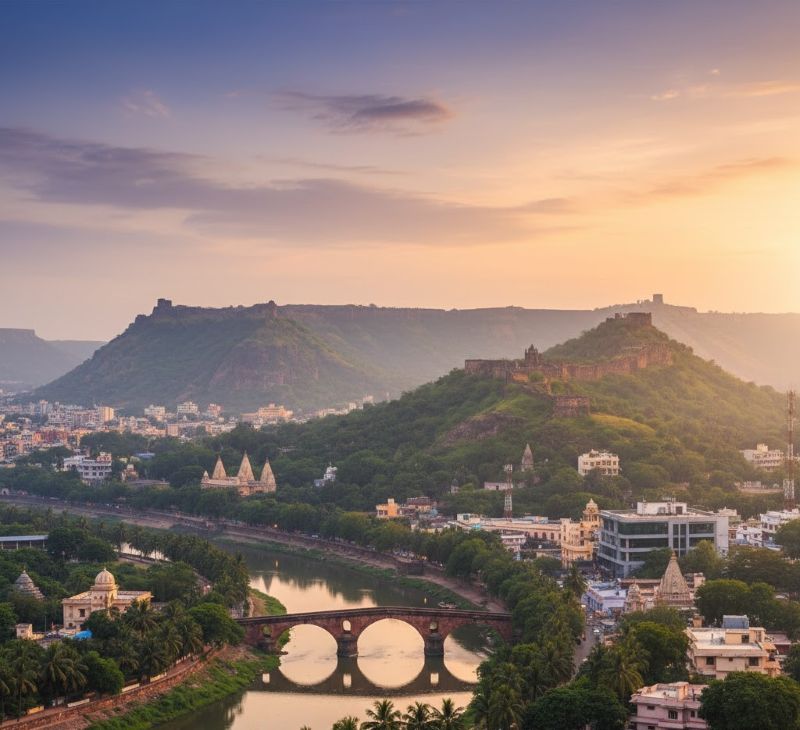
Image generated with Ai
Pune, traditionally known for its educational institutions and growing urban landscape, has recently witnessed a significant change in how its residents spend their weekends. In the past, Punekars would typically head to popular tourist destinations such as Goa or Karjat to escape the hectic pace of city life. However, over time, an emerging trend has been observed where more and more residents are seeking peace and quiet much closer to home. The peaceful backwaters of Pune’s dams, located on the city’s outskirts, have increasingly become the ideal getaway for those wishing to reconnect with nature without having to travel long distances.
The Growth of Dam Tourism in Pune
Advertisement
Advertisement
Over the course of the last 15 to 20 years, dam tourism in Pune has gained remarkable popularity, gradually transitioning from a hidden local secret to a key feature in the region’s tourism offerings. Initially, these serene water bodies were mainly visited by the residents of Pune, providing them with a quiet retreat. However, with the growing number of travelers seeking escapes from the fast-paced urban life, these tranquil spots have steadily evolved into well-known weekend destinations. What was once a peaceful hideaway for a select few has now turned into a sought-after escape, especially for those eager to experience the beauty of sunsets across the water.
A street vendor noted that what were once private, hidden gems of Pune are now being discovered by tourists from across Maharashtra, and even from further afield, including West Bengal and Karnataka. The peaceful reservoirs, once exclusive to locals, have quickly become major attractions. The influx of visitors from different parts of India demonstrates how the demand for these quiet backwaters has surged in recent years.
Advertisement
Advertisement
Dam Tourism: A Global Phenomenon with Pune’s Distinct Touch
While dam tourism is a well-established concept around the world, Pune’s dams offer a unique experience that distinguishes them from their more commercial counterparts. Globally, large-scale dams, such as the Itaipu Dam between Brazil and Paraguay, the Machu Picchu Hydroelectric Dam in Peru, and Corbara Dam in Italy, have long been recognized as major tourist spots. However, the dams in Pune provide a more intimate, understated experience. Instead of vast, overwhelming attractions, these dams offer a more peaceful, nature-focused retreat. Visitors can enjoy scenic drives, breathe in the refreshing scent of earth after rain, savor the aroma of corn roasting on open grills, and watch calm, reflective lakes.
Advertisement
Advertisement
What sets Pune’s dams apart is the opportunity they offer to connect with nature on a deeper level. It is not about being surrounded by throngs of tourists at overcrowded landmarks. Instead, visitors are immersed in the simple beauty of tranquil surroundings, providing an escape from the noise and chaos of everyday life.
Pune’s Geographical Edge for Dam Tourism
The geographical location of Pune has played a significant role in the growing appeal of dam tourism. The city is surrounded by nine major dams—Khadakwasla, Panshet, Varasgaon, Mulshi, Bhatghar, Kasarsai, Bhama Askhed, and Temghar—each within a short drive from the city center. This proximity allows residents to enjoy the peaceful surroundings of these dams in under an hour, making them an easy and convenient weekend retreat. Khadakwasla, in particular, has become a particularly popular destination. This dam has benefitted from significant promotion by the state’s tourism department as well as increased visibility on social media, where Instagram and other platforms have helped reveal hidden gems such as lakeside cafes, private villas, and secluded picnic spots. As a result, Khadakwasla has become a favored location for those seeking a quiet, nature-filled retreat close to Pune.
The Historical Significance of Pune’s Dams
Beyond their aesthetic appeal, many of Pune’s dams hold rich historical significance that adds to their allure. Khadakwasla Dam, one of the oldest in Maharashtra, was completed in 1879 and then rebuilt in 1969 after a devastating flood in 1961 destroyed the original structure. Panshet Dam, similarly, faced substantial setbacks during its construction due to the same flood but was reconstructed in 1965. These dams are not just valuable sources of drinking water for the city but also play a crucial role in Pune’s historical narrative. The city’s Pune Division, home to over 22 major dams, has witnessed these water bodies becoming central to both the infrastructure and growing tourism sector of the city.
Government Efforts to Promote Dam Tourism
Advertisement
Advertisement
As dam tourism continues to gain traction, the government has taken steps to promote these attractions further. Rather than focusing solely on luxury tourism, the government’s strategy has been to highlight the accessibility, affordability, and natural beauty of these destinations. The combination of stunning landscapes, easy accessibility from Pune, and reasonably priced accommodations has led to an increase in demand for these tranquil retreats. For example, resorts near Panshet and Khadakwasla are now regularly booked weeks in advance, indicating the growing popularity of these weekend getaways. This surge in demand reflects how much more people are craving peaceful, nature-filled escapes near urban centers.
The Challenges of Growing Popularity
However, as the popularity of dam tourism rises, so do the challenges. The increasing number of visitors has brought about issues such as overcrowding, pollution, and safety concerns. In 2025, several drowning incidents occurred at these peaceful backwaters, highlighting the dangers that can arise from unregulated tourism. The influx of tourists has also raised concerns about environmental degradation. More visitors means more foot traffic, and this is beginning to take a toll on the very serenity that made these spots attractive in the first place. Despite these issues, however, the allure of Khadakwasla’s quiet beauty and the stillness of Varasgaon continue to draw people from all over, eager to experience the calming waters.
The Appeal of Simplicity and Connection with Nature
What distinguishes dam tourism from other types of tourism is its simplicity. It is not about indulging in luxury resorts or extravagant activities but about reconnecting with nature and finding peace in its purest form. The main appeal lies in the opportunity to escape from the stresses of urban life and experience nature’s calming influence—whether it’s through a relaxing boat ride across a serene lake or a peaceful picnic by the water’s edge. This simplicity is particularly appealing to those living in bustling cities who crave more space, peace, and natural beauty. The growing interest in dam tourism reflects a larger global trend toward more mindful travel—experiences that allow travelers to unplug and rejuvenate in peaceful, nature-based environments.
A Global Shift Toward Simpler, Peaceful Travel Experiences
Advertisement
Advertisement
The surge in popularity of dam tourism in Pune is not just a local phenomenon but part of a larger global shift toward simpler, more peaceful travel experiences. Travelers around the world are increasingly seeking destinations that offer natural beauty, peace, and tranquility, moving away from the over-commercialized, high-energy spots that were once the focus of tourism. As urban areas become more crowded and noisy, more people are yearning for spaces where they can reconnect with nature, experience serenity, and avoid the frenetic pace of mass tourism.
This global demand for simpler, quieter forms of travel is mirrored in the rise of dam tourism. Pune’s dams provide an ideal combination of historical significance, natural beauty, and affordability—appealing to both locals and international travelers seeking a retreat from the overwhelming bustle of city life. As more people become aware of the environmental impact of mass tourism, there is a clear preference for destinations that promote sustainability, peace, and simplicity. This growing preference for mindful tourism is likely to continue influencing the global travel market for the foreseeable future.
The Future of Dam Tourism in Pune and Beyond
As dam tourism continues to gain traction, it is evident that these peaceful locations will play an increasingly important role in Pune’s tourism future. The dams surrounding the city are already integral to its infrastructure, providing a crucial water supply and offering valuable leisure opportunities for both residents and visitors. With more people seeking calm, natural escapes, Pune stands to benefit from the global movement toward mindful, peaceful travel.
Whether it’s the scenic Khadakwasla, the serene Varasgaon, or the tranquil Mulshi, Pune’s dams provide an oasis for those looking to disconnect from modern life. The simplicity and beauty of dam tourism make these locations attractive not only for locals but also for travelers around the world. As the desire for peaceful, nature-filled escapes continues to grow, the demand for these serene locations will likely increase, making Pune’s backwaters a prominent part of the city’s tourism landscape.
A Timeless Appeal: Quiet Retreats in Nature
In conclusion, dam tourism in Pune is more than just visiting reservoirs; it is about embracing the natural beauty and serenity that these locations provide. As travelers increasingly seek destinations that offer peace, simplicity, and a chance to reconnect with nature, the popularity of Pune’s backwaters is bound to grow. This reflects a broader shift in the travel industry, where the focus is moving away from crowded, commercialized attractions and toward quieter, more sustainable retreats. Whether it is the stillness of Khadakwasla, the peaceful atmosphere of Varasgaon, or the charming serenity of Mulshi, these dams offer an ideal escape from the pressures of modern life. This growing trend of dam tourism is clearly attracting visitors from around the world, eager to experience a more peaceful, connected way of traveling.
Advertisement
