
Estonia Leads Romania, Latvia, Ireland And More To Reveal Europe’s Hidden Authentic Travel Destinations Preserving Living Culture: What You Need To Know

Published
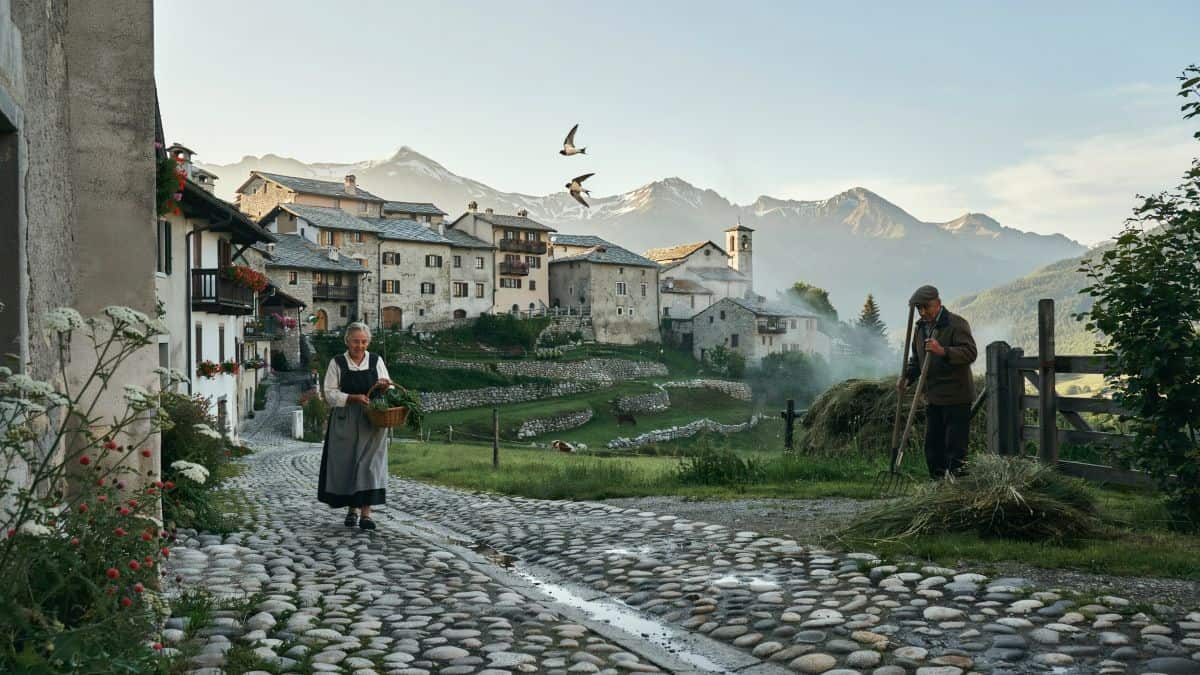
Image generated with Ai
The face of tourism in Europe is changing. Travelers are now more interested in finding destinations that are far from crowded city centers and popular tourist sites. From the islands in Estonia and wooden towns in Romania to the unspoiled valleys of Switzerland and the remote villages of Ireland, a new, authentic Europe is coming.
According to stats, although the number of travelers in Europe is increasing, the pressure of tourism is not as high in every destination. While millions of visitors flock to the renowned cities, beaches, and monuments, many rural regions are still living in the age of traditions, and their communities are well-knit.
Advertisement
Advertisement
These various regions of Europe where people still engage in agriculture or other types of traditional activities are active societies that develop constantly through time.
Why Europe’s Authentic Destinations Are Becoming More Valuable For Travellers
The meaning of authenticity in travel has changed significantly. Modern travellers are increasingly looking beyond postcard views and searching for deeper connections with places. UNESCO’s approach to authenticity focuses on whether heritage genuinely reflects local values through traditions, materials, landscapes, language, architecture and community practices.
Advertisement
Advertisement
This means authenticity is not measured by how old a village looks or how few tourists arrive. A destination can remain authentic because people still live, work and maintain traditions there. A family-run farm, a traditional craft workshop, a local festival or a historic landscape used by residents can provide a more meaningful experience than a perfectly restored attraction designed only for visitors.
Advertisement
Advertisement
The strongest authentic destinations usually combine five elements: cultural continuity, limited tourism pressure, preserved architecture, living traditions and responsible commercial development. Places such as Val Müstair in Switzerland, Inis Meáin in Ireland, Val Codera in Italy, Kihnu in Estonia, Breb in Romania and Lesachtal in Austria stand out because visitors can still see local communities shaping daily life.
However, quiet destinations also face challenges. Recognition through UNESCO listings, social media exposure and growing demand for unique experiences can create new tourism pressures. The future of these places depends on balancing visitor interest with community needs.
Kihnu Island, Estonia: A Maritime Culture Preserved Through Tradition And Community
Located in the Baltic Sea, Kihnu Island represents one of Europe’s most distinctive living cultural landscapes. Unlike destinations where heritage exists mainly inside museums, Kihnu’s traditions remain connected to everyday life. The island’s identity has been shaped by generations of fishing, farming, craftsmanship and maritime culture.
Recognised for its cultural heritage value, Kihnu is known for its local language, traditional clothing, music, handicrafts and community customs. The island’s famous striped wool garments, folk songs and traditional celebrations are not simply performances for visitors; they remain part of local identity.
The island’s remote character naturally limits tourism pressure. Travellers usually arrive through ferry connections from the Pärnu region, creating a slower travel experience compared with Europe’s major tourism centres. Cycling is one of the best ways to explore Kihnu, allowing visitors to discover farms, coastal areas, the lighthouse, churches and cultural sites at a relaxed pace.
Advertisement
Advertisement
A meaningful visit to Kihnu is built around respectful interaction. Staying in family-run accommodation, purchasing locally produced crafts and joining organised cultural experiences helps tourism directly support island residents. Visitors are encouraged to remember that traditional clothing and customs represent living culture rather than tourist displays.
The island demonstrates how small communities can welcome travellers while protecting their own identity.
Setomaa, Estonia: Where Language, Music And Spiritual Traditions Survive
Eastern Estonia’s Setomaa region offers another example of cultural preservation beyond conventional tourism routes. Rather than being a single attraction, Setomaa is a broad cultural landscape where villages, forests, farms and religious traditions create a unique identity.
The Seto people maintain their own language, food traditions, clothing styles and spiritual customs. One of the region’s most important cultural expressions is Seto leelo, a traditional polyphonic singing style recognised as intangible cultural heritage.
Travellers visiting Setomaa experience a destination where culture is deeply connected to community life. Villages such as Värska and Obinitsa provide opportunities to explore museums, cultural centres, traditional foods and local events. However, the most valuable experiences often come through direct engagement with residents, including craft demonstrations, food experiences and guided cultural activities.
Advertisement
Advertisement
Unlike large heritage destinations where visitors often follow fixed routes, Setomaa encourages slower exploration. The region rewards travellers who spend more time understanding the relationship between people, land and traditions.
Kuldīga, Latvia: A Historic Town Where Architecture Meets Local Life
Kuldīga represents a different form of authenticity. Unlike remote islands or mountain villages, it is a historic town where heritage exists alongside modern daily life.
Recognised internationally for its exceptional preservation, Kuldīga developed from a medieval settlement into an important centre connected with the Duchy of Courland and Semigallia. Its historic streets, wooden buildings, waterways and relationship with the Venta River create a rare urban landscape where architecture remains closely connected to community life.
Visitors can explore restored buildings, walk along the river, discover local crafts and experience the town’s slower rhythm. The destination provides an alternative to Europe’s overcrowded historic cities by offering heritage without overwhelming visitor numbers.
However, increased recognition also creates responsibility. As more travellers discover Kuldīga, sustainable tourism planning becomes essential. Visiting outside peak periods and staying overnight rather than making short day trips can help distribute tourism benefits more evenly.
Advertisement
Advertisement
Plateliai, Lithuania: A Lake Landscape Rooted In Samogitian Identity
Situated within the natural environment of Žemaitija National Park, Plateliai combines cultural heritage with forests, lakes and traditional rural landscapes.
The destination reflects the character of Lithuania’s Samogitian region, where local identity is connected to nature, agriculture and community traditions. Visitors can explore Lake Plateliai, cycling routes, observation points and cultural attractions including the Cold War Museum located within a former Soviet military facility.
Plateliai offers a different model of authentic travel. Instead of focusing on a single monument, the experience comes from combining landscapes, regional food, village life and outdoor activities.
Rural homesteads and locally owned accommodation provide stronger connections with residents than large tourism developments. Travellers who spend several days exploring the area gain a better understanding of how culture and nature continue to influence each other.
Vlkolínec, Slovakia: A Carpathian Village Preserving Wooden Heritage
Hidden in Slovakia’s Carpathian landscape, Vlkolínec is one of Europe’s finest examples of traditional rural architecture. The village is recognised for its preserved wooden houses, historic layout and mountain environment.
Advertisement
Advertisement
The settlement remains inhabited, making it different from open-air museums or reconstructed heritage villages. Its traditional buildings continue to exist within a real community setting. Slovakia’s official tourism information highlights protected log houses, a historic bell tower and the importance of preserving the village’s living character.
Visitors should approach Vlkolínec with respect. Many homes remain private residences, meaning tourism must not interfere with residents’ daily lives.
The best experience comes from slow exploration, walking through the village, understanding traditional construction methods and discovering the wider Liptov region rather than treating the destination as a quick photography stop.
Breb, Romania: A Living Maramureș Village Where Traditions Remain Part Of Daily Life
Deep in northern Romania’s Maramureș region, Breb offers one of Europe’s strongest examples of a village where heritage is not separated from everyday living. The destination is shaped by wooden architecture, farming traditions, carved gates, religious customs and crafts that have survived through generations.
Unlike heritage locations designed mainly for visitors, Breb remains a working rural community. Farmers continue to manage land, families preserve traditional homes and artisans maintain skills connected with textiles, woodworking and food production. The village represents a slower form of tourism where travellers become observers and participants rather than simply visitors passing through.
Advertisement
Advertisement
The wider Maramureș region is internationally recognised for its wooden churches, traditional craftsmanship and cultural landscapes. Breb allows travellers to experience these elements in a natural setting where traditions continue because communities still depend on them.
A stay in a traditional wooden guesthouse provides a closer connection with local life. Visitors can explore village paths, learn about farming practices, taste regional cuisine and purchase handmade products directly from local producers. Responsible tourism is especially important here because the strength of Breb comes from its authenticity rather than large-scale tourism infrastructure.
Rimetea, Romania: A Mountain Village Where Architecture And Identity Remain Connected
Located in the Transylvanian region of Romania, Rimetea combines historic architecture, cultural identity and dramatic natural surroundings. The village is known for its white-painted houses, traditional settlement pattern and connection with the limestone landscape of the nearby Piatra Secuiului mountain.
Rimetea’s appeal is not limited to its visual beauty. The village reflects centuries of Hungarian-speaking cultural influence, mining traditions, craftsmanship and rural life. Traditional houses, local food practices and agricultural landscapes create an environment where heritage remains part of community identity.
Travellers can experience Rimetea through village walks, locally prepared meals, traditional accommodation and hiking routes through the surrounding mountains. The best experiences come from spending time with local businesses rather than treating the village as a short stop for photographs.
Advertisement
Advertisement
The destination also demonstrates the importance of careful heritage management. Restoring historic buildings can support tourism, but maintaining traditional materials and village character is essential. A destination loses authenticity when historic landscapes become decorative backgrounds rather than living communities.
Përmet, Albania: A Valley Destination Combining Nature, Food And Local Heritage
In southern Albania, Përmet offers a rare combination of natural landscapes, traditional cuisine and cultural experiences. Situated near the Vjosa River, one of Europe’s important wild rivers, the destination provides an alternative to Albania’s increasingly popular coastal tourism areas.
The town is surrounded by mountains, forests and rural villages where traditions remain closely linked with agriculture and regional food production. Visitors can explore thermal springs, Langarica Canyon, historic sites and local culinary experiences.
Përmet is particularly known for its hospitality and gastronomy. Local products, traditional preparation methods and family-run businesses form an important part of the visitor experience.
As Albania’s tourism sector grows rapidly, destinations such as Përmet highlight the importance of spreading visitor demand beyond crowded coastal areas. Supporting local guesthouses, certified agritourism businesses and responsible outdoor operators helps ensure that tourism benefits communities while protecting natural resources.
Advertisement
Advertisement
Lastovo, Croatia: An Adriatic Island Where Nature Still Controls The Pace
Croatia’s coastline attracts millions of visitors every year, but Lastovo offers a very different Adriatic experience. Located far from the country’s busiest island destinations, Lastovo remains one of Croatia’s more remote inhabited islands.
The island’s identity comes from its isolation, fishing traditions, agricultural landscapes, historic settlements and protected natural environment. The Lastovo Archipelago Nature Park helps preserve marine ecosystems, landscapes and biodiversity.
Unlike resort-focused islands, Lastovo encourages slow exploration. Travellers come for hiking trails, hidden bays, local food, traditional architecture and clear night skies rather than large entertainment complexes.
However, seasonal tourism remains an important consideration. Croatia’s Adriatic region experiences strong summer concentration, with a significant share of annual accommodation nights occurring during July and August. Travelling in late spring or early autumn provides a quieter experience while reducing pressure on local resources.
Lesachtal, Austria: The Alpine Valley Protecting Traditional Food And Farming
Austria’s Lesachtal valley offers a rare glimpse into a slower Alpine lifestyle where agriculture, craftsmanship and food traditions remain central.
Advertisement
Advertisement
The valley is recognised for its traditional bread-making culture, historic watermills and farming practices passed through generations. Unlike larger Alpine resorts focused mainly on skiing and accommodation development, Lesachtal promotes slow travel and connection with local producers.
Visitors can discover traditional mills, taste locally produced food, explore mountain trails and stay in family-run accommodation. The destination’s appeal comes from everyday activities rather than major attractions.
Lesachtal shows how tourism can strengthen rural identity when visitors support local businesses, farmers and craftspeople. Experiences such as bread-making demonstrations and farm visits create direct connections between travellers and residents.
The valley proves that cultural heritage is not only found in monuments. Sometimes it exists in kitchens, workshops, fields and family traditions.
Val Codera, Italy: A Hidden Mountain Community Accessible Only On Foot
Northern Italy is famous for historic cities and Alpine resorts, but Val Codera represents a completely different experience. Hidden in the mountains, this valley has remained protected partly because reaching its settlements requires walking.
Advertisement
Advertisement
The absence of road access has limited tourism pressure and helped preserve traditional stone houses, mountain paths, forests and rural landscapes.
Visitors must approach Val Codera slowly, usually through hiking routes from the surrounding valley. This physical challenge is part of what makes the destination special.
The valley is not designed for quick sightseeing. It rewards travellers who appreciate nature, silence and traditional mountain environments. Accommodation is limited, making planning essential.
Val Codera demonstrates how geography itself can protect authenticity. The challenge for future tourism will be maintaining access for visitors while ensuring that the community character remains intact.
Inis Meáin, Ireland: An Atlantic Island Where Language And Craft Define Identity
Among Ireland’s Aran Islands, Inis Meáin remains the quietest and least visited. Its isolation has helped preserve Irish language, traditional farming practices, craftsmanship and a strong connection with the Atlantic environment.
Advertisement
Advertisement
The island’s landscape of limestone fields, stone walls and coastal paths reflects centuries of adaptation. Local culture is closely connected with fishing, agriculture, storytelling and textile traditions.
Unlike destinations where culture is recreated for tourists, Inis Meáin remains a functioning community. Visitors can explore the island by walking or cycling, experience local crafts and stay in small-scale accommodation.
The island encourages travellers to slow down. Weather conditions, ferry schedules and limited infrastructure naturally create a more relaxed journey.
Inis Meáin represents a form of tourism based on respect, curiosity and genuine connection rather than rapid sightseeing.
North Uist, Scotland: A Hebridean Landscape Shaped By Gaelic Heritage
North Uist in Scotland’s Outer Hebrides offers a powerful example of how landscape and culture remain interconnected. The island combines crofting traditions, Gaelic heritage, wildlife habitats, archaeological sites and dramatic coastal scenery.
Advertisement
Advertisement
Unlike conventional resort destinations, North Uist’s identity comes from everyday community life. Crofting, local arts, traditional practices and environmental conservation remain important parts of the island’s character. Community institutions such as cultural centres help connect visitors with local history and support year-round activities.
Travellers can explore beaches, peatlands, lochs and archaeological sites while supporting local accommodation providers and businesses.
The island also highlights challenges facing remote communities, including housing pressures and transport limitations. Sustainable tourism must support residents rather than increase pressure on essential resources.
Sandoy, Faroe Islands: A Remote Island Balancing Access And Preservation
Sandoy offers one of the Faroe Islands’ most peaceful experiences. Known for traditional villages, farming landscapes, beaches and walking routes, the island provides a slower alternative to more visited Nordic destinations.
The island’s villages preserve a strong connection with Faroese culture, while landscapes shaped by farming and fishing remain central to local identity.
Advertisement
Advertisement
Improved transport links are making Sandoy easier to reach, creating new opportunities for tourism development. However, increased accessibility also requires careful management to protect local environments and communities.
Staying locally, using island businesses and following responsible travel practices help ensure tourism contributes positively.
Sandoy represents the future of authentic travel, destinations that welcome visitors while protecting the qualities that made them special.
Travelling Responsibly Through Europe’s Authentic Destinations
Authentic destinations require a different style of travel. Visitors must move beyond collecting photographs and focus on understanding places.
Many of these communities are fragile because their authenticity depends on residents continuing their traditional ways of life. Tourism can support preservation when money reaches local businesses, farms, guides and craftspeople.
Advertisement
Advertisement
Travellers should choose family-run accommodation, buy locally produced goods, respect private homes and avoid treating traditions as performances.
Timing also matters. Visiting outside peak summer months helps reduce pressure while offering more meaningful experiences. Autumn travel, in particular, allows visitors to explore destinations at a slower pace.
Remote destinations also require preparation. Islands may depend on ferry schedules, mountain regions can experience sudden weather changes and historic villages often have uneven streets.
Responsible tourism is not about avoiding popular destinations completely. It is about travelling in a way that allows communities to continue thriving.
Europe’s Future Belongs To Places That Preserve Their Identity
Europe’s time-honored places give travel a different dimension. In every case, worth does not come from being a hidden gem, but from preserving ties with the people living there.
Advertisement
Advertisement
Places such as Estonia’s islands, towns of Romania, as well as the Alpine valleys and Atlantic villages remind us that the best travel experiences come from culture, relations and landscapes rather than the attractions alone.
For the time being, tourism in Europe seems to be getting closer to the idea of keeping authentic but reputable places. Thus, thinking about tourism, the best venue may not be the one that has never been discovered before, but the one where life continues outside the influence of tourism.
Advertisement
