
Turkish Airlines Cuts 578 Weekly Flights: Winter Network Reductions Hit Istanbul Routes

Published
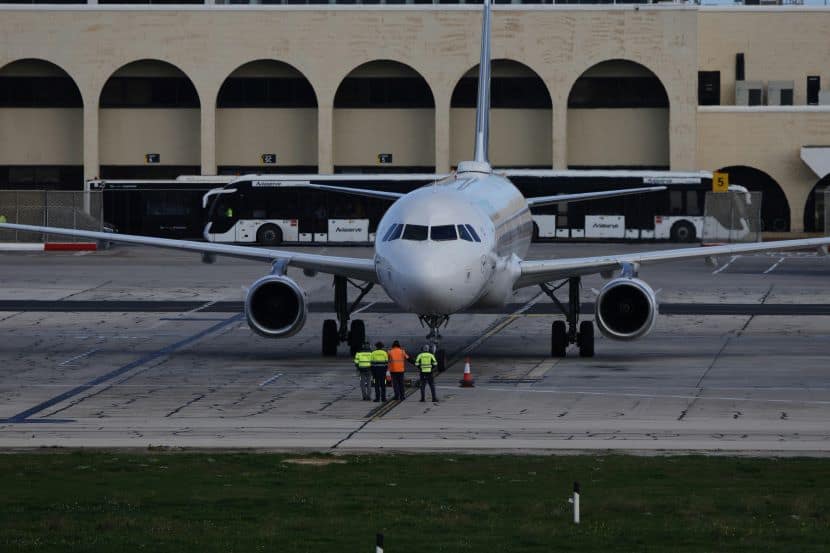
Image generated with Ai
A significant retrenchment of flight schedules has been initiated by Turkish Airlines for the upcoming 2026/2027 winter season, as widespread operational modifications are enacted across its global network. A total of 578 weekly flights were removed from the reservation system last week by the Turkish national carrier, diverging sharply from the initial timetables that had been established for the period spanning from October 25 through March 27 of next year. Within the territory of the former Yugoslavia, notable service reductions are currently being directed toward Tivat, Sarajevo, Podgorica, and Zagreb, though further modifications remain possible as the season approaches.
Total Suspension of Winter Operations to Tivat
Operations between Istanbul and the Montenegrin coastal destination of Tivat are to be completely suspended by the airline for the entirety of the upcoming winter period. Although a schedule consisting of three weekly flights had originally been planned by the carrier to match the frequency of the preceding winter season, a full withdrawal from the route has now been finalized. A similar pattern was observed during the prior winter season when services were initially maintained but ultimately suspended in January for the remainder of that term, a development that followed the temporary implementation of visa requirements for Turkish nationals by the government of Montenegro. For the forthcoming winter calendar, an outright omission of Tivat from the operational planning has been chosen from the very outset.
Advertisement
Advertisement
Downward Adjustments in Sarajevo Amid Operational Pressures
In Bosnia and Herzegovina, a reduction from fourteen weekly flights down to twelve weekly flights will be applied to the route serving Sarajevo throughout the winter months. This adjustment was finalized shortly after formal deliberations were conducted between the executive management of Sarajevo Airport and designated representatives from the Turkish flag carrier. The prevailing difficulties confronting the global aviation sector were highlighted during these discussions, with particular emphasis placed on systemic challenges such as international jet fuel shortages and broader marketplace disruptions. Despite the forced reduction of flight frequencies, the profound significance of the Bosnia and Herzegovina market, and specifically the city of Sarajevo, was strongly reaffirmed by the airline delegation. A mutual consensus was reached by both entities regarding the necessity of heightened cooperation and structural coordination to preserve network stability and protect the continuity of regional air connectivity under these challenging macroeconomic conditions.
Capacity Modifications and Frequency Redistribution in Podgorica and Zagreb
The flight frequency allocated to Podgorica, Montenegro, will also face a reduction by the carrier, with a drop from the originally intended 21 weekly rotations down to eighteen flights per week. Despite this downward modification, the newly established frequency continues to track above the operational levels recorded during the previous winter, a period during which only fourteen weekly services were maintained by the airline. Conversely, the operational footprint in Croatia is also being scaled back, with services to Zagreb being limited to fourteen weekly flights. This represents a definitive reduction when compared to the sixteen to seventeen weekly rotations that were consistently maintained by the carrier during the previous winter season, fluctuating depending on the specific month.
Advertisement
Advertisement
Systemic Factors Restructuring European Aviation
The extensive scaling back of capacity by major international network carriers is indicative of a broader shift occurring within the contemporary European commercial aviation sector. Escalating operational liabilities, driven primarily by the volatile pricing of aviation fuel and prolonged supply chain constraints affecting aircraft components, have forced many organizations to prioritize yield management over raw volume. For sub-regions such as the Balkans, which rely extensively on mega-hubs like Istanbul for global secondary connectivity, even marginal scheduling retrenchments by a primary carrier can significantly alter local passenger flows. These tactical inventory reductions often prompt regional competitors to reassess their own capacity models, occasionally facilitating an indirect redistribution of transfer traffic to alternative continental transit hubs. As airlines navigate these structural headwinds, the balance between maintaining critical socio-economic air links and achieving fiscal sustainability remains a complex challenge for network planners across the continent.
Network Resiliency and Future Outlook
Despite the current consolidation of frequencies across these specific regional stations, the strategic commitment of the carrier to the broader Balkan market continues to be reflected in the substantial baseline capacities that are being retained. While non-essential seasonal frequencies and marginal rotations are being pruned to safeguard profitability, core trunk routes continue to receive robust operational support. This selective approach allows for the preservation of critical long-haul connectivity options for passengers traveling from southeastern Europe to global destinations via the centralized hub infrastructure in Istanbul. The ongoing adjustments underscore the highly dynamic nature of modern airline scheduling, where fleet utilization models are continuously recalibrated in response to shifting geopolitical dynamics, visa regulations, and macroeconomic realities. Whether further adjustments or eventual frequency restorations will be implemented before the official commencement of the winter calendar remains dependent on the evolution of these underlying market indicators.
Advertisement
